
A Journal of the Plague Year, Day 2: The Gift of Perspective
20 March 2020
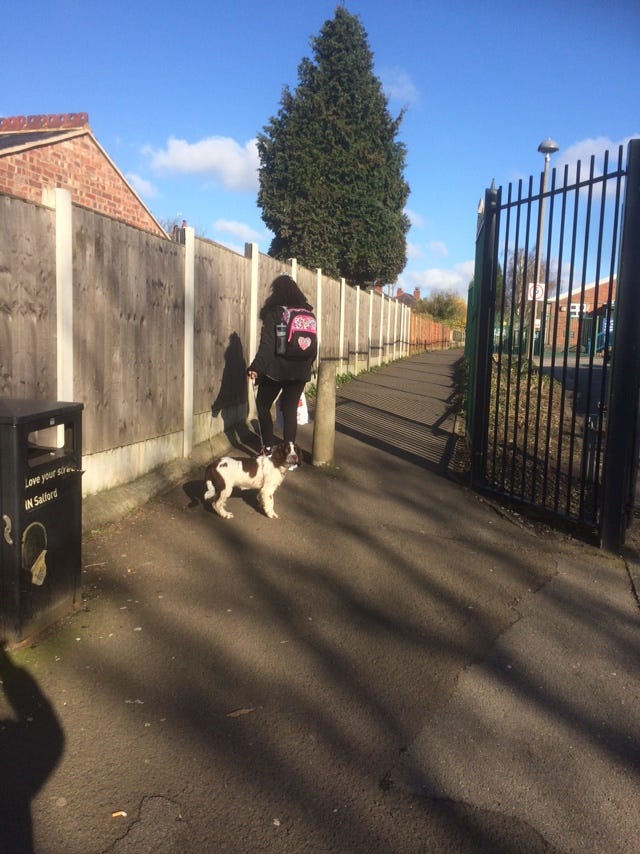
Today, unexpectedly, could turn out to be my daughter’s last day at primary school. All UK schools were told, two days ago, to close from Monday. I walked her to school this morning, as I can’t be there to meet her this afternoon. It’s sad, but necessary.
However, it turns out that schools won’t be closing at all. They have to stay open, including all through the school holidays, to take care of the children of “keyworkers” so that those folks can still go to work. The government published the list of keyworkers overnight. It’s a very interesting list. Which brings “the gift of perspective” from my initial post into sharp focus. What and who really matters?
The essential cogs in our society, it turns out are — for the most part — amongst the most under valued. Yes, doctors and research scientists are on there. But also delivery drivers, carers, warehouse operatives, supermarket workers, teachers and nursery staff. Oh — and public service broadcasters.
During Teresa May’s time at the UK’s Home Secretary a rule was introduced whereby, if a British citizen married a national of another country, their spouse was not allowed to join them in the UK unless they (the British half of the couple) had over £16,000 in savings and/or earned over £18,600 per annum. Families have been left living apart for years as a result. I wonder how many of our newly specified keyworkers would meet that financial threshold?
Now we have Priti Patel as Home Secretary and her list of priority “skilled workers” who will be eligible for visas in post Brexit Britain. How many of our keyworkers would make it onto her list? How many of them, in fact, are scraping by in the inhuman underworld of the zero hours, minimum wage economy? A great many of the warehouse workers, delivery drivers and carers for sure. My husband and most of his friends have been consigned to this subculture for years. A disposable, unseen community of immigrant grafters doing soul sucking jobs that most British people do not want. They are summoned to work at a moment’s notice, night and day, then spat out again — unpaid — as soon as demand slackens. Finger printed and timed when they take a toilet-break, blasted with loud music through the nights to keep them awake while they service our impatient, consumer economy. Will we value them more, care for them more, when this virus recedes? How might that come to pass?
And then there are the public service broadcasters. I must declare an interest here. I worked for the BBC, on and off, for 20 years. I love the BBC. I left five years ago now, but am constantly reminded how much my values and ways of working have been shaped by the Corporation. What a lynchpin it is at the heart of our society and creative industries. I’ve also lived for many years in other countries, which do not have the benefit of a BBC — the impartial journalism, catalyst for creativity, peerless radio, children’s programming, digital innovation and so much more. The BBC license fee model — via which the Corporation is funded — will likely have to adapt as the media world transforms. But I’ve watched with sorrow and dismay as our current government has started down the road of trying to dismantle the BBC. Has petulantly refused to put up Ministers to be held to account on the main news programmes. We will not realise what we have lost until it is too late. I fervently hope that our current Corona crisis will remind the UK that we have a unique treasure in the BBC, that we will come together to put our arms around it and safeguard it from this and future governments for the benefit of the nation.
For the next installment, click here: