
A is for Arachnid
Arachnophobes: do not proceed
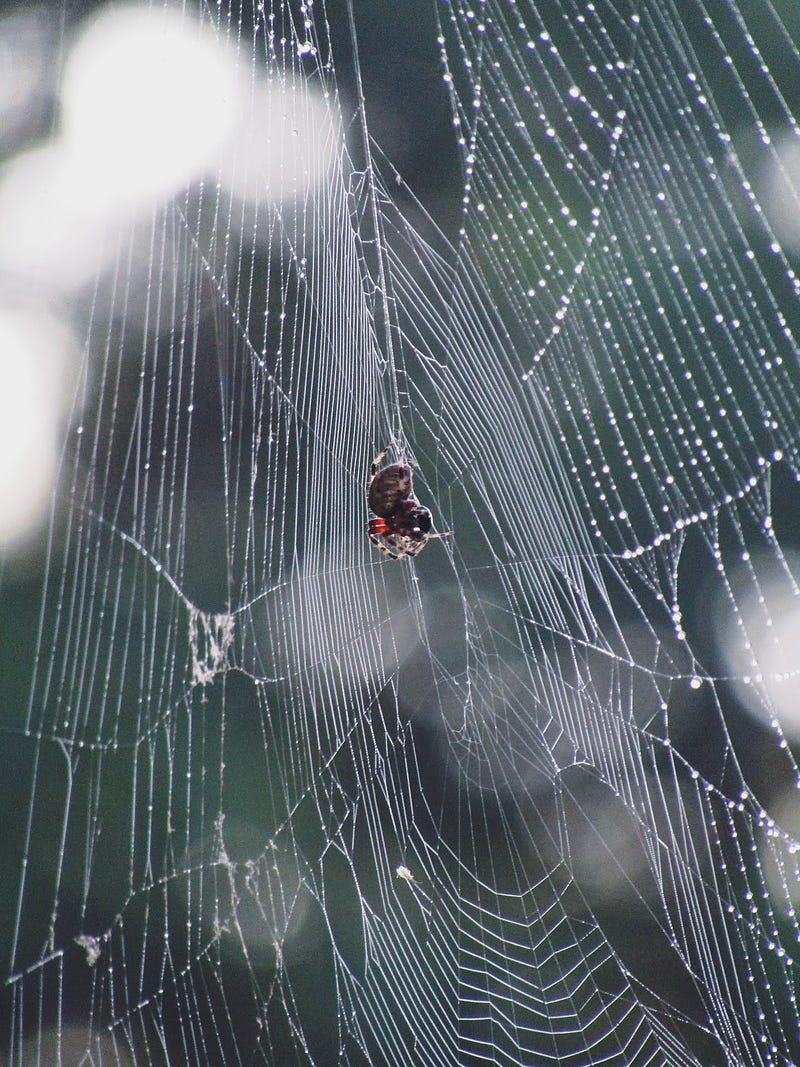
My childhood featured many spiders, from my mother’s pet tarantula (Carmelita) to the beloved jumper who frequented our kitchen window (Charlotte). I was not raised to fear them, but rather to gently shepherd them outdoors as necessary.
As such, I’ve also taught my son to accommodate arachnids. He is terrified, but he respects them. He calls for help when a spider appears and waits for his father or me to capture the unwelcome visitor in a glass and carry it to the garden. If we’re not available, then he gathers up his courage and covers it with a glass on his own.
Some cultures teach that it’s bad luck to kill a spider. I enjoy tradition, superstition, and generally letting life flourish, so this resonates. All the better when we come across an interesting spider outdoors, where we don’t need to move it at all.
Here are just a few awesome arachnid friends whom I’ve had the pleasure of meeting with camera in hand.
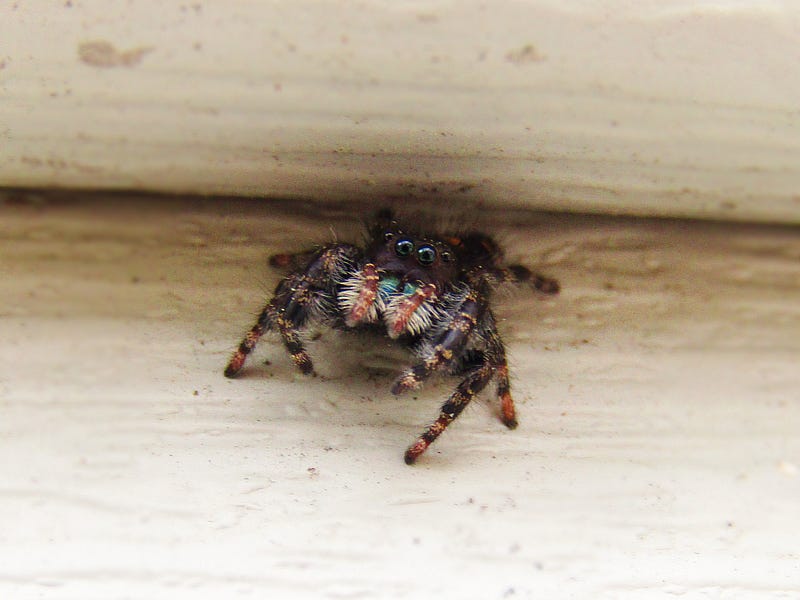
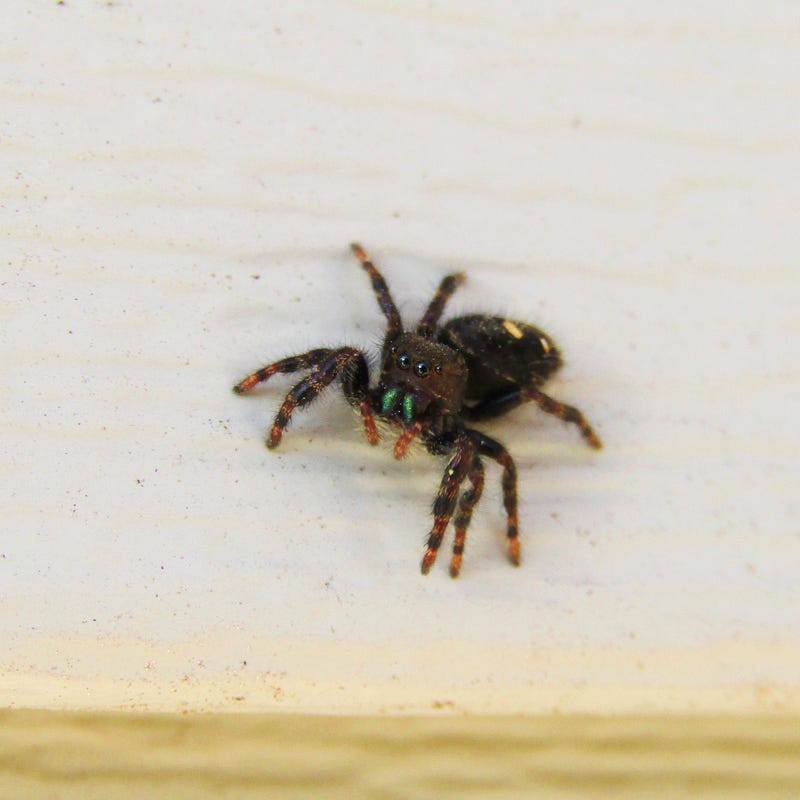
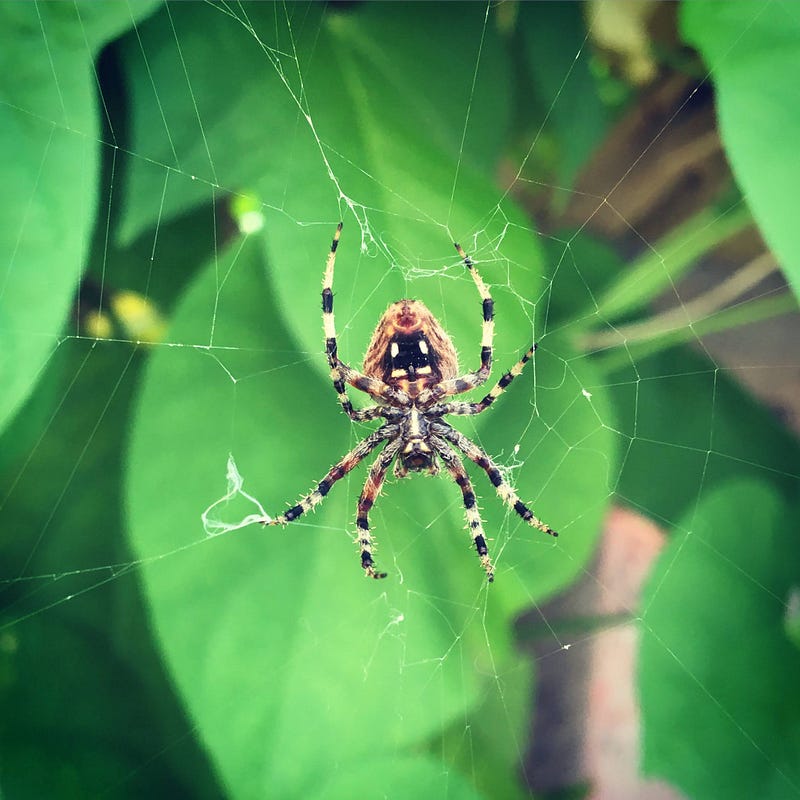
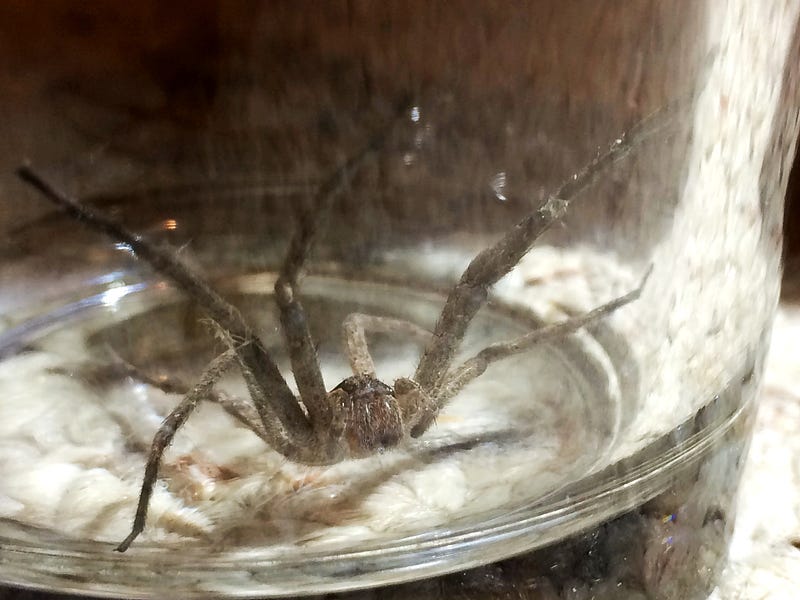
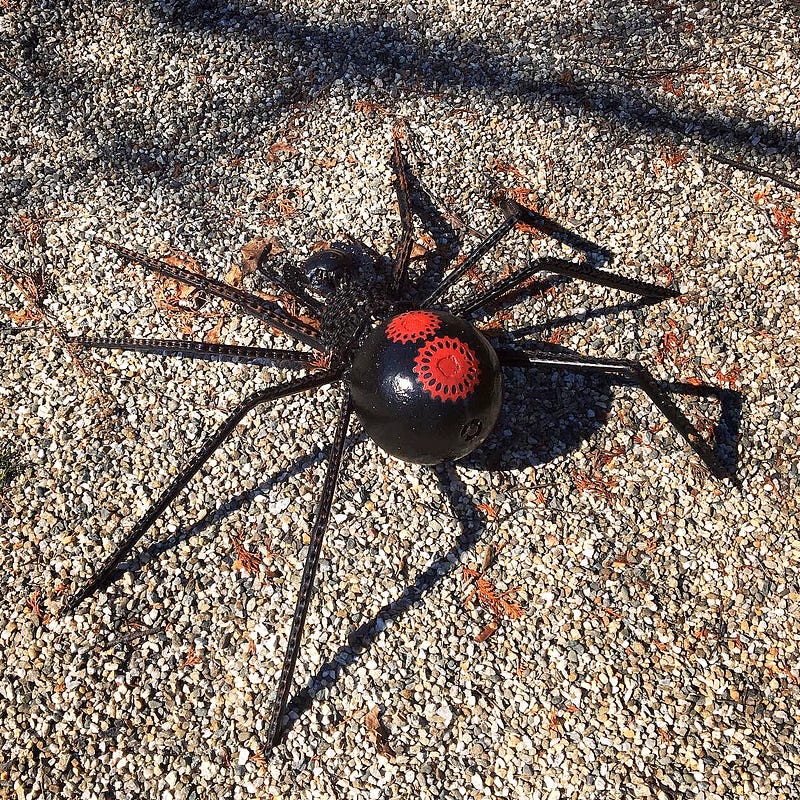
None of the spiders pictured above are venomous. My only photo of a poisonous spider shows a clever sculpture of a black widow seen at Three Sisters Sanctuary (a wonderful haven of art and nature).
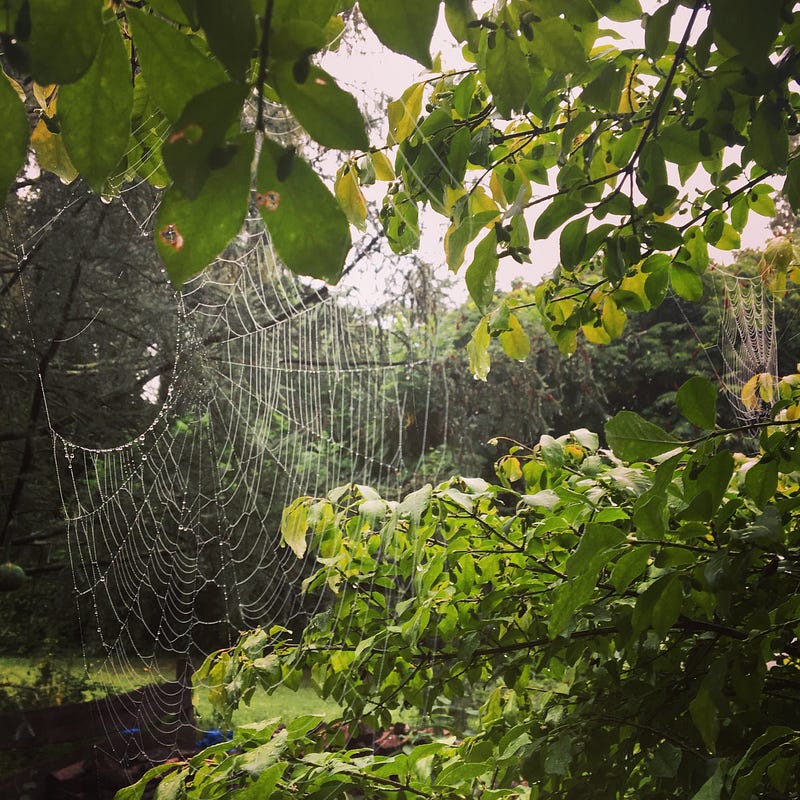
How do you feel about spiders? Even if you’re not a fan, perhaps you can appreciate their delicate silk webs. They capture the light just beautifully.
To close, I offer five interesting spider facts. There are dozens of similar lists across the internet, but I wanted to stick with the mostly (arguably) good things:
- For its weight, spider silk is stronger than steel.
- Jumping spiders can jump 50 times their own body length.
- One type of spider, found in Central America, is mainly vegetarian.
- While there are over 43,000 species of spiders in the world, only 30 are known to be venomous.
- Spiders are natural pest control — they eat lots of mosquitos! And they make excellent garden guests.
Many thanks to JoAnn Ryan for the creative photo-sharing challenge.
Join me on Medium: https://medium.com/subscribe/@mosslevel


