avatarGood Advice Publishing

Free AI web copilot to create summaries, insights and extended knowledge, download it at here

4328

Abstract

</figure></iframe></div></div></figure><h1 id="efda">What kind of protein?</h1><p id="c5cf">As Sehnert alludes, not all protein sources are the same. There are two types: complete and incomplete. Complete proteins are foods that contain all of the nine essential amino acids, which must be consumed in the diet through foods such as meat, fish, eggs and dairy products. Plant-based complete sources include soy, quinoa, chickpeas and pistachios. Incomplete proteins come from vegetables, fruits, beans, and other nuts. The diet pros recommend nutrient-dense, complete protein.</p><p id="ebca">“Regular complete protein intake is important both because protein is not easily stored in the body and because it can only be ingested through food. The body can’t manufacture those essential amino acids on its own,” said <a href="https://www.linkedin.com/in/joeyblake11/">Joey Blake</a>, head team nutritionist for the <a href="https://www.therams.com/">LA Rams</a>.</p><p id="0375"><a href="https://www.linkedin.com/in/jordan-mazur-ms-rd-53552028/">Jordan Mazur</a>, coordinator of nutrition for the <a href="https://www.49ers.com/">San Francisco 49ers</a>, agrees. “A good diet guideline overall is to choose foods that are nutrient dense. Pistachios are a good example. Not only are they a source of complete protein, but also contain powerful antioxidants, which can help reduce inflammation and aid in muscle recovery.”</p><figure id="6a3b"><img src="https://cdn-images-1.readmedium.com/v2/resize:fit:800/1*yjNjmPNMHNJIbUKflmXG4g.jpeg"><figcaption>Image by <a href="https://pixabay.com/users/EliasSch-3372715/?utm_source=link-attribution&amp;utm_medium=referral&amp;utm_campaign=image&amp;utm_content=2037255">Elias Sch.</a> from <a href="https://pixabay.com/?utm_source=link-attribution&amp;utm_medium=referral&amp;utm_campaign=image&amp;utm_content=2037255">Pixabay</a></figcaption></figure><h1 id="8cbb">How much protein?</h1><p id="1aa6"><a href="https://usctrojans.com/staff-directory/becci-twombley/145">Becci Twombley</a>, sports dietitian for the <a href="https://www.mlb.com/angels">Los Angeles Angels</a>, has a recommendation on the optimal amount of protein for people leading an active lifestyle. “To fight muscle loss and cell damage, try to get at least 20g of high-quality protein at each meal. High-quality proteins are complete proteins, or those that contain all of the essential amino acids and are minimally processed. If you aren’t getting enough at mealtime, go for healthy, high-protein snacks.”</p><p id="5583">Meat, eggs and fish might be the obvious choices at mealtime, but <a href="https://twitter.com/nige_diet_coach?lang=en">Nigel Mitchell</a>, head of nutrition for the <a href="https://www.ef.edu/">EF Education First</a> pro cycling team and author of <a href="https://www.amazon.com/gp/product/B08F3Q4WZ2/ref=as_li_tl?ie=UTF8&amp;camp=1789&amp;creative=9325&amp;creativeASIN=B08F3Q4WZ2&amp;linkCode=as2&amp;tag=ideapublishin-20&amp;linkId=e6b8ef8108df795f79008bb973c7041a">The Plant-based Cyclist</a>, said there are bodily benefits to plant-based protein sources even if one isn’t vegan or a vegetarian. “Adding pistachios, soy or quinoa a few times a day can aid in digestive health and in decreasing stress hormones as well. Whatever your taste in protein sources, make sure you get enough for your muscles and overall health. A physically active man weighing approximately 175 lbs. would need 96–128g of protein per day. A physically active woman weighing approximately 150 pounds would need 82–109g.” (BPT)</p><div id="b76c" class="link-block">
      <a href="https://medium.com/good-advice-publishing">
        <div>
          <div>
            <h2>Good Advice Publishing</h2>
            <div><h3>Basically, the Instruction Manual for Life….</h3></div>
            <div><p>medium.com</p></div>
          </div>
          <div>
            <div style="background-image: url(https://miro.readmedium.com/v2/resize:fit:320/1*XV6Jvvc4FGtT4FkdjGyYWw.png)"></div>
          </div>
        </div>
      </a>
    </div><h1 id="127a">More Health Articles from Good Advice Publishing</h1><div id="80a9" class="link-block">
      <a href="https://readmedium.com/a-simple-at-home-coronavirus-testing-solution-is-now-available-1d8459cc2492"

Options

        <div>
          <div>
            <h2>A Simple, At-home Coronavirus Testing Solution is Now Available</h2>
            <div><h3>Worried you may have COVID-19? Here’s what you can do</h3></div>
            <div><p>medium.com</p></div>
          </div>
          <div>
            <div style="background-image: url(https://miro.readmedium.com/v2/resize:fit:320/0*pVElvSj8CEgHsYJO)"></div>
          </div>
        </div>
      </a>
    </div><div id="bffb" class="link-block">
      <a href="https://readmedium.com/adhd-is-not-just-a-kid-thing-e92c1eb2947e">
        <div>
          <div>
            <h2>ADHD is Not Just a Kid Thing</h2>
            <div><h3>11 million adults have attention-deficit/hyperactivity disorder and only one in five are properly diagnosed</h3></div>
            <div><p>medium.com</p></div>
          </div>
          <div>
            <div style="background-image: url(https://miro.readmedium.com/v2/resize:fit:320/0*2DMTdHJ7r-5DOo5r)"></div>
          </div>
        </div>
      </a>
    </div><div id="6c49" class="link-block">
      <a href="https://readmedium.com/how-to-maximize-your-medicare-benefits-435a27b84869">
        <div>
          <div>
            <h2>How to Maximize Your Medicare Benefits</h2>
            <div><h3>5 tips for making the most of your Medicare plan this year</h3></div>
            <div><p>medium.com</p></div>
          </div>
          <div>
            <div style="background-image: url(https://miro.readmedium.com/v2/resize:fit:320/0*HpBnF9v8Zc7-rKm6)"></div>
          </div>
        </div>
      </a>
    </div><div id="167f" class="link-block">
      <a href="https://readmedium.com/mental-wellbeing-in-the-new-world-of-virtual-working-46eeba18ae3">
        <div>
          <div>
            <h2>Mental Wellbeing in the New World of Virtual Working</h2>
            <div><h3>A guide on how to tap into employer benefit resources in times of uncertainty</h3></div>
            <div><p>medium.com</p></div>
          </div>
          <div>
            <div style="background-image: url(https://miro.readmedium.com/v2/resize:fit:320/1*GGs-LkkCzl1e68LnOKVhlQ.jpeg)"></div>
          </div>
        </div>
      </a>
    </div><div id="7fa0" class="link-block">
      <a href="https://readmedium.com/5-tips-to-fight-sleep-deprivation-601fdcf7ac84">
        <div>
          <div>
            <h2>5 Tips to Fight Sleep Deprivation</h2>
            <div><h3>Here are a collection of proven lifehacks to get better sleep</h3></div>
            <div><p>medium.com</p></div>
          </div>
          <div>
            <div style="background-image: url(https://miro.readmedium.com/v2/resize:fit:320/1*sHny_mLO1iLHjCQWjtssSw.jpeg)"></div>
          </div>
        </div>
      </a>
    </div><div id="2766" class="link-block">
      <a href="https://readmedium.com/6-things-you-should-know-before-your-next-outpatient-procedure-e6622342b8f8">
        <div>
          <div>
            <h2>6 Things You Should Know Before Your Next Outpatient Procedure</h2>
            <div><h3>What you need to know and do to reduce the risks associated with any surgery</h3></div>
            <div><p>medium.com</p></div>
          </div>
          <div>
            <div style="background-image: url(https://miro.readmedium.com/v2/resize:fit:320/0*nDvqhXLd1BXOXKrD)"></div>
          </div>
        </div>
      </a>
    </div><div id="4424" class="link-block">
      <a href="https://readmedium.com/what-you-need-to-know-about-your-thyroid-a91b3d944bff">
        <div>
          <div>
            <h2>What You Need to Know About Your Thyroid</h2>
            <div><h3>Why many weight, sleep and mental health issues can often be glandular</h3></div>
            <div><p>medium.com</p></div>
          </div>
          <div>
            <div style="background-image: url(https://miro.readmedium.com/v2/resize:fit:320/0*rJ2-7ub1TkpUcxAR)"></div>
          </div>
        </div>
      </a>
    </div></article></body>

A how to guide for eating the right proteins to fuel your workouts

Protein Tips from the Pros

Exploring the Connection between Protein and Exercising
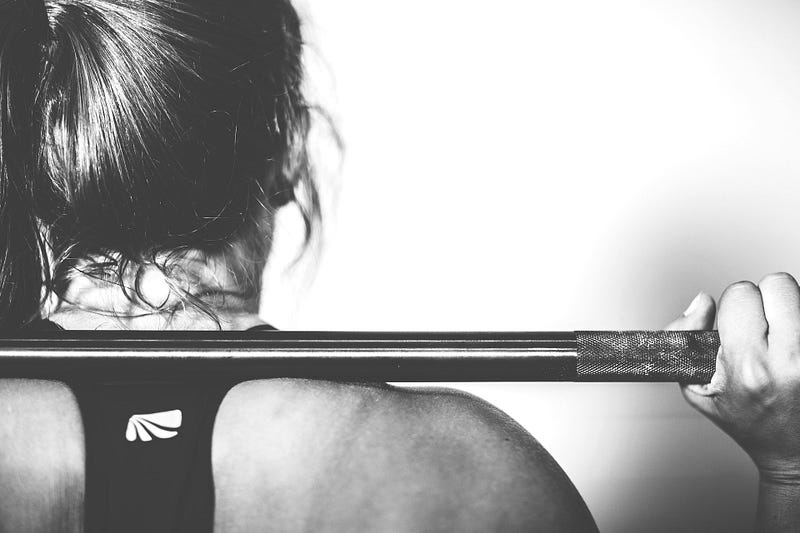
Image by Ichigo121212 from Pixabay

You’ve seen the ads or worked out next to that person in the gym, the “cut” weightlifter swilling a protein concoction or sharing recovery formulas with a buddy, and wondered if it’s something for you. The fact is protein is important for everyone who is doing any form of exercise — going for runs, playing sports, practicing yoga — not just bodybuilders. Leading professional sports dietitians from professional football, baseball and cycling lay out the connection between protein and physical activity.
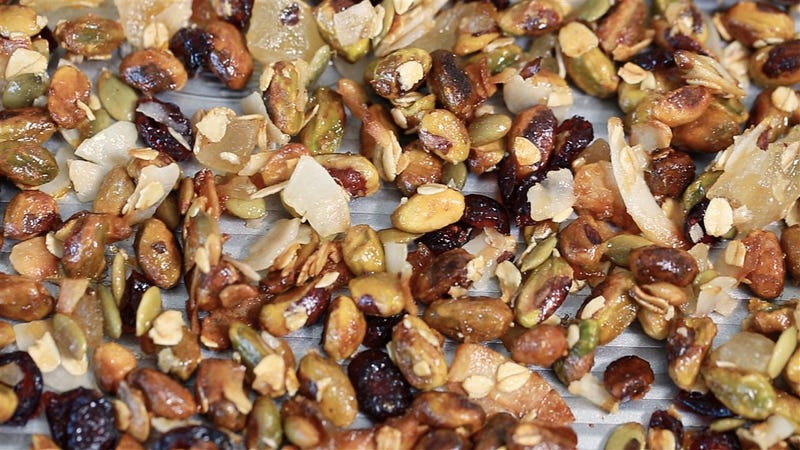
Image Courtesy of Brandpoint; Used with Permission

Why protein?

Athletes and generally active people alike need more nutrients than people who do not exercise regularly. These nutrients include carbohydrates, fat, vitamins, minerals and, yes, protein. Protein is vital for post-workout recovery as it helps repair, build and strengthen muscles and tissues, plus supports the immune system to defend the body against illness.

“When working with athletes, we are constantly trying to make sure they are consuming enough protein to help their bodies recover properly, and to stay healthy and lean,” said Bryan Snyder, director of nutrition for the Denver Broncos. “Protein is extremely important for anyone leading an active lifestyle. Not getting enough can increase the risk of injury, and if you do get injured, it’s going to prevent how long it takes to get back at it.”

When you exercise, you are effectively tearing and breaking muscle fibers apart, which then need to be repaired by the body, which requires protein.

“For muscles to optimally recover, to rebuild fully, we need to provide those muscles with amino acids, the building blocks of protein, in strategic times and amounts,” Scott Sehnert, director of sports performance and sports dietitian for the Dallas Cowboys, explains. “A piece of advice I give to anyone active is that, often, they need quality protein to really help their muscles recover.”

What kind of protein?

As Sehnert alludes, not all protein sources are the same. There are two types: complete and incomplete. Complete proteins are foods that contain all of the nine essential amino acids, which must be consumed in the diet through foods such as meat, fish, eggs and dairy products. Plant-based complete sources include soy, quinoa, chickpeas and pistachios. Incomplete proteins come from vegetables, fruits, beans, and other nuts. The diet pros recommend nutrient-dense, complete protein.

“Regular complete protein intake is important both because protein is not easily stored in the body and because it can only be ingested through food. The body can’t manufacture those essential amino acids on its own,” said Joey Blake, head team nutritionist for the LA Rams.

Jordan Mazur, coordinator of nutrition for the San Francisco 49ers, agrees. “A good diet guideline overall is to choose foods that are nutrient dense. Pistachios are a good example. Not only are they a source of complete protein, but also contain powerful antioxidants, which can help reduce inflammation and aid in muscle recovery.”

Image by Elias Sch. from Pixabay

How much protein?

Becci Twombley, sports dietitian for the Los Angeles Angels, has a recommendation on the optimal amount of protein for people leading an active lifestyle. “To fight muscle loss and cell damage, try to get at least 20g of high-quality protein at each meal. High-quality proteins are complete proteins, or those that contain all of the essential amino acids and are minimally processed. If you aren’t getting enough at mealtime, go for healthy, high-protein snacks.”

Meat, eggs and fish might be the obvious choices at mealtime, but Nigel Mitchell, head of nutrition for the EF Education First pro cycling team and author of The Plant-based Cyclist, said there are bodily benefits to plant-based protein sources even if one isn’t vegan or a vegetarian. “Adding pistachios, soy or quinoa a few times a day can aid in digestive health and in decreasing stress hormones as well. Whatever your taste in protein sources, make sure you get enough for your muscles and overall health. A physically active man weighing approximately 175 lbs. would need 96–128g of protein per day. A physically active woman weighing approximately 150 pounds would need 82–109g.” (BPT)

More Health Articles from Good Advice Publishing

Diet
Exercise
Workout
Nutrition
Fitness
Recommended from ReadMedium