
Important Patient Education on Preparing for Any Outpatient Surgery
6 Things You Should Know Before Your Next Outpatient Procedure
What you need to know and do to reduce the risks associated with any surgery

With nearly 50 million outpatient surgeries performed in the U.S. each year and the increasingly complex nature of the procedures, patients need to know several important details when having surgery without an overnight stay in the hospital. Updated fasting restrictions, removing jewelry to reduce the risk of burns and asking about regional blocks for non-opioid pain control when undergoing anesthesia are a few important factors that could lead to increased satisfaction and safer outcomes.
“Complex procedures like total knee replacement, cardiology procedures and spine surgery used to be done almost exclusively in hospitals, but now we have the ability to do them in an outpatient setting, which can include ambulatory surgery centers or in the hospital,” said Mary Dale Peterson, M.D., MSHCA, FACHE, FASA, president of the American Society of Anesthesiologists (ASA). “These settings are less expensive and now reimbursed by Medicare. As a result, even more elderly patients are able to have outpatient surgery.”
Since outpatient surgery is increasingly popular, it’s more important than ever to ensure patients have safe anesthesia care in all settings.
Here’s what you need to do to ensure a successful procedure and smooth recovery.
Check qualifications
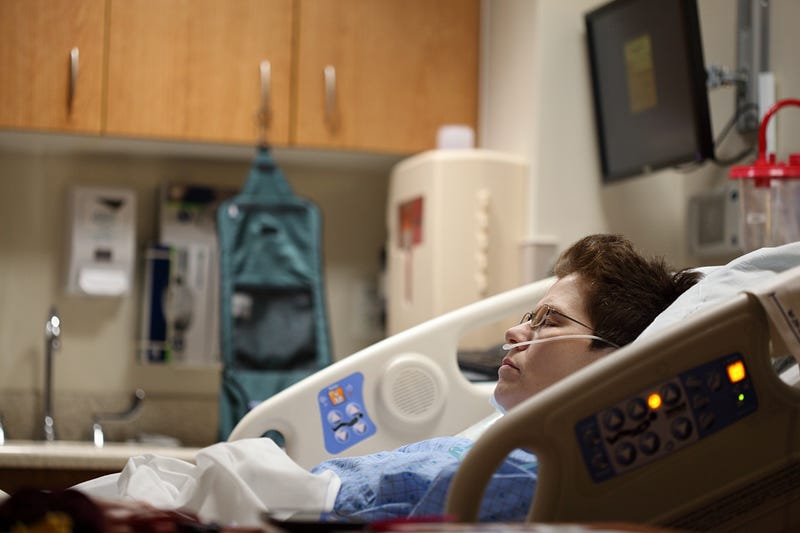
Before you schedule a procedure, be sure your anesthesia care will be led by a physician anesthesiologist, and that the other physicians and providers involved in your outpatient procedure are qualified. If your surgery is being performed in an ambulatory surgery center, it should meet the standards of quality care by a national accrediting organization such as The Joint Commission or Accreditation Association for Ambulatory Health Care. Also be sure to ask what emergency protocols the ambulatory center has in place.

Stop smoking
The healthier you are, the faster you recover. That includes being as active as possible, eating right and getting good sleep. Most importantly, stop smoking before surgery. Even a few days makes a difference and one month is better. Smoking increases the risk of complications after surgery. Decreasing those risks is even more important when recovering at home instead of the hospital, where care is readily available.
Learn about your anesthesia options
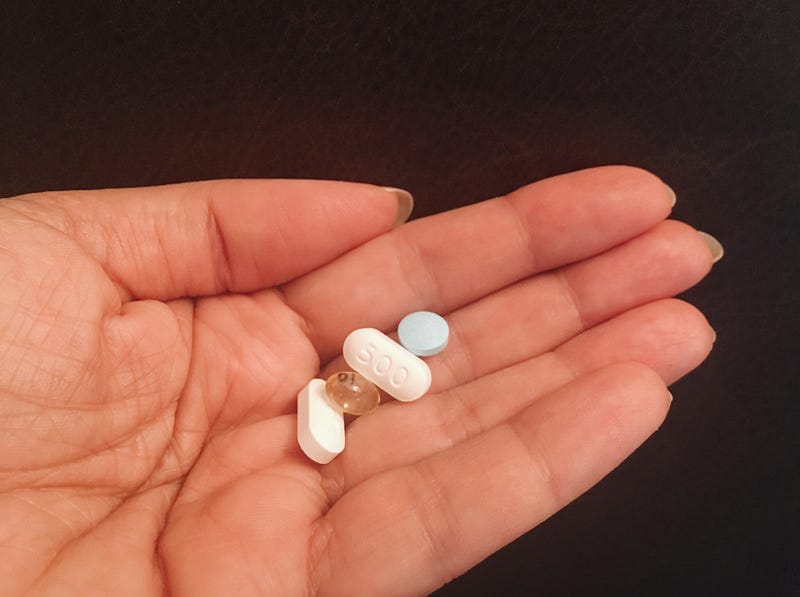
Before your procedure, talk with your physician anesthesiologist about some of the newer techniques, including local or regional anesthesia such as nerve blocks — instead of sedation or general anesthesia — to make recovery easier and benefit from the opioid-sparing pain relief they provide. Other alternatives to opioids also help ease pain during and after surgery without being addictive. Some patients go home with pumps that provide small amounts of pain-relieving medication when needed. Others may receive an anesthetic that works on a time-released basis to ease incision pain for several days. Let your physician anesthesiologist know if you have health issues that may affect anesthesia, such as sleep apnea, and if you have had nausea or vomited after previous procedures, or are especially anxious about surgery.

Ask when you should stop eating and drinking
People having outpatient surgery generally assume they must stop eating and drinking the night before surgery, but this is not always the case. Most patients can have clear liquids like water or black coffee up until two hours before their procedure unless they’re pregnant or if they have certain health conditions, such as diabetes or a gastrointestinal issue. Ask what you can eat and drink and how long before surgery you need to stop.

Remove permanent jewelry
Surgeons use electrical tools during procedures, including to make incisions, putting you at risk for burns if you are wearing jewelry — an issue some physician anesthesiologists report seeing during outpatient procedures. Ask whether you will need to remove your ear or nose rings, navel stud or other permanent jewelry.
Don’t go alone
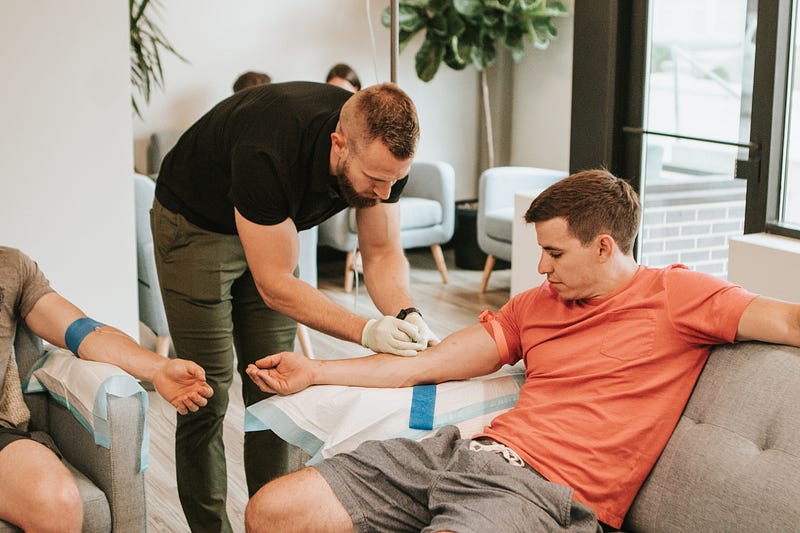
Be sure someone is available to drive you home from the outpatient facility and, ideally, stay with you afterwards.

Conclusion
Every surgery is different because each patient is different. Be sure to discuss these topics, as well as any issues or concerns you have, with your physician anesthesiologist before your outpatient surgery.
To learn more about outpatient surgery, visit https://www.asahq.org/whensecondscount/preparing-for-surgery/procedures/outpatient-surgery/ and review Preparing for Surgery: an Anesthesia Checklist. (BPT)
DISCOVER MORE GOOD ADVICE!
https://medium.com/good-advice-publishing
Want to Write for Good Advice Publishing?
https://readmedium.com/join-us-as-a-writer-for-good-advice-publishing-36098fc799e8
Trending Health Articles from Good Advice Publishing
https://readmedium.com/5-tips-to-fight-sleep-deprivation-601fdcf7ac84
https://readmedium.com/eat-what-you-love-drop-extra-pounds-99300211e985
https://readmedium.com/5-ways-to-keep-your-fitness-routine-on-track-b3401447b5d0
https://readmedium.com/who-doesnt-want-better-sleep-62fcbb5cde3b
https://readmedium.com/why-am-i-getting-migraines-7c013d66c7d8
https://readmedium.com/3-expert-tips-to-succeed-with-any-diet-routine-e541fbf2558c
https://readmedium.com/when-minutes-are-critical-the-answer-is-in-the-air-63850a4dcc97