
A Helpful How-To Guide for the International Students Living and Studying Abroad in Buenos Aires, Argentina
Some resources, hacks, and tips to make the most of your time abroad
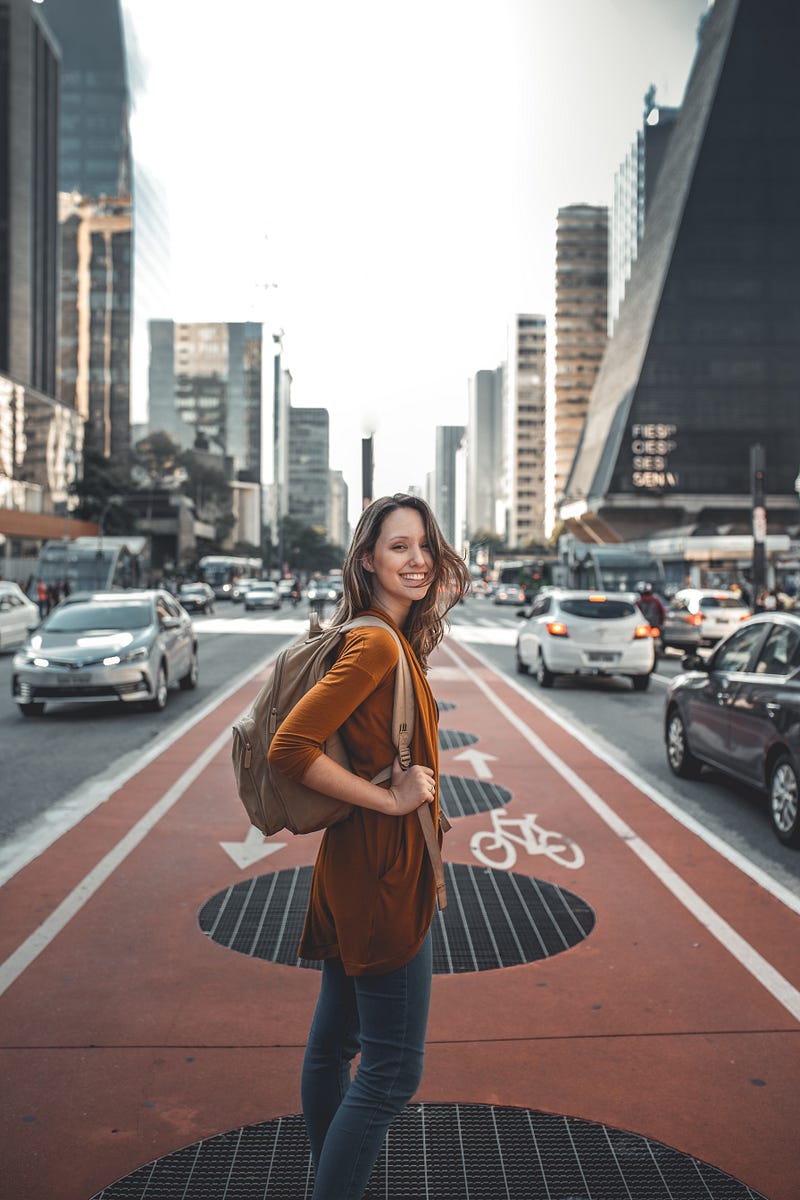
In 2022, I spent nine months studying at the University of Buenos Aires. During my time abroad, I came to learn many things that would’ve been helpful to know coming in.
In this story, I share the student resources, money hacks, and overall tips I wish I had known about when I arrived in Argentina so I could make the best of my trip.
Student Resources
Welcome Kit
Buenos Aires offers international students a Welcome Kit upon their arrival. The kit includes a phone SIM card, and a SUBE card to access public transportation. According to Study Buenos Aires’ website, students can request the kit seven days in advance to pick it up, and the kit offers discounts for 7–30 night stays and/or language lessons.
When I arrived in Argentina in March, there was a week-long shortage of SUBE cards. This made moving around the city difficult. I would’ve appreciated taking advantage of the Welcome Kit upon arrival.
Buenos Aires International Students (BAIS)
This NGO offers weekly social, athletic, and travel experiences for foreign students. It is a great resource for those new in town to connect with others and meet new people. You can also connect with them to get information about housing options.
Money Hacks
I’m not a financial advisor (disclaimer!), BUT if you have currency with greater value than Argentine pesos, exchanging money from a bank account or cash may be your best bet.
You can do this through WesternUnion or a casa de cambio, which will give you far better rates (e.g. blue dollar rate) than a bank or ATM (official rate).
Since WesternUnion’s and casa de cambios’ money exchanges multiply your money, you’ll get the most “bang for your buck” by paying everything with cash. That said, the Argentine government supposedly issued a regulation that gives tourists the blue dollar exchange rate whenever they use their credit or debit card.
Even when completing a bank transfer, I’d rather opt to transfer cash through an ATM, than use Wise (previously TransferWise).
For ways to pay locals in foreign currency — PayPal and Venmo work — assuming involved parties have accounts set prior to arrival in Argentina, and don’t change their bank account information while in Argentina.
If you’re comfortable bringing cash (in a currency with high value), make sure each bill has a brand-new quality and is for large quantities (e.g. $100 vs. $20 bills).
Study Tips
Places to Study
While most locals opt for cafes to study, the Centro Cultural Recoleta, Jardín Japonés, and the Biblioteca Nacional Mariano Moreno provide a great silent ambiance to sit down and read, write, or type as needed.
Places to Take Courses
Since Buenos Aires has an active cultural and arts scene, there are many places where one can study a variety of topics.
For instance, the Universidad de Buenos Aires provides free course offerings to the public. Other colleges provide paid extension courses. In case you’re interested in taking a class, contact the course’s professor to audit–if not enrolling.
If studying performing arts, there are many places where you can attend in-person or remote group/individual classes. The following are just a few of them, which were recommended or mentioned to me by fellow local artists in Argentina:
- Centro Cultural Rector Ricardo Rojas
- Centro Latinoamericano de Creación e Investigación Teatral (CELCIT)
- Escuela Raúl Serrano
- Timbre 4
- Teatro San Martín (Valeria Lynch and Thelma Biral schools)
- Teatro Colón
- Universidad del Cine (FUC)
- Escuela Municipal de Arte y Comunicación (EMAC)
For more information about course offerings and/or performing art events, you can check Alternativa Teatral’s website.
Entertainment
Alternativa Teatral is the best resource to access cultural and performing art events.
Great shopping places are Once, Abasto Shopping, Alto Palermo, and Galpón de Ropa.
My favorite libraries — besides the big-name ones — are La Coop Librería, La Librería de Ávila, and Antigua Librería Fray Mocho.
Are there any suggestions you’d give international students out there?
I am always excited to learn tips and hacks from fellow students and travel enthusiasts!

Follow The Orange Journal so you don’t miss a post. Do you love to write about self-improvement and personal development? Learn how to be added as a writer here. 🍊


