avatarDr. Deborah M. Vereen

Free AI web copilot to create summaries, insights and extended knowledge, download it at here

3915

Abstract

es, students ultimately perform at higher levels. Students will make better behavioral choices, too, because parents and teachers communicate more openly. Higher levels of support for the student at school and home results.</p><p id="5971">Finally, some school districts that educate a high percentage of diverse students periodically provide cultural competency training. More school districts need to do so more often to make sure educators interact with all parents appropriately.</p><h2 id="4ce3">Information for Parents</h2><figure id="9fc9"><img src="https://cdn-images-1.readmedium.com/v2/resize:fit:800/0*crG5CvAcXfXAt4gT"><figcaption>Photo by <a href="https://unsplash.com/@scoutthecity?utm_source=medium&amp;utm_medium=referral">Sai De Silva</a> on <a href="https://unsplash.com?utm_source=medium&amp;utm_medium=referral">Unsplash</a></figcaption></figure><p id="aab3">In order for parents to be able to successfully partner with their child’s educators, they must continuously engage in their child’s educational development from birth. Parents should expose their young children to unique learning opportunities each day. They should not wait until their children enroll in school so that a teacher assumes this responsibility. Additionally, parents must be a positive example in their child’s life. This includes teaching them appropriate behavior and social skills. Doing so will make a positive difference for the child and the overall classroom environment when the child begins school. Fewer disruptions in student learning and classroom instruction will result because of this.</p><p id="c6ef">It is important for parents to be receptive to educator efforts to connect with them by getting to know them. Despite their busy schedules and the haste each day brings, parents must also be willing to participate in training opportunities provided at school so they help their children become strong learners. This will also build their capacity to advocate for their children.</p><p id="7a75">Parents must respect all school personnel. The knowledge and skills that educators possess must be valued, too. Trust blossoms when mutual respect is established between teachers and educators. This will automatically cause engagement to expand.</p><p id="a88c">When concerns are presented to the parents by the school, conflict is greatly reduced because a strong relationship exists. Through teamwork, parents will seek to understand the problem and will work cooperatively to find solutions.</p><h2 id="f223">Conclusion: Get Ready to Take Action</h2><figure id="69d9"><img src="https://cdn-images-1.readmedium.com/v2/resize:fit:800/0*YgFBUKfZHZjNY8Wb"><figcaption>Photo by <a href="https://unsplash.com/@bradencollum?utm_source=medium&amp;utm_medium=referral">Braden Collum</a> on <a href="https://unsplash.com?utm_source=medium&amp;utm_medium=referral">Unsplash</a></figcaption></figure><p id="2a9b">Increasing family engagement in education is a significant issue that must be addressed in all schools with the greatest sense of urgency. It is essential for educators and parents to become more knowledgeable about this topic because it will increase student success. School personnel, parents, and community as well as religious leaders must advocate for greater accountability within school districts and schools to prepare teachers, principals, and other educators to build genuine partnerships with parents.</p><p id="7b5f">It is time to <i>ignite family engagement in education</i>.</p><p id="0441">Now that you took a peek at the topic of family engagement in education,</p><p id="1c6e" type="7">what are your thoughts?</p><figure id="62b1"><img src="https://cdn-images-1.readmedium.com/v2/resize:fit:800/0*nyz03urRcgzTOG_l"><figcaption>Photo by <a href="https://unsplash.com/@pro321?utm_source=medium&amp;utm_medium=referral">prottoy hassan</a> on <a href="https://unsplash.com?utm_source=medium&

Options

amp;utm_medium=referral">Unsplash</a></figcaption></figure><p id="0262">Thank you kindly for reading this story. If you enjoyed it, be sure to read some of the additional stories that I have written about family engagement in education. The links are shown below.</p><div id="a655" class="link-block"> <a href="https://readmedium.com/your-child-has-a-future-19205244ace2"> <div> <div> <h2>Your Child Has A Future</h2> <div><h3>Do not allow their current educational experience to cause you to lose faith</h3></div> <div><p>medium.com</p></div> </div> <div> <div style="background-image: url(https://miro.readmedium.com/v2/resize:fit:320/0*Fdp0TWtF-abo-fqJ)"></div> </div> </div> </a> </div><div id="d285" class="link-block"> <a href="https://readmedium.com/the-time-has-come-to-awaken-family-engagement-in-education-4213deba4aaf"> <div> <div> <h2>The Time Has Come To Awaken Family Engagement In Education</h2> <div><h3>“One of the greatest liabilities of history is that too many people fail to remain awake through great periods of…</h3></div> <div><p>medium.com</p></div> </div> <div> <div style="background-image: url(https://miro.readmedium.com/v2/resize:fit:320/0*j-fojuSZt6IdejhH)"></div> </div> </div> </a> </div><div id="7b0a" class="link-block"> <a href="https://readmedium.com/ten-ways-to-get-involved-in-your-childs-education-9ceb093c2caa"> <div> <div> <h2>Ten Ways To Get Involved In Your Child’s Education</h2> <div><h3>Even during the pandemic</h3></div> <div><p>medium.com</p></div> </div> <div> <div style="background-image: url(https://miro.readmedium.com/v2/resize:fit:320/0*wqK6VMYOXh-ITP2-)"></div> </div> </div> </a> </div><div id="3843" class="link-block"> <a href="https://dmauricev.medium.com/subscribe"> <div> <div> <h2>Get an email whenever Dr. Deborah M. Vereen-Family Engagement Influencer publishes.</h2> <div><h3>Get an email whenever Dr. Deborah M. Vereen-Family Engagement Influencer publishes. I invite you to read all my latest…</h3></div> <div><p>dmauricev.medium.com</p></div> </div> <div> <div style="background-image: url(https://miro.readmedium.com/v2/resize:fit:320/0*xSpxv4xdnhHPZOGO)"></div> </div> </div> </a> </div><p id="3f5b"><b>Here’s my golden ticket that helps me accomplish my mission.</b></p><p id="5496"><b>Dr. Deborah M. Vereen is a retired Teacher and School Administrator. Her website is <a href="http://www.drdeborahmvereen.com/">www.Drdeborahmvereen.com</a> and her YouTube Channel is</b></p><div id="dcc8" class="link-block"> <a href="https://www.youtube.com/channel/UCS1DPhBeA29UlybU9jzDkdQ"> <div> <div> <h2>Ignite Family Engagement with Dr. Deborah M. Vereen</h2> <div><h3>Welcome to the "Ignite Family Engagement Channel". My mission reflects all of my efforts to ignite family engagement in…</h3></div> <div><p>www.youtube.com</p></div> </div> <div> <div style="background-image: url(https://miro.readmedium.com/v2/resize:fit:320/0*t8668JPAareFOIZd)"></div> </div> </div> </a> </div><p id="0ab5"><i>Copyright </i>© <i>2020 Dr. Deborah M. Vereen. All rights reserved.</i></p></article></body>

PARENT INVOLVEMENT AND SCHOOL

A Glimpse at Family Engagement in Education

… just a quick peek

Photo by Dmitry Ratushny on Unsplash

Family engagement is a critical issue in education today. It refers to the mutual dedication, cooperation, and support that educators, parents, and other caregivers share as students are being educated. Whether the school is a traditional public, charter, faith-based, private, cyber, or independent facility, parents and educators must be determined to work together as a team to support the growth and development of children and youth.

The process of building genuine parent and school relationships requires effort. Educators need to take the lead in developing partnerships with parents and other family members who are caregivers. Families must also play an active role in building a strong alliance with school personnel.

There is specific information that both educators and parents need to be aware of to build robust levels of family engagement, especially in the struggling schools that need it the most.

Information for Educators

Photo by jose aljovin on Unsplash

Teachers, principals, and other school personnel need to realize the unique events that they organize to bring large numbers of families to the building typically reflect examples of parental involvement and participation. Sharing information about instructional and assessment programs, discussing student progress, and celebrating student success during special performances does not embrace the true meaning of family engagement.

Relationships will only be established with parents when educators accept every aspect of who they are unconditionally. Teachers and other school staff also need to hold parents in high esteem by honoring and respecting them. This fails to happen to a lot of culturally diverse parents because some educators lack cultural sensitivity. The harsh reality is that many multicultural parents are merely tolerated by some school employees. Regretfully, they are ultimately disrespected.

The best way for school staff to develop authentic partnerships with parents is by getting to know them and becoming familiar with their culture. School leaders must establish this as a high priority initiative so that improvements are made in this area. According to research, one of the best ways to build powerful authentic relationships with parents is by going into the communities where students reside to establish an interpersonal connection with them.

Some popular examples of this include making home visits and meeting with the parents where they are most comfortable like in a local coffee shop or restaurant. It may also include something like spending time with the family at a place of worship. Some educators may even be invited into homes for a meal when they reach out to the parents of their students for the sake of relationship building.

Once the spirit of collaboration between the educator and parents is established, schools must develop parent training programs. This will empower families to work more extensively with them. As family engagement increases, students ultimately perform at higher levels. Students will make better behavioral choices, too, because parents and teachers communicate more openly. Higher levels of support for the student at school and home results.

Finally, some school districts that educate a high percentage of diverse students periodically provide cultural competency training. More school districts need to do so more often to make sure educators interact with all parents appropriately.

Information for Parents
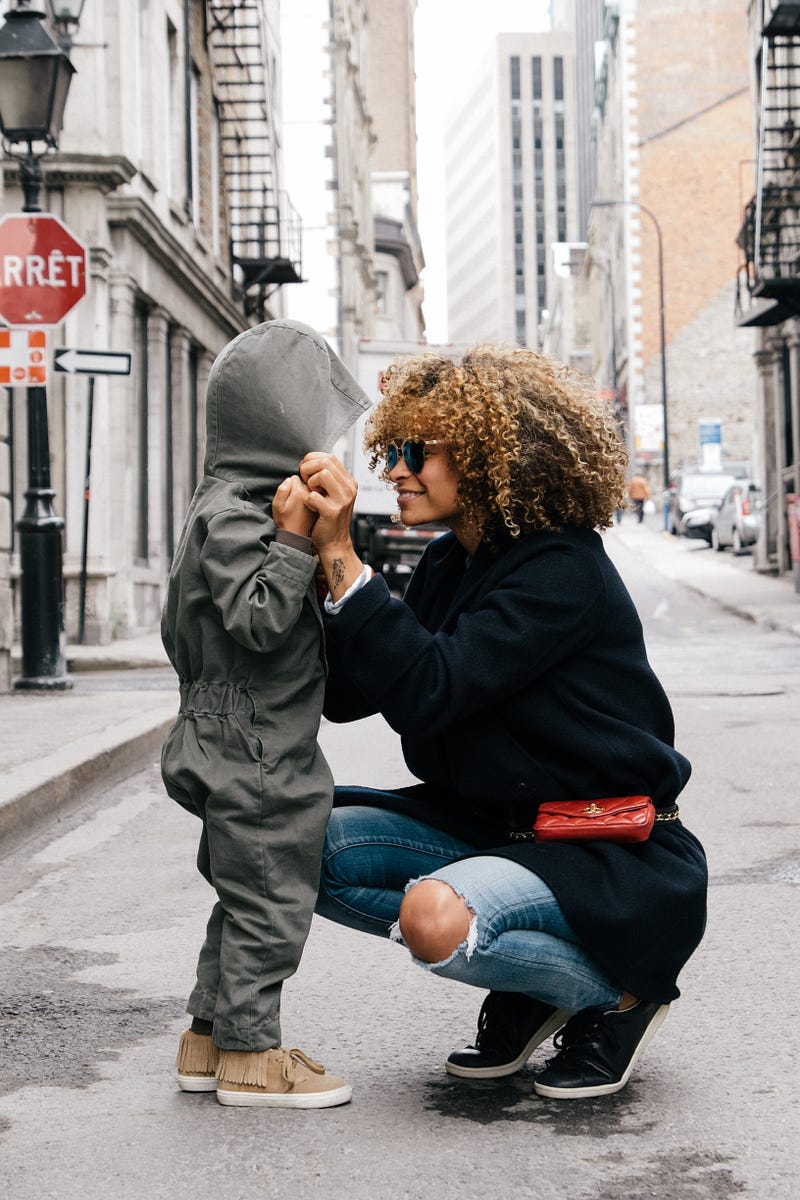
Photo by Sai De Silva on Unsplash

In order for parents to be able to successfully partner with their child’s educators, they must continuously engage in their child’s educational development from birth. Parents should expose their young children to unique learning opportunities each day. They should not wait until their children enroll in school so that a teacher assumes this responsibility. Additionally, parents must be a positive example in their child’s life. This includes teaching them appropriate behavior and social skills. Doing so will make a positive difference for the child and the overall classroom environment when the child begins school. Fewer disruptions in student learning and classroom instruction will result because of this.

It is important for parents to be receptive to educator efforts to connect with them by getting to know them. Despite their busy schedules and the haste each day brings, parents must also be willing to participate in training opportunities provided at school so they help their children become strong learners. This will also build their capacity to advocate for their children.

Parents must respect all school personnel. The knowledge and skills that educators possess must be valued, too. Trust blossoms when mutual respect is established between teachers and educators. This will automatically cause engagement to expand.

When concerns are presented to the parents by the school, conflict is greatly reduced because a strong relationship exists. Through teamwork, parents will seek to understand the problem and will work cooperatively to find solutions.

Conclusion: Get Ready to Take Action

Photo by Braden Collum on Unsplash

Increasing family engagement in education is a significant issue that must be addressed in all schools with the greatest sense of urgency. It is essential for educators and parents to become more knowledgeable about this topic because it will increase student success. School personnel, parents, and community as well as religious leaders must advocate for greater accountability within school districts and schools to prepare teachers, principals, and other educators to build genuine partnerships with parents.

It is time to ignite family engagement in education.

Now that you took a peek at the topic of family engagement in education,

what are your thoughts?

Photo by prottoy hassan on Unsplash

Thank you kindly for reading this story. If you enjoyed it, be sure to read some of the additional stories that I have written about family engagement in education. The links are shown below.

Here’s my golden ticket that helps me accomplish my mission.

Dr. Deborah M. Vereen is a retired Teacher and School Administrator. Her website is www.Drdeborahmvereen.com and her YouTube Channel is

Copyright © 2020 Dr. Deborah M. Vereen. All rights reserved.

Education
Parenting
Teaching
Family
School
Recommended from ReadMedium