
A Foul-Smelling Witness
It has been left to die
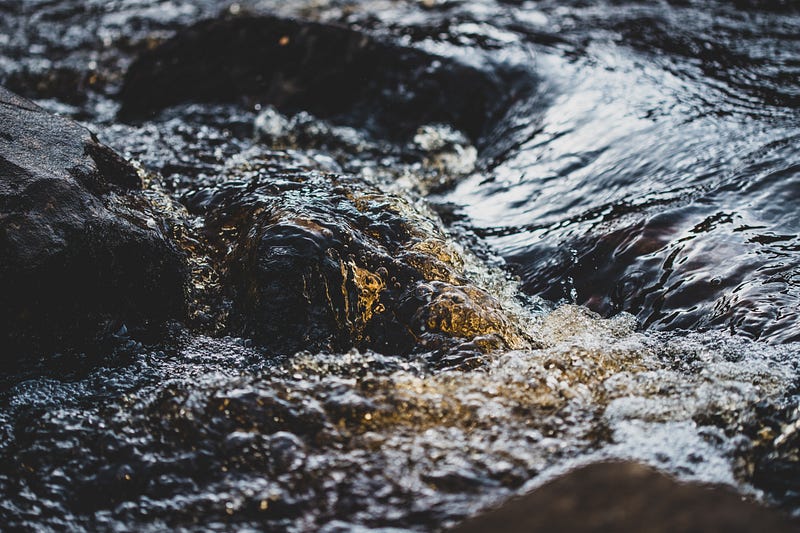
A foul-smelling witness meanders through the valley — the Bagmati, a once sacred river. Today, it’s no more than lifeless, seeping black-brown sewage. A large water treatment plant is currently under construction on its southern banks — a desperate attempt to turn the tragic broth into something useable in the future.
City sounds penetrate the concrete jungle. The chiming of a temple bell can be distinctly caught from afar. Otherwise, it’s surprisingly calm in this part of the populated and battered Kathmandu valley in Nepal.
My heart is bleeding at the dilapidated state of this river; my nose is creasing at its wretched stench. It relentlessly toils away — a once divine stream. Glamor and glory, home of a millennia-old corpse-burning culture — faint reminders of long bygone days.
Dumping implies out of sight. Still.
Poor people may still not be aware or simply can’t bother that their waste, excreta, and ashes pile up elsewhere. In a country where the government has been running hygiene campaigns for decades. To little or no effect. But even if the city dwellers were more conscious, there’s little scope, particularly for those who barely make a living.
Those who squat on its banks in makeshift shacks and have to survive its putrid stench and perilousness day in, day out.
Because their ever-changing governments have been incapable or unwilling to design lasting and worthy solutions.
Today, the Bagmati is one of humanity’s greatest disgraces. Myriads of colored polythene bags are jumbled on its ravished banks, sadly swaying in the wind. Outlawed years ago in Kathmandu with a big roar, the plastic sin is back again in full swing.
The Bagmati hardly carries any water. Gone are the times when on hot summer days, locals would enjoy a refreshing dive into the cooling stream. Years ago, cattle and water buffaloes could still be spotted grazing and feeding in their meanders. Even these creatures no longer dare to come close.
The city is bursting at the seams and paying a horrific price.
Tons of sewage — mostly unfiltered — relentlessly slide into the dark Bagmati chasm. From here, the toxic broth sluggishly moves westward, joining other streams. At some point, the color becomes more saturated. Goes from black-brown to a friendlier hue. Or the rainy season — a godsent — washes away the remains of a life governed by plastic, wastes, and toxic substances.
The Holy Bagmati is a foul-smelling witness of failed politics and growing disinterest.
For decades, the international aid, flowing lavishly into the country, has ignored the Bagmati and its rescue. It has simply been neglected and left to die miserably. Those who can move away, those who can’t, stay. The little that the river still holds will one day dry up and wither away.
The Bagmati is a sad reflection of a disastrous inhumane miscarriage that began a long time ago. Not only here in Nepal. Failed policies, entangled responsibilities, unscrupulous authorities, ignorant citizens.
A once thriving stream that has no chance to survive without a radical turnaround. It has been abused and polluted; deprived of its birthright, its natural dignity and beauty.
And while I mourn on its foul-smelling shores, I wonder how little progress we humans have made, how irrational we’ve become, how painfully ignorant of our nature — the most unique offering of all times.
Our guardian, our mother, our future, our blessing.
If we can’t guard a sacred river, how are we possibly going to save ourselves?
Thank you for reading.
If you want to read more of my writings, be sure to check out the following ones.
You can share your outstanding stories and inspire others. Just click the below image and be a writer for The Masterpiece.
