
A FILM TO REMEMBER: “SERPICO” (1973)
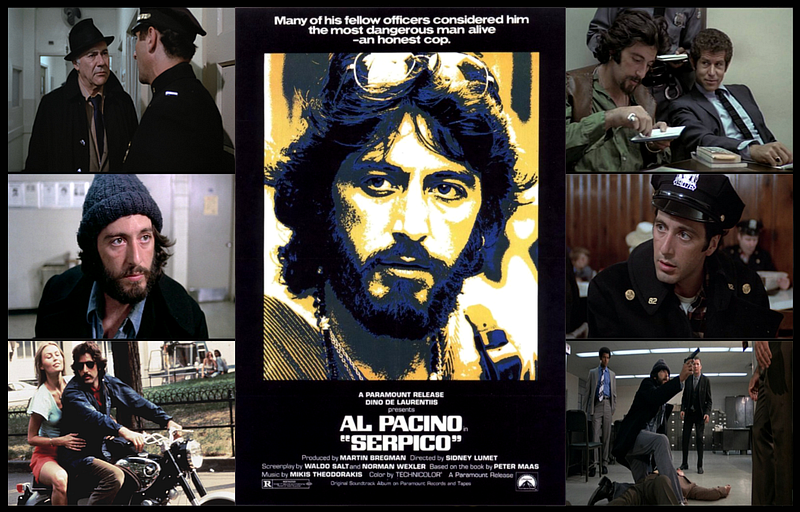
Before I get into this, I want to make mention “A FILM TO REMEMBER” will be a series about films that have reached a milestone anniversary since their origin in being culturally, historically, or aesthetically significant. The articles will contain the film’s plot outline, director, cast, a compilation of trivialities, various photos, movie trailer, critical reception and more. So, let’s start:
We are here to mark the celebration of the 45th Anniversary of Sidney Lumet’s “Serpico”. Let’s take an inside look at the film:
PLOT OUTLINE:
Frank Serpico is an honest and counter-culture New York officer who realizes he’s one of the few on the force not on the take. He blows the whistle on rampant corruption in the force only to have his comrades turn against him, while putting his life in danger by going to higher authorities.
STUDIO:
Paramount Pictures
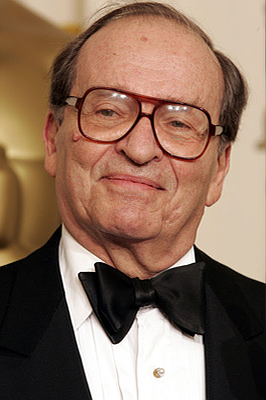
DIRECTOR:
Sidney Lumet
CAST:
- Al Pacino … Frank Serpico
- John Randolph … Chief Sidney Green
- Jack Kehoe … Tom Keough
- Biff McGuire … Captain Inspector McClain
- Barbara Eda-Young … Lauria
- Cornelia Sharpe … Leslie
- Tony Roberts … Bob Blair
- Allan Rich … District Attorney Herman Tauber
- Albert Henderson … Peluce
- Joseph Bova … Potts
- Woodie King Jr … Larry
- James Tolkan … Lieutenant Steiger
- Bernard Barrow … Inspector Roy Palmer
- Nathan George … Lieutenant Nate Smith
- M. Emmet Walsh … Gallagher
GENRE(S):
Biography | Crime | Drama | Thriller
TAGLINE:
Many of his fellow officers considered him the most dangerous man alive — An honest cop.
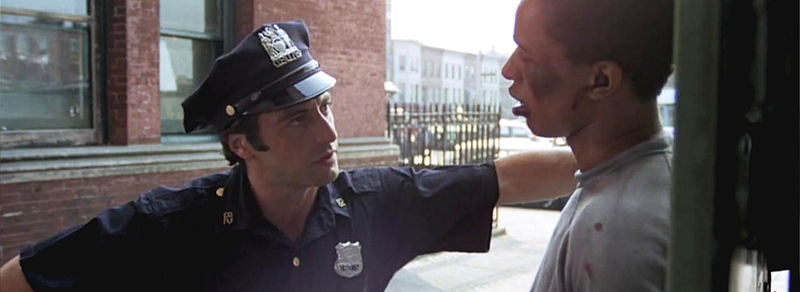
The film is known being one of the most courageously stalwart and socially pressing character-driven biopics in being a criterion of its genre, all the while, asking importantly thought-provoking questions but in addition, its memorable for setting the stylization of American crime dramas in the 1970s with its gritty tonality look at street-level law enforcement and a realistic portrait of procedure and systemic failure. Director Sidney Lumet respectfully narrates an eleven-year experience of raw truths and disclosures with sophistication and temperance, resisting the perpetual opportunities to flounder while establishing his approach for intelligent, gritty, modern crime dramas that have become textbook in the genre, as it’s all bolstered by an admirably authentic cast led by Al Pacino with a tour de force depiction in this tenacious, penetrating, stylized and engrossing paradigmatic benchmark. The film is based from Peter Maas’s biography of NYPD officer Frank Serpico of the same name, it received mostly solid praise though had some specific criticism against it but nevertheless, it has become a cinematically transcendent genre defining classic.
Here’s what some of the critical receptions have been for the film over the years:
Variety Staff from Variety says: “‘Serpico’ is based on the actual experiences of an honest NY policeman who helped expose corruption. Al Pacino’s performance is outstanding. Sidney Lumet’s direction adeptly combines gritty action and thought-provoking comment.”
TV Guide Staff from TV Guide says: “When all is said and done, Pacino is the riveting presence that makes the movie work and it is difficult to imagine any other actor in the part.”
Jay Cocks from TIME Magazine says: “Wonderful potential, and wasted. ‘Serpico’ has some brutal surface flash and an acetylene performance by Al Pacino in the title role, but its energy is used to dodge all the questions it should have raised and answered.”
Benjamin Strong from Village Voice says: “Sidney Lumet’s biopic of Frank Serpico, the virtuous cop who exposed a network of graft in the NYPD, feels depressingly relevant.”
Don Druker from Chicago Reader says: “A virtuoso performance by Al Pacino and some expert location work by Sidney Lumet add up to a tour de force genre piece that transcends the super cop conventions to create a moving, engrossing portrait of Frank Serpico.”
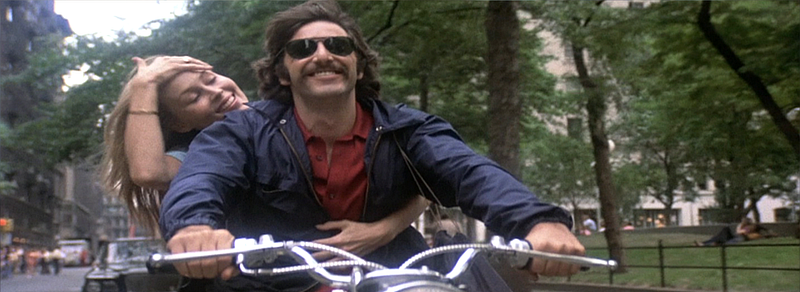
As you can tell by the critical reactions, the film was allotted much praiseworthy but some pundits claim that it skims over the surface of its tale, in dodging questions it should have raised and answered, however, Lumet uses his resourcefulness in this candid and gritty police exposé in this quintessential 1970s New York feature. The film juxtaposes the systematic police graft and takes it beyond the realm of a cop-corruption drama as it’s imbued with virtuously ethical and even religious dimensions that’s anchored with a solid troupe of performers that’s driven by Pacino with a riveting presence and a powerful turning act in this imperatively stirring, morbidly fascinating, audaciously moving and intensely raw of a criminally thrilling, whistleblower showpiece. But I’ll let you decide…
So, to get a better look at the film, here’s a link to the movie trailer of Sidney Lumet’s “Serpico”:
Here I have provided 12 interesting and intriguing trivia facts (I wanted to keep it limited) about “Serpico”:
- The film ends with an epilogue that says, “Frank Serpico resigned from the Police Department on June 15,1972. He was awarded the Medal of Honor for conspicuous bravery in action. Serpico is now living somewhere in Switzerland.” Serpico discovered he didn’t like Switzerland, and returned to the US. As of 2015 he was living on a small farm in upstate New York and working as a guest lecturer at police academies across the US.
- Al Pacino has considered this film to be one of his greatest achievements as an actor.
- The film was shot in reverse order. Al Pacino began with long hair and a beard, then for each scene, his hair and beard were trimmed bit by bit until he became clean-cut.
- After he decided to make the film, Al Pacino invited Frank Serpico to stay with him at a house that Pacino had rented in Montauk, NY. When Pacino asked Serpico, “Why did you do it?” Serpico replied, “Well, Al, I don’t know. I guess I would have to say it would be because if I didn’t, who would I be when I listened to a piece of music?”
- After spending a lot of time with Al Pacino as he prepared for the role, the real Frank Serpico wanted to remain on the set during filming. Producer Martin Bregman said he had to hurt Serpico’s feelings and ordered him to leave because he believed that his presence would prove a distraction.
- According to director Sidney Lumet, Al Pacino always needed to be in the character’s state of mind in any given scene and could not shed that state off camera, so he behaved accordingly at all times, either happy, joking and laughing for a lighthearted scene or angry and lashing out at everyone if the scene they were working on called for that behavior.
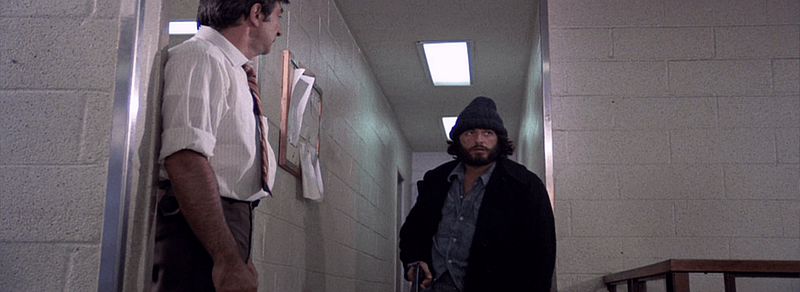
- The film was shot at 104 different locations in every borough of New York City except Staten Island.
- The film was scheduled to open by Christmas. That left 4–1/2 months for shooting, editing and mixing, an “insanely short time” in Sidney Lumet’s estimation. Therefore, the editing had to take place during filming. Without the luxury of time, it was necessary to finish shooting a scene and rush it to editor Dede Allen, who had to cut the footage within 48 hours and have it ready for delivery to the sound department. Because of the circumstances, after the production, associate producer Roger Rothstein gave Sidney Lumet high marks as “a tremendously organized director” who was able to motivate everyone to do as many as 35 set-ups in a single day.
- Sidney Lumet was pleased with the cooperation of the NYPD, especially in light of the subject matter and the proximity in time to the actual events depicted in the movie. Two officers were directly assigned to the movie, and Lumet wondered what their reaction would be. “As soon as they saw the truth we were going for, how it was not a Hollywood version, they not only weren’t a problem, they more actively helped,” he noted.
- Sidney Lumet liked to do very simple things on the first day of shooting, like basic entrances and exits, to let actors and crew get used to each other and make them aware that things will move very quickly. He will often shoot just a single take and move quickly to another set-up. He said this process also helps to spot weak links in his team. The first day on this film he worked at three different, fairly far-flung locations. Al Pacino was initially stunned, especially after coming off the methodically low, deliberate process of “The Godfather” (1972), but he and the rest of the cast soon learned that this fast pace had the benefit of keeping the inner tension of the narrative and the characters alive.
- Before shooting began, Sidney Lumet and the production company had to cast 107 speaking parts. They decided to use mostly unknown actors. Lumet said the best way to strengthen the sense of reality was not to use actors for whom audiences had a lot of previous associations. Even Al Pacino, despite his high exposure in “The Godfather” (1972), was still relatively new.
- The film was first planned as a star vehicle for Paul Newman and Robert Redford, following their success in “Butch Cassidy and the Sundance Kid” (1969). Redford was to play Frank Serpico and Newman was to play his lawyer friend David Durk (a character renamed “Bob Blair” in the final film, where he is played by Tony Roberts).
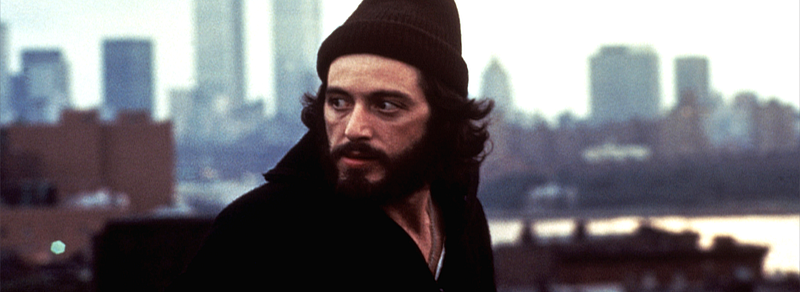
To conclude, Sidney Lumet’s “Serpico” is an all-consuming, immediate depiction of 1973 New York about a noteworthy record of one man’s rebellion taken against the sort of sordid and, cheap and dirty that has affected so much American life, from the ingredients of its nourishments to the ethics of its civil servants and politicians. Sidney Lumet effectively creates a finely crafted if disheartening characteristic study exposé with its use of a real sense of time and place, adeptly absorbing a blend of tense emotional drama, rapid scene changes and piercing social commentary of a hard-hitting proclamation for ethical cops with their upright behavior and taking the morally justifiable path no matter the consequences. The film is gripping, marked by a whistleblowing exposé that contains a zeal for honesty and impartiality, but its threatened by escalating reactions of suspicion, harassment and dangerous threats through a street-level, decade tracking of NYPD change — and refusal to change — through an episodic, often excessive economical structure, that’s buoyed by fine displaying acts that’s fronted by Al Pacino through a ferocious and career changing performance in this undercover make-shift in a gritty, intelligent, stimulating and character-driven slice of a precedent cinematic gem.
NOTE: The article contains sources from IMDb and Wikipedia.
Follow me and check out other articles of mine: