avatarSteve Beller, PhD

Summary

The provided web content discusses the concepts of the mind and mindset, emphasizing their role in shaping human experience and behavior.

Abstract

The article delves into the definitions of 'mind' and 'mindset,' describing the mind as the seat of consciousness that processes experiences through the brain, nervous system, and sensory organs. A mindset is presented as a mental framework that structures our cognitive processes, influencing how we perceive, think, and feel in response to our environment. It encompasses a range of mental activities, including perceptions and thoughts, and is shaped by memory, language, reasoning, and personal beliefs. Mindsets are also linked to emotions and behavioral patterns. The article acknowledges the diversity of mindsets, which can vary based on individual circumstances, goals, experiences, and values, and suggests that understanding these differences is crucial for personal development and interpersonal relationships.

Opinions

  • Mindsets are seen as influential in processing information and can be either beneficial or detrimental to an individual's life.
  • The article implies that mindsets are not static and can be altered or developed through awareness and effort.
  • There is an underlying belief in the power of mindsets to significantly impact personal well-being and societal interactions.
  • The author likely advocates for the study and application of mindset theory as a means to improve the quality of life.
  • The inclusion of external links suggests that the author values comprehensive exploration of the topic and encourages readers to further their understanding through additional resources.
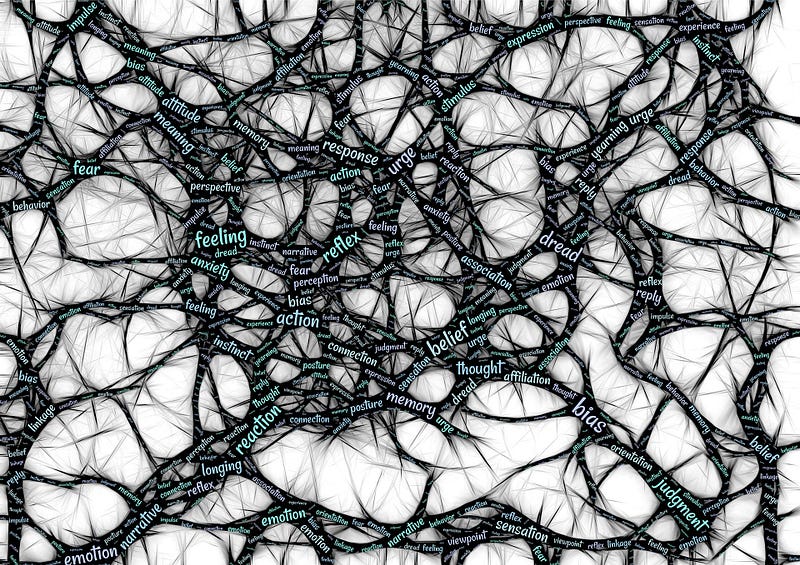
Image by John Hain from Pixabay.jpg

Definitions of MIND and MINDSET

The Foundation of our Experiences

A Mind is a concept that defines the functions of consciousness that enable and process the elements of experience which are mediated by the brain, nervous system, and sensory organs.

A Mindset is a cognitive (mental) framework that’s “installed” in our minds to help us process every single piece of information that we receive from our surroundings. It includes the mental activities/functions of cognition comprised of:

  • Perceptions are an aspect of subjective sensory-based experience that includes awareness, recognition, discernment, and the comprehension/understandings of internal and external sensations/stimuli; they can be illusionary, imaginary, or objectively verifiable.
  • Thoughts are non-spoken (nor written) verbal expressions (“internal dialogue”) and/or visual images (in the “mind’s eye”) that emerge via memory processing, linguistic processing, reasoning, beliefs, judgments/measurements/appraisals/biases, heuristics, and internalized rules/models, imagination, etc.

Mindsets also have associated emotions and behavioral tendencies.

There are many types of mindsets related to different conditions/situations, goals & objectives, personal experiences, and values, etc.

For more about mindsets: https://stevebeller.medium.com/how-the-power-of-mindsets-can-build-up-or-tear-down-peoples-lives-3375789297d1 https://stevebeller.medium.com/people-appraisal-mindset-badbaa55d1b9 https://stevebeller.medium.com/mindset-types-7dc6be5315da https://readmedium.com/fundamental-connectedness-differences-and-human-survival-f7d51426e270

Mindset
Experience
Cognition
Culture
Perception
Recommended from ReadMedium