
TRAVEL/PHOTOGRAPHY/CULTURE
A Day of Discovery in Arab Street, Singapore’s Historic Muslim Quarter
Singapore Diaries: Inspiring Travel Through Photography
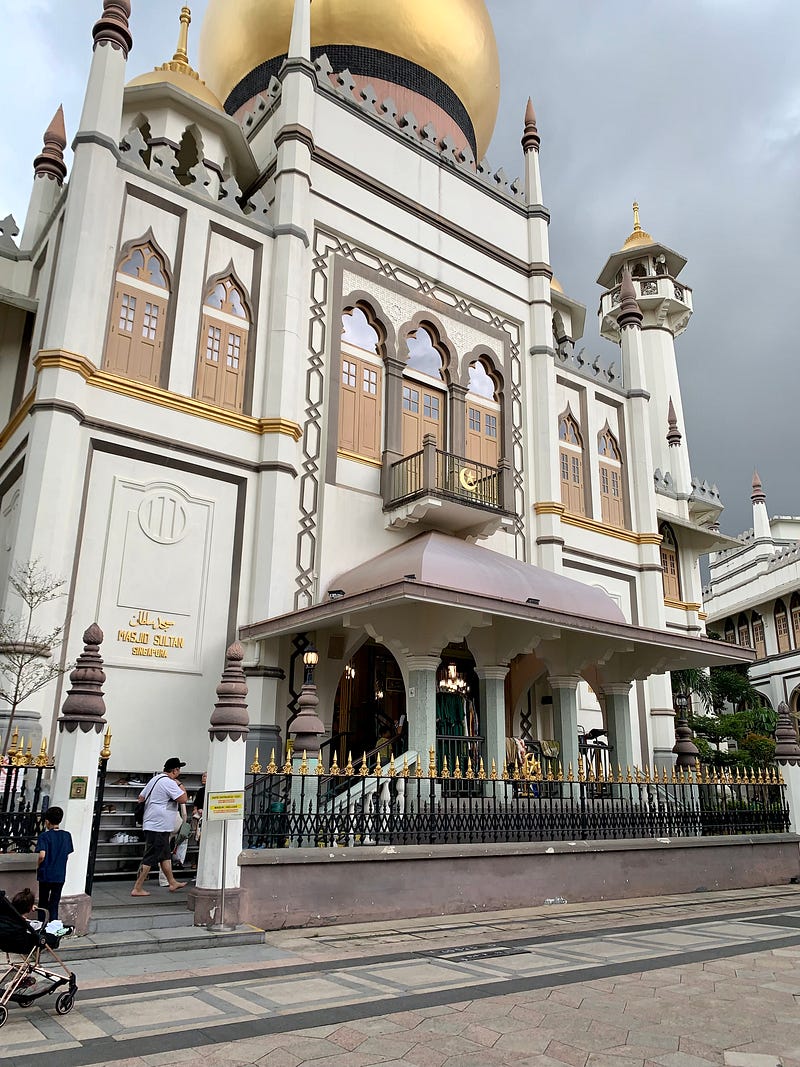
“What we have to learn from Singapore is multiculturalism or clearly having the aspect of a global city.” — Park Won-soon
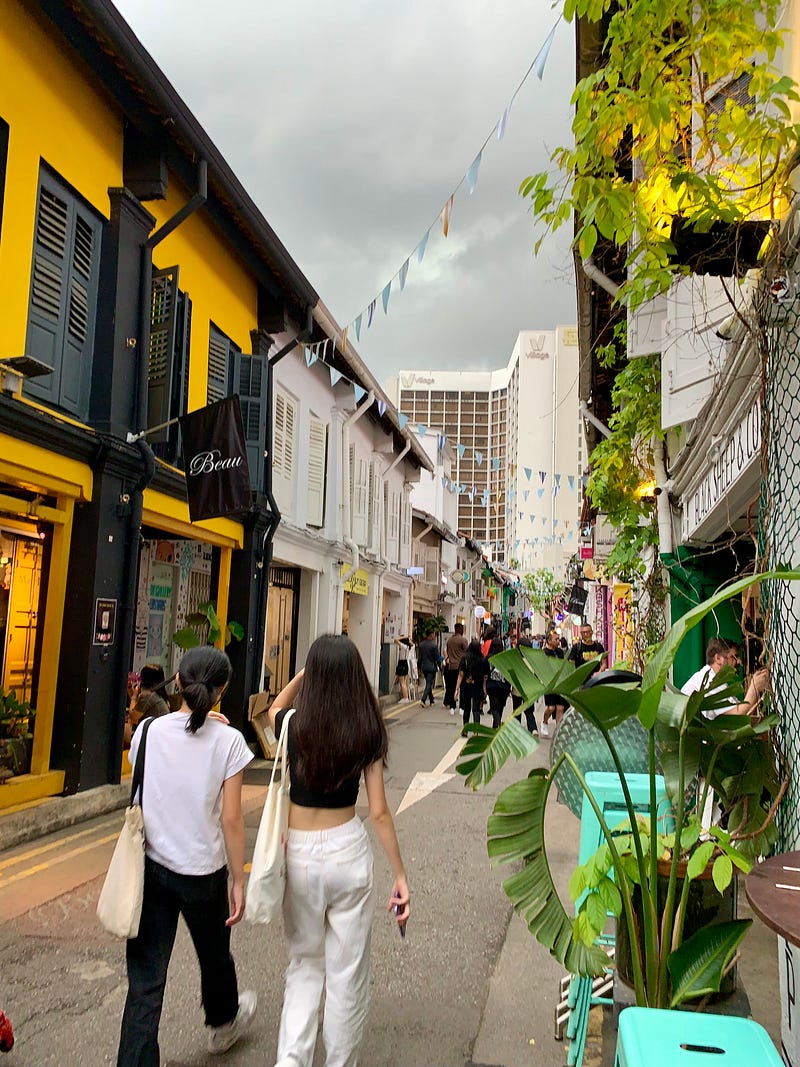
In November 2023, while on a trip to Singapore with my family, we had a great time exploring the colorful Arab Street in Kampong Glam.
Per CNN:
“Rather than just one road, Arab Street actually refers to the area including Bussorah Street, Haji and Bali Lanes and Muscat Street. Part of the culturally rich Kampong Glam heritage trail, Arab Street — surrounded by brightly colored fabrics and textiles, hand-knotted Persian rugs and aromatic Arab teas — is Singapore’s Muslim quarter.”
As the smallest ethnic enclave, it captivated us with its distinctive architecture, dominated by the iconic Masjid Sultan Mosque. The mosque, Singapore’s largest, attained national monument status in 1975, with a history dating back to 1824.
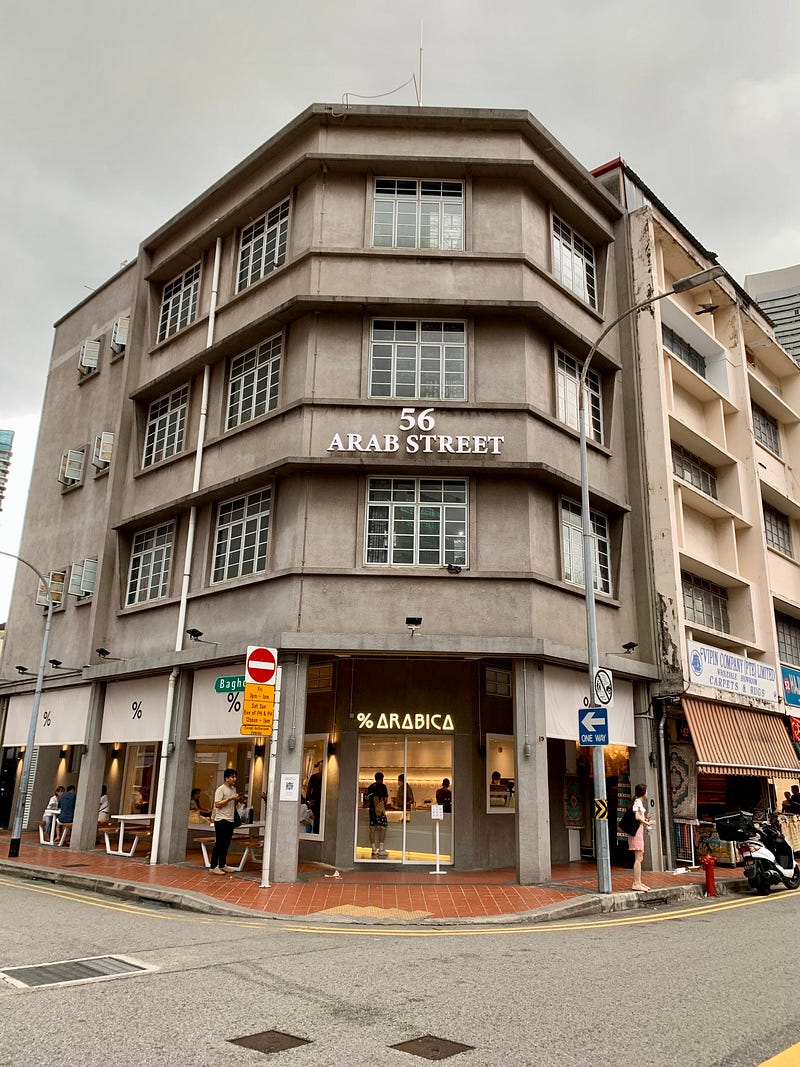
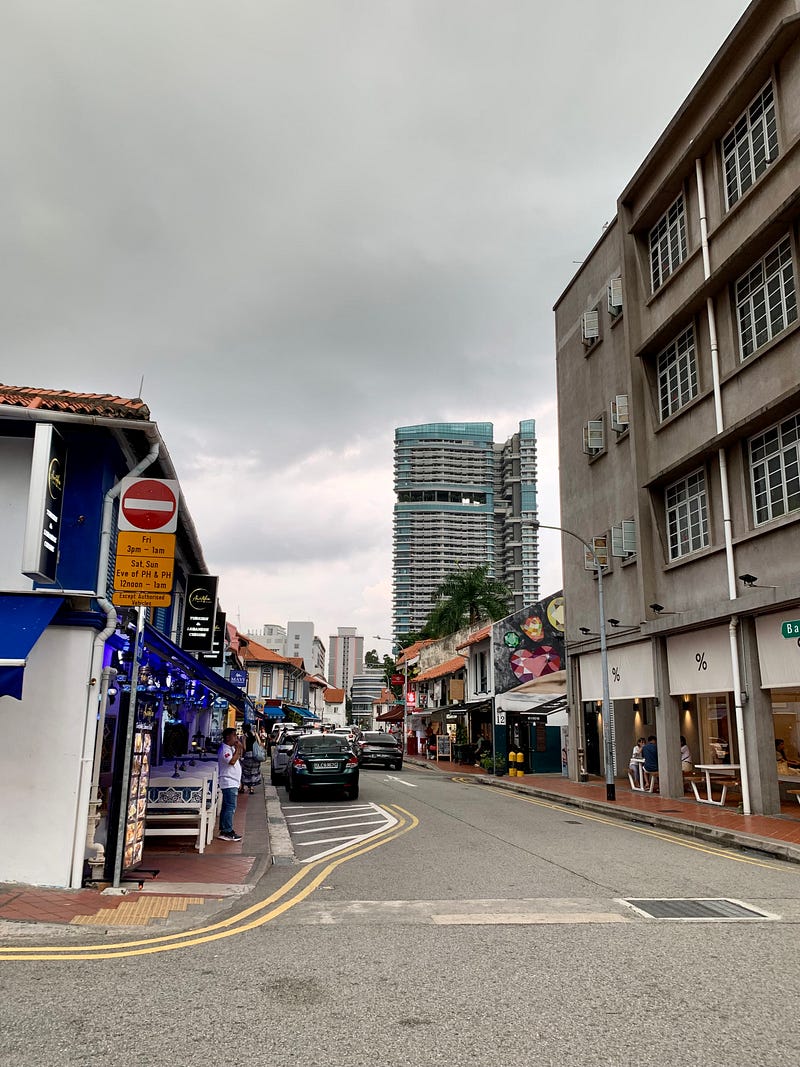
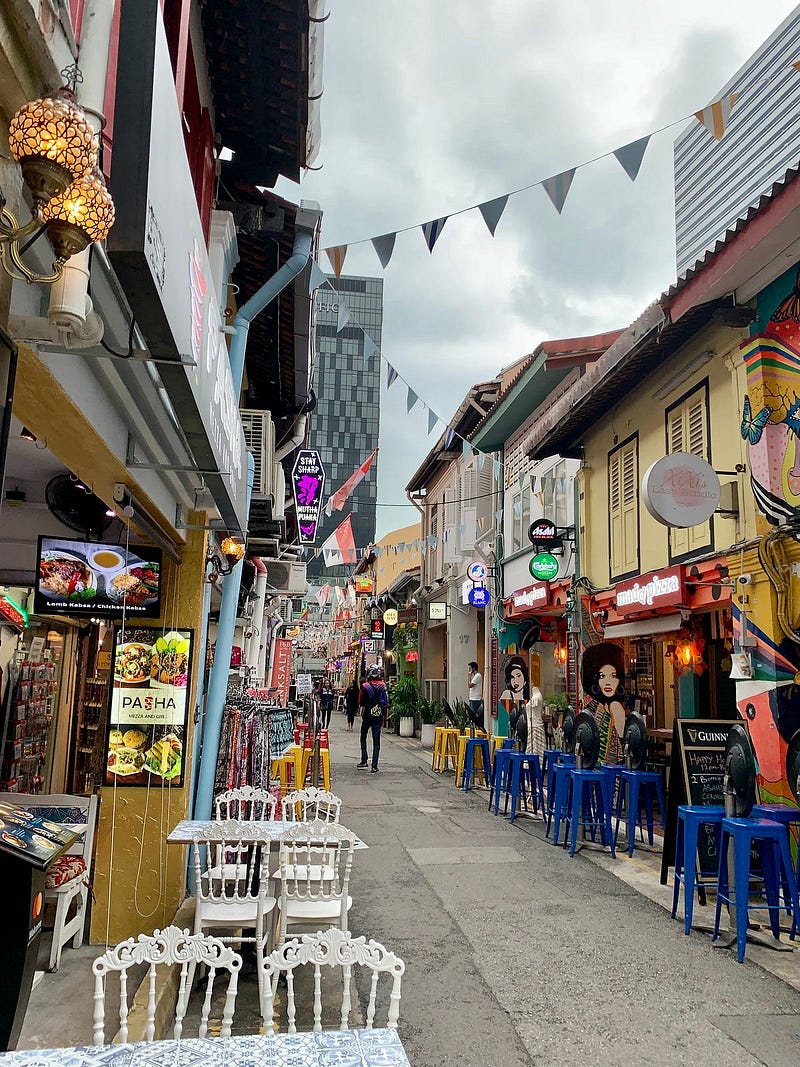
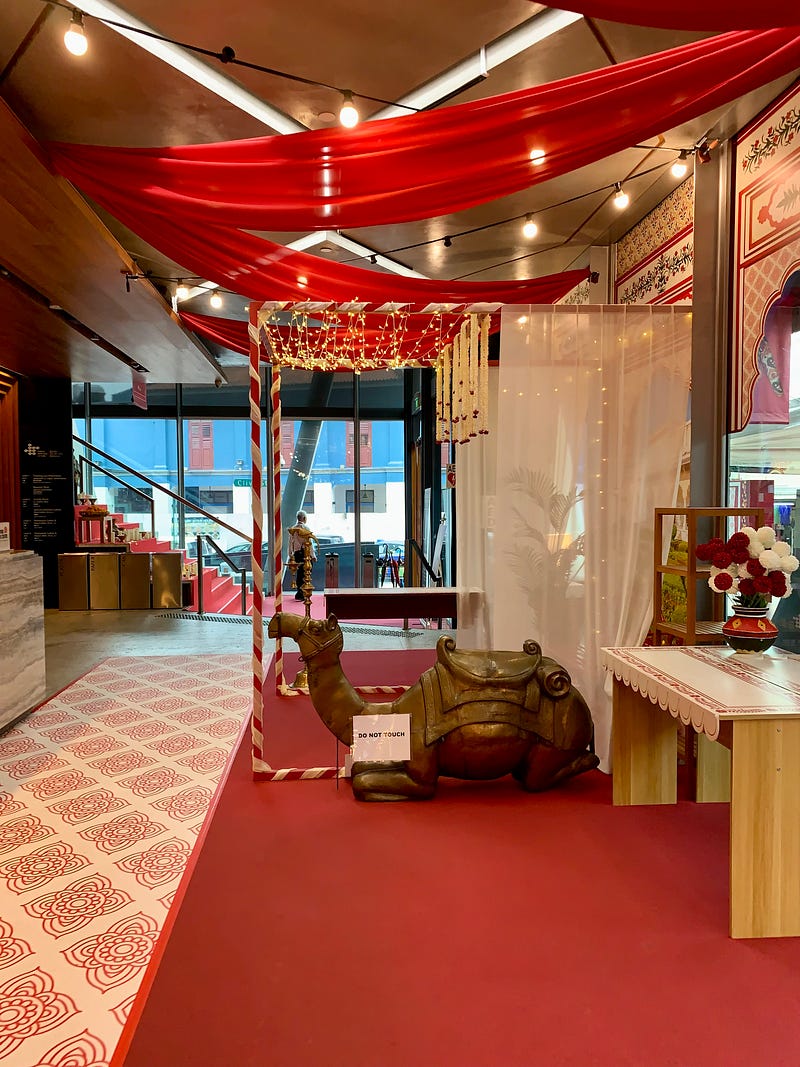
Please take a moment to appreciate these photos I clicked of Arab Street in Singapore.
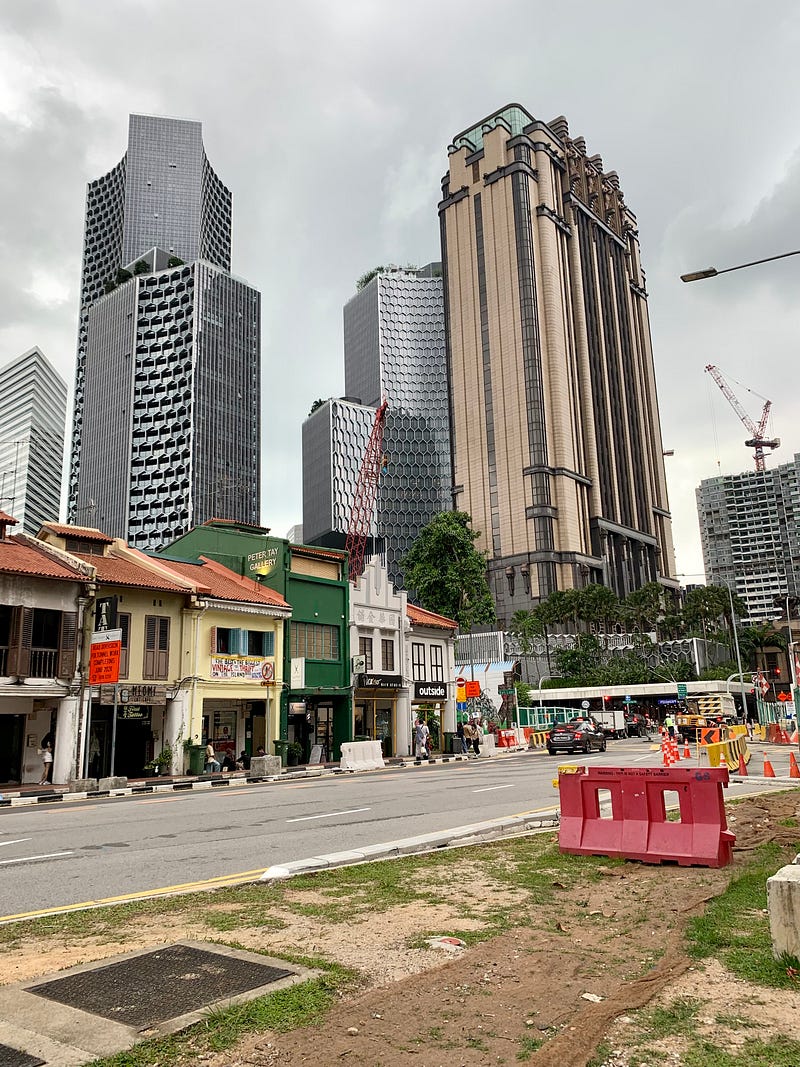
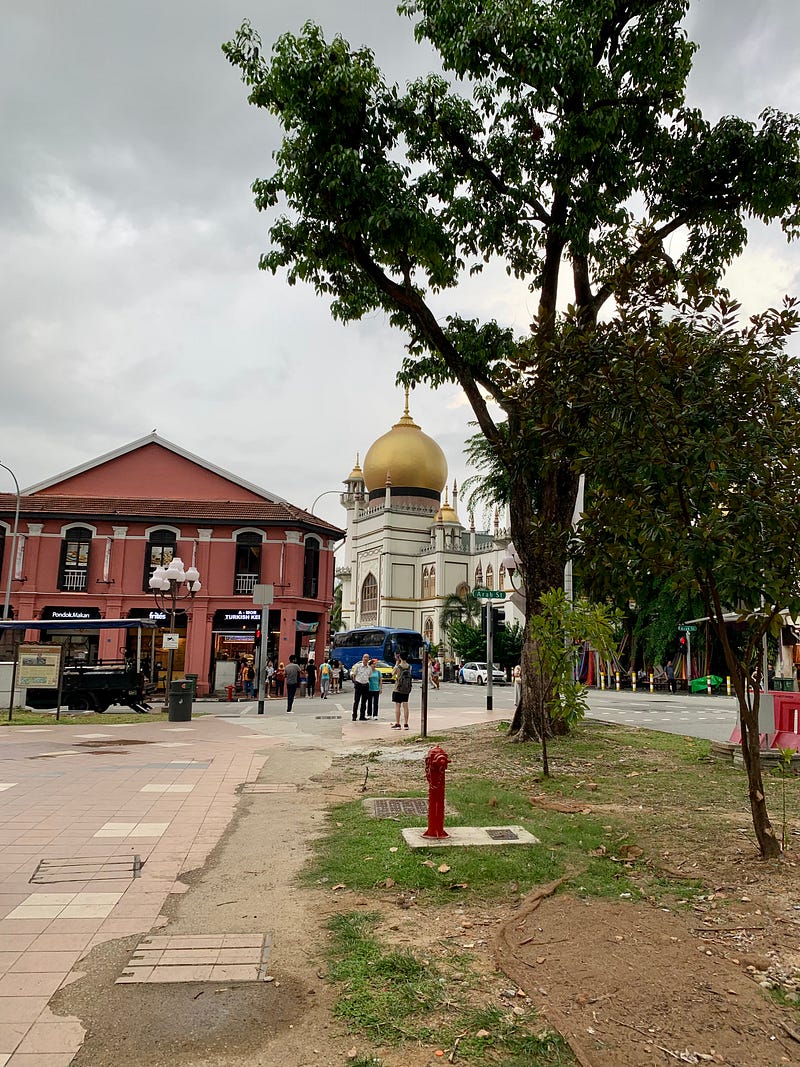
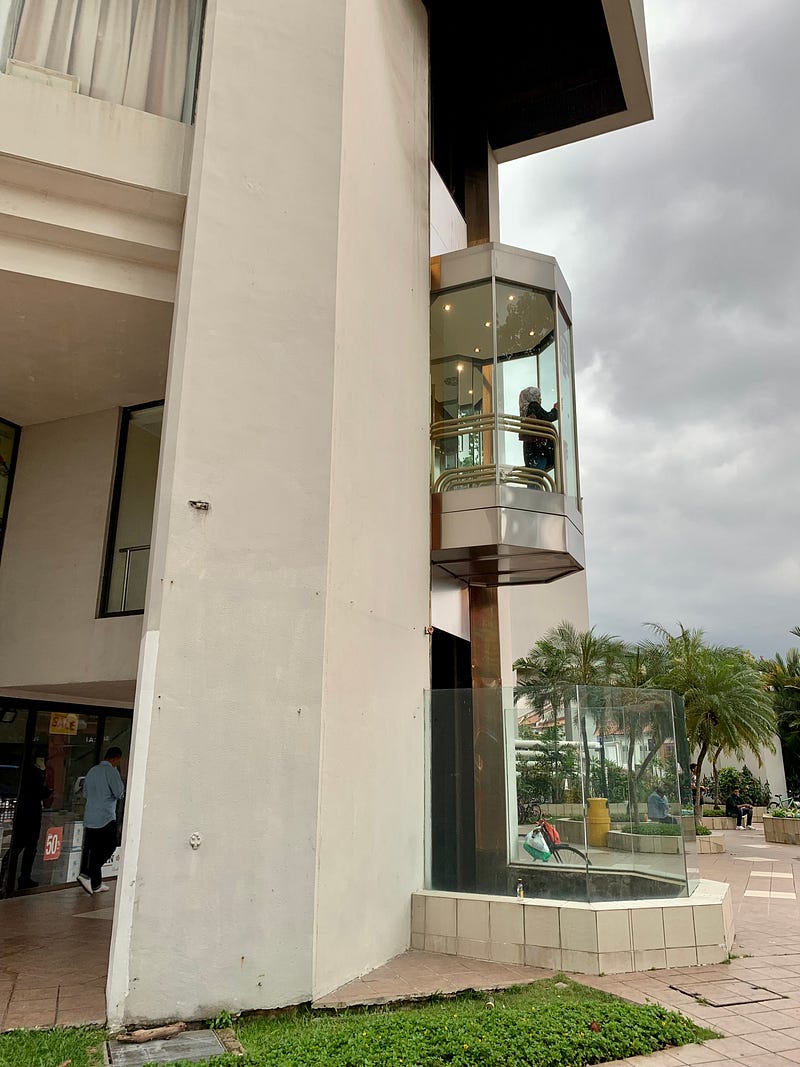
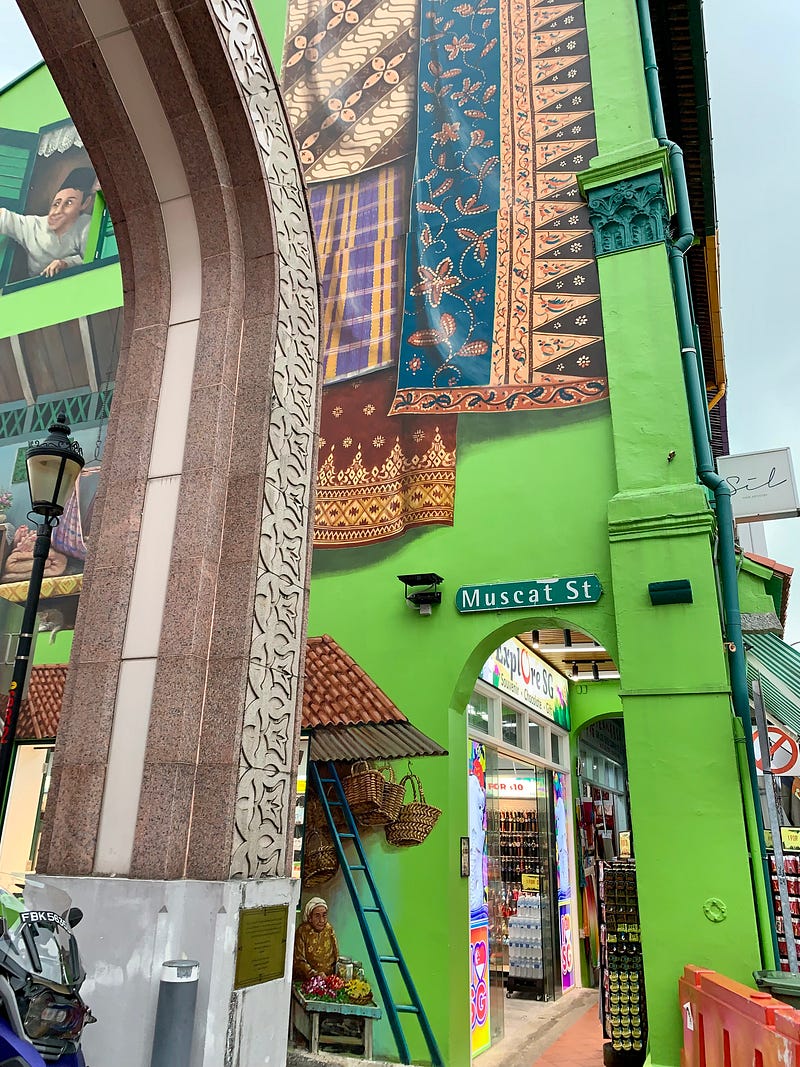
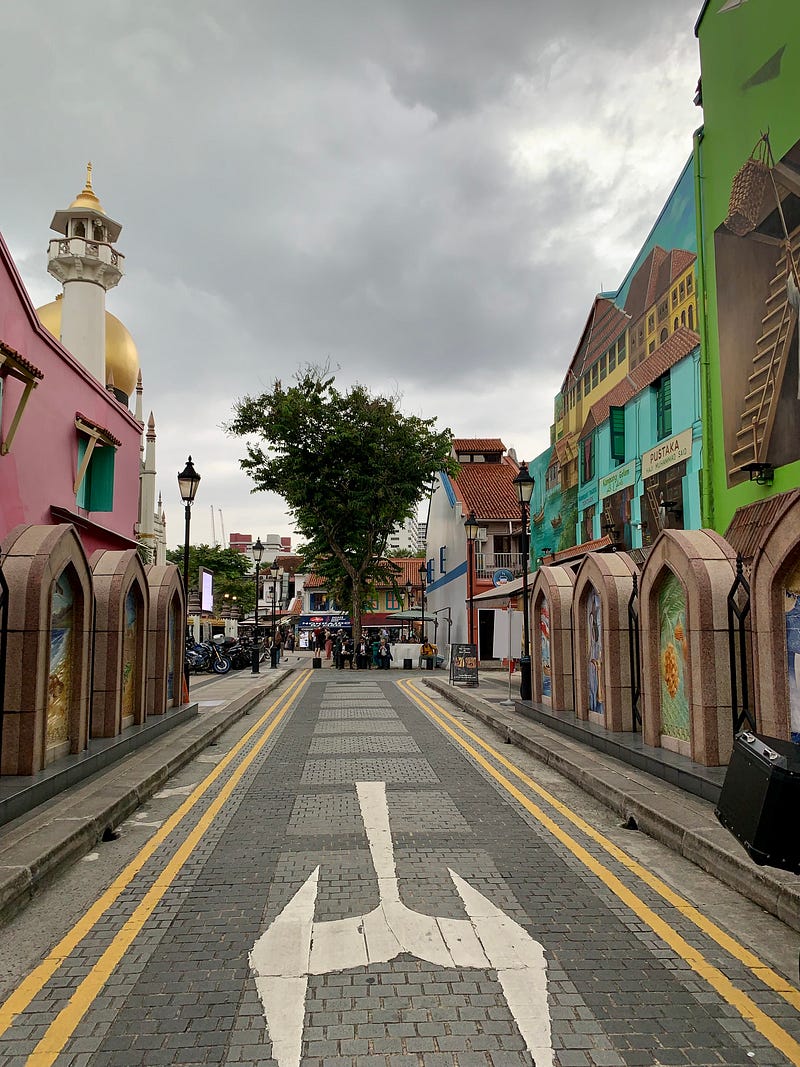
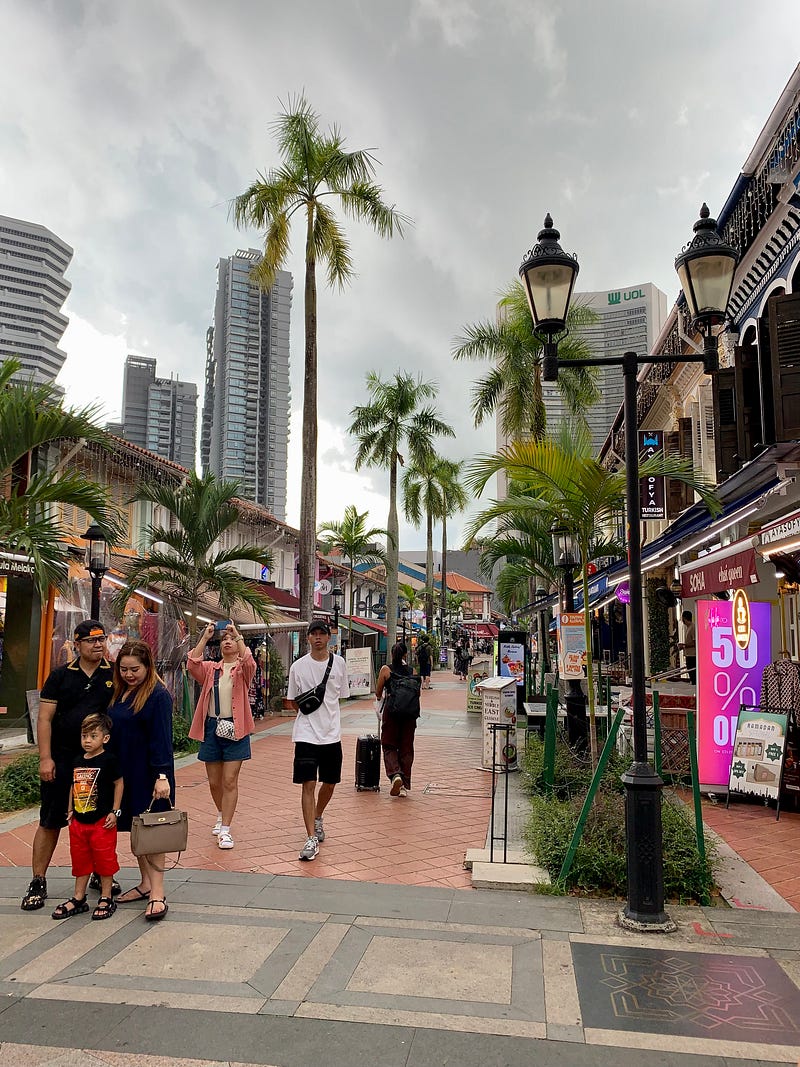
Our day began with a delightful lunch at a charming Bugis restaurant near Arab Street, a favorite spot of my Singapore local cousin and her daughters.
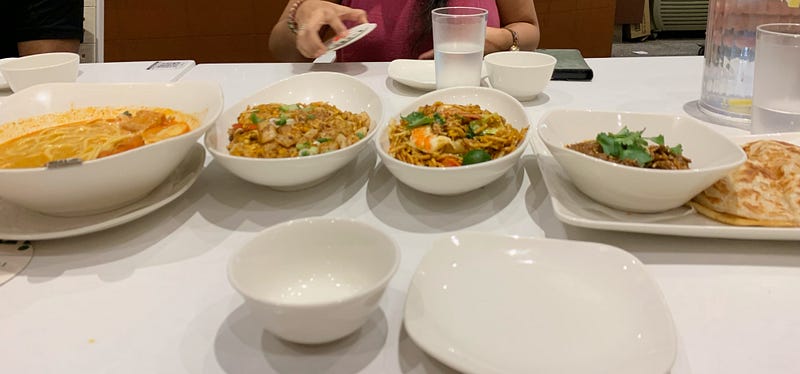
Wandering through the neighborhood, we immersed ourselves in the carefully preserved enclave.
The street was filled with Turkish, Lebanese, and other authentic eateries, along with shops offering silk, lamps, clothing, and trinkets.
Despite its modest size, Arab Street was a cultural haven, showcasing numerous Arabic establishments and creating a lively local hub.
The Sultan Mosque stood prominently amidst brightly painted buildings, making it a central point in the neighborhood.
Exploring Arab Street felt like entering a different world, with the scents of spices and coffee filling the air. The fabric and garment shops lining the main street added to the lively ambiance.
Visitors could buy leather goods, perfumes, and jewelry, creating a sensory experience.
Despite its compact size, we could complete our circuit in less than an hour. It’s worth noting that while the main sidewalk may pose challenges for individuals with mobility issues, the narrower side streets and alleyways offer a more accessible option.
On the same day, my cousin also took us around Chinatown and Little India, further enriching our experience and immersing us in the city’s rich multicultural heritage.
History of Arab Street
Arab Street in Singapore, dating back to the arrival of the first Arabs in 1819, represents a historical hub in the Kampong Glam area, intimately linked with the city-state’s growth.
Initially invited by Stamford Raffles to invest in the seaport, these early settlers from the Hadhramaut Valley in Yemen were allocated a place near the Malay Sultan’s Residence. This marked the beginning of a thriving Arab community that contributed significantly to Singapore’s development.
Prominent Arab families, including the Alsagoffs and Alkaffs, played key roles in shaping the city’s landscape. By 1930, their population had reached 1200, and they owned substantial land, cultivating farms and developing iconic buildings such as the Raffles Hotel.
However, challenges emerged with rent controls in 1939 and subsequent land acquisitions after Singapore gained independence in 1965, altering the dynamics of Arab-owned properties.
Adapting to changing circumstances, the Arab community diversified its contributions, engaging in various sectors beyond real estate. They actively participated in constructing mosques, hospitals, and other public amenities.
The Alkaff family, for instance, left a lasting legacy by building mosques, Japanese gardens, and Singapore’s first mall, the Arcade.
Today, the Arab population in Singapore numbers between 8,000 to 10,000, living in a secure environment that allows them to practice their culture and religion freely. Proud of their Muslim and Arab heritage, the community remains an integral part of Singapore’s multicultural identity.
Facing the challenges of the present, the Arab community looks to create a new legacy by contributing skills and expertise.
Organizations like the Arab Network @ Singapore (AN@S) actively promote diversity and aspire to establish the Arab Center of Singapore in Kampong Glam, symbolizing both the community’s historical roots and its aspirations for the future.
Arab Street, as a dynamic and evolving cultural center, embodies the resilience and adaptability of Singapore’s Arab community.
Closing Thoughts
Arab Street is a local treasure offering a glimpse into the vibrant life of the community.
Whether drawn to the unique shops, diverse dining options, or the picturesque surroundings, this colorful neighborhood in Kampong Glam is a must-visit when in Singapore.
Website: Arab St, Kampong Glam, Singapore
Have you ever visited Singapore?
Thank you to the inspiring editors of Dancing Elephants Press, Dr. Gabriella Korosi, Annelise Lords, Libby Shively McAvoy, and Dr. Preeti Singh.
I would like to shoutout the stories of these amazing writers, Annelise Lords, Buddhi Ruparathna, and LC Lynch. Please check out their work when you get a chance.
More of my travel stories:
👩💻 My Medium Profile 📪 Subscribe to My Stories
✍ — Published by DR Rawson — The Possibilist at Dancing Elephant Press. Click here for guidelines to post click here.


