
The Thermostat Theory of Attachment
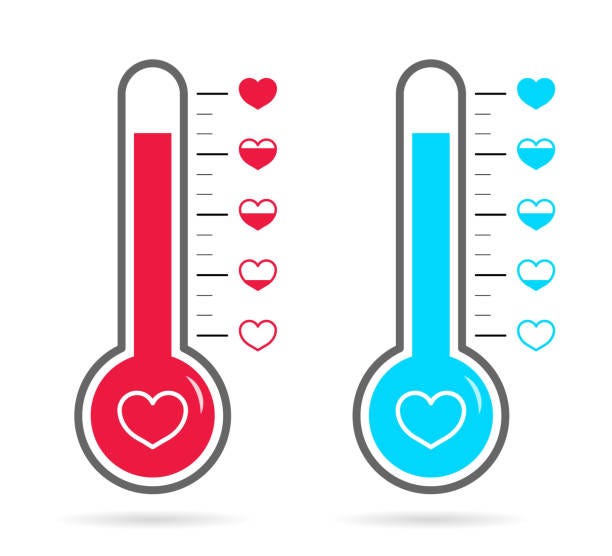
I liken insecurely attached relationships to a thermostat in which the anxious partner is always turning the knob towards more time together while the avoidant partner turns the knob towards more time apart. What makes their dichotomy a point of connection is the shared belief that love needs to be controlled. We seek control where we live in fear. We live in fear where we disbelieve in love. Anything we love, we set free, including ourselves.
Yet we all sometimes wish we were closer to our partners — or closer to ourselves — so we cannot easily equate the alternating desires to dissolve into love — or to condense from love back into an individual — into an attachment style.
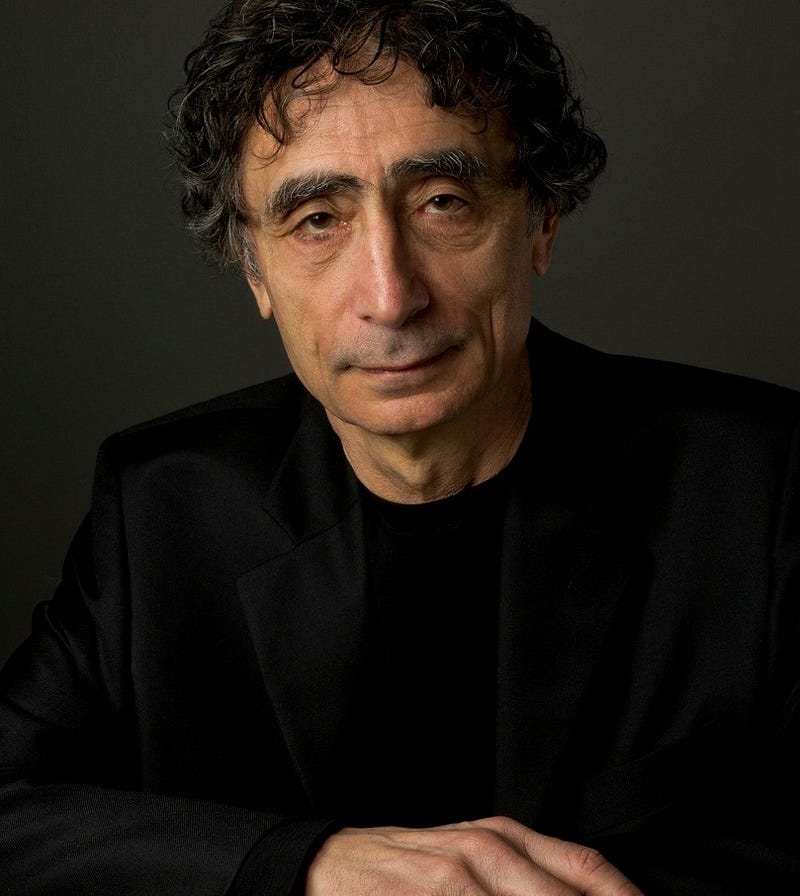
Gabor Maté likens secure attachment in a tribe to gravity: it is ubiquitous, available to all, the basis of shared reality, and gratefully taken for granted. It is there. Love and its reliability are a constant equated to Nature, to order, to the connective tissue of movement that binds all things. Modern humans have complicated things to the point where we can put jeeps on Mars but have yet to figure out how to be kind to each other.
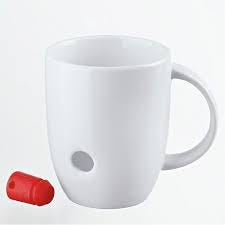
Insecure attachment is the belief that love is not always there. Those who compensate for love’s uncertainty by seeking outwards are anxious: they want their partner to fill their cup despite that cup’s having a hole in it called unresolved childhood issues.
Those who compensate by shutting out others and instead turning inwards are avoidant: they want their partner to leave them alone while not leaving them alone. For opposites attract as surely as the Yin and the Yang become each other in their ten-thousand forms. Avoidants date anxious partners because both believe that there isn’t enough love: the one seeks, and the other hides in plain sight.
Ideally, the anxious partner teaches the avoidant partner to open up and become vulnerable while the avoidant teaches the anxious to be an individual and go to the movies alone. That is the theory. The practice involves failed attempts at assimilation in which the anxious tries to make the avoidant clingy or, that failing, tolerant of the anxious’s own clinginess. The avoidant meanwhile tries to teach the anxious how to be an individual which, to the anxious, sounds like being thrown from love into the abyss.
These relationships become exhausting because each partner attempts to convince their opposite to let go of the dysfunctional coping skill they spent their childhood forming…to take on the opposite dysfunctional coping skill. An avoidant Stoic and an anxious Burner are not going to convert each other any sooner than will Trump and Biden convince each other to vote for each other.
In truth, we date our opposite because we believe we need resistance to recognize love. We could otherwise follow the path of least resistance in which two anxiously attached partners could co-depenticize each other by becoming Siamese twins and identifying as each other. The two avoidants could then barely speak other than to thank each other for all that space.
But we need our opposites, for Jung was right: the psyche is forever seeking its complement, whether in the conscious seeking the unconscious, or in the self seeking the other, which is ultimately the same thing. We need our opposites to let them be who they are so that the relationship has its day and night without the Moon telling the Sun to shine in the night. We need to bond with our opposites to form a whole, but only once we ourselves are whole.
As for that thermostat, there’s a better way. On a Dharma talk, a teacher told us:
My wife and I have been happily married for 40 years. We only have one conflict, and it’s been happening from the day we began. My wife likes the house cold whereas I like it nice and hot. Whenever I’m comfortable, I realize that she has turned the thermostat up, so I turn it down. Sure enough, once I cool it down, she turns it right back up.
That kind of love.
Also read: The Cat-and-Dog Theory of Attachment Style and There are Exactly Two Attachment Styles and Everyone has Both.
To follow me: https://medium.com/@myartman
To subscribe: https://medium.com/@myartman/membership


