avatarFaze

Free AI web copilot to create summaries, insights and extended knowledge, download it at here

3849

Abstract

nvolved in a car accident.</p><p id="eacf">As part of his recovery process, his physician issued a somewhat unusual prescription — a “naturally indefinite” amount of alcohol at meal times.</p><p id="5cd9">Essentially, the medical certificate provided Churchill with a loophole to enjoy his beloved spirits despite the stringent anti-alcohol laws.</p><p id="3913">The fascinating anecdote truly highlights Churchill’s tenacious spirit and his unapologetic approach to enjoying life’s pleasures.</p><h1 id="11cd">4- Still Washing Upon Shore — Five Million Legos In 1997</h1><figure id="646a"><img src="https://cdn-images-1.readmedium.com/v2/resize:fit:800/0*9zUirjWajZZuCuJE"><figcaption>Source: <a href="https://upload.wikimedia.org/wikipedia/commons/thumb/1/19/Lego_bricks.jpg/1200px-Lego_bricks.jpg">Wikipedia</a></figcaption></figure><p id="7cb0">Picture this: In 1997, a colossal wave struck the Tokyo Express cargo ship near Cornwall, casting overboard 62 containers filled with over 4 million sea-themed Lego bricks.</p><p id="db09">The vibrant, colorful pieces quickly became ocean drifters, ending up on the most unexpected shores, from the beaches of Texas to the coasts of Australia.</p><p id="4ce4">Today, more than two decades later, these lost pieces of childhood joy continue to wash up on beaches worldwide, a whimsical reminder of the unexpected detours our possessions can take.</p><p id="d2cc">Who knows, your next beach stroll might lead you to discover one of these ocean-tossed treasures.</p><h1 id="5271">3- Prompted The Regulation Of Hatpin Length — A Wave Of Violence</h1><figure id="3f09"><img src="https://cdn-images-1.readmedium.com/v2/resize:fit:800/0*VE5dMau6dhi0IHJl"><figcaption>Source: <a href="https://en.wikipedia.org/wiki/Hatpin#/media/File:Hatpin.jpg">Wikipedia</a></figcaption></figure><p id="6e6e">Amidst the hustle and bustle of the early 1900s, hatpins emerged as an unexpected source of public fear. Women of the era commonly used these lengthy pins to secure their stylish hats to their hair.</p><p id="82c9">However, they discovered a more formidable use for these accessories — as a weapon to ward off unsavory advances.</p><p id="82f8">Alarming reports of injuries inflicted by these defensive hatpins stirred public concern, culminating in legislation restricting their size.</p><p id="c5b8">In 1910, Chicago made headlines by banning oversized hatpins, sparking similar laws in other cities. Even Sydney, Australia, considered imposing jail time for women sporting these “murderous weapons” in their hats.</p><p id="4912">The regulations faded away as the use of hatpins declined in the 1920s, leaving behind a remarkable chapter in the annals of fashion and self-defense.</p><h1 id="4262">2- An Advocate For The Introduction Of Square Dancing In Schools — Henry Ford</h1><figure id="77ec"><img src="https://cdn-images-1.readmedium.com/v2/resize:fit:800/0*5dNBXl9ga7FBIMBk"><figcaption>Source: <a href="https://upload.wikimedia.org/wikipedia/commons/5/5e/National_Barn_Dance_1940.JPG">Wikipedia</a></figcaption></figure><p id="a8ec">Ever wonder who’s responsible for square dancing lessons in schools? The credit goes to none other than Henry Ford, the illustrious founder of Ford Motor Company.</p><p id="e3c3">In the 1920s, Ford harbored a particular fondness for the country-western dance form and sought to embed it in the American school curriculum.</p><p id="b734">To achieve this, he hired a dance instructor to impart the moves to his employees and urged children to partake in the square-shaped fun.</p><p id="aa17">By 1928, the impact was so profound that a staggering 50% of schools in the U.S. were teaching their students to ‘dosado’.</p><p id="f25f">Ford’s objective was twofold: his genuine love for square dancing, and a rather controversial attempt to counteract jazz — a genre he associ

Options

ated with Black and Jewish American culture.</p><h1 id="df77">1- Didn’t Fully Cease Operation Until 2000 — Chernobyl</h1><figure id="9651"><img src="https://cdn-images-1.readmedium.com/v2/resize:fit:800/0*QhkeazII1iKdxAy3"><figcaption>Source: <a href="https://upload.wikimedia.org/wikipedia/commons/thumb/d/d2/Chernobyl_nuclear_plant2.jpg/1200px-Chernobyl_nuclear_plant2.jpg">Wikipedia</a></figcaption></figure><p id="94f1">The catastrophe at the Chernobyl Nuclear Power Plant in Ukraine remains one of the most devastating nuclear accidents in history.</p><p id="60f0">After the infamous explosion in 1986, one might assume that the plant was promptly shuttered. Surprisingly, that’s far from the truth.</p><p id="fb3a">The plant shockingly remained functional, its remaining reactors continuing to churn out power long after the disaster.</p><p id="4944">In fact, it was not until the turn of the millennium, a full 14 years later, that the final reactor was shut down.</p><p id="43c2">Astonishingly, even amidst a radioactive wasteland, the hum of machinery persisted, marking a remarkable, if chilling, testament to human resilience and industry.</p><h1 id="24cb">Points To Ponder</h1><p id="6b99">So, there you have it — a trip through the corridors of history, filled with uncanny revelations and astonishing truths.</p><p id="3b1a">From fast food diplomacy to ocean-dwelling Lego treasures, we’ve ventured into some of the most astounding corners of the past.</p><p id="4ff1">Whether these tales leave you awe-struck, amused, or a bit baffled, they serve as a reminder that history often holds more surprises than we can imagine.</p><p id="b987">The next time you delve into a historical narrative or wander through a museum, remember to keep an open mind. After all, who knows what incredible discovery waits just around the corner?</p><p id="5358">More from the author:</p><div id="a251" class="link-block"> <a href="https://readmedium.com/7-horrifying-places-that-google-maps-didnt-want-you-to-see-706376339a56"> <div> <div> <h2>7 Horrifying Places That Google Maps Didn’t Want You To See</h2> <div><h3>The darkest corners — Journey to the forbidden places of Google Maps.</h3></div> <div><p>medium.com</p></div> </div> <div> <div style="background-image: url(https://miro.readmedium.com/v2/resize:fit:320/0*PQ7sGRen_E-P9aUA.jpg)"></div> </div> </div> </a> </div><div id="73c0" class="link-block"> <a href="https://readmedium.com/7-eerie-photographs-taken-just-before-fatal-incidents-493ccecd4950"> <div> <div> <h2>7 Eerie Photographs Taken Just Before Fatal Incidents</h2> <div><h3>Final farewell — Terrifying photos captured before death.</h3></div> <div><p>medium.com</p></div> </div> <div> <div style="background-image: url(https://miro.readmedium.com/v2/resize:fit:320/1*akree9RuRmxbVVseXIxD7g.png)"></div> </div> </div> </a> </div><div id="6918" class="link-block"> <a href="https://readmedium.com/7-mystifying-coincidences-that-leave-historians-puzzled-d71090cc3c0b"> <div> <div> <h2>7 Mystifying Coincidences That Leave Historians Puzzled</h2> <div><h3>Stranger than fiction — The bizarre coincidences.</h3></div> <div><p>medium.com</p></div> </div> <div> <div style="background-image: url(https://miro.readmedium.com/v2/resize:fit:320/1*d5c9ydFnme9td4IOxdRlUw.png)"></div> </div> </div> </a> </div></article></body>

7 Weird Historical Facts That Defy Belief — Yet Remain Undeniably True

History’s best kept secrets — Astonishing true facts.

Source: Wikipedia

Are you a history buff? Well, think again. History is full of surprising and shocking truths that many of us wouldn’t believe are actually true.

From bizarre events to unbelievable coincidences, there are some facts that will leave you questioning everything you thought you knew.

In this article, we’ll take a look at 7 of the most jaw-dropping historical facts that will have you questioning what you learned in your high school history class.

Get ready to have your mind blown as we fact check these unbelievable truths from the past.

7- Operate As Mini-Embassies — McDonald’s In Austria

Source: Wikipedia

Imagine losing your passport while visiting Austria. Frustrating, isn’t it? Now, picture walking into a McDonald’s, not to eat, but to get help!

Interestingly, in Austria, McDonald’s restaurants play a unique role beyond serving Big Macs. They function as ‘mini-embassies’ for US citizens in distress.

Under a partnership with the U.S. Embassy in Vienna, these fast food joints aid stranded Americans, helping them connect with the embassy to replace lost passports or provide other essential diplomatic services.

Certainly a bizarre yet reassuring combination of diplomacy and fast food, wouldn’t you agree?

6- A Mythological Figure Worshiped On One Island In The South Pacific — John Frum

Source: Wikipedia

Believe it or not, in the remote island of Tanna, in the South Pacific, there exists a religion that worships an American figure named John Frum.

Emerging in the wake of World War II, the unique cult views Frum as a messiah who would bring copious amounts of material goods or ‘cargo’, essentially everything from radios and TVs to trucks and boats.

Every year, followers celebrate John Frum Day, honoring their American deity with the hope of receiving his bountiful blessings.

The persistence of the cult underscores the profound impact of foreign intervention on indigenous cultures and belief systems.

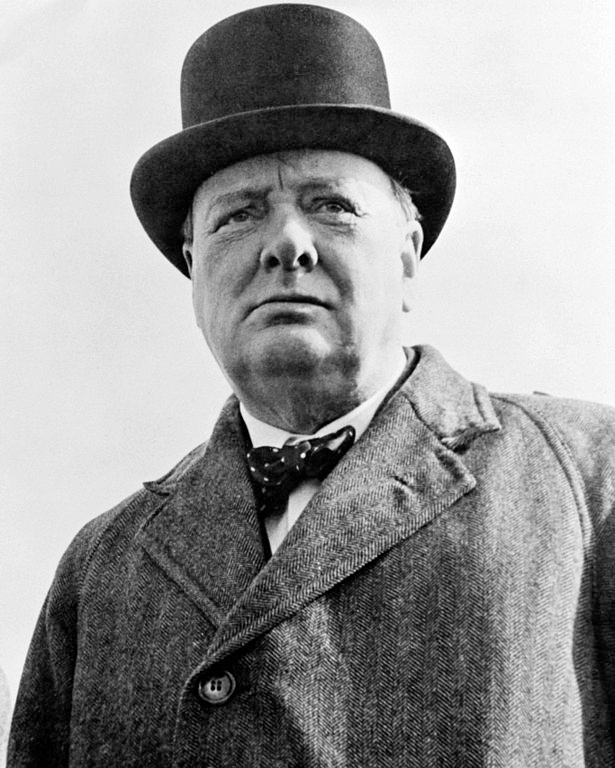
5- Naturally Indefinite Amount Of Alcohol — Winston Churchill
Source: Wikipedia

Renowned for his love for liquor, the iconic British politician Winston Churchill wasn’t one to give up his libations easily, even when traveling to Prohibition-era America.

During a visit to the United States in 1932, Churchill was involved in a car accident.

As part of his recovery process, his physician issued a somewhat unusual prescription — a “naturally indefinite” amount of alcohol at meal times.

Essentially, the medical certificate provided Churchill with a loophole to enjoy his beloved spirits despite the stringent anti-alcohol laws.

The fascinating anecdote truly highlights Churchill’s tenacious spirit and his unapologetic approach to enjoying life’s pleasures.

4- Still Washing Upon Shore — Five Million Legos In 1997

Source: Wikipedia

Picture this: In 1997, a colossal wave struck the Tokyo Express cargo ship near Cornwall, casting overboard 62 containers filled with over 4 million sea-themed Lego bricks.

The vibrant, colorful pieces quickly became ocean drifters, ending up on the most unexpected shores, from the beaches of Texas to the coasts of Australia.

Today, more than two decades later, these lost pieces of childhood joy continue to wash up on beaches worldwide, a whimsical reminder of the unexpected detours our possessions can take.

Who knows, your next beach stroll might lead you to discover one of these ocean-tossed treasures.

3- Prompted The Regulation Of Hatpin Length — A Wave Of Violence

Source: Wikipedia

Amidst the hustle and bustle of the early 1900s, hatpins emerged as an unexpected source of public fear. Women of the era commonly used these lengthy pins to secure their stylish hats to their hair.

However, they discovered a more formidable use for these accessories — as a weapon to ward off unsavory advances.

Alarming reports of injuries inflicted by these defensive hatpins stirred public concern, culminating in legislation restricting their size.

In 1910, Chicago made headlines by banning oversized hatpins, sparking similar laws in other cities. Even Sydney, Australia, considered imposing jail time for women sporting these “murderous weapons” in their hats.

The regulations faded away as the use of hatpins declined in the 1920s, leaving behind a remarkable chapter in the annals of fashion and self-defense.

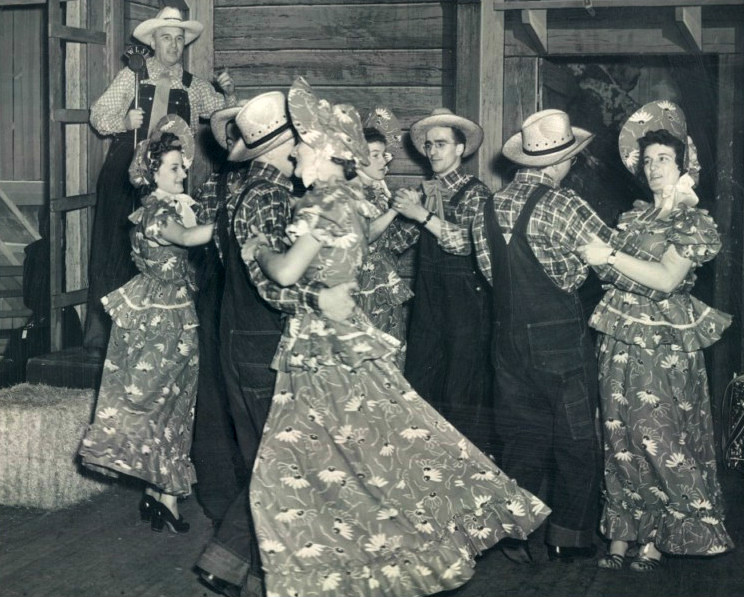
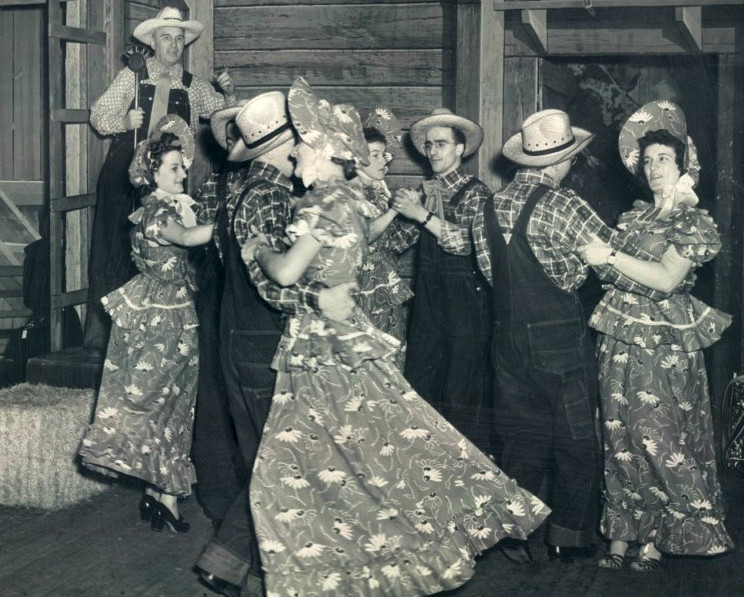
2- An Advocate For The Introduction Of Square Dancing In Schools — Henry Ford
Source: Wikipedia

Ever wonder who’s responsible for square dancing lessons in schools? The credit goes to none other than Henry Ford, the illustrious founder of Ford Motor Company.

In the 1920s, Ford harbored a particular fondness for the country-western dance form and sought to embed it in the American school curriculum.

To achieve this, he hired a dance instructor to impart the moves to his employees and urged children to partake in the square-shaped fun.

By 1928, the impact was so profound that a staggering 50% of schools in the U.S. were teaching their students to ‘dosado’.

Ford’s objective was twofold: his genuine love for square dancing, and a rather controversial attempt to counteract jazz — a genre he associated with Black and Jewish American culture.

1- Didn’t Fully Cease Operation Until 2000 — Chernobyl

Source: Wikipedia

The catastrophe at the Chernobyl Nuclear Power Plant in Ukraine remains one of the most devastating nuclear accidents in history.

After the infamous explosion in 1986, one might assume that the plant was promptly shuttered. Surprisingly, that’s far from the truth.

The plant shockingly remained functional, its remaining reactors continuing to churn out power long after the disaster.

In fact, it was not until the turn of the millennium, a full 14 years later, that the final reactor was shut down.

Astonishingly, even amidst a radioactive wasteland, the hum of machinery persisted, marking a remarkable, if chilling, testament to human resilience and industry.

Points To Ponder

So, there you have it — a trip through the corridors of history, filled with uncanny revelations and astonishing truths.

From fast food diplomacy to ocean-dwelling Lego treasures, we’ve ventured into some of the most astounding corners of the past.

Whether these tales leave you awe-struck, amused, or a bit baffled, they serve as a reminder that history often holds more surprises than we can imagine.

The next time you delve into a historical narrative or wander through a museum, remember to keep an open mind. After all, who knows what incredible discovery waits just around the corner?

More from the author:

History
Culture
Life
Education
Entertainment
Recommended from ReadMedium