
7 Horrifying Places That Google Maps Didn’t Want You To See
The darkest corners — Journey to the forbidden places of Google Maps.
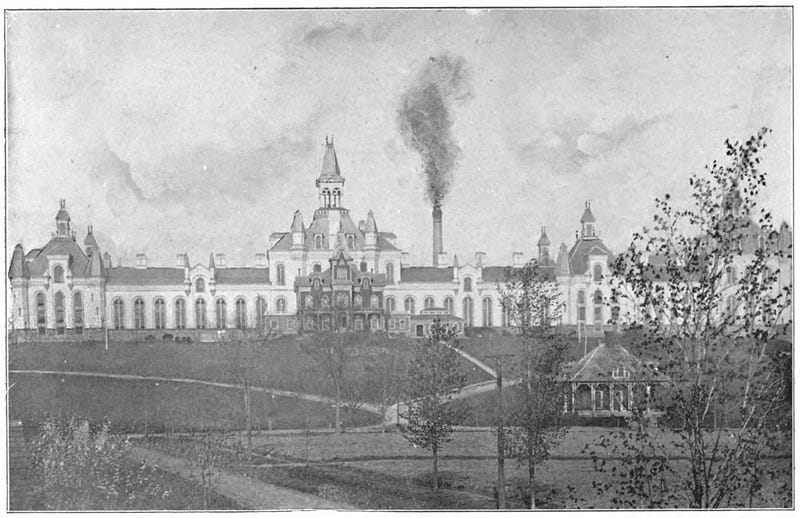
Google Maps has revolutionized the way we navigate the world, providing us with easy access to detailed maps and satellite imagery of even the most remote locations.
However, while this tool can be incredibly useful for finding directions, it has also revealed some truly terrifying sights that Google might not have wanted you to see.
In this article, we’ll take a look at 7 of the most horrifying places on Earth that Google Maps tried to hide from view.
From abandoned hospitals to secretive government bases, be prepared for a journey into the darkest corners of the globe.
7- HAARP Site — Gakona, Alaska
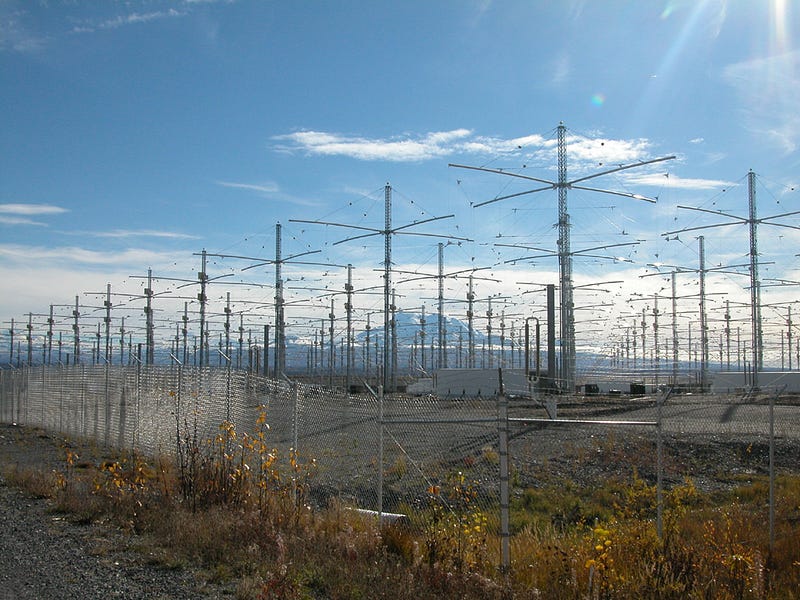
Located in Gakona, Alaska, the HAARP site is a research facility that has been the subject of conspiracy theories for years. The facility’s purpose is to study the Earth’s ionosphere and its effects on communication and navigation systems.
However, some believe that HAARP is involved in secret military experiments, mind control, and weather manipulation. The site features an array of antennas, which have a giant hairbrush.
According to conspiracy theorists, these antennas are capable of producing powerful electromagnetic radiation that can influence people’s minds and cause natural disasters like earthquakes and hurricanes.
Despite these claims, scientists who work at the HAARP site say that there is no evidence to support these theories. They maintain that the facility’s research is purely academic and has no military applications.
While the truth behind the HAARP site remains unclear, it is interesting to note that the facility has been mentioned in popular culture, including TV series and video games.
6- The Snow Saddle —The Most Dangerous Locations In The World
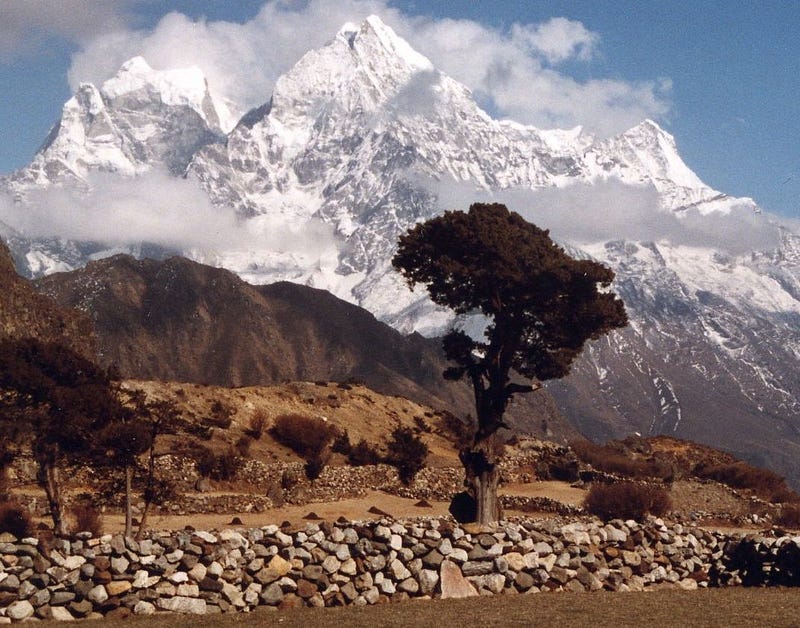
Deep in the Himalayan Mountains lies a place known as The Snow Saddle. It is one of the most dangerous locations in the world, and not just because of the harsh, frigid climate.
This treacherous mountain pass has claimed the lives of countless people, and its deadly reputation has kept even the most experienced climbers at bay.
Google Maps tried to hide this location from its users, but why? Perhaps it was to discourage thrill-seekers from attempting the dangerous trek. Or maybe, it was simply to protect those who were unaware of the dangers lurking in the snow-covered peaks.
Either way, The Snow Saddle remains a mysterious and deadly location, shrouded in secrecy. Those brave enough to attempt the journey must be prepared for anything, from sudden avalanches to hidden crevasses.
It is a place where nature reigns supreme, and only the strongest and most resilient will survive.
While The Snow Saddle may be hidden on Google Maps, its reputation precedes it, serving as a warning to those who dare to tread in its dangerous terrain.
5- Volkey Air Base — Desolate Terrain Of Nevada
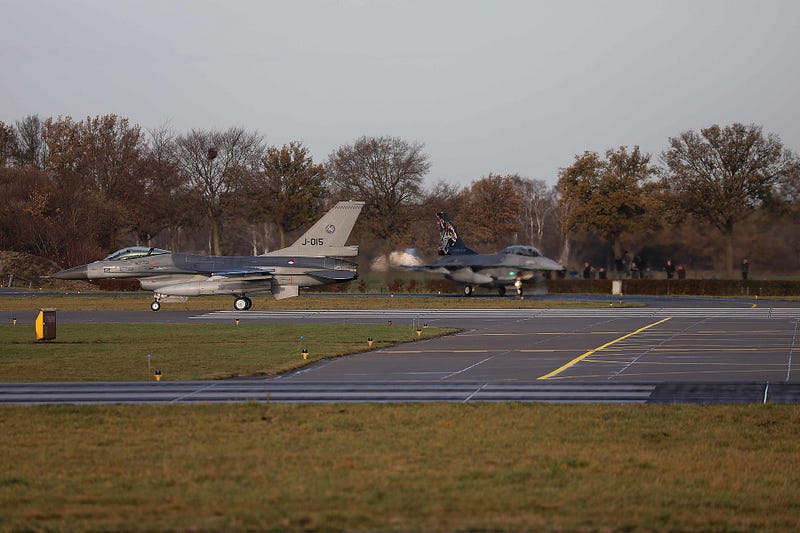
Located in the desolate terrain of Nevada, the Volkey Air Base is a highly restricted area on Google Maps. This remote air base is so off-limits that even the most curious satellite imagery cannot penetrate its boundaries.
With rumors swirling around it being a hub for classified experiments, there’s no doubt that something sinister is taking place behind those walls.
According to various sources, the Volkey Air Base is known for housing top-secret military aircraft that are still being developed.
There are also rumors that the air base serves as a base for advanced scientific research in aeronautics and weaponry.
Given the top-secret nature of this facility, it’s no surprise that the surrounding areas have also been made completely off-limits.
Although it’s shrouded in secrecy, there have been several accounts of strange occurrences and sightings in the surrounding desert.
Some believe that these strange occurrences could be connected to the mysterious experiments being conducted within the airbase’s walls.
Despite the tight-lipped nature of the United States government about Volkey Air Base, one thing is for sure — the facility is a haven for secrets, intrigue, and a touch of fear for those who are curious enough to seek it out on Google Maps.
4- Marcoule Nuclear Site — France
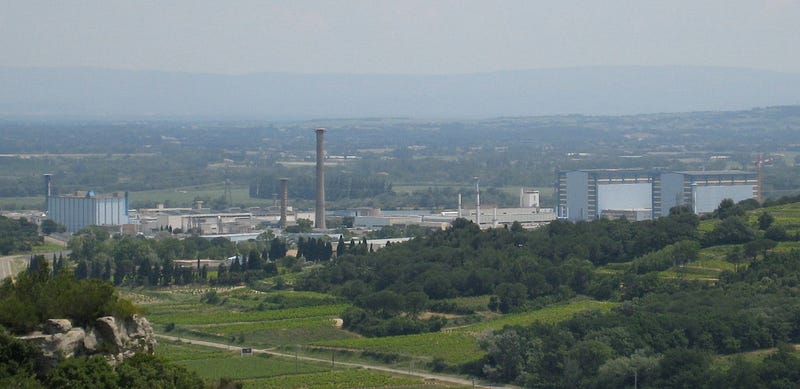
Located in the south of France, the Marcoule nuclear site has a dark history that few know about. The site was home to the first-ever nuclear reactor in France and was also the site of a major nuclear accident in 2011.
The explosion occurred in one of the facilities, causing one person to die and injuring four others. Despite the accident, the site remains operational and continues to be used for nuclear energy research.
The site is highly guarded and inaccessible to the public, but Google Maps offers a glimpse of the eerie site. From above, you can see the ominous cooling towers and nuclear plants, which emit a haunting vibe.
The secrecy surrounding the site is a reminder of the potential dangers of nuclear power and the responsibility that comes with harnessing it.
The Marcoule nuclear site is just one example of the hidden and potentially dangerous locations that Google Maps has revealed to the world.
3- Babylon — Historical Landmark
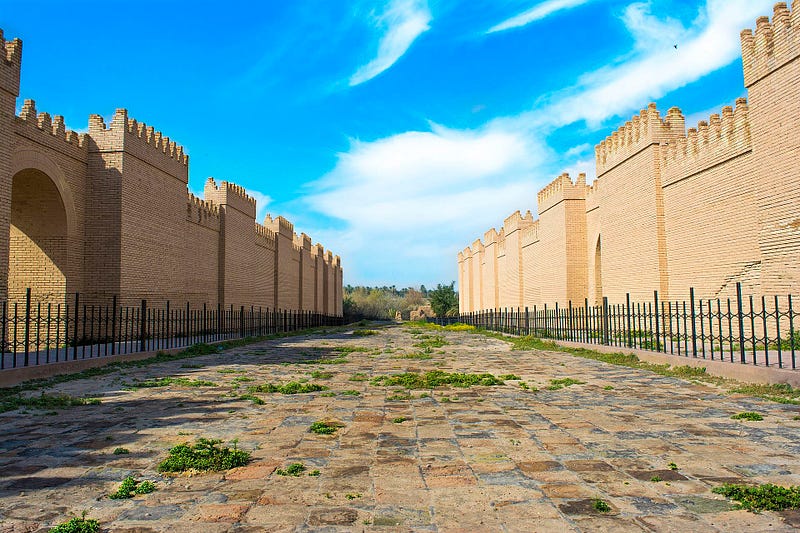
One of the locations Google Maps tried to hide from you is the ancient city of Babylon. This city was one of the greatest empires in history, known for its advanced culture, engineering, and science.
However, it was also the site of great violence and destruction, with conquerors laying waste to its people and architecture over the centuries.
While Babylon is now a tourist attraction, its true history is not widely known or discussed. Its ruins are a powerful reminder of the human capacity for both greatness and destruction.
Despite Google Maps’ attempts to hide this site, it remains an important historical landmark that should be studied and remembered for future generations.
2- Washington/ Oregon Border — Missile Silo
Amid of the dense forest on the border of Washington and Oregon, there’s a hidden gem that’s not meant for the faint of heart. A concrete structure that looks like an oversized picnic table with a hole in
the middle may not seem like much, but this is the remnants of a decommissioned missile silo from the Cold War era.
The U.S. Army Corps of Engineers had this structure installed back in 1961 to house an Atlas missile armed with a nuclear warhead. The missile silo was operational for almost a decade before being deactivated.
Today, the site is abandoned and heavily guarded, but some intrepid explorers have still managed to sneak in to snap some photos of the eerie concrete dome.
It’s a chilling reminder of the world’s darkest days and a peek into a side of history that we’d all prefer to forget.
1- Elmira Correctional Facility — Hottest Prison In New York State
The Elmira Correctional Facility in New York is one of the most infamous prisons in the United States. With a capacity to house 1,543 inmates, it’s known for its strict regulations and harsh conditions.
It’s no surprise that Google Maps tried to hide this terrifying location from its users. The prison is surrounded by walls that are 25 feet high, and it’s been dubbed the “Hottest Prison in New York State.”
It’s notorious for its lack of air conditioning and intense heat, making life inside unbearable during the summer months. This facility has been the site of many protests and strikes as inmates have tried to fight for better living conditions.
In addition to the heat, inmates at Elmira Correctional Facility are subjected to a variety of other cruel conditions. Some report that they are often kept in their cells for up to 23 hours a day and the prison has been accused of subjecting inmates to solitary confinement for months or even years on end.
It’s a place where violence and abuse are rampant, and the stories of those who have been incarcerated there are truly chilling.
It’s no wonder that Google Maps has tried to hide this location from the general public. While Elmira Correctional Facility may be out of sight, it should not be out of mind.
The inhumane conditions inside are a stark reminder of the flaws in our criminal justice system, and we must continue to fight for reform to ensure that no one is subjected to these horrific conditions ever again.
Points To Ponder
After exploring these seven terrifying locations that Google Maps tried to hide from us, it’s clear that many places in the world are better left unseen.
While Google Maps may try to keep these places hidden from us, it’s important to remember that the world is full of mystery and wonder.
It’s up to us to decide whether to uncover these hidden locations or simply leave them in the shadows.
Whatever your decision may be, these places are a reminder that the world is full of secrets and surprises waiting to be discovered. So, go out and explore, but be sure to keep your wits about you — you never know what you might find.
Join Medium Today
More from the author:


