
7 Most Craziest Things People Believed During Medieval Times
Think we have strange beliefs now? Take a look.
For centuries, humanity has experienced a slow march of progress. This progress has made it possible for us to live our lives in a way that would have been impossible in the days of medieval times.
While it’s important to remember and appreciate the advances we’ve made over the years, it can be just as fun to look back at the ridiculous things people used to believe.
Join us on a journey through history as we explore some of the most preposterous beliefs from the medieval period, and thank our lucky stars that we don’t have to worry about them anymore.
7- Evil Spirits Lurked — Brussels Sprouts

In Medieval times, it was believed that evil spirits lurked everywhere, even in the most unexpected places — like Brussels sprouts.
People feared that these tiny, innocent-looking vegetables were possessed by demons and could bring about all sorts of misfortunes. Eating them could lead to stomach problems, headaches, and even demonic possession.
To protect themselves from the evil spirits hiding in Brussels sprouts, people would carry them around with them as talismans or keep them hanging around their homes.
Some even went as far as to throw them into rivers to cast out the demons within them. While it may seem absurd to us now, these beliefs were taken seriously back then.
It wasn’t until the Enlightenment period that science began to replace superstition, and people began to see things more rationally.
So the next time you see Brussels sprouts on your plate, don’t be afraid — the only thing they’ll do is give you some essential nutrients and vitamins.
6- Epilepsy Cure — Blood Of A Gladiator

During medieval times, people believed that epilepsy, a neurological disorder characterized by recurrent seizures, could be cured by the blood of a gladiator.
It was believed that epilepsy was caused by demons possessing the body, and the blood of a gladiator, who was believed to be fearless and strong, could cure the disease.
Gladiators were highly revered and respected during this time, and it was believed that their strength and courage would transfer to the person who consumed their blood.
However, it is now known that epilepsy is not caused by demons or evil spirits, but rather by a variety of neurological conditions.
Consuming the blood of another person is also highly dangerous and can lead to the transmission of infectious diseases.
Despite the lack of scientific evidence supporting the efficacy of gladiator blood as a cure for epilepsy, people in medieval times continued to believe in its healing powers.
It wasn’t until modern medicine emerged and helped uncover the true causes of the disease that this preposterous belief was finally abandoned.
Looking back, it is both amusing and alarming to think about the preposterous beliefs that were held during medieval times.
While we may laugh at them now, it is important to remember that beliefs can shape actions and have real-world consequences. Fortunately, we live in an age where scientific evidence is valued and trusted over superstitious beliefs.
5- Witches Pets — Male Genitals
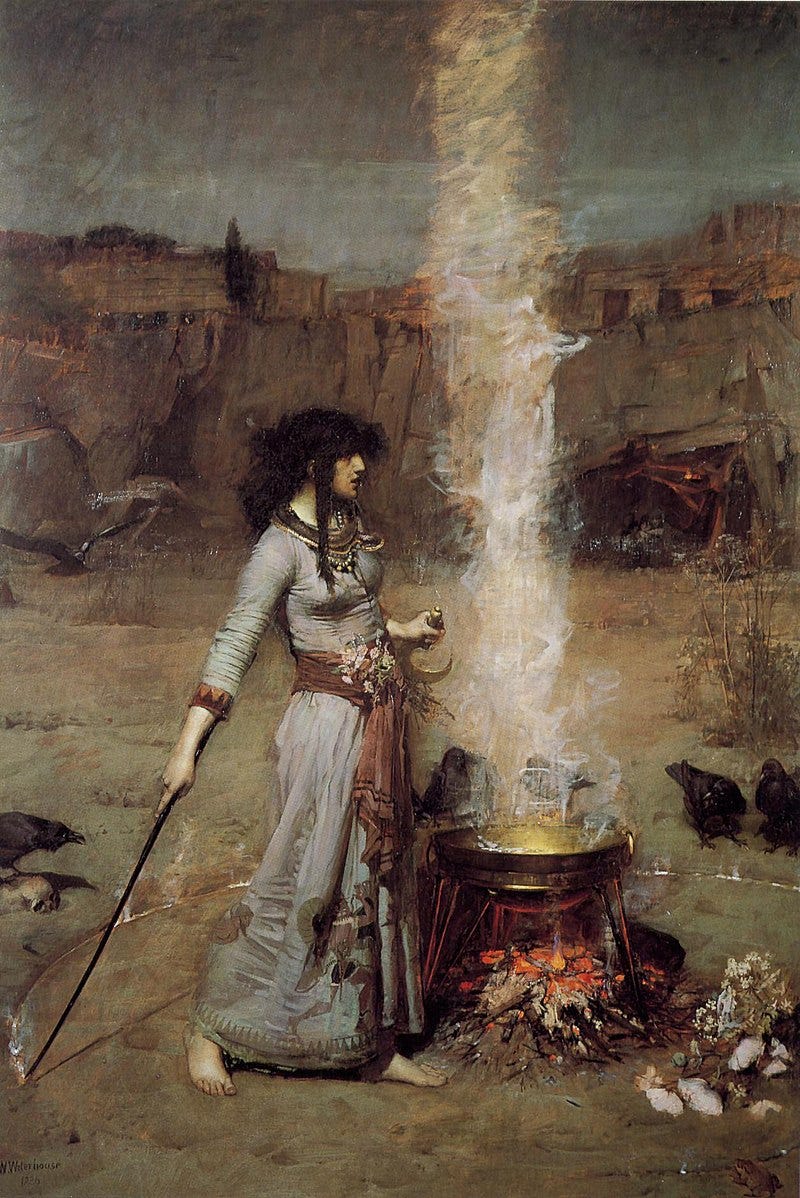
During medieval times, the idea that witches existed was widely accepted. Many people believed that witches could cast spells and use black magic to control their victims.
However, one of the most absurd beliefs about witches was that they kept male genitals as pets. According to popular belief, witches kept these male body parts in jars or bags and used them to create potions and spells.
Some even believed that witches could control their victims by using the power of these organs. As ridiculous as this belief may seem today, it was taken seriously in the Middle Ages.
In reality, this belief was likely based on a misunderstanding of herbal medicine. Many herbs and roots were believed to have aphrodisiac qualities, and it’s possible that these were mistaken for male genitalia.
Unfortunately, this belief about witches and their “pet” body parts led to many innocent women being accused of witchcraft and subjected to horrific trials and punishments.
It wasn’t until centuries later that these beliefs were finally debunked. Looking back on these absurd beliefs about witches, it’s clear that medieval times were rife with superstition and misinformation.
Thankfully, we can be glad that we live in an era where we have access to accurate information and science-based medicine.
4- Rubbing Chickens — Plague Sore’s Cure

One of the most bizarre beliefs from medieval times was the idea that rubbing a live chicken on a plague sore would cure it. The logic behind this was that the chicken’s life force would somehow absorb the disease and heal the afflicted person.
This practice was known as “the living cure” and was widely accepted among the general population. The poor would often keep chickens close by in case they or their family members fell ill.
As ridiculous as it sounds, there was some logic behind it. Chickens were believed to be pure and their feathers were used for everything from stuffing pillows to making writing quills.
In a time when medicine was scarce and little was understood about diseases, people clung to whatever they could to ward off sickness.
Thankfully, modern medicine has since replaced such practices, but it’s interesting to reflect on the strange beliefs people once held.
The idea of rubbing a chicken on a plague sore may seem absurd now, but it was once seen as a legitimate way to ward off illness.
3- Commit Crimes — Animal’s Trial
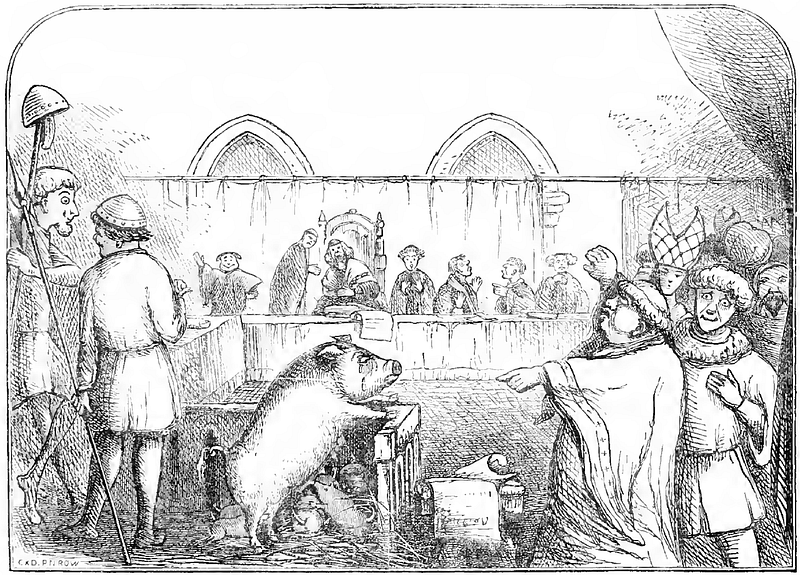
Believe it or not, medieval people believed that animals could commit crimes and deserved punishment just like humans. These beliefs were rooted in the idea that animals were not just dumb beasts but could reason and act intentionally.
For example, in 1486, a trial was held in France against a group of rats accused of eating the local barley crops.
The rats were given legal representation, and after a hearing, were found guilty and sentenced to death. Similarly, in 1457, a pig was tried and executed in Switzerland for murdering a child.
These bizarre beliefs stemmed from the belief in the interconnectedness of all things. Just as a person’s actions could have far-reaching consequences, so too could the actions of animals.
Although it also highlighted the superstitious nature of medieval people, who believed that animals were capable of evil and needed to be punished accordingly.
Today, of course, we know that animals cannot commit crimes, and the idea of putting them on trial is ludicrous. It’s just one more example of the absurd beliefs that people held in medieval times.
Moreover, it’s also a reminder of how much our understanding of the world has changed over time.
2- Witches Are Real — The Dark Side
Believing in the existence of witches during medieval times was not just a myth, but a reality that people fully embraced.
The notion of witches possessing magical powers and the ability to conjure up evil spells was taken seriously by both commoners and elites.
It was believed that witches made pacts with the devil, and were able to manipulate the natural world for their selfish gains.
The fear of witches was so widespread that it led to witch hunts, which claimed the lives of countless innocent people.
The belief in witchcraft was not only limited to Europe but also spread across the globe, causing hysteria and paranoia wherever it took hold.
The notion of witches and witchcraft is now considered superstitious and outlandish, but it is important to remember that during medieval times, it was a deeply ingrained belief that shaped the lives of people in numerous ways.
The idea of witches continues to exist today in popular culture, reminding us of the legacy that medieval times left behind.
1- Just a Touch — Royalty Possessed Magical Healing Powers
The belief that royalty possessed magical healing powers is one of the most ridiculous ideas from medieval times.
It was believed that if a sick person could touch the hand of a king or queen, they would be cured of any affliction.
This belief was so strong that many people would travel great distances just for the chance to touch the royal hand.
The idea of royalty possessing healing powers was perpetuated by stories of miracles and divine intervention. These stories were often spread by the royal court, as a way to maintain their power and prestige.
It was believed that if the people saw the royals as having divine powers, they would be more likely to obey them and remain loyal.
Of course, this belief was completely unfounded. There is no evidence that the touch of a royal could cure any illness. Many royals were just as susceptible to illness and disease as the rest of the population.
Looking back, it’s easy to see how ridiculous this belief was. It’s a reminder that we should always be skeptical of claims that seem too good to be true.
It’s also a reminder of how far we’ve come in terms of medical knowledge and understanding. We now have access to treatments and cures that were unimaginable in medieval times, and we should be grateful for that.
Points To Ponder
The beliefs of medieval times were truly outrageous and would make us laugh out loud now. However, let’s not forget that the people of that time didn’t have access to the knowledge and information that we have today.
They lived in a world where superstition and mysticism were the norm, and it was hard for them to question what they had been taught from a young age.
As we read about these beliefs, it’s important to remember that we’ve come a long way in terms of scientific knowledge and rational thinking.
We may not have all the answers yet, but we are continuously striving to learn more and expand our understanding of the world.
So, let’s be grateful for the progress we’ve made, but let’s also be compassionate towards our medieval ancestors.
After all, we all come from the same human family, and we all have our unique ways of interpreting the world around us.
Join Medium Today
More from the author:


#/media/File:John_William_Waterhouse_-_Magic_Circle.JPG)
