
Health & Fitness
7 Tips To Help You Live a Healthy Lifestyle
Bonus tip at №8 and more FAQs

How to start living a healthy lifestyle
Everyone has their definition of what living a healthy lifestyle means to them. For some, it may be eating healthy and working out regularly, while for others it could mean staying away from processed foods and sugary drinks.
Regardless of what your definition is, some basic tips can help you jumpstart healthy lifestyle changes.
There are countless benefits to living a healthy lifestyle, including reducing your risk of developing chronic diseases, feeling your best, and having more energy.
First, know what you should do to make healthy choices. Here are some practical health tips which help you make changes for better health.
If you’re looking to make some changes in your life, here are 7 tips to help you start living a healthy lifestyle: 1. Cut your carbs. 2. Eat more fruit and veggies. 3. Pump up the protein. 4. Move around. 5. Don’t drink your calories. 6. Eat more slowly. 7. Sleep well.
👉Check out my bonus tip at №8, click here.
👉1. Cut your carbs
👉👉When should I eat my carbs?
If you’re an average, healthy person, eat some carbs with each of your meals throughout the day.
However, consuming carbs earlier in the day may be better if you’re trying to lose weight or improve your blood sugar levels: “Most Americans are active early in the day and more sedentary at night.”
👉👉👉What are carbs?
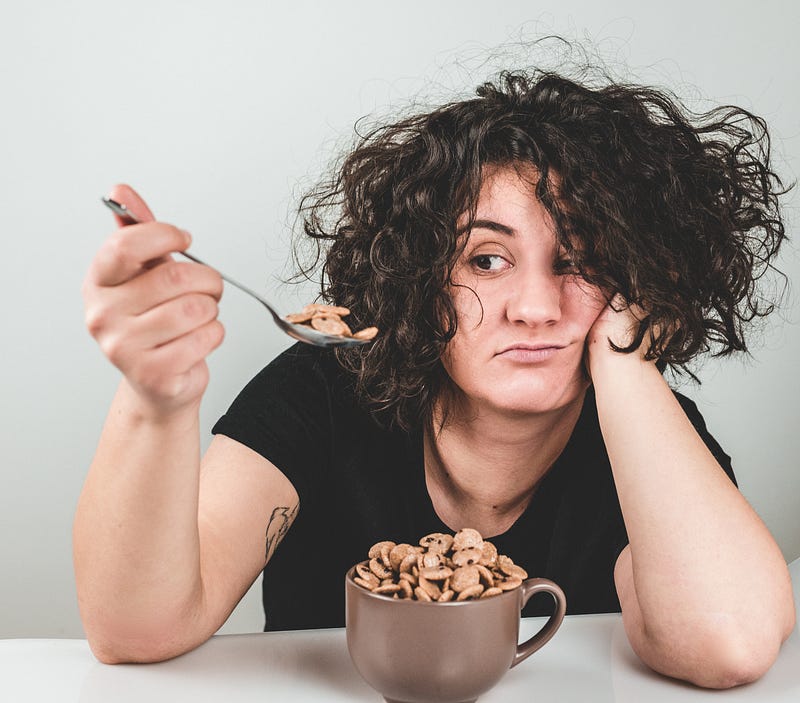
They’re one of three types of food that give your body energy. The other two are proteins and fats. Together, they provide the fuel for your body.
👉👉👉How do carbs affect my weight?
If you eat too much of anything, you’ll gain weight. You’ll gain weight whether you eat a high-fat or high-carbohydrate diet. Carbohydrates have fewer calories than fats, gram for gram.
👉👉👉How many carbs should I eat?
A daily carbohydrate intake of 100–150 grams may be beneficial for persons who are physically active or want to maintain their weight. Going under 50 grams per day under the supervision of a healthcare expert may help those who want to lose belly fat fast.
👉👉👉What are good sources of carbs?
You can find starchy carbohydrates in:
- Beans and legumes, such as black beans, chickpeas, lentils, and kidney beans.
- Fruits, such as apples, berries, and melons.
- Whole-grain products, such as brown rice, oatmeal, and whole-wheat bread and pasta.
- Vegetables, such as corn, lima beans, peas, and potatoes.
👉👉👉What are carbs high in?
Most grains, such as rice, wheat, and oats, are high in carbs and should be consumed in moderation or avoided while following a low-carb diet. On a low-carb diet, most bread and grains, including whole grains and whole-grain bread, are too high in carbs to be consumed.
👉2. Eat more fruit and veggies
👉👉👉What are fruits and vegetables?
A diet rich in vegetables and fruits can lower blood pressure, cut the risk of heart disease and stroke, prevent some types of cancer, reduce the risk of eye and digestive issues, and help control appetite by regulating blood sugar.
Non-starchy fruits and vegetables, such as apples, pears, and green leafy vegetables, may help you lose weight.
Their low glycemic index helps to reduce blood sugar spikes, which might make you hungry.
👉👉👉What is the recommended intake of fruits and vegetables?
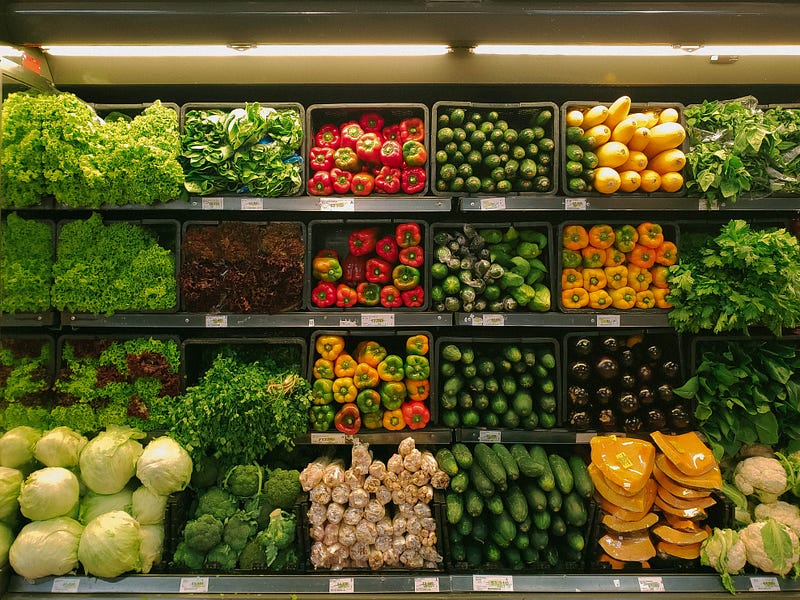
Adults should consume at least 1.5 to 2 cups of fruit a day and 2 to 3 cups of vegetables per day, depending on their age and gender, according to federal guidelines.
👉👉👉How many servings of fruits and vegetables should I eat in a day?
According to the USDA, five to nine servings of fruits and vegetables should be consumed each day.
Experts say 10 servings of fruits and vegetables a day may seem excessive, especially for those who dislike the taste, texture, or smell of fruits and vegetables, but there are methods to include them in your daily routine.
👉👉👉Is it better to eat fresh or frozen fruits and vegetables?
Because processing destroys some of the nutrients, fresh fruits and vegetables are better for you than canned or frozen. Canned and frozen fruits and vegetables have nutritious content that is comparable to fresh, and in some circumstances, even higher.
👉👉👉How many calories do fruits and vegetables have? At an average of 90 calories per serving.
👉👉👉What is the difference between a vegetable and a fruit?
Fruits are produced by plants’ flowers, while the other parts of the plant are categorized as vegetables.
Fruits have seeds, whereas vegetables have roots, stems, and leaves.
Vegetables have a more mild or savory flavor and are typically served as a side dish or main course.
👉👉👉Can I eat too many fruits and vegetables?
According to Brooke Schantz, RD, of Loyola University Health System, it is possible to overeat healthy meals, which may make you scratch your head. “While fruits are healthful, eating too much of anything can lead to weight gain.
👉3. Pump up the protein
👉👉👉How to get protein without the meat
Pulses. Pulses are an inexpensive protein choice, are high in fiber, and are a source of iron.
- Soya beans.
- Quinoa.
- Nuts.
- Seeds.
- Cereals and grains.
- Dairy.
👉👉👉How does protein help me lose weight?
You can lower hunger hormones and increase satiety hormones by substituting carbs and fat with protein.
This reduces hunger and is the primary reason protein aids in the fight against appetite. It can make you involuntarily consume fewer calories.
👉👉👉Will I get enough protein if I only eat vegetables? A diet rich in vegetables, whole grains, beans, soy foods, and nuts and seeds can provide enough protein.
👉👉👉What is the difference between plant-based protein and animal-based protein?
Complete proteins are found in animals. This means they have all of the important amino acids your body needs. Plant proteins are frequently, but not always, incomplete sources of protein. Both forms of protein have advantages and disadvantages.
👉👉👉Is there any nutritional value in animal-based protein? Bottom Line: Animal protein sources have more vitamin B12, vitamin D, omega-3 fatty acid DHA, heme-iron, and zinc than plant-based protein sources.
👉👉👉What is the best type of protein? Animal-derived proteins (eggs, milk, meat, fish, and poultry) have the highest quality rating of all food sources.
👉👉👉How much protein should I be eating every day?
A sedentary adult should ingest 0.8 grams of protein per kilogram of body weight, or 0.36 grams each pound, according to the Dietary Reference Intake report for macronutrients.
That means a sedentary male should consume 56 grams of protein per day, while a sedentary woman should consume 46 grams.
👉4. Move around
The best way to lose weight is through cardio exercise, according to the U.S. Department of Health and Human Services.
Just find 30 minutes in your day where you can work out.
If it doesn’t interfere with anything else, your best option is to work out in front of the TV. You can also listen to music while doing abdominal crunches, pushups, sit-ups, and treadmill runs. — Excerpt, 5 Simple Exercises to Lose Weight Fast at Home
Also, the best exercises are the ones you can do at home. And while finding the time to exercise can be hard when at home, you need to find a schedule that you can follow regularly.
👉5. Don’t drink your calories
👉👉Drink Water
Even Tim Ferris said, don’t drink your calories. So be careful with what you drink, and slowly but consciously add more water to your daily eating habits and make a water drinking routine.
If you have heard of the “drink a gallon of water a day,” it is best to find out first exactly how many water bottles make a gallon.
A new study published in the Journal of Clinical Endocrinology and Metabolism found that drinking 17 ounces of water increases resting energy expenditure by 30% in young, healthy women. This can help you burn an extra 170 calories per day.
Within 10 min after drinking water, energy expenditure started to increase.
This increase in resting energy expenditure burns more calories throughout the day, which makes a big impact when it comes to calorie reduction.
👉👉👉Why is drinking a glass of water a good idea? Constipation, urinary and bladder infections, kidney stones, and skin dehydration may all be alleviated by drinking more water and remaining well hydrated.
👉👉👉How do I stop craving soda? Start by substituting diet sodas for sugared sodas. Reduce your intake gradually by substituting an alternate drink for one regular soft drink (or one diet soda) per day. If you truly want to add some flavor to your life, consider calorie-free flavored waters and seltzers.
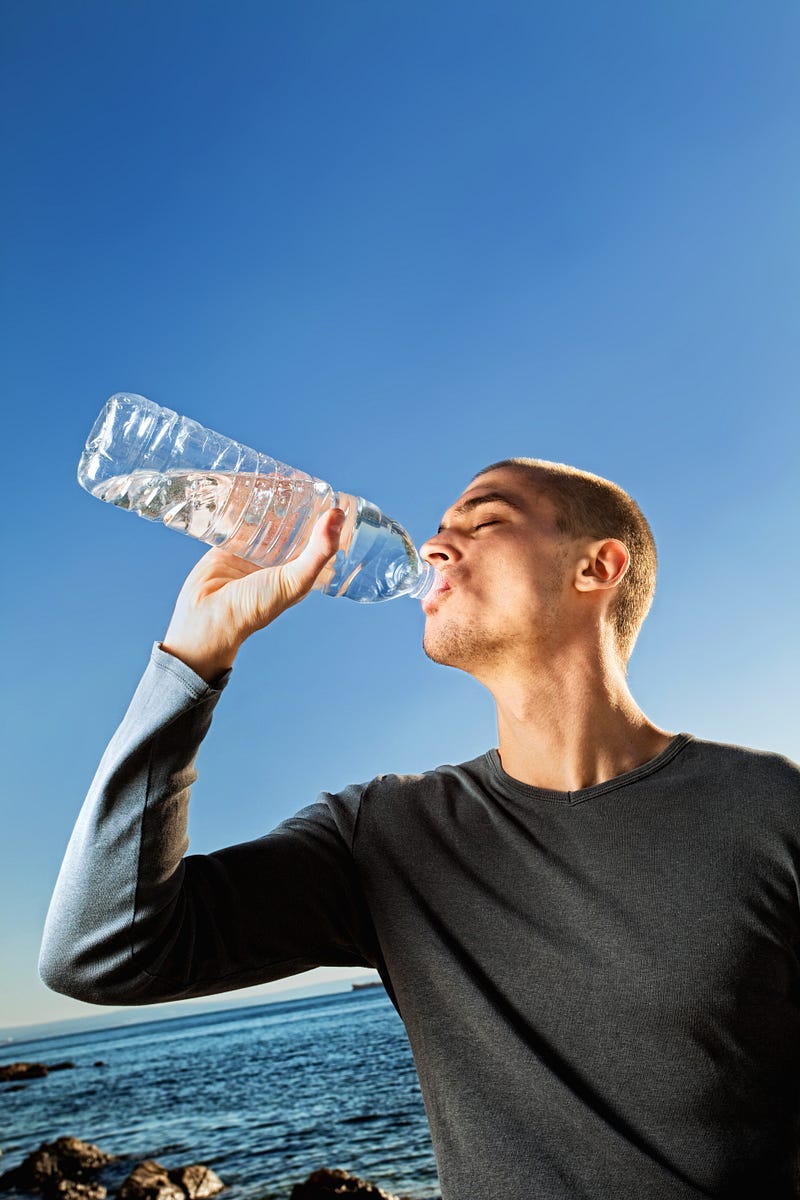
👉👉👉Are there any downsides to drinking a lot of water? It is believed that excessive water drinking might cause fluid overload and imbalance in the body. Excess water can cause the body’s sodium levels to drop, which can lead to nausea, vomiting, cramping, exhaustion, and other symptoms. Hyponatremia. is the medical term for this disorder.
👉👉👉Do you have a favorite flavor of water? Citrus fruits like lemons, limes, and oranges are traditional water enhancers, but other fruit flavors may also appeal to your palate. Try crushing fresh raspberries or watermelon into your water, or adding strawberry slices. Cucumber and fresh mint are very refreshing flavors, particularly in the summer.
👉👉👉How much water should I drink in a day? The U.S. National Academies of Sciences, Engineering, and Medicine determined that an adequate daily fluid intake is: About 15.5 cups (3.7 liters) of fluids a day for men. About 11.5 cups (2.7 liters) of fluids a day for women.
👉👉👉Why is it important to drink water with food? Drinking water before, during, and after a meal can help with digestion. Water is vital to one’s health. Water and other liquids aid in the digestion of meals so that nutrients can be absorbed. Water also softens feces, which aids in constipation prevention.
👉6. Eat more slowly
👉👉👉How long should I eat? If you’re trying to lose weight or maintain your weight, Dr. Heinberg recommends taking longer than 20 minutes to consume a meal — ideally 30 minutes — so that your brain can catch up with your stomach.
👉👉👉How do I know if I am eating too fast?
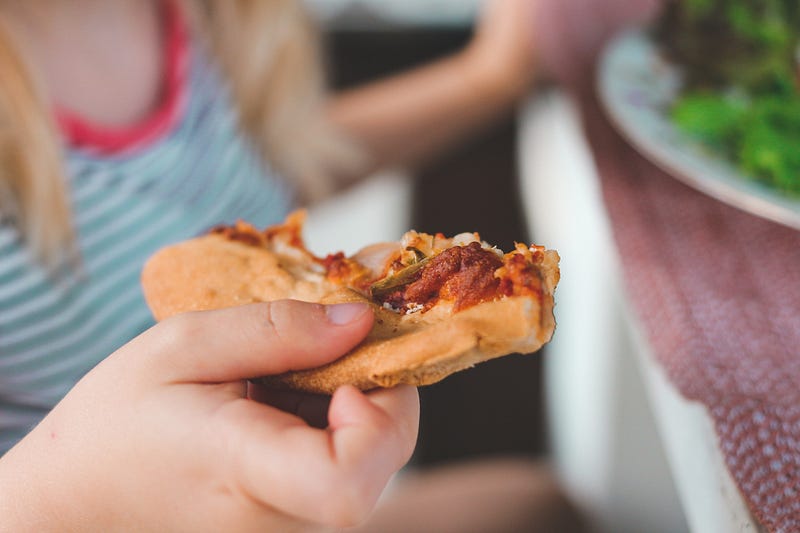
Fast eaters frequently complain about bad digestion as a result of their eating habits. They may take larger bites and chew their meals less, causing digestive problems. Reduced satisfaction. Fast eaters, on the other hand, tend to find their meals less enjoyable than slow eaters.
👉👉👉What is the difference between chewing and digesting? Chewing is the first step of digestion. Chewing and saliva help to break down and mix food in the mouth. When you swallow, food travels down your esophagus. Food is pushed into your stomach by your esophagus.
👉👉👉Why should I eat more slowly? Eating slowly helps you eat less. Following a meal, your gut suppresses the hunger hormone ghrelin while simultaneously releasing fullness hormones. These hormones signal to your brain that you’ve eaten, which suppresses your appetite, makes you feel full and aids in stopping you from eating.
👉👉👉How does eating too fast make me feel?
By eating slowly and deliberately, this small lifestyle change can help your body when it comes to digestion, weight, and nutrition.
You swallow more air when you eat too quickly, which can cause bloating and gas. Slowing down to chew your meal properly aids digestion by breaking down larger food particles into smaller ones.
👉👉👉What are some things I can do to eat more slowly?
Here’s some advice to help you start eating more slowly:1. Avoid extreme hunger. It’s hard to eat slowly when you’re very hungry. 2. Chew more. 3. Set your utensils down. 4. Eat foods that need chewing. 5. Drink water. 6. Use a timer. 7. Turn off your screens. 8. Take deep breaths.
👉👉👉What are some benefits of eating more slowly?
1. Improving your digestion 2. Helping you better absorb nutrients 3. Making you feel calmer and more in control 4. Reducing your levels of stress
👉7. Sleep well
👉👉👉How can I lose a few pounds by sleeping?
This stress hormone tells your body to save energy so you can get through the day. You’re more likely to keep your weight on. Researchers discovered that when dieters cut back on sleep for 14 days, the amount of fat weight they shed was reduced by 55%, even though their calorie intake remained the same.
👉👉👉What are the benefits of sleeping well?

- Get sick less often.
- Stay at a healthy weight.
- Lower your risk for serious health problems, like diabetes and heart disease.
- Reduce stress and improve your mood.
- Think more clearly and do better in school and at work.
- Get along better with people.
👉👉👉How much sleep should I get? According to the National Sleep Foundation, healthy adults require between 7 and 9 hours of sleep per night.
Babies, young children, and teenagers require considerably more sleep to allow for their development and growth. People over the age of 65 should receive 7 to 8 hours of sleep per night.
👉👉👉How can I sleep better? During the day, strong light or natural sunlight can help keep your circadian rhythm healthy. This boosts both daily energy and overnight sleep quality.
👉👉👉What are some foods that make me sleepy? Best foods and drinks you can have before bed to help you get enough sleep.
Almonds — Almonds are a type of tree nut with many health benefits. Turkey — Turkey is delicious and nutritious. Chamomile tea. Kiwi. Tart cherry juice. Fatty fish. Walnuts. Passionflower tea.
👉8. Brush your teeth

Brushing one’s teeth after a meal has been reported to be beneficial by some people. It makes food taste unpleasant, and you’re less inclined to grab a snack as a result.
Speaking of snacks, if you can choose healthy snacks instead it will be better for you.
Conclusion
What is the fastest way to kick-start a healthy lifestyle? The fastest way is to start today. Forget about the past, if you are thinking ‘here we go again.’ A positive attitude goes a long way, and there are different ways to achieve our goals of having a healthy body and good mental health.
Today is an opportunity to be healthy and the small changes you make will benefit your health. Each step leads to a happier life.
Disclaimer: Please keep in mind that this is not health advice. Please get medical advice before you embark on starting activities to live a healthy lifestyle. Exercise and Diet are serious matters better left discussed with a medical professional.
Thank you for reading. Originally published as part of The Ultimate Tips on How to Lose Weight Fast by Exercise — Free Reading.
Check out the free reading links below.
5 Simple Exercises to Lose Weight Fast at Home — Free Reading.
How To Lose Weight in 30 Days at Home Without Starving [2022] — Free Reading.
What Does Losing 20 Pounds Do for Your Body, Ask Will Smith — Free Reading.
What Does a 20-Pound Weight Gain Do to Your Body, Ask Will Smith — Free Reading.
How I Failed to Lose Weight for Years Until I Made One Simple Change — Free Reading.
👉Claim your offer.
If you enjoyed this article, please consider joining Medium by clicking on this link. I may earn a little commission to buy myself a decent cup of coffee. Thank you.


