
7 Terrifying Stories From History’s Darkest Prisons
Nightmares behind bars — Dark tales of injustice and horror.
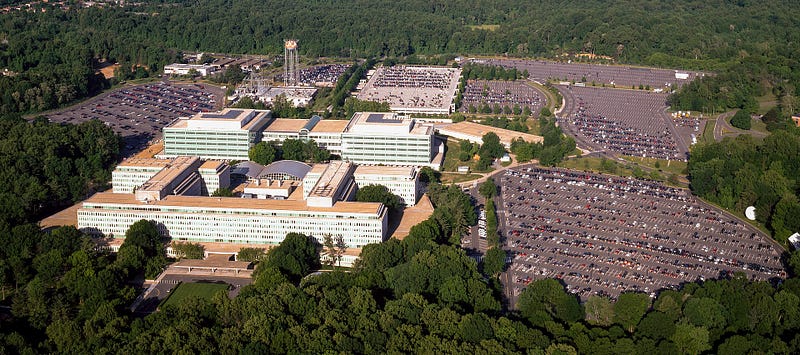
The world’s prisons are some of the most eerie and mysterious places on Earth. They represent a limbo between life and death, a place where justice and injustice co-exist.
Within their walls lies a history of violence, fear, and dread. In this article, we explore seven of the world’s most haunted and notorious prisons, each with a dark and disturbing story to tell.
From long-abandoned dungeons to maximum security facilities, we uncover the stories of those who were locked up and forgotten, tales of terror and heartache that still haunt the walls of these grim institutions.
7- The Mamertine — Tulianum
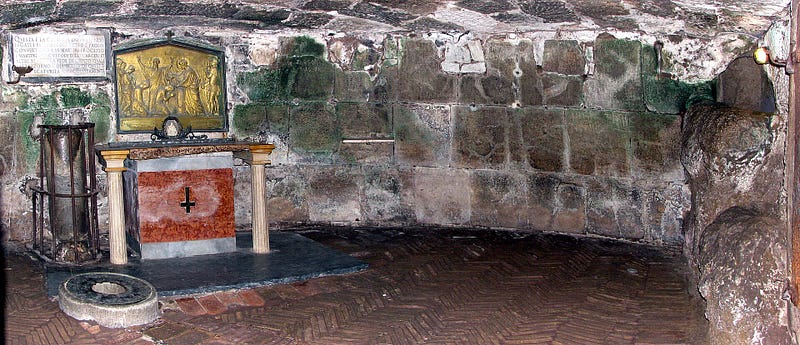
One of the world’s oldest prisons, the Mamertine, is located in Rome, Italy. This underground prison, dating back to 640 B.C., was used to confine and execute prisoners of war, traitors, and other criminals.
The prison was a dark, damp, and unsanitary place where prisoners were thrown into tiny cells, often left to die of starvation and neglect.
According to legend, the apostles’ Peter and Paul were once held in the Mamertine before their executions. Today, the prison is open to the public and is known for its eerie atmosphere and haunting echoes.
Many visitors have reported feeling a cold presence and hearing strange noises, making it one of the world’s most haunted prisons.
Despite its historical significance, the Mamertine brutal past and paranormal activity serve as a reminder of the horrors that prisoners endured in the ancient world.
6- Rikers Island — New York City
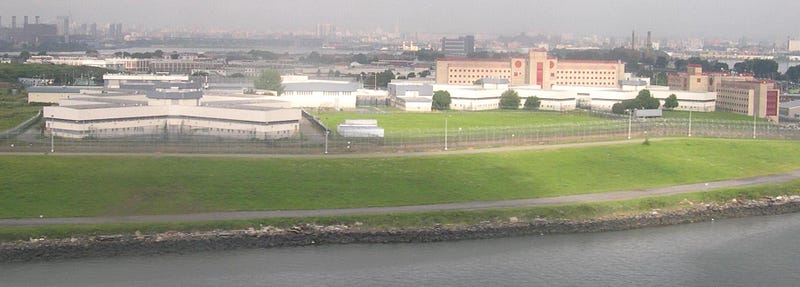
Rikers Island is a name that strikes fear into the hearts of many. The infamous prison complex in New York City has a reputation for being a place of violence and despair.
In 2008, prisoner Christopher Robinson allegedly pummeled his cellmate to death because he refused to join a Fight Club. But the worst part of this entire ordeal is that the Fight Club in question was supervised by correctional officers.
Three guards oversaw a scheme where prisoners would fight each other for the entertainment of the guards.
It’s horrifying to think that those who are meant to be in charge of keeping the peace would instead encourage violence and brutality.
This incident is just one example of the rampant corruption and abuse that has plagued Rikers Island for decades.
It’s no wonder that many consider it to be one of the world’s most haunted prisons.
5- ADX Florence —Home To Country’s most dangerous Criminals
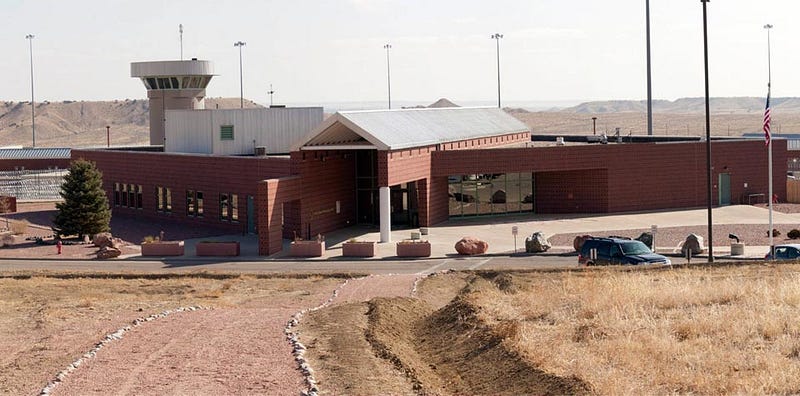
Located in Colorado, ADX Florence is known for its harsh treatment of prisoners, including the use of extreme isolation. Inmates spend 23 hours a day in their cells, with limited human contact and almost no access to outside stimulation.
The prison has been called the “Alcatraz of the Rockies” and is home to some of the country’s most dangerous criminals.
Inmates at ADX Florence have described their time there as “psychological torture,” with many experiencing depression, anxiety, and suicidal thoughts.
The prison has been the subject of multiple lawsuits and allegations of human rights abuses. Despite this, it remains one of the most secure prisons in the world, with few successful escape attempts.
In 1998, inmate Thomas Silverstein was placed in the “control unit” at ADX Florence after being accused of murdering a prison guard. He remained in isolation for 35 years, the longest time in US prison history.
The conditions of his confinement sparked controversy and criticism from human rights organizations.
While ADX Florence may be effective in keeping dangerous criminals off the streets, its methods have come under scrutiny.
The use of extreme isolation and lack of human contact can have serious mental health consequences for inmates, and some argue that it goes against basic principles of human dignity.
4- Pitesti Prison —The Communist Era
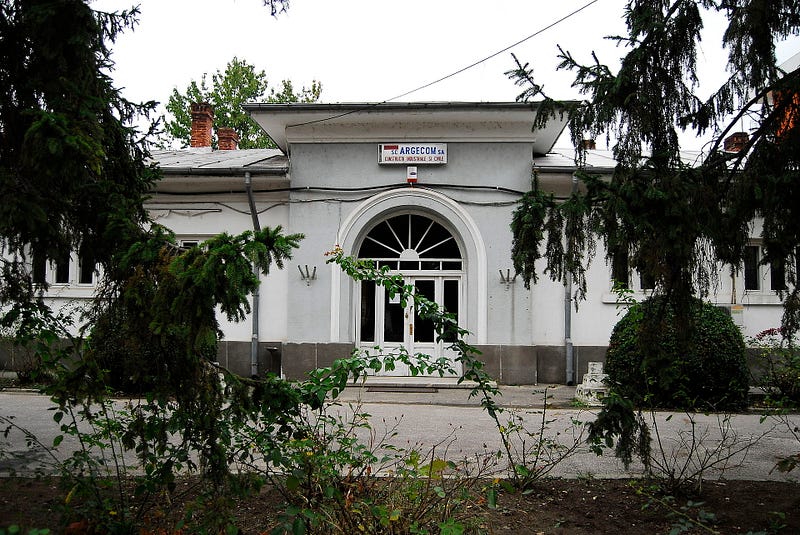
Pitesti Prison in Romania is infamous for its gruesome treatment of inmates during the Communist era.
It was a place where the concept of re-education was taken to the extreme, with prisoners subjected to brutal and sadistic torture techniques aimed at breaking their will and turning them into obedient puppets of the regime.
The methods used at Pitesti were based on a twisted interpretation of psychology and Marxist ideology and included physical beatings, psychological abuse, sensory deprivation, and even forced homosexuality.
Inmates were forced to abuse each other and denounce their own families and beliefs while their tormentors enjoyed absolute power over them.
The consequences of this treatment were devastating, as many prisoners were driven to madness or suicide while others were scarred for life.
The legacy of Pitesti lives on in the memories of its survivors, who bear witness to the horrors they endured and the strength of the human spirit in overcoming them.
3- CIA — Experiments And Human Rights Violations

The Central Intelligence Agency, or CIA, is infamous for its secretive operations and covert missions.
In the 1960s and 70s, the agency was involved in several disturbing experiments and human rights violations, including mind control experiments on unsuspecting subjects.
One of the most horrifying CIA programs was the use of torture on prisoners during the War on Terror.
Reports have revealed the use of waterboarding, sleep deprivation, and other cruel techniques in CIA-run prisons.
Many of these prisons were located in secret locations, known as “black sites,” where prisoners were held indefinitely without access to legal representation or human rights organizations.
The use of torture has been condemned by many human rights groups, who argue that it is both unethical and ineffective.
The CIA’s actions have raised serious questions about the morality of torture and the lengths to which governments will go to obtain information from prisoners.
Despite the controversy, the CIA continues to operate in secrecy, and the full extent of its activities remains unknown.
2- Tuol Sleng Genocide Museum — Phnom Penh, Cambodia

The Tuol Sleng Genocide Museum in Phnom Penh, Cambodia, is a stark reminder of the atrocities committed by the Khmer Rouge regime in the 1970s.
The former high school was turned into Security Prison 21 (S-21), where over 14,000 prisoners were tortured and executed.
The museum showcases the tiny cells and torture rooms where prisoners were subjected to electrocution, waterboarding, and other brutal techniques.
The walls are adorned with haunting portraits of prisoners, many of whom were children. Today, the museum serves as a memorial to those who lost their lives in S-21 and a reminder to the world of the dangers of extremism.
A visit to Tuol Sleng is a sobering experience but one that is essential for anyone seeking to understand the depths of human cruelty and resilience.
1- Cell Block D — Ohio State Reformatory
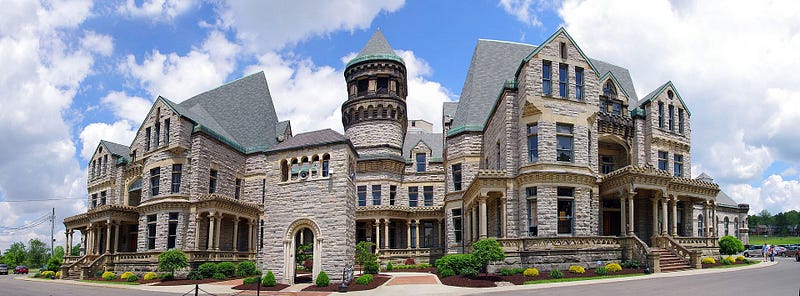
One of the most haunting places in the world’s most haunted prisons is cell block D in Ohio State Reformatory. This prison was built in the late 19th century and housed more than 150,000 prisoners during its operation.
However, cell block D stands out because it was where the most dangerous and violent inmates were held. This cell block had some of the worst conditions of any prison.
Inmates were crammed into tiny cells that barely had enough room for a single person to lie down. The cells had no heat or running water, and the smell of urine and faces permeated the air.
Many inmates died in cell block D due to overcrowding, lack of medical attention, and brutal violence from other inmates. Some prisoners even resorted to self-harm as a way to cope with the extreme conditions.
But the most chilling part of cell block D is the “hole.” This was a small, dark room where inmates were locked up as punishment for misbehavior.
The room had no windows, no lights, and no ventilation. Inmates would be left in the hole for days or even weeks with no food or water.
Today, cell block D is a popular tourist attraction and has even been used as a filming location for movies and TV shows.
However, many visitors report feeling a sense of dread and unease when they enter the cell block. Some have even reported seeing apparitions of former inmates or hearing whispers and screams coming from the cells.
Points To Ponder
After reading these dark and terrifying prison stories from history, it’s hard not to feel a sense of gratitude for the safety and freedom we enjoy today.
These stories serve as a haunting reminder of the horrors that can happen when human beings are stripped of their rights and subjected to unimaginable cruelty.
While it’s easy to condemn the individuals responsible for these atrocities, it’s important to remember that these institutions were also enabled by the larger societal structures and political systems that allowed them to exist.
It’s up to all of us to remain vigilant and ensure that we continue to progress towards a more just and equitable society where such atrocities can never happen again.
Join Medium Today
More from the author:


