
7 PHP Functions I Regret I Didn’t Know Before
Excellent php functions to code better

If you are an experienced PHP developer, you might have the feeling that you’ve been there and done that already.
You have developed a significant number of applications, debugged millions of lines of code, and tweaked a bunch of scripts to achieve optimum performance.
But from time to time, you will come across a function that makes you ask, ‘How come I did not know about this?’ Here are seven little-known PHP functions that I wish I had learned earlier.
1. array_column()
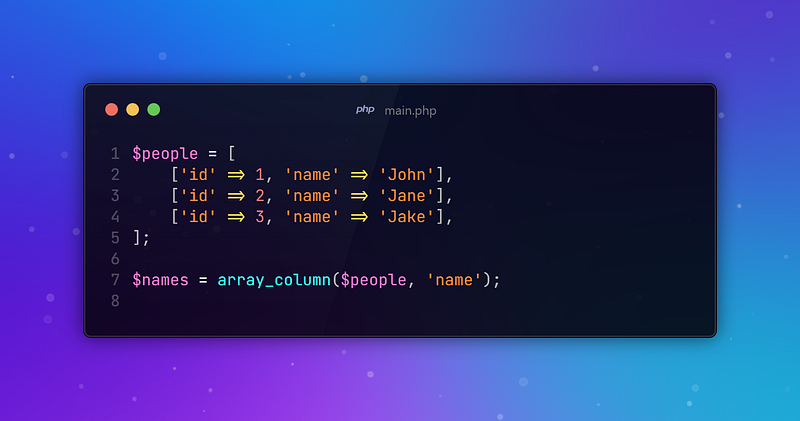
Before I discovered array_column(), I used to manually loop through multi-dimensional arrays to extract out the specific columns. It is a boring process; one is bound to mess up somewhere.
This function takes out a single column of values from a multi-dimensional array, doing all the heavy lifting for you. It’s a real game-changer when dealing with database result sets and makes your code cleaner and more efficient.
2. password_hash()
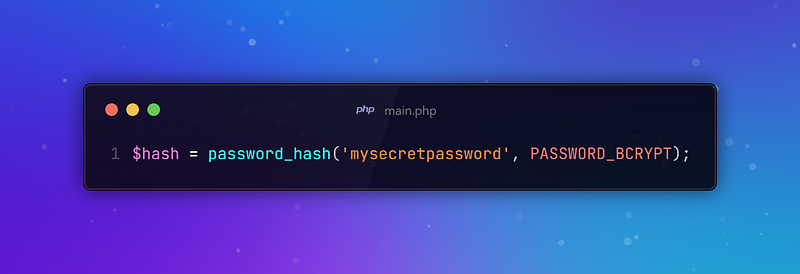
Security is a very huge concern in web development, especially when dealing with user credentials.
I used to rely on md5() or sha1() for hashing passwords in the past, not even aware of how they could really be so vulnerable against the most common kind of attack — brute force.
Then came password_hash(); it doesn’t only handle salting automatically but also provides a safe and recommended way to hash passwords with modern algorithms.
3. array_diff_key()
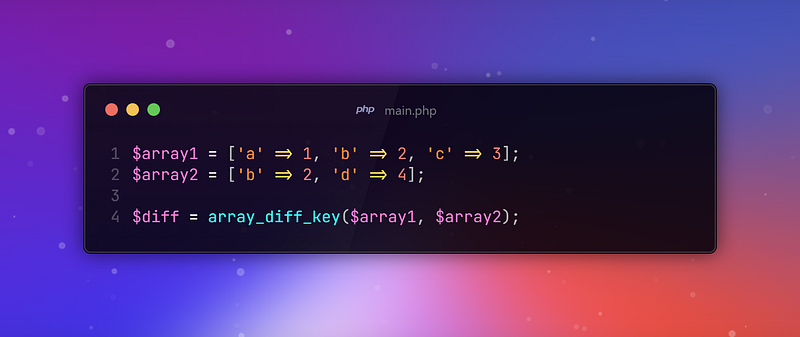
Managing associative arrays can be a pain, and one of the things that pains me most is comparing two of them.
I have a function, mostly used for debug output, where I loop through two arrays and diff them. array_diff_key() makes this much easier.
It behaves much like array_diff(), but compares the keys rather than the values, quickly showing key differences that can be hard to spot when you’re just eyeballing two large arrays side by side, especially if the differences are multi-level deep. This is particularly useful in.
4. array_replace_recursive()
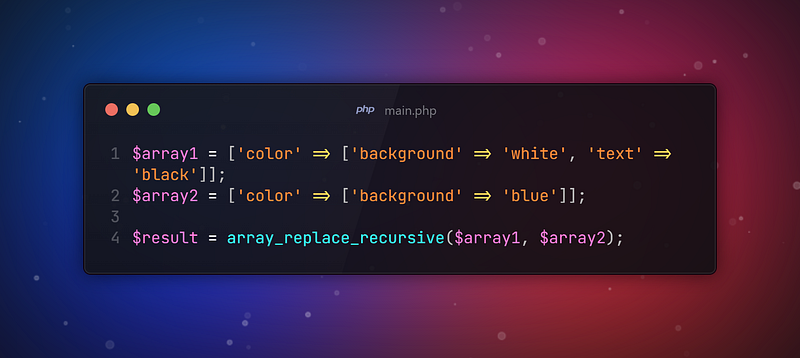
Very deeply nested arrays can sometimes make mergers grow to become a pain when dealing with the configuration files or some other complex data structure.
There is a place for array_merge_recursive(), but sometimes it merges the values in ways that you don’t want. array_replace_recursive() is a bit better in this matter, because it overrides the values.
Therefore, it fits perfectly when you need to replace an existing value within a nested array without creating redundancy in the entry.
5. stream_context_create()
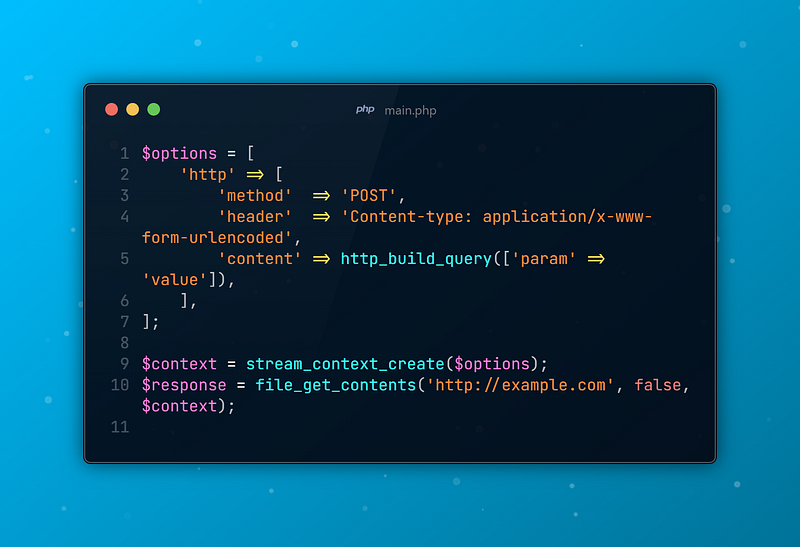
This one really took me by surprise. I used to fall back on cURL in order to make HTTP requests, but stream_context_create() is a far easier, native way of going about it.
You can create your own context options for file streams, HTTP requests and many other things that come under stream operations without needing other extensions.
It’s lightweight and very flexible for the operations of handling different data streams — like API calls or complex file handling.
6. fnmatch()
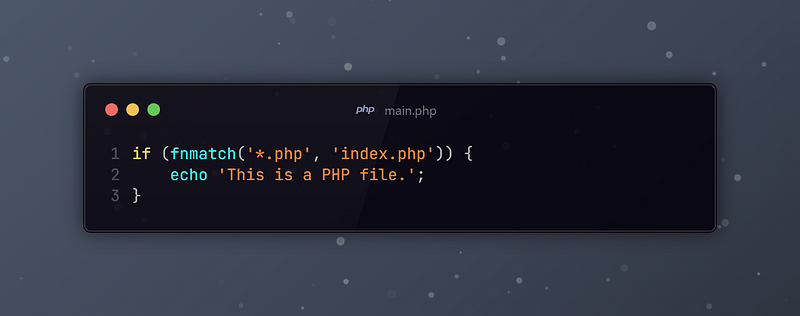
Pattern matching is a recurring chore in every developer’s life, where the use of regular expressions feels like overkill most of the time.
The fnmatch() function provides a more convenient way to match filenames or strings using wildcard matching.
This function is great for filtering files or even just doing quick string comparisons without the complexity of regular expressions.
7. spl_autoload_register()
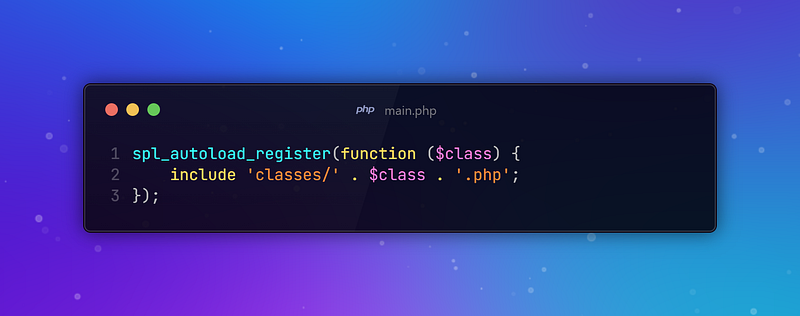
Before learning about spl_autoload_register(), I would manually put a require or include statement for every class file.
The function helps in the automation of including classes, and indeed, it is possible to establish autoloaders for your classes quickly.
This function becomes very integral to how modern PHP treats autoloading, especially with the rise in PSR standards.
Wrapping Up
All the time there will be a function you are going to meet. The learning path has not have a end. You need to be curious about programming every day.
In this article I wanted to explain some of functions that you should know. I hope it’ll help you to code better.
Have a wonderful day!
Stay conected, Stay online.
Thanks for coming this far 🎉
- 👏 Could you please clap the story to help spread the article? (50 applause).
- 📩 Also if you want to my newsletter: https://yunus-emre-adas.ck.page/c090914848
You can reach me from the links below:
To access my other articles:


