
7 Most Horrible Events We Wish Never Happened — The Dark Days In History
Terrible times in history you wouldn’t want to live through.
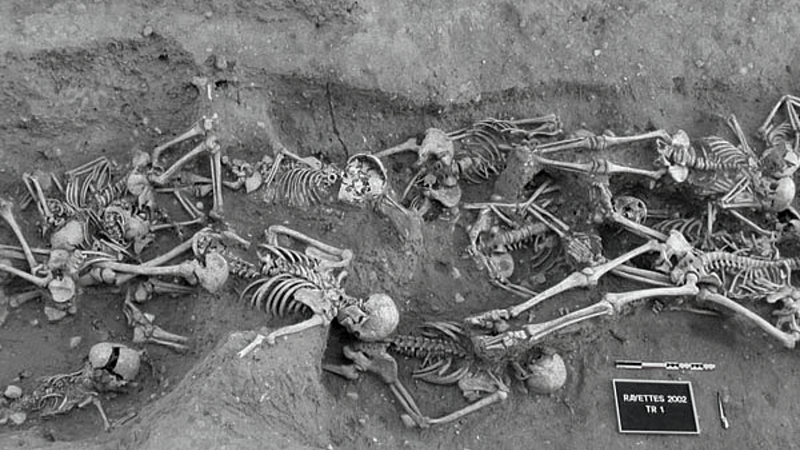
Throughout history, there have been some truly terrible moments in time that no one would ever want to experience.
From the devastation of war to natural disasters, these events have changed the course of history and affected millions of lives.
In this article, we’ll take a look at seven of the most terrible times in history that you wouldn’t want to live through. We’ll explore their causes, effects, and the long-term impact these events had on the world.
7- Earthquake And Tsunami, Japan — The Power Of Resilience
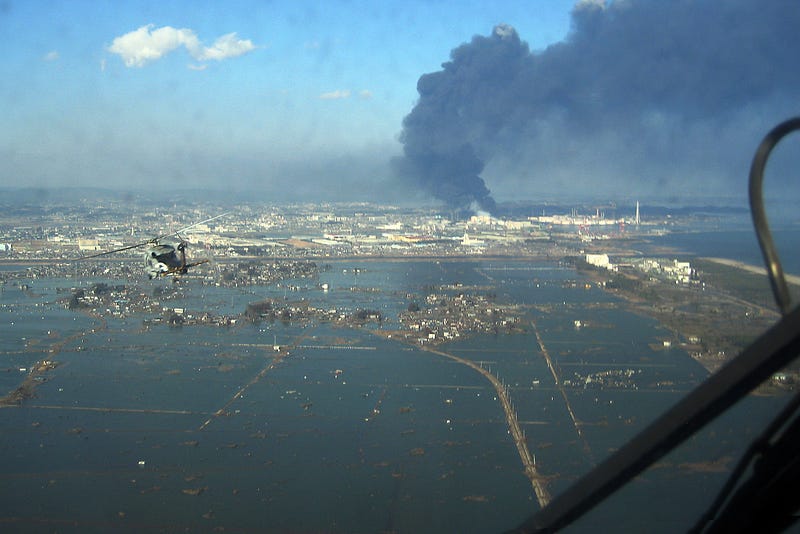
In 2011, Japan was hit with a 9.0 magnitude earthquake, the largest ever recorded in the country. This event caused widespread damage, leading to over 15,000 deaths and countless injuries.
It was followed by a massive tsunami that destroyed entire cities, causing nuclear plant failures and leaving the country devastated.
The disaster had far-reaching consequences for Japan, impacting its economy, social structure, and cultural traditions. The government had to deal with enormous reconstruction costs and loss of human life.
Thousands of people were displaced, leading to homelessness and mental trauma. It also affected the global economy, causing a ripple effect in the international market.
The 2011 Japan Earthquake and Tsunami was a devastating event that no one would ever want to experience. It is a reminder of the importance of disaster preparedness and the need for a global response to natural disasters.
Even though it was a tragedy, it brought the world together in solidarity to help Japan recover. We must learn from these past events and work towards creating a safer future for all.
6- The Black Death — Deadliest Pandemic In History
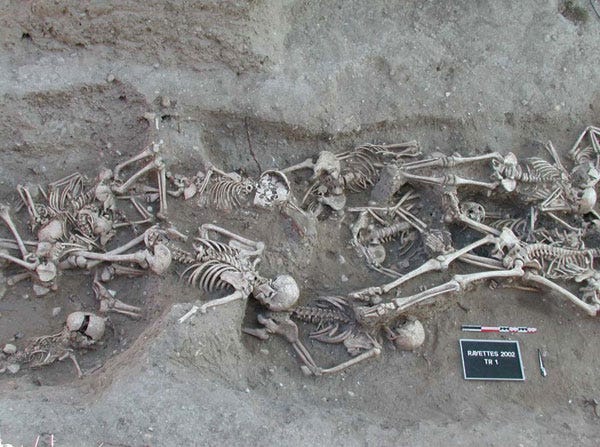
The Black Death was considered to be among history’s most lethal pandemics. It is estimated to have killed up to 200 million people in Europe between 1347 and 1351.
The disease spread rapidly, killing indiscriminately, and left a trail of death and devastation in its wake.
The cause of the disease was unknown at the time, which only added to the panic and fear that swept through the affected areas.
The Black Death was caused by the Yersinia pestis bacterium, which was spread by fleas living on rats. The bacteria caused swelling of the lymph nodes, which was accompanied by high fever and severe pain.
This led to the development of large, painful boils that would often burst and spread the disease. The speed at which the disease spread was staggering.
It is believed that the Black Death reached London within a few weeks of first being reported in Europe. As it swept through cities and towns, people panicked and began to blame minority groups, such as Jews and foreigners, for the outbreak.
The Black Death had far-reaching consequences. Entire communities were wiped out, leaving few survivors. The economy was also devastated, as fields were left unworked and trade routes disrupted.
It took Europe several centuries to fully recover from the impact of the pandemic. Overall, the Black Death was a truly terrifying event in history, one that we should be thankful we didn’t have to live through.
The widespread death and devastation that it caused should serve as a reminder of the importance of public health measures and the need to be prepared for outbreaks of disease.
5- Yellowstone Eruption — Volcanic Activity
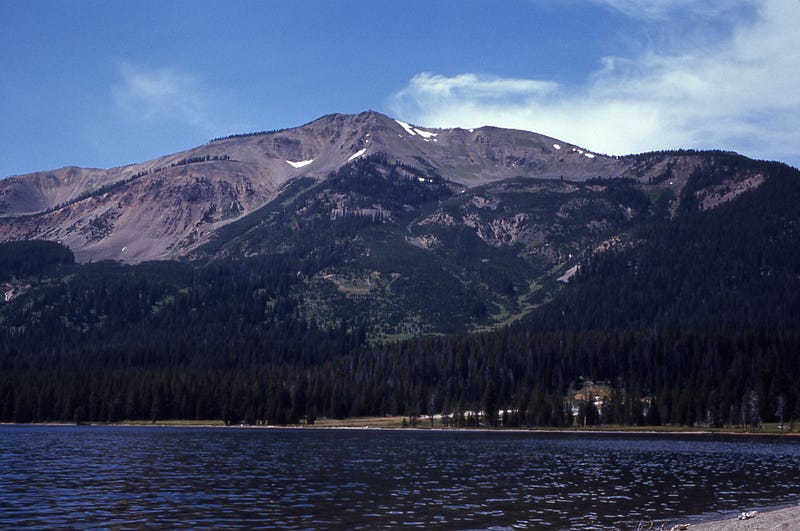
One of the worst times to experience in history would undoubtedly be the Yellowstone Eruption, which happened around 640,000 years ago. This cataclysmic event created a volcanic caldera that measures approximately 34 miles by 45 miles.
The eruption released more than 1,000 cubic kilometers of material into the atmosphere, leading to widespread devastation.
Scientists believe that the eruption was one of the largest volcanic eruptions ever recorded on the planet, causing a volcanic winter that lasted for years. This event led to a drop in global temperatures, which severely impacted the world’s ecosystems and resulted in the extinction of many species.
The eruption’s aftermath also caused significant geological changes, such as the formation of Yellowstone National Park and the region’s unique geothermal features.
However, this does not negate the fact that the Yellowstone Eruption was one of the most devastating events in human history.
While the Yellowstone Caldera is not currently active, the potential for another eruption remains a significant concern.
Scientists continue to monitor the region closely, recognizing that an eruption of that scale would be catastrophic and have severe implications for life on Earth.
4- World War II — Deadliest Conflict In History
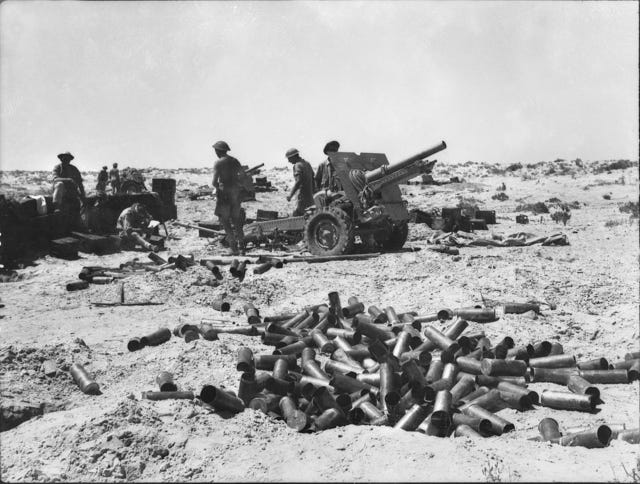
World War II is known to be one of the deadliest conflicts in history, causing the deaths of an estimated 70–85 million people worldwide.
It started in 1939 with the invasion of Poland by Nazi Germany and ended in 1945 with the surrender of Japan.
During the war, countless atrocities were committed, including the Holocaust, which resulted in the systematic genocide of six million Jews by the Nazi regime. Cities were bombed and civilians were targeted, causing immense suffering and loss of life.
The war also saw the use of devastating weapons, including atomic bombs dropped on the Japanese cities of Hiroshima and Nagasaki, causing massive destruction and the deaths of thousands of civilians.
The impact of World War II is still felt today, with the geopolitical landscape of the world having been changed significantly by the war’s outcome. The formation of the United Nations, the Cold War, and the rise of superpowers such as the United States and the Soviet Union were all a result of the war.
Living through World War II would have been a harrowing experience, filled with fear and uncertainty.
The constant threat of air raids and bombings, food shortages, and the loss of loved ones would have made daily life incredibly difficult. It is a time in history that we should never forget, and always strive to prevent from happening again.
3- Eruption Of Krakatoa — The Cataclysmic Effects
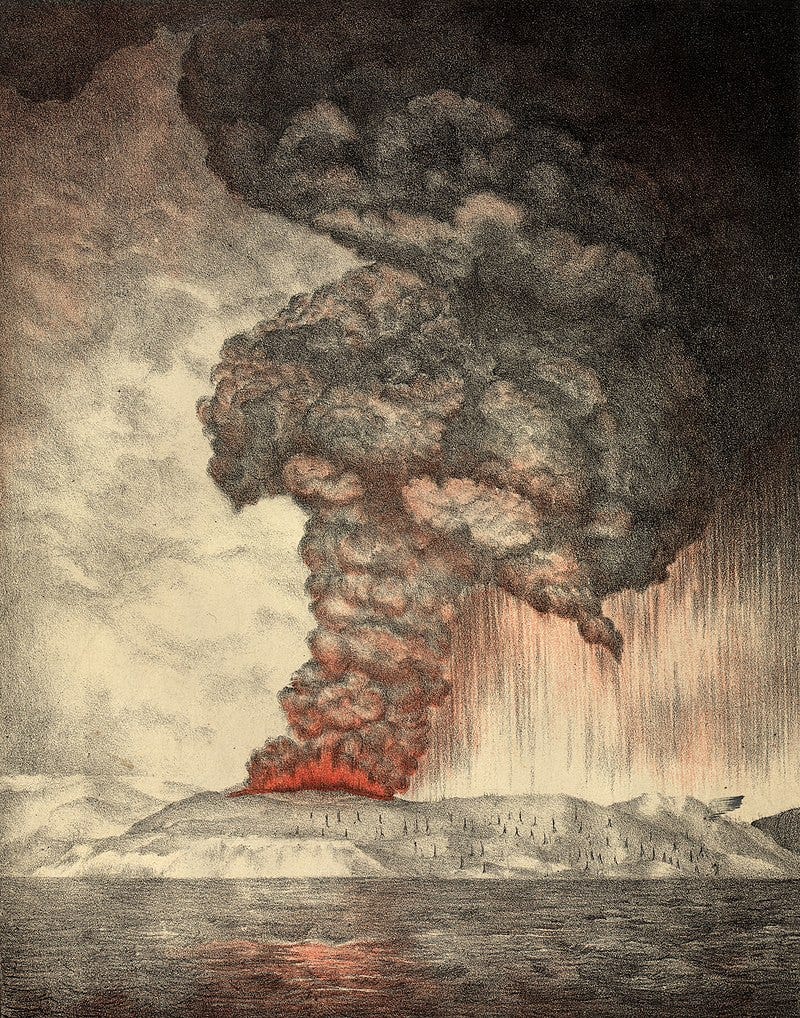
In August 1883, one of the most catastrophic volcanic eruptions occurred on the Indonesian island of Krakatoa. It was a devastating event that changed the world’s climate and geography.
The explosion was so loud that it was heard 3,000 miles away and it is estimated that the blast was equivalent to 200 megatons of TNT.
The eruption produced a series of tsunamis that were more than 130 feet high, which wiped out 165 villages and caused massive destruction.
The eruption was so powerful that it released enough ash into the atmosphere to cause a “volcanic winter” that lasted for years, and global temperatures dropped by 1.2 degrees Celsius.
This resulted in a worldwide decrease in crop yields, leading to famines that claimed the lives of millions of people. Moreover, the atmospheric effects of the eruption led to stunning red and orange sunsets worldwide.
2- Typhoon Haiyan — What You Need To Know
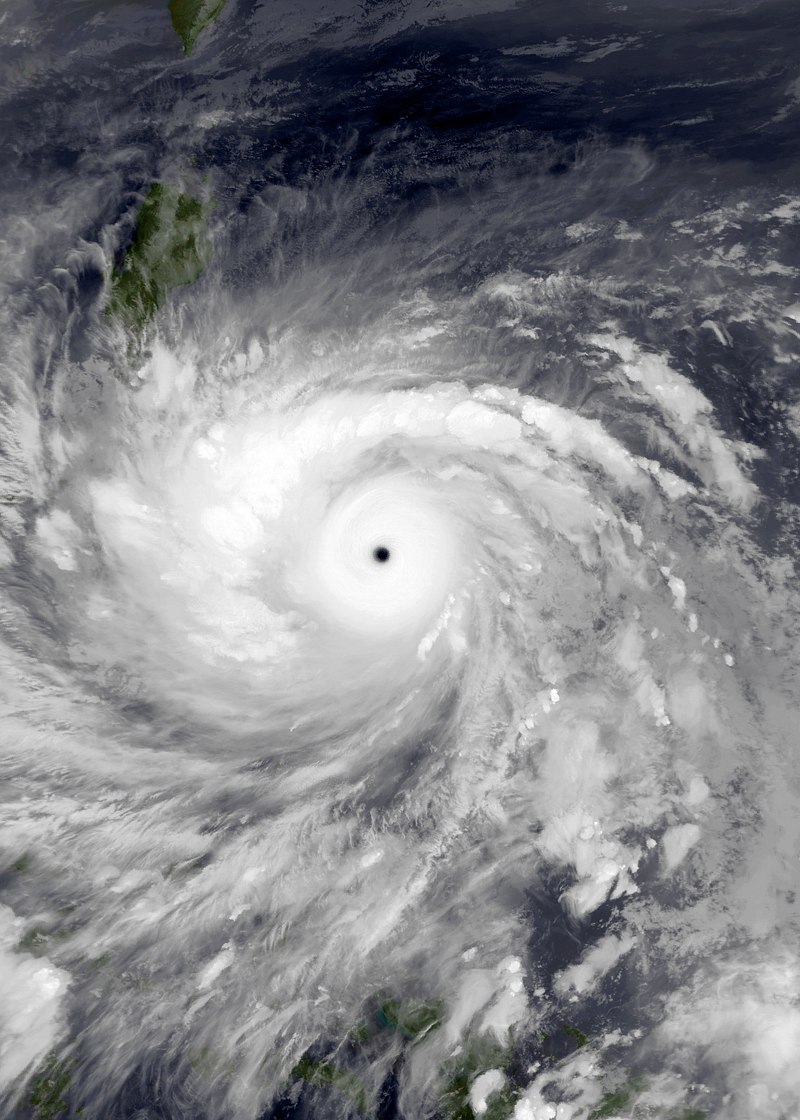
In November 2013, Typhoon Haiyan devastated the Philippines, leaving thousands dead and countless others displaced and struggling to survive.
The storm had wind gusts of up to 195 miles per hour and caused massive storm surges, leading to flooding and destruction on a catastrophic scale.
Despite the efforts of relief workers and aid organizations, many communities were left without access to necessities such as food, water, and medical care.
The aftermath of Typhoon Haiyan was a stark reminder of the devastating power of natural disasters, and the long road to recovery that communities must endure in their wake.
The resilience of those affected by Typhoon Haiyan was nothing short of inspiring, as people banded together to rebuild their lives and communities.
However, the sheer magnitude of the destruction left by the storm is a sobering reminder of the impact that climate change can have on our world and the urgent need for action to address its effects.
1- Permian Extinction — The Greatest Catastrophe In Earth’s History
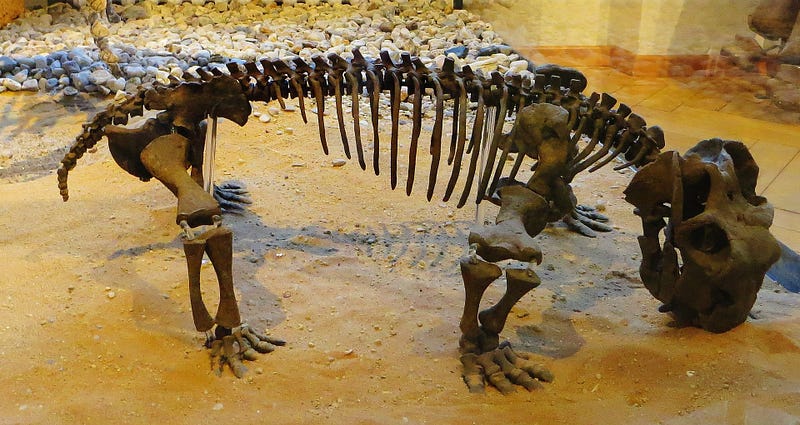
The Permian Extinction, which happened about 252 million years ago, is the worst extinction event in Earth’s history. It’s estimated that up to 96% of marine species and 70% of land species disappeared during this time.
The cause of this extinction event is still not entirely understood, but scientists believe it could have been due to massive volcanic activity or an asteroid impact.
The effects of the Permian Extinction were felt for millions of years after the event, with significant changes in the Earth’s atmosphere and climate.
It’s hard to imagine what it would have been like to live through such a catastrophic event, where life on Earth as we knew it was almost entirely wiped out.
It’s a reminder that our planet is constantly changing and that we must take care of it to ensure that we can continue to thrive as a species.
Points To Ponder
Reflecting on these seven terrible times in history, it’s clear that humanity has endured some of the most catastrophic events.
From natural disasters to pandemics to war, we’ve seen how these events have altered the course of history and claimed countless lives.
While we cannot change the past, it is essential to acknowledge and remember these events to prevent similar disasters from happening again.
As we continue to face challenges in the present, let us strive to learn from the lessons of the past and work towards a better future for all.
Join Medium Today
More from the author:


