
7 Top-Secret Government Files Now Public Knows About
Insider Look — Government secrets leaked to the press.
.jpg)
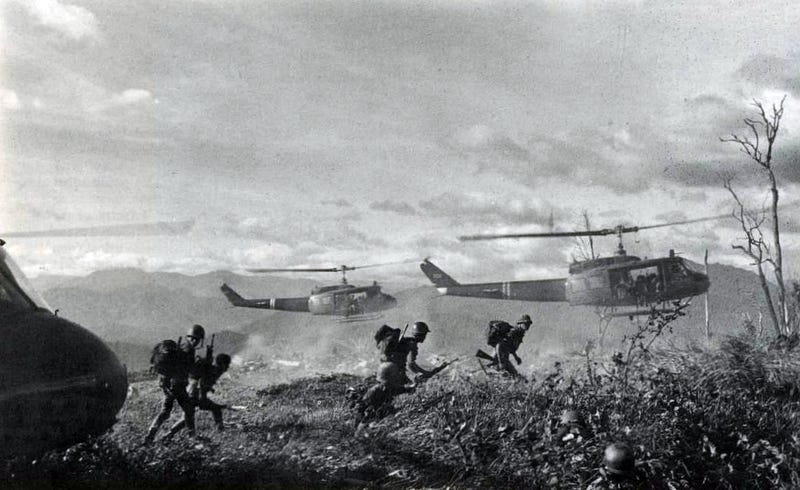
Breaking news! The public now has access to 7 top-secret government files that were leaked by an anonymous source. These documents contain information that has been hidden from the public for years.
This is a major development in the world of politics, and it could have far-reaching implications.
It’s a story that everyone should be paying attention to, as the documents could potentially uncover some of the government’s most closely-guarded secrets.
Read on to find out more about these 7 leaked documents and what they could mean for the future.
7- The Pentagon Papers — Vietnam War
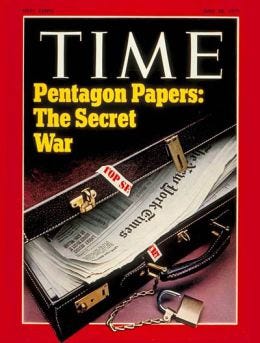

The Pentagon Papers were a set of classified documents leaked in 1971 by military analyst Daniel Ellsberg.
These papers revealed that the US government had secretly expanded its involvement in the Vietnam War beyond what had been reported to the public, and had been lying about its intentions.
The papers also showed that multiple administrations had continued the war despite knowing it could not be won. The leak sparked public outrage and heightened anti-war sentiment.
The government responded with a failed attempt to suppress the documents, resulting in a Supreme Court ruling that upheld the freedom of the press to publish them.
The release of the Pentagon Papers is widely regarded as a turning point in the relationship between the American public and their government and set a precedent for future leaks of classified information.
6- WikiLeaks — U.S. Military And Diplomatic Documents
In 2010, the whistleblowing organization WikiLeaks released a massive cache of classified U.S. military and diplomatic documents.
This included videos showing a U.S. helicopter attack that killed several Iraqi civilians, as well as internal State Department communications that revealed candid assessments of world leaders and U.S. foreign policy.
The leak was controversial, with some condemning it as an attack on national security, while others praised it for exposing government misconduct and increasing transparency.
Founder Julian Assange faced extradition to the United States, where he was charged with espionage.
WikiLeaks remains active today but has faced criticism for its alleged ties to Russian intelligence and for publishing private information that some argue goes beyond whistleblowing to personal attack.
5- Discord Leak — Controversy
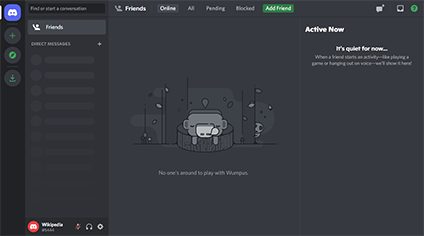

In May 2020, the Department of Homeland Security leaked an intelligence report regarding protest movements on Discord, a popular gaming app.
The report was intended for federal law enforcement agencies, and it outlined strategies to monitor and disrupt protest movements on the platform.
The leak sparked controversy over the government’s use of surveillance against citizens exercising their First Amendment rights.
While some argue that law enforcement needs to monitor potential threats to public safety, others view the leak as a violation of civil liberties.
In any case, the leak serves as a reminder of the power and risks associated with classified information.
In the digital age, it is easier than ever for information to spread beyond its intended audience, and the consequences can be significant.
4- Project Minaret — Violation Of Privacy, Rights
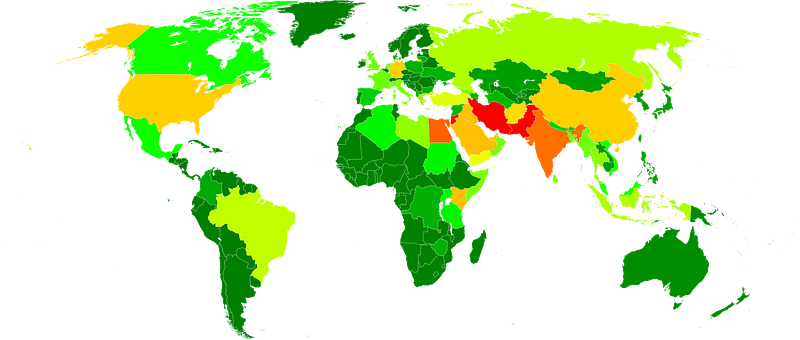

Project Minaret was a secret government program that was established by the United States in the 1960s.
Its primary purpose was to monitor and collect communications from Americans who were considered to be threats to national security. This included anti-war activists, civil rights leaders, and even members of Congress.
Under the program, telegrams, letters, and phone calls were intercepted and recorded without the knowledge or consent of those involved. The collected information was then sent to various government agencies for further analysis.
Project Minaret was exposed in 1971, after an investigation by the Senate Select Committee on Intelligence. The program was found to be unconstitutional, and the government was forced to halt its operations.
However, the damage had already been done. Project Minaret violated the privacy rights of countless individuals, and it left a lasting legacy of mistrust between the government and the American people.
Today, the lessons of Project Minaret continue to resonate. It serves as a reminder that unchecked government surveillance can have serious consequences and that the protection of civil liberties must remain a top priority.
3- Project See Saw — The Cold War
Project See Saw was a secret CIA program launched during the Cold War era. Its goal was to conduct espionage activities in Eastern Europe using spy planes disguised as commercial aircraft.
The planes were outfitted with special cameras and sensors to capture information from the ground. The program was kept under wraps until the early 2000s when it was declassified by the government.
It was revealed that Project See Saw operated from 1956 to 1966 and was one of the CIA’s most ambitious intelligence-gathering initiatives. While the program was initially successful, it was eventually compromised by Soviet counterintelligence.
In 1960, a U-2 spy plane flown by Francis Gary Powers was shot down over Soviet airspace, which exposed the U.S. government’s use of spy planes.
This incident led to a heightened state of tension between the two superpowers and nearly escalated into a nuclear conflict.
Project See Saw was a clear example of the U.S. government’s attempts to gather intelligence through covert means, regardless of the potential consequences.
Its declassification served as a reminder of the lengths governments are willing to go to maintain their dominance and power.
2- Military Dolphins — Detecting Underwater Mines
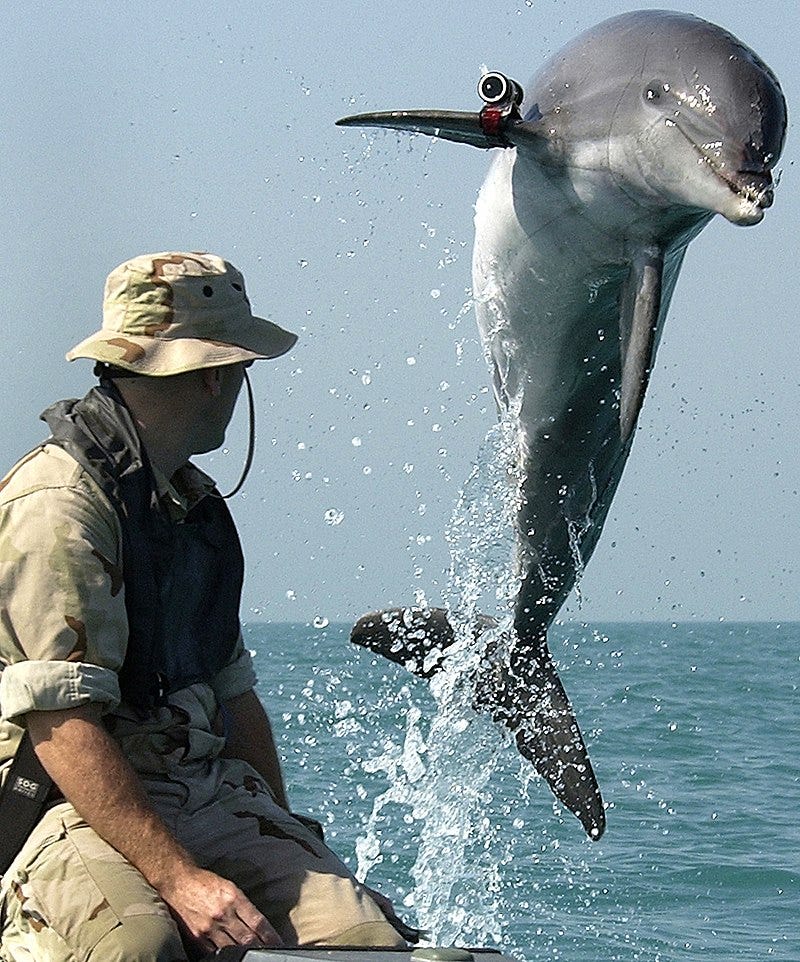

In the 1960s, the US Navy initiated a project to train dolphins for military purposes, primarily for use in detecting underwater mines and other submerged objects.
The military dolphins were trained to detect mines through their echolocation abilities and to mark their location by tapping a marker with their snout.
Over the years, these highly trained dolphins have been deployed in numerous military operations, including during the Gulf War in 1991 and in Iraq in 2003.
These intelligent animals have been used not only for mine detection but also for harbor and coastal protection and even for search and rescue missions.
While the use of military dolphins may seem unconventional, it has proved to be highly effective. These marine mammals possess exceptional capabilities that humans cannot match, and they have become valuable assets to the military.
However, animal rights activists have criticized the use of military dolphins, citing ethical concerns and the potential mistreatment of these intelligent creatures.
In recent years, there have been reports of military dolphins being abandoned and left to fend for themselves.
Despite the controversy, the use of military dolphins remains an integral part of the US military’s strategy. These highly trained animals continue to serve and protect the country in ways that only they can.
1- Information Leak — Voter
In 2015, a major voter information leak was uncovered, revealing personal data on millions of American voters.
The breach included names, addresses, and political affiliations, and was one of the largest data breaches in history.
The data was found to have been accessed by hackers who exploited vulnerabilities in the security systems of several political organizations.
The leak was a major concern, as the information could have been used to influence the outcome of elections and compromise national security.
Although efforts were made to mitigate the damage caused by the breach, it remains a stark reminder of the importance of strong cybersecurity measures, particularly when it comes to sensitive data such as voter information.
This leak is just one example of the many classified documents that have been released to the public in recent years.
From the Pentagon Papers to the Panama Papers, each leak has brought to light previously hidden information, highlighting the need for transparency and accountability in government and other organizations.
Panama Papers — OFFSHORE
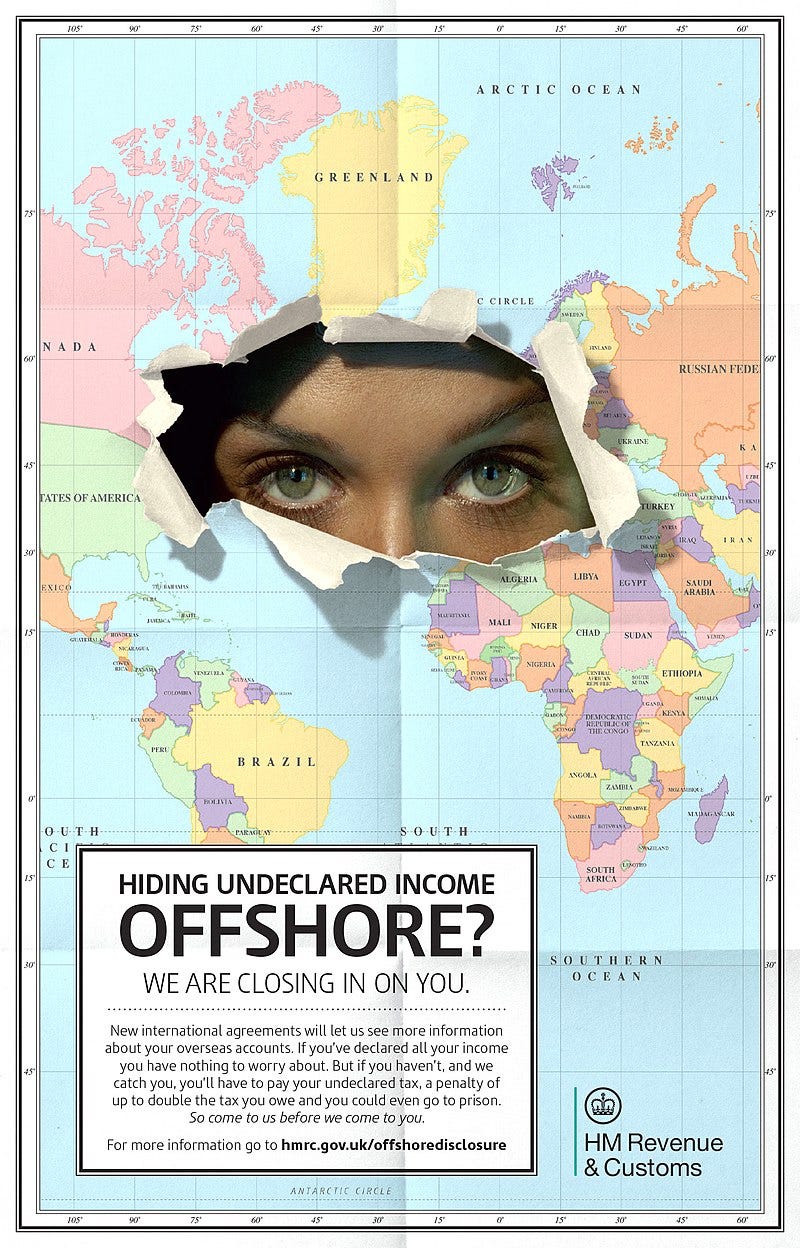

Another highly controversial leak that rocked the world was the release of the Panama Papers in 2016.
The leaked documents contained information about how some of the world’s richest and most powerful individuals and corporations were using offshore accounts and tax havens to avoid paying taxes.
The files included 11.5 million documents that detailed how a Panamanian law firm had helped clients set up shell companies in tax havens around the world.
The Panama Papers leak implicated world leaders, politicians, and celebrities, causing widespread public outrage.
It led to several high-profile investigations, the resignation of Icelandic Prime Minister Sigmundur Davíð Gunnlaugsson, and the prosecution of former Pakistani Prime Minister Nawaz Sharif.
The revelations exposed the darker side of tax havens and their role in enabling the rich and powerful to hide their wealth.
The Panama Papers leak highlighted the need for transparency and accountability in financial transactions. The incident also brought to light the inadequacy of existing laws and regulations in combating tax evasion and money laundering.
The impact of this leak has been far-reaching, with many countries introducing new laws and regulations to curb financial crimes and promote transparency.
It remains one of the largest and most significant data leaks in history, with the potential to change the way governments and financial institutions operate.
Points To Ponder
The release of classified government documents has always sparked public interest and controversy. From the Pentagon Papers to WikiLeaks, each leak has shed light on the actions and secrets of those in power.
However, the leaking of such sensitive information is a double-edged sword as it can endanger national security and diplomatic relationships.
The recent release of seven classified documents by the government is yet another reminder of the importance of transparency and accountability.
As citizens, we must be aware of what our government is doing in our name and hold them accountable for their actions.
Nonetheless, we must also recognize the need for government secrecy in matters of national security and the delicate balance between transparency and security.
The leaks of the past and present have shaped history and our understanding of how our governments operate. It is now up to us to learn from these events and use that knowledge to promote a more open and just society.
Join Medium Today
More from the author: