
7 Jaw-Dropping Secrets About Famous Cartoons You Didn’t Know Existed
Discover the hidden meanings behind popular cartoons.
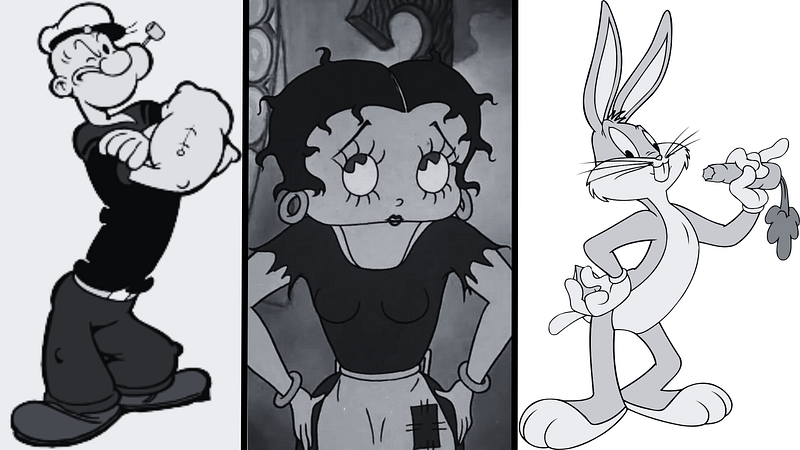

Are you a big fan of cartoons? Ever wondered what goes on behind the scenes? Get ready to be surprised!
We’ve gathered some of the most jaw-dropping secrets about famous cartoons that you probably never knew existed.
From hidden messages to rumors about characters, the hidden stories behind these beloved cartoons will definitely leave you feeling astonished.
So, grab some popcorn and get ready to discover the secrets of your favorite cartoons!
7- Animated Prior To Being Voiced — Popeye Muttered
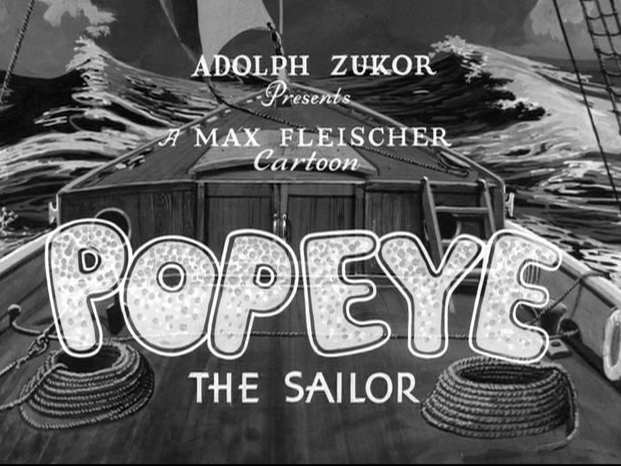
#/media/File:Popeye_title_card.png)
In the world of animation, characters often take on a life of their own, captivating audiences with their unique personalities and quirks.
Did you know that the iconic sailor Popeye, known for his signature catchphrase “I yam what I yam,” actually muttered his lines because he was animated prior to being voiced?
It’s true! When the first Popeye cartoons were created in the 1930s, the technology to sync animation with sound was still in its early stages.
As a result, the animators would animate the characters first, and then the voice actors would record their lines afterwards.
Led to some interesting moments where Popeye would appear to mumble or mutter, as the animators had to work around the limitations of the technology.
Despite this challenge, Popeye’s unique voice and charming personality captured the hearts of millions, making him one of the most beloved cartoon characters of all time.
So, the next time you watch Popeye in action, remember the behind-the-scenes secret that gave him his distinctive voice and brought him to life. It just goes to show that sometimes, limitations can lead to unforgettable moments in cartoon history.
6- Saved Millions Of Dollars — Four-Fingered Cartoons
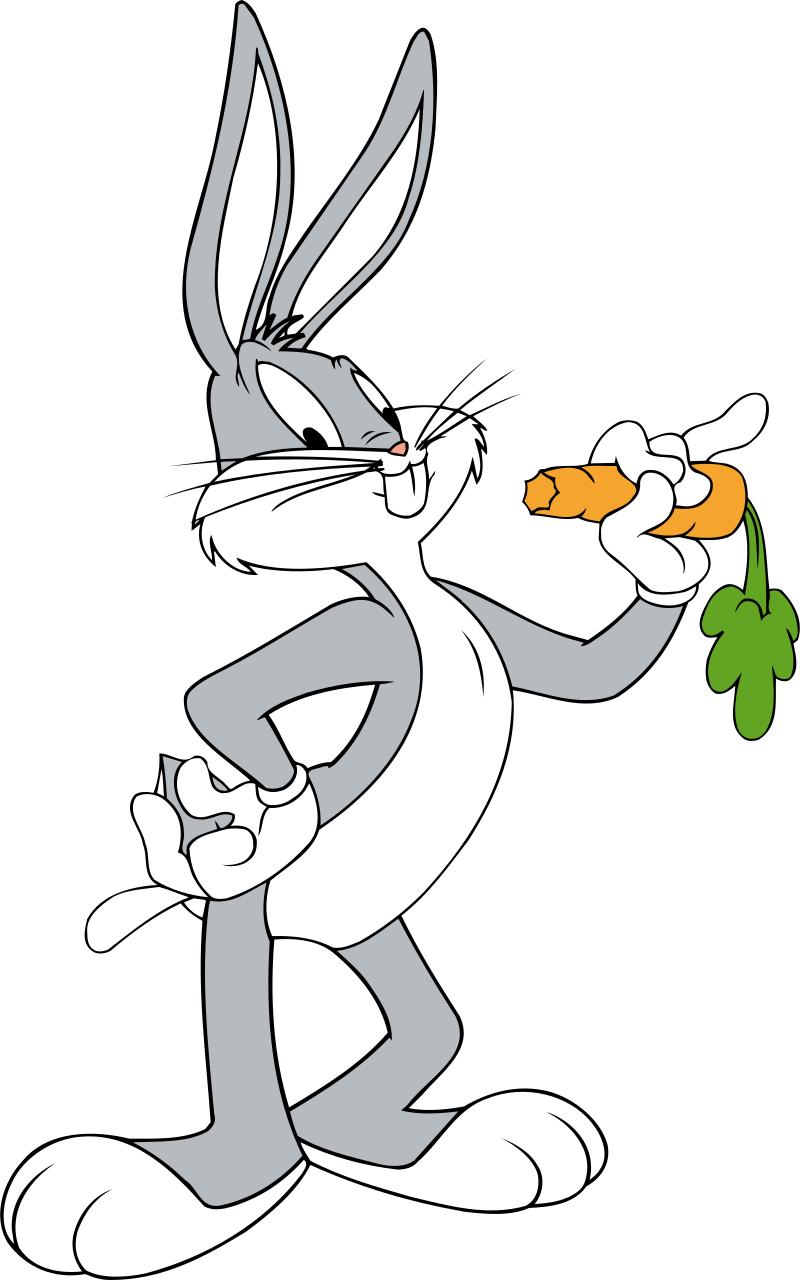
When you think of iconic cartoon characters like Mickey Mouse, Bugs Bunny, or Homer Simpson, you might not realize that there’s something they all have in common — they only have four fingers!
Believe it or not, this design choice actually saved millions of dollars in production costs for the creators of these cartoons.
Back in the early days of animation, drawing and animating five fingers on each hand was time-consuming and expensive. Required more attention to detail and took longer to animate each frame.
So, in order to cut down on costs and increase efficiency, animators decided to simplify the character designs by removing one finger from each hand.
Not only did this decision save time and money, but it also had an unexpected effect on the visual appeal of the characters.
By reducing the number of fingers, the animators were able to create more stylized and expressive hand movements. This added to the overall charm and appeal of the characters, making them instantly recognizable and beloved by audiences around the world.
So, the next time you see a cartoon character with four fingers, remember that this design choice wasn’t just a random aesthetic decision — it was a clever way to save millions of dollars in production costs while adding a unique touch to these timeless characters.
Just another example of the hidden secrets that lie behind the scenes of your favorite cartoons.
5- Psychologist Review Every Script — Thunder Cats
#/media/File:Thundercats.png)
Thunder Cats, the beloved animated series from the 1980s, was more than just a Saturday morning cartoon. Behind the scenes, the creators took an unconventional approach to ensure the show resonated with its young viewers. They hired a psychologist to review every script!
The goal was to make sure that the show’s content was age-appropriate and educational. The psychologist would examine each script and provide feedback on the themes, characters, and messages portrayed in each episode.
Attention to detail allowed the creators to address important issues such as friendship, teamwork, and perseverance in a way that was accessible and meaningful to young viewers.
By incorporating the expertise of a psychologist, Thunder Cats was able to strike the perfect balance between entertainment and education. The show became not just a source of entertainment, but also a tool for teaching valuable life lessons.
This unique behind-the-scenes secret showcases the dedication and thoughtfulness that went into creating Thunder Cats. Goes to show that the success of a cartoon goes beyond colorful animation and catchy theme songs.
It’s about understanding and connecting with the audience on a deeper level. So the next time you watch Thunder Cats, remember the psychologists who played a vital role in making the show the iconic and beloved series it is today.
4- Broke Advertising Rules — Costco And Disney’s Ratatouille Wine
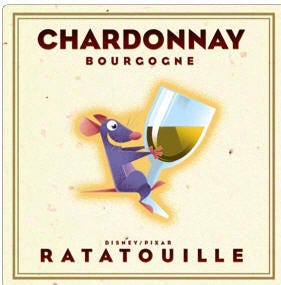
#/media/File:Ratatouille-wine.jpg)
Did you know that even cartoons can sometimes get into trouble with advertising rules? In a surprising turn of events, both Costco and Disney’s Ratatouille found themselves on the wrong side of the law when it came to promoting their wine.
Costco, the retail giant, faced a legal battle over their Kirkland Signature French Champagne, which featured a label that bore a striking resemblance to the famous French Champagne brand, Dom Pérignon.
The courts ruled that the label was misleading and infringed on Dom Pérignon’s trademark rights.
On the other hand, Disney’s Ratatouille wine faced scrutiny for a different reason. The movie tie-in wine, produced by California-based E&J Gallo Winery, faced allegations of deceptive advertising.
The wine claimed to be from the Bordeaux region of France, when in fact it was made with California grapes. These incidents serve as a reminder that even in the whimsical world of cartoons, advertising rules and regulations still apply.
It just goes to show that behind the scenes, there are always interesting stories and unexpected twists in the world of our favorite cartoons. So the next time you raise a glass of wine, remember the hidden secrets that lie within the bottles of our beloved characters.
3- Stolen From Stolen Singer — Betty Boop’s Look And Sound
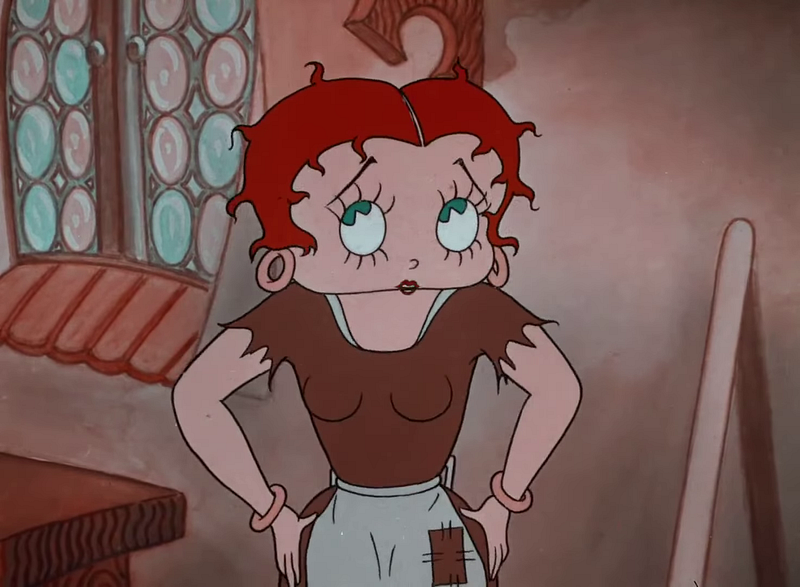

If you thought the world of cartoons couldn’t get any more scandalous, prepare to be blown away by the secret behind Betty Boop’s look and sound.
Turns out that her iconic style and distinctive voice were actually stolen from one singer, who had already stolen it from another!
The story begins with Helen Kane, a popular singer in the 1920s known for her unique baby-like voice and her signature phrase “Boop-Boop-a-doop.”
It was this phrase that caught the attention of a young animator named Max Fleischer, who saw potential in bringing Kane’s unique style to the world of animation.
However, here’s where it gets juicy. Before Kane rose to fame, there was another singer named Esther Jones, also known as “Baby Esther.” She had a similar baby-like voice and had been using the phrase “Boop-Boop-a-doop” in her performances long before Kane.
In a twist of fate, Helen Kane witnessed one of Baby Esther’s performances and was so impressed by her style that she decided to incorporate it into her own act.
When Max Fleischer saw Kane’s performances and her signature phrase, he immediately knew that it would be perfect for his new animated character, Betty Boop. So, he essentially borrowed Kane’s style, which was already influenced by Baby Esther, and brought it to life in the world of cartoons.
So, the next time you watch Betty Boop’s adventures, remember the scandalous secret behind her look and sound. It’s a tale of stolen styles and borrowed voices that adds an intriguing layer to the history of this iconic cartoon character.
2- Protests — Clone High
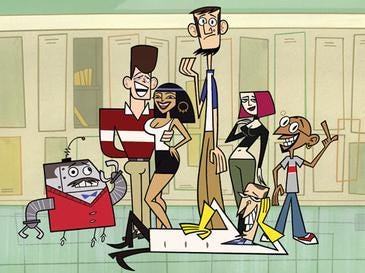

Clone High, the animated series that aired in the early 2000s, had a short-lived run on television due to unexpected protests in India.
The show, which followed the lives of historical figures who were cloned and attending high school, was loved by many for its clever humor and unique premise.
However, it faced major backlash from the Indian community, particularly Hindu activists, who took offense to the portrayal of several historical figures, including Mahatma Gandhi.
The protests argued that the depiction of Gandhi as a party-loving, immature teenager was disrespectful and insulting to the revered figure. The controversy quickly spread, leading to boycotts, petitions, and ultimately, the cancellation of the show.
The network decided to pull the plug on Clone High after only one season, fearing further damage to its reputation. The cancellation of Clone High due to the protests in India serves as a reminder of the cultural sensitivities that can surround animated shows.
It highlights the power of public opinion and the importance of respecting the beliefs and values of different communities.
While the show may have had its fair share of fans, it ultimately fell victim to the backlash it faced. It goes to show that even in the world of cartoons, controversy can have a significant impact on a show’s fate.
1- Cartoons Wore Collars — Hanna-Barbera
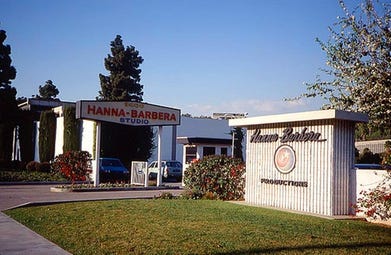

You may have noticed that many of the iconic characters from Hanna-Barbera cartoons, such as Scooby-Doo, Yogi Bear, and Fred Flintstone, always seemed to be wearing collars.
Did you ever wonder why? Well, prepare to have your mind blown because the answer is actually quite surprising.
In the world of animation, every detail matters, and even something as seemingly insignificant as a collar can have a major impact on the ease of animating a character.
The animators at Hanna-Barbera Studios realized that by giving their characters collars, they could simplify the process of drawing and animating their movements.
The collars acted as a visual anchor, allowing the animators to focus on the characters’ head and body movements without having to worry about the intricacies of drawing their necks.
Not only saved time and effort but also allowed for smoother and more fluid animation. Although the benefits didn’t stop there. The collars also added an extra layer of personality to the characters.
Whether it was Scooby-Doo’s colorful ascot or Yogi Bear’s classic necktie, these accessories became an integral part of their design and helped to further define their individuality.
So, the next time you watch a Hanna-Barbera cartoon, take a closer look at the characters’ collars. They may seem like a small detail, but they played a crucial role in making these beloved cartoons easier to animate and brought an extra touch of charm to our favorite characters.
Just goes to show that even the tiniest details can make a big difference in the world of animation.
Points To Ponder
In conclusion, the world of cartoons is full of fascinating secrets and behind-the-scenes stories that will leave you amazed.
From Popeye’s unique muttering to the cost-saving decision of four-fingered characters, these hidden details show the ingenuity and creativity of the creators behind our favorite cartoons.
Who would have thought that hiring a psychologist to review scripts could make a show like Thunder Cats so impactful? And the advertising mishaps with Costco and Disney’s Ratatouille wine remind us that even in the world of animation, rules and regulations apply.
Perhaps the most surprising secrets are the scandals surrounding Betty Boop’s look and sound, as well as the protests that led to the cancellation of Clone High. These instances show that even in the whimsical world of cartoons, controversy and cultural sensitivity can have a significant impact.
And let’s not forget about the collars worn by Hanna-Barbera characters, which added both practicality and personality to their designs. It’s amazing how the tiniest details can make a big difference in the world of animation.
So, the next time you watch your favorite cartoons, keep these jaw-dropping secrets in mind. It’s these hidden stories that make these cartoons even more special and cherished by fans around the world.
Join Medium Today
More from the author: