
7 Interestingly Lesser-Known Things About Britain Before Christianity
Do you know how brutal was a Pre-Christians society?
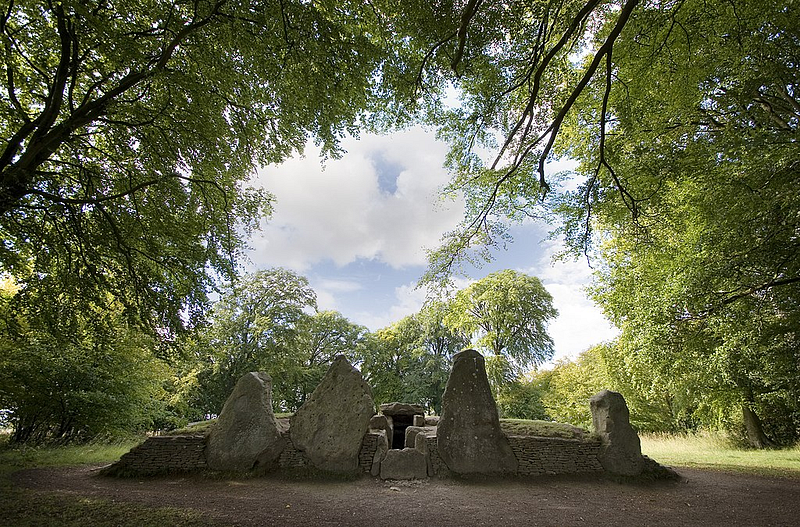
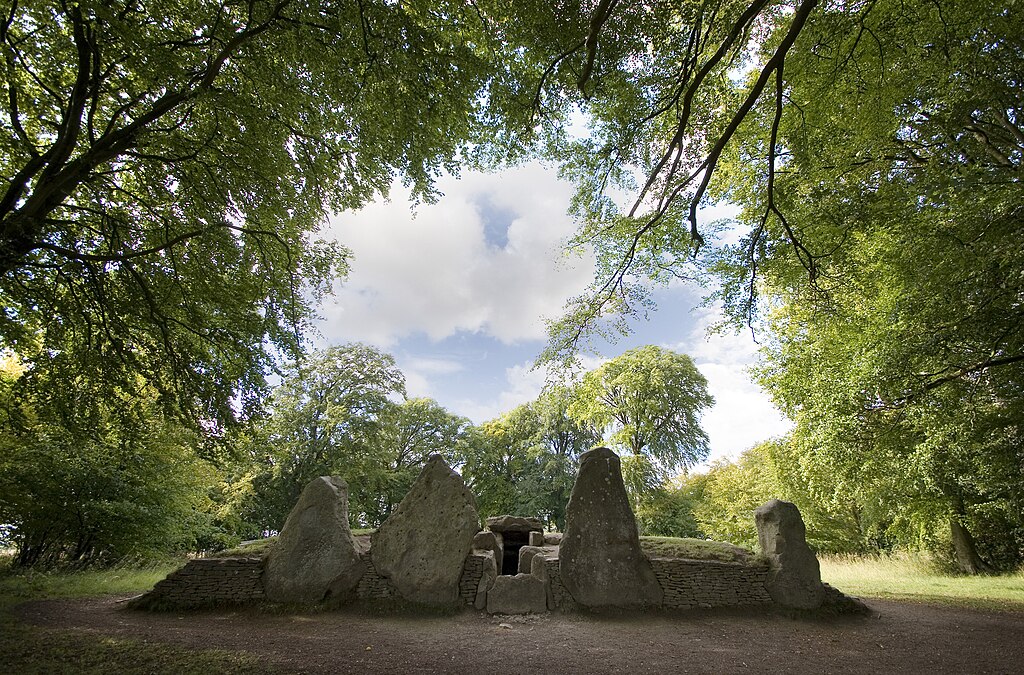
Britain was a Pre-Christians society before the arrival of the Romans. Religion followed by the people of that time is called ‘paganism’, and people themselves were known as ‘Britons’.
In Pre-Christians times the ancestors of Britons used to bury their ancestors in long barrows and performed rituals on them to change the weather or protect their harvest. The natural world influenced religion.
Christianity spread in Britain at the end of the 7th century after the arrival of Anglo Saxons. Still, the human history of the isles of Britain dates back at least 30,000 year, and the history we know is relatively recent. Surprisingly most of it shows Britain as a Christian society — but the history differs.
Brutal Human Sacrifice
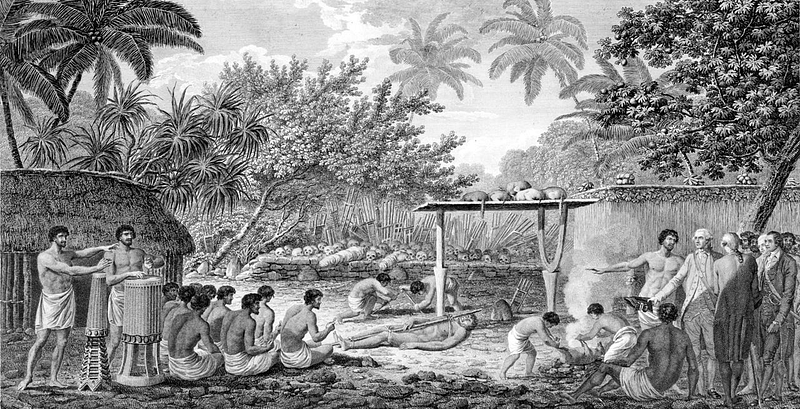

Britain’s Pre Christianity period was a bit savage when something like this popped up about them.
Bodies found in the wet, muddy areas were well preserved and suggested that pre-roman Britain was involved in human sacrifice.
One of the discovered bodies had its throat slit, teeth broken, and the skull cracked, leading to the bone fragments into the brain.
Some Roman writings also confirm that human sacrifices were done before Christianity came to Britain.
Ancient Cannibalistic British
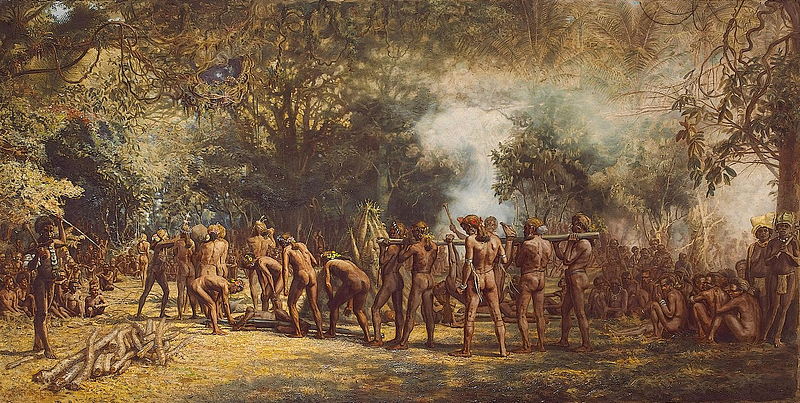

Many writings and evidence suggest that the ancient British were cannibals, but the artefacts found in a cave in Somerset, England, confirm it.
Human remains found in the cave have bite marks and a human skull that is sculpted so that it can be used as a bowl, suggesting people of that age were used to eating their dead.
Perhaps owing to the scarce resources people developed a saving mentality — why let some good meat go to waste.
Research suggests that knives were used to carve the muscle of the bones and for the parts with fewer meat teeth.
Scottish Will Always Be Scottish
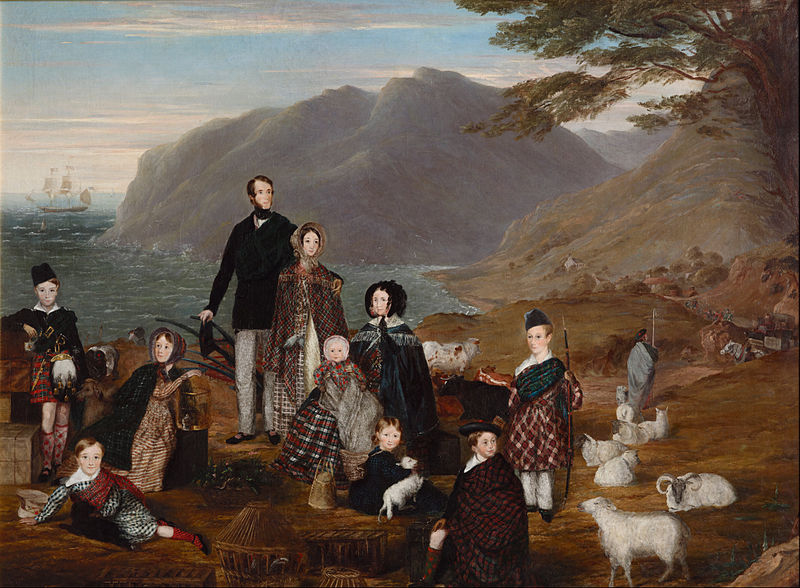

The people of England have changed considerably from the first Roman written description of a British fellow, whether it be their appearance or character.
However, as far as Scottish are concerned, they have always been Scottish. Old Roman scriptures describe the Caledonians or Scottish as people with a very short temper, fierce, with large limbs and red hair.
Huge Antlers And Wooly Rhinos Of Prehistoric Britain
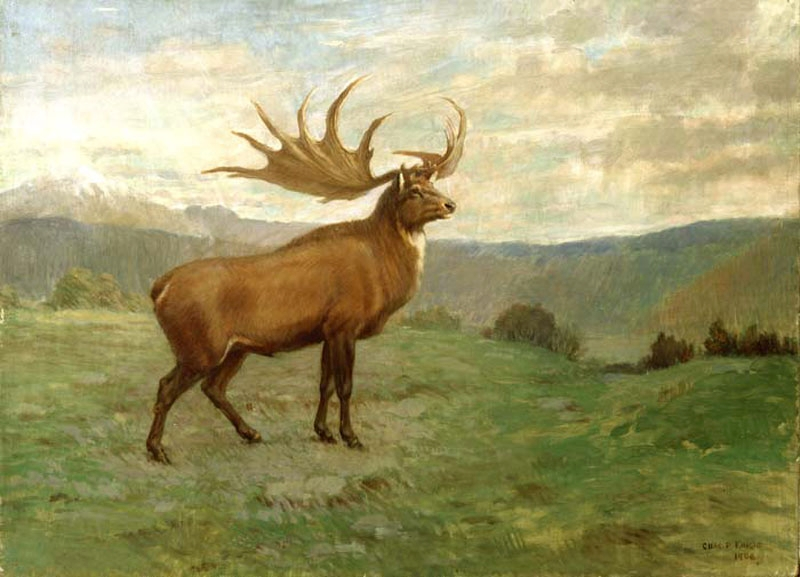
Prehistoric Britain was a harsh place with some crazy animals, and one of them was the woolly rhinoceros, a rhino covered with a thick and long mass of hair that allowed it to survive the extreme weather of the north.
This beast had a massive hump and weighed around 6000lbs, the woolly rhinoceros fed mainly on herbaceous plants.
The list of crazy animals includes another ginormous quadruped, An Irish elk which weighed more than 1500lbs and stood as tall as a moose. Irish elk had enormous antlers that had more than 13 feet.
Skara Brae, An Ancient, Neolithic Settlement
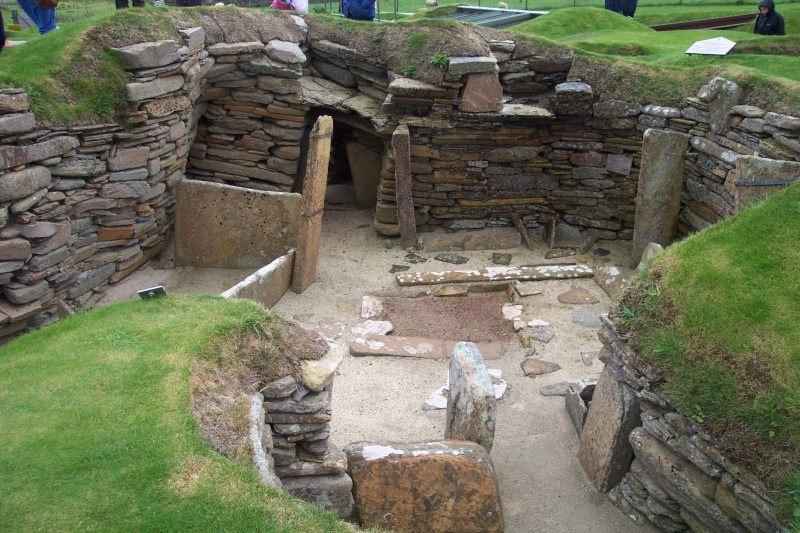
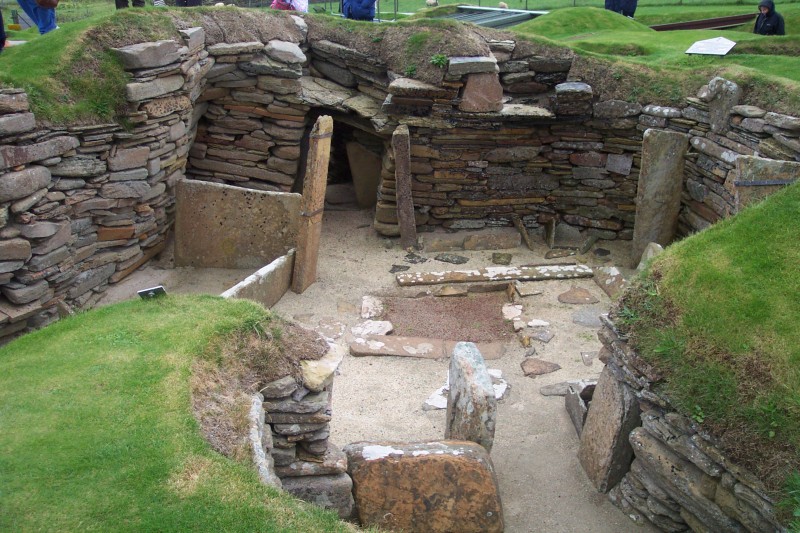
A storm in 1850 ripped a large knoll off the earth and revealed Skara Brae, an ancient neolithic Settlement which was protected for thousands of years by grass and sand.
Located located on the bay of skaill, this stone-built neolithic Settlement consisted of ten clustered houses made up of flagstones. The houses included cupboards, beds, stone hearths, and toilets with a sewer system in which water was used to flush the waste into the drain. Many smaller items like games, tools and jewellery were found too.
The settlers occupied the Skara Brae site from 3200 BC till 2500 BC. Skara Brae is the complete neolithic village in Europe and is also the oldest, older than the pyramids or the Stonehenge.
Warrior Queen, Slayer Of 70,000 Romans
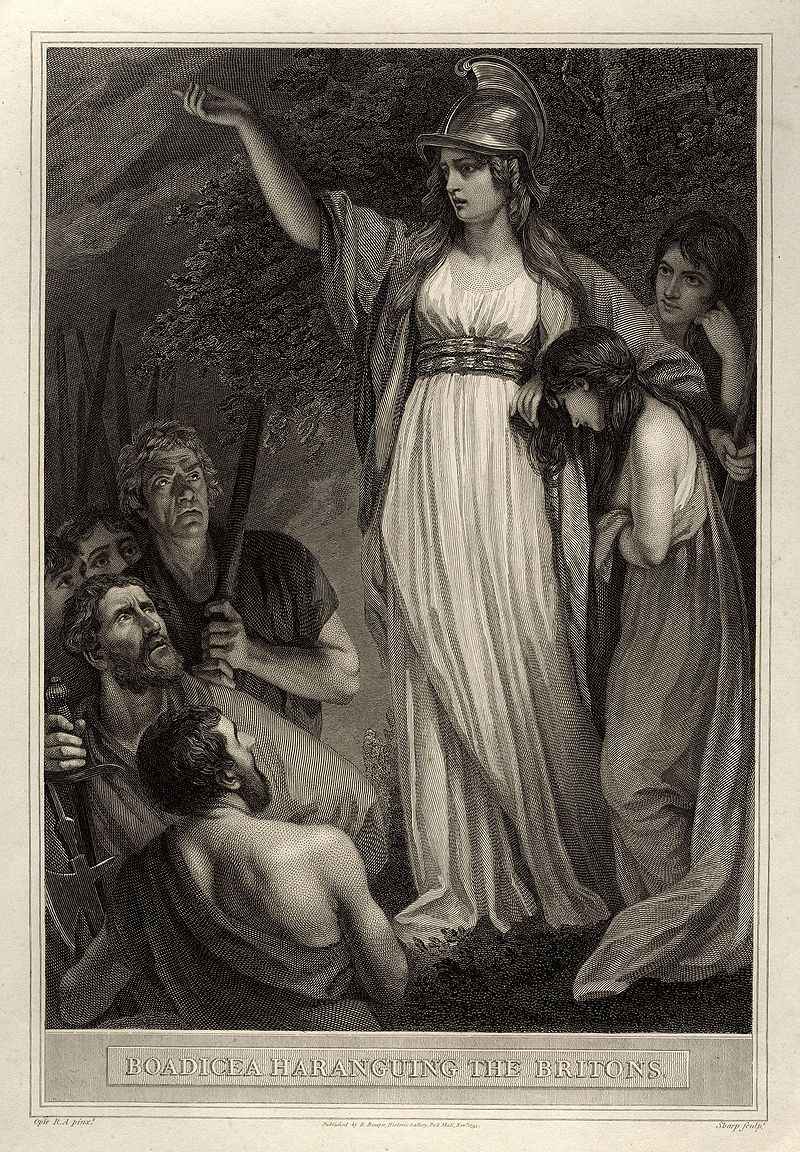

Britain has produced many noble warriors who fought to keep their freedom throughout its history, and one of those warriors was a Queen, Queen Boudica.
Boudica had a striking appearance, a very tall lady with a harsh voice and a fierce eye glance, and a magnificent mass of reddest hair fell her back. Boudica was someone who would stay in one’s mind for a long time
Boudica was a British queen and a wife to King Prasutagus, a king who did all he could to shelter the newly arrived Romans, but all this kindness of his was in vain, and soon after his death, the Romans enslaved his relatives and ravaged his kingdom.
The Queen couldn’t just sit back and watch, but when she spoke against the Romans and their barbarism, the Queen and her daughters were brutalized and raped.
The Queen didn’t let this incident bring her morale down, and she gathered all the men she could to form an army of loyal Britons.
The Queen then laid siege on the Roman settlements in the area; it is estimated that she and her army killed more than 70,000 Romans, but her victory was short-lived, and the Queen lost to a more organized Roman army. Queen Boudica couldn’t embrace this defeat, and she decided to end her life by poisoning herself.
Hadrian’s Wall Across England
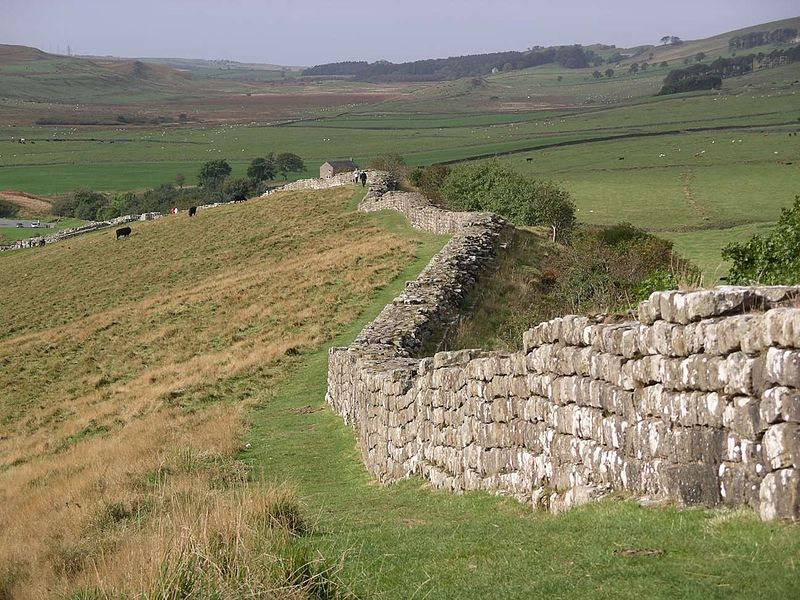
Hadrian’s Wall is a wall that stretches across the north of England, and the Romans built it to separate their land in Britain from Scotland and defend their land from attacking Scottish tribes.
Hadrian’s Wall was named after Emperor Hadrian; it took more than 15,000 soldiers 14 years to build.
The Hadrian wall is often acknowledged as the first Northern frontier of the Roman empire. The purpose of the Wall was to keep the Caledonians and Picts away from the newly settled Romans.
Final Words:
The Roman Conquest of Britain was a blessing in disguise. It allowed the Roman British to become the most well-known empire.
Roman’s influence had a significant effect on Briton’s society and economy, and the Romans conquering Britain brought upon a golden age.
It is said that the second century of this golden age was when humans were most happy and prosperous.
More from the author: