
7 French Habits That We Could All Learn From
Food appreciation, natural medicines and kissing are all on the list
Back in 2002, I left the UK to live in France and stayed for around two-and-a-half years.
I absolutely loved my time living in the rural parts of Central France, learning the habits and immersing myself in the way of life.
During that time, I had an amazing and rich experience, embracing the French language, culture, music and food. Most importantly, I learned some of the French ways that, years later, I believe we could all learn from.
Here are seven French habits that I would love to be a part of my current daily life:
1. A kiss or three on the cheek
It is French custom to kiss on the cheeks when meeting — whether new acquaintances or close friends.
The number of kisses varies from region to region, sometimes two, sometimes three, and sometimes four. But the number of kisses is not so important. What I find so enchanting is the affectionate gesture when greeting someone, even for the first time.
Here in the UK, we are typically seen as having a “stiff upper lip”, and that image is pretty accurate. Even if we are not that stiff in the upper lip, we are typically awkward and try to occupy our hands when greeting someone on first meeting.
Somehow, the initial kissing practised by the French is the perfect ice-breaker.
2. Weekends that last until Monday afternoon
One thing that my family all agree on is that a two-day weekend is too short.
Monday mornings are intensely hard on everyone. Especially if one or both of our weekend days is busily filled with all the non-school, non-work activities that are healthy for our minds and bodies, not leaving much downtime.
When I lived in France, although I think the French have sadly been pushed gradually more towards our Monday habits in recent years, they did have the perfect answer: Beginning the working week after lunch on Monday.
Not for schools. Just for businesses.
As a consumer, and as an English person unaccustomed to Monday morning business closure, this was frustrating in the beginning. But, in time, I got used to it and even appreciated that it was a really healthy habit, especially for working parents, who make up a huge part of the workforce.
3. Appreciating food — less quantity and more quality
The French attitude to food is certainly something we need to learn from. The focus is on good taste, good quality, and high nutrient value.
And it’s totally logical. High nutrient value means satiating our appetites faster. Think about it — in fast-food culture, where food is mostly made up of nutrient-devoid white flour, cheap meat, and barely a vegetable in sight, the need to eat in bulk seems to go hand in hand.
For the French, however, delicate delights are the norm. They love their fruits of nature and delicacies from animal sources. Light, tasty and nourishing keeps the French appreciating each mouthful, satisfied with less, and in good physical shape.
4. Shopping in markets
Markets are a way of life in France.
Every sizable town has at least one weekly market day, and the stalls will typically always cover the basics of the French love of food: There will be fresh produce, fresh artisanal bread, dedicated cheese stands, and meat stands.
The majority of the stalls will be occupied by local producers and growers, with plenty of organic produce; local cheeses made from the unpasteurised milk of cows, goats and sheep; traditionally stone-baked sourdough breads made from locally grown and milled flour, and more. Other stalls will typically often include small market gardeners and older couples who have been running their vegetable stand for years, selling a variety limited by the season.
It’s by far the best place to buy quality food — there are some French who would never dream of buying their cheese from anywhere other than a specialist cheese stand at the market. But it is more than that.
It is an event, a place to meet people and to get to know the producers of the food that you eat. Something that we are so departed from in the modern conveniences that support our fast-paced, digital existences.
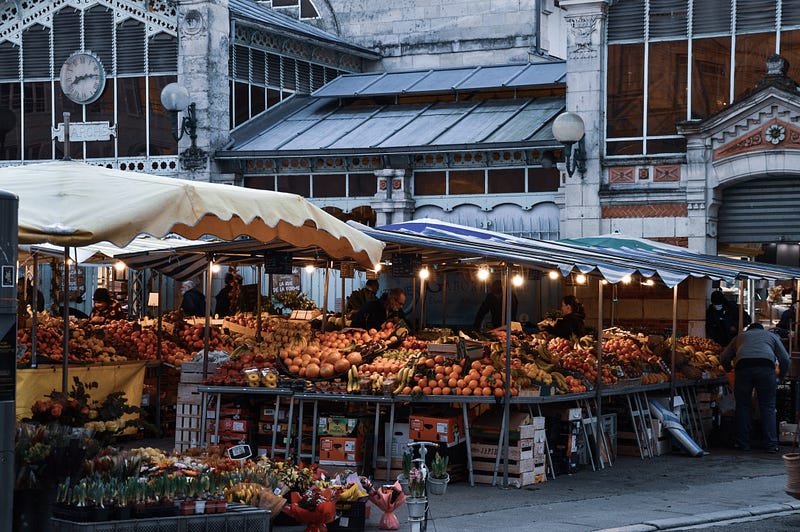
It is also a social event and people will gather in bars surrounding the market to drink coffee or beer.
In French markets, food shopping is not an inconvenience to find convenient solutions for. It is a joy and a way of life.
5. Foraging for wild food
The French are passionate about good, wholesome food. And they have grown up knowing that the nature surrounding them is abundant in it.
Although there is quite a difference in climate between the north and the south, overall they benefit from a temperate climate that has a good balance of rain with plenty of sunshine, and plenty of land to go with it. Neither of these things we are so fortunate to have in the UK for, while the French have the same sized population as us, they have three times the landmass.
So, with plenty of wildland and a climate in which plants thrive, there is a lot of opportunity for foraging, and pretty much everyone does it. During my stay there we would have an abundance of apples, walnuts, chestnuts, wild cherries, plums, peaches and more, all collected by way of foraging during the appropriate seasons.
The French also know their wild mushrooms well, and will regularly be seen out on the grass verges on a sunny morning following a big rainfall, where the best snails will be found. Not my jam but the French do love their escargots.
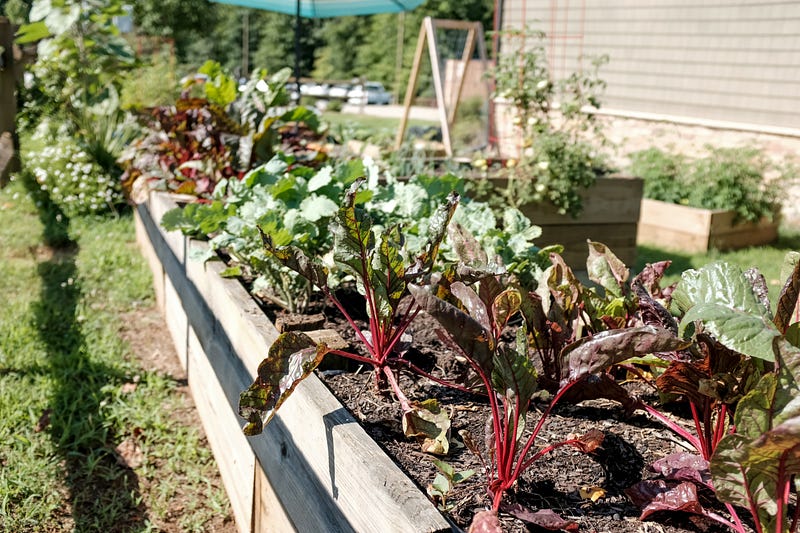
As well as wild foraging, it is fairly standard for the French to grow a veggie garden, and preserving both cultivated and foraged foods is a normal part of life.
6. A widespread knowledge and availability of natural healing herbs
Knowledge gets passed down the generations in every culture, but some knowledge is valued more than others.
In France, knowing the best herbal treatments of ailments and where to find them is far more normal than in any other western country I have spent time in. Pharmacies will sell plenty of herbal treatments over the counter.
When my eldest child was a baby and began teething, the French told me to go to the pharmacy to buy her marshmallow root. Not the fluffy, sweet candies that get toasted over campfires but the plant they were originally named after. It was the standard teether because it has natural anti-inflammatory qualities and helps to reduce stomach acid, which can become a problem during teething.
Many French will grow a variety of herbs close to their kitchens to use in infusions, or tisanes in French. Lemon balm was a favourite among my French friends, and everyone would collect the flowers from the Lime trees each year to dry and use as tea — both used for their calming qualities among other medicinal uses.
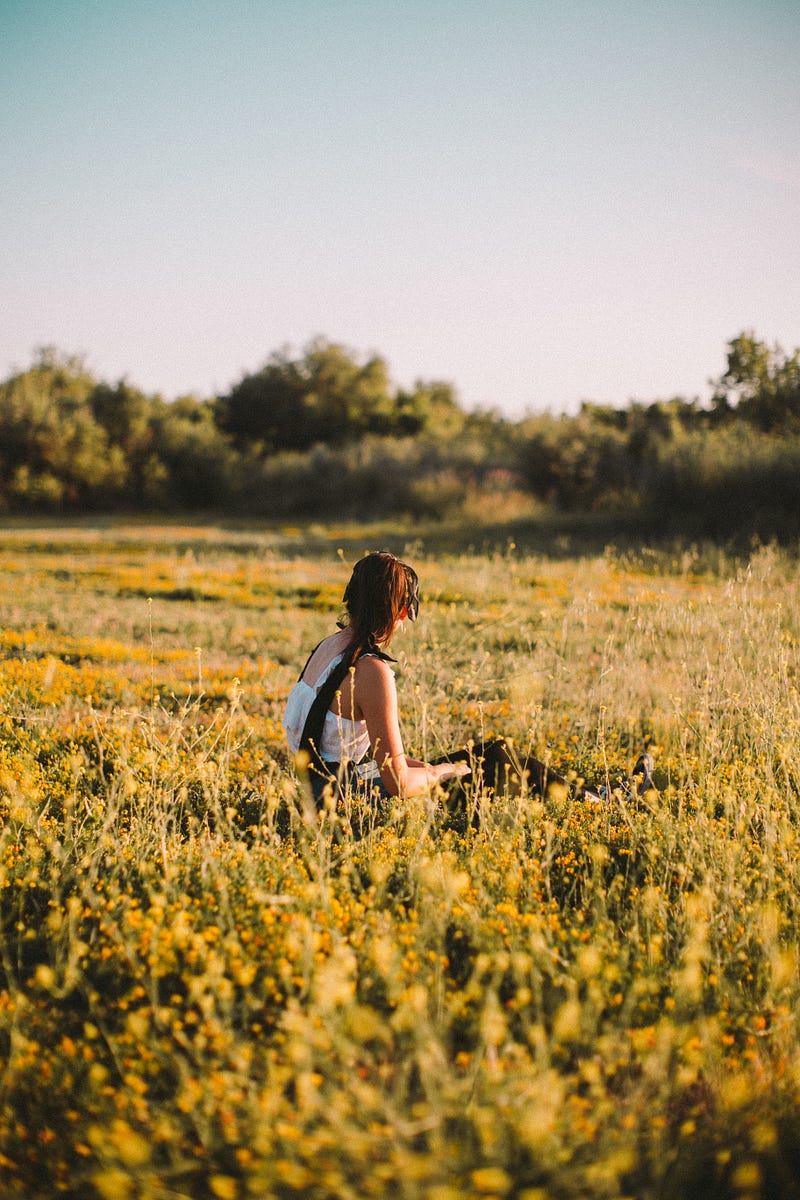
In late June it would be common to see people out in the meadows, collecting meadowsweet (good for joint pain, colds and heartburn) and St John’s Wort (used against anxiety and depression, and to aid sleep), to be dried and used in the home first aid kit. Incidentally, and likely connected, coinciding with the harvest time of St. John’s Wort is the festival known as le Feu/Fete de Saint-Jean, marking the life of Saint John, although these days is seen as more of an excuse for a community get together with a bonfire.
7. Traditional arts and performance
France is one of the few countries in the western world that still values its traditional music and dance culture in a big way.
Equally, the French love their performance arts; in particular, film, circus and puppetry.
It is still extremely common for a street market to be characterised by street performers. Meanwhile, there will be festivals all across the country throughout the spring and summer, specific to each of these traditional arts.
I particularly loved the music and dance culture, which continues to thrive through the different generations. You can easily find yourself at a Breton Fest Noz (night party) with performers ranging from the very old playing very traditional tunes, to Gen Zs who are taking the traditional music and instruments and creating a unique genre.
The Bretons love their music and are extremely proud of their musical culture. The standard of everyday musical ability is outstanding and it is central to their lives. A Fest Noz is a family affair to which everyone is welcome and no one cares about what’s cool.
French arts honours the old and gives voice to the young. Nothing gets lost, and everything is gained.
Nowadays, I live only a half-hour drive plus a 6-hour ferry crossing from Brittany. Each summer, we take trips over the channel and get to at least one Fest Noz, if not more.

Why I love these qualities of the French way of life
To me, these aspects of French life remind me of the necessity to connect with people and nature.
The convention of kissing another forces us to acknowledge and be comfortable with tactile gestures. This is something we can easily shrink away from, hiding behind technology, and not realise that the lack of human contact is shrinking our ability to connect with others.
Our lives in our modern, digital existence are mostly far removed from tradition. The sourcing and preparing of our food, and using nature to enhance our health and well-being, are eliminated from a world of convenience foods. And we don’t typically see something as mundane as food shopping as something to be enjoyed and celebrated. Yet, our food is our number one source of life, so why would we not honour it?
And music and dancing? Well, that just feeds my soul.
Merci et jusqu’à la prochaine fois! (Thanks and until the next time!)
Thanks for reading. Subscribe to support me and other writers and get unlimited reading.More of my musings:


