
7 Fascinating Ways Alcohol Changed The History
A glass of Influence — How Alcohol shaped events in History.
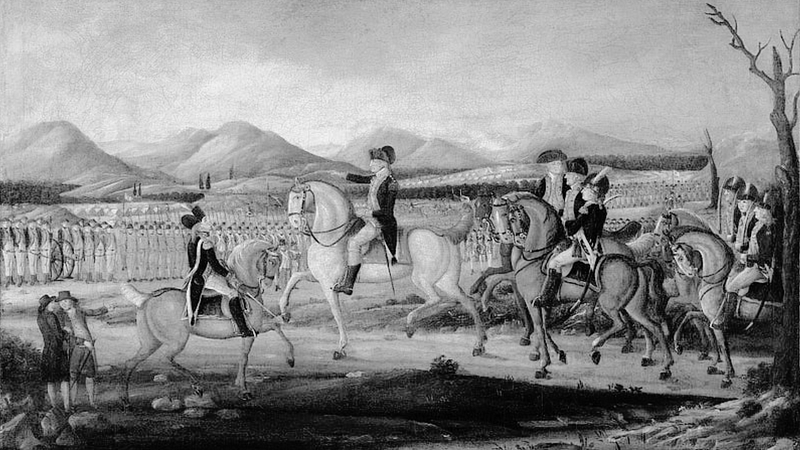
It’s no secret that alcohol has had an impact on human history, both positive and negative.
From its role in ancient religious ceremonies to its influence in politics and warfare, alcohol has been a driving force in the course of human events.
In this article, we explore seven times that alcohol profoundly changed history.
We examine the role that booze played in major developments such as the American Revolution, the American temperance movement, and the invention of vodka.
By examining these and other examples, we gain insight into how alcohol has been used to shape the course of history.
7- Lost A War — The Crimean War
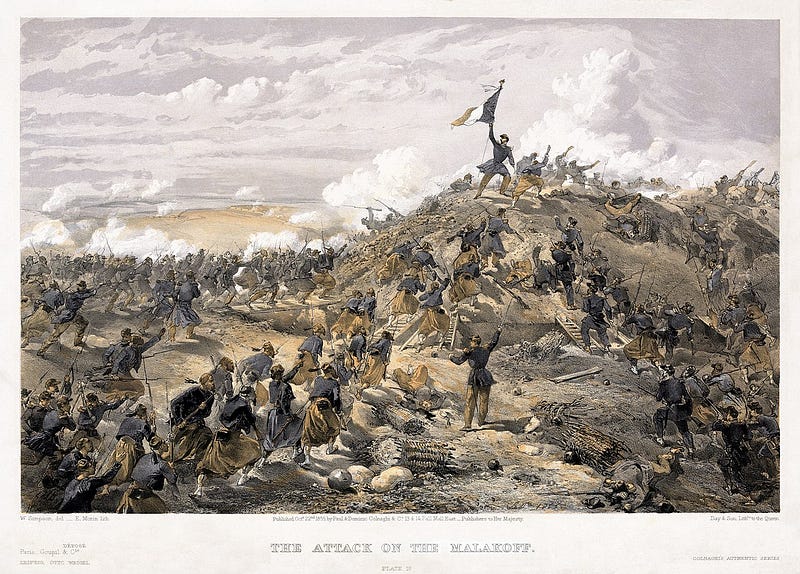
In the Crimean War, which took place between 1853 and 1856, the Russian Empire faced off against a coalition of France, Britain, Turkey, and Sardinia.
The conflict saw thousands of soldiers killed, but one major factor in Russia’s eventual defeat was the army’s excessive drinking.
It’s reported that soldiers were given a daily ration of vodka, which led to widespread drunkenness and a loss of discipline among the ranks.
A popular legend tells of a Russian general who ordered his troops to march across a frozen lake during a battle, but they were so drunk they stumbled and fell into the icy water.
The opposing army was able to pick off the wet and cold soldiers with ease. It’s estimated that more Russian soldiers died from alcohol poisoning than from enemy fire.
This highlights the importance of moderation when it comes to alcohol, as too much can lead to disastrous consequences.
6- Government Overthrow — William Bligh
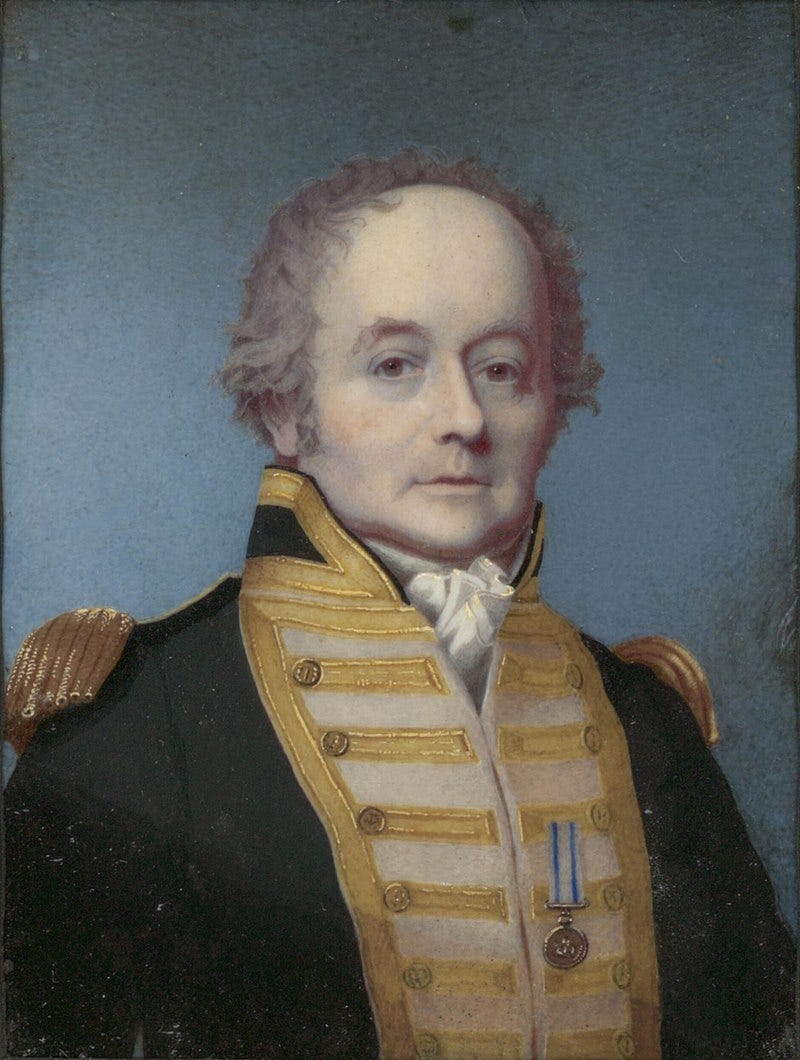
However, this rebellion wasn’t just sparked by political differences or a thirst for power. Alcohol played a significant role in the events leading up to the overthrow of the government.
At the time, rum was the primary form of currency in Australia, and the New South Wales Corps controlled its supply.
They were also involved in the illicit trade of alcohol, often selling it at inflated prices to convicts and other settlers. This led to a corrupt and unstable system, with the Corps abusing their power for personal gain.
Governor Bligh attempted to put an end to this corruption by restricting the supply of rum and enforcing stricter regulations on the sale of alcohol.
This move angered the New South Wales Corps, who saw their profits and influence being threatened. As a result, they organized the rebellion and used their control over the alcohol trade to gain support from other settlers.
In the end, it was the power of alcohol and the corruption that came with it that allowed for the only successful government overthrow in Australian history.
It serves as a cautionary tale about the dangerous influence that alcohol can have on those in power and the importance of regulating its consumption and trade.
5- Early American Politicians — George Washington
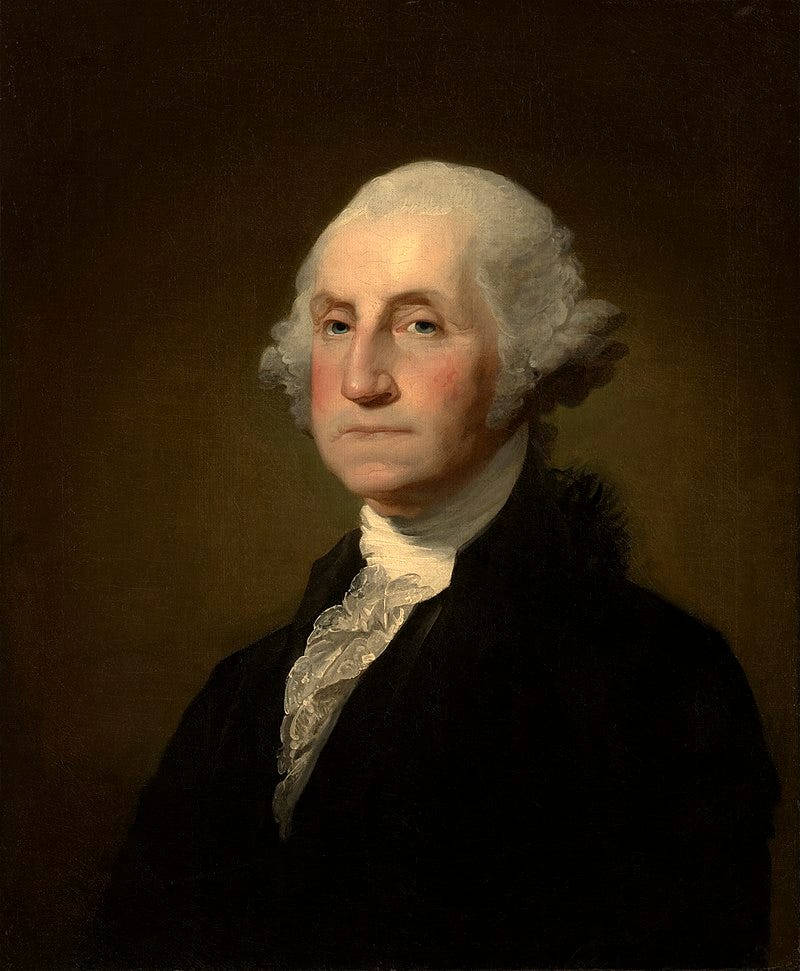
It may come as a surprise, but in the early days of American politics, buying votes with alcohol was not uncommon. George Washington himself was known to have used alcohol as a political tool.
During his 1758 campaign for the Virginia House of Burgesses, Washington’s campaign spent over on beer, wine, rum, and cider to win votes.
This tactic was not limited to Washington, as other early American politicians also relied on booze to sway voters.
For example, in the 1820s, New York politician Martin Van Buren was infamous for handing out liquor and free meals to secure votes.
However, the use of alcohol in politics began to be seen as unethical and corrupt, leading to the introduction of the secret ballot and other reforms in the 19th century.
Despite this, the practice of buying votes with alcohol persisted in some areas for many years. The use of alcohol in early American politics highlights how substances that are now regulated or banned can have a profound impact on history.
It also serves as a reminder that ethics and morality in politics are not static but are subject to change over time.
4- Sacking Persepolis — Alexander The Great
In 330 BC, Alexander the Great, one of history’s greatest conquerors, famously sacking Persepolis, the capital of the Persian Empire.
Despite what many don’t know is that Alexander did so while under the influence of alcohol. According to Plutarch’s accounts, after a long night of drinking with his soldiers, Alexander became enraged at the sight of the Persian city.
He accused the Persians of burning down the Acropolis in Athens years before and, in a drunken rage, led his army to sack and destroy the city.
Some historians argue that alcohol wasn’t the only factor in Alexander’s decision, as he had long sought to conquer Persia and seize its riches. However, there is no denying that his state of inebriation played a role in his decision-making process.
The sack of Persepolis had lasting consequences on both Greek and Persian history, leading to a period of Greek dominance in the region and ultimately the rise of the Hellenistic era.
It also serves as a cautionary tale of how alcohol can cloud judgment and lead to regrettable actions, even in the most powerful leaders of history.
3- Power Thanks To Poisoned Wine — The Borgias
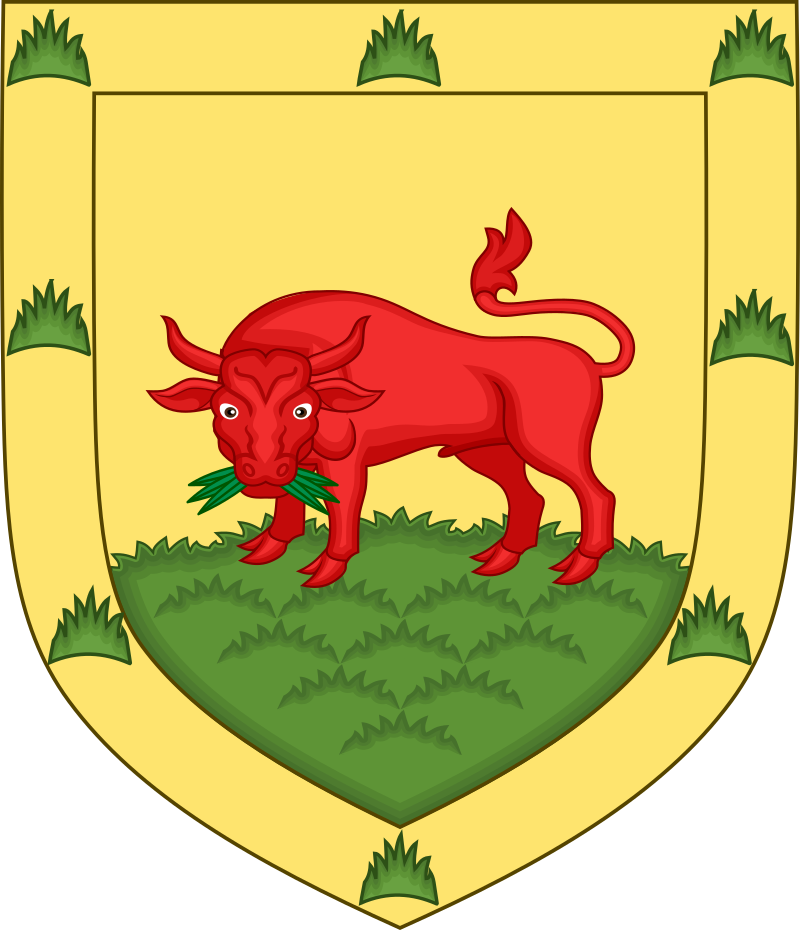
The infamous Borgias, an Italian family who gained immense power during the Renaissance era, were known for their love of wine — especially the poisoned kind.
According to historical accounts, members of the Borgia family would serve wine to their enemies laced with deadly toxins, ultimately leading to their demise.
In fact, Pope Alexander VI — a prominent member of the family — was rumored to have regularly enjoyed a cup of poisoned wine himself as a precautionary measure against assassination attempts.
The use of poisoned wine allowed the Borgias to maintain their political power and influence, as it eliminated their rivals without risking open confrontation.
However, this ruthless tactic also fueled fear and mistrust among the ruling class, ultimately contributing to the downfall of the Borgia dynasty.
Today, their legacy lives on in popular culture, with the Borgias being depicted in various books, films, and television series.
While their use of poisoned wine may seem like a twisted plot device, it serves as a reminder of the darker side of history — and the lengths people will go to gain and maintain power.
2- Political Parties Existence —The Whiskey Rebellion
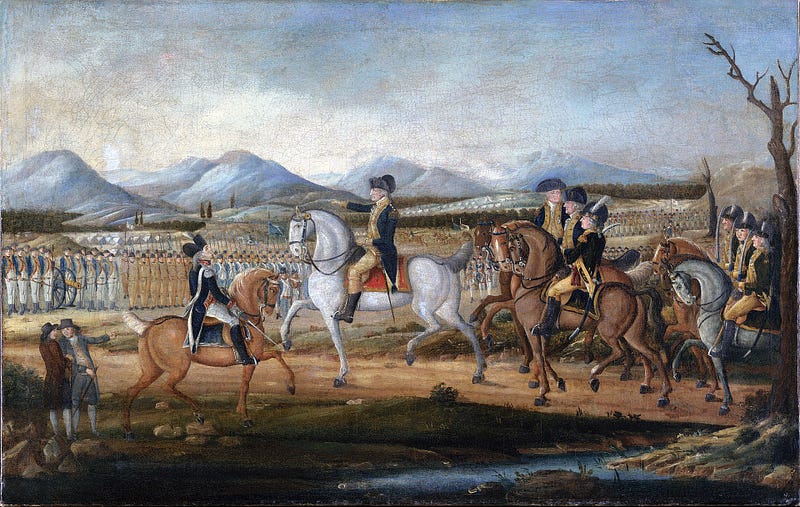
In 1791, the United States government imposed an excise tax on distilled spirits, particularly on whiskey. This enraged farmers who relied on whiskey as a means of trade, and many refused to pay the tax.
This led to the Whiskey Rebellion, where protesters began to attack tax collectors and even threatened to secede from the union.
President George Washington, determined to enforce federal law, personally led a militia into the affected area, which caused the rebels to disperse.
However, the Whiskey Rebellion had a lasting impact on American politics. It solidified the divide between the Federalist Party, who supported the tax, and the Democratic-Republican Party, who opposed it.
This incident marked the first time in American history where two political parties held different ideologies and beliefs.
Without the Whiskey Rebellion, it is possible that political parties may have never developed, or at the very least, they would not have formed as quickly or strongly.
The Whiskey Rebellion is a perfect example of how alcohol can have a lasting impact on society, even beyond the immediate effects of inebriation.
1- The International Slave Trade — Fueled The Growth
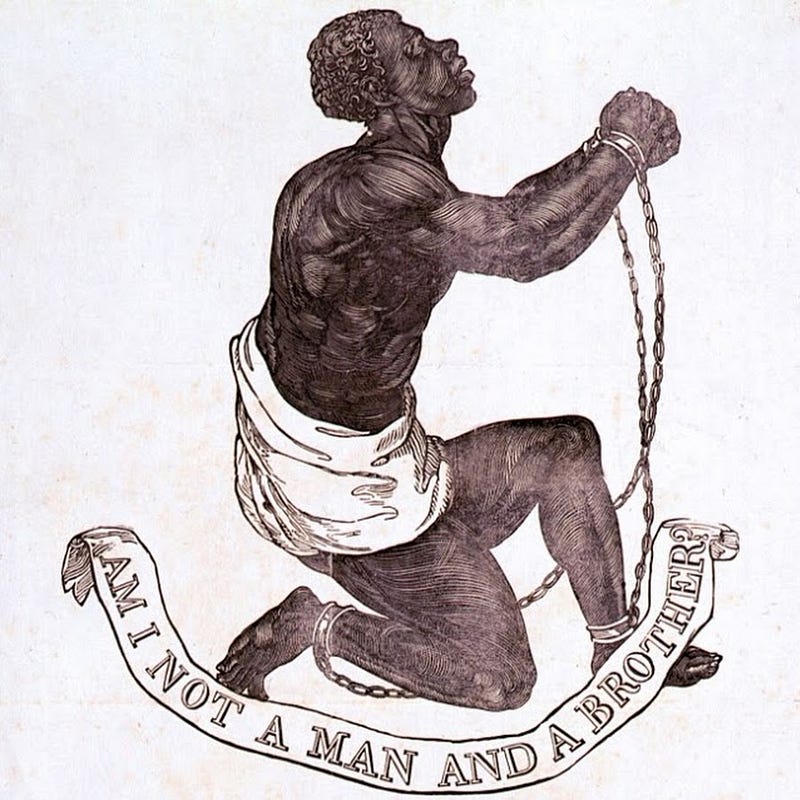
Rum played a significant role in the international slave trade, particularly during the 17th and 18th centuries.
The demand for sugar in Europe created a booming industry in the Caribbean, where sugar plantations thrived.
To meet the labor needs of these plantations, African slaves were brought to the Caribbean in large numbers. Rum was a profitable commodity produced on these plantations, and it became a key component of the triangular trade.
European merchants would trade rum for African slaves, who were then transported to the Caribbean to work on the sugar plantations.
The profits from the sale of slaves and the sugar produced by their labor were used to purchase more rum, completing the triangle.
Rum served as a form of currency in the slave trade, with African rulers often demanding barrels of rum in exchange for slaves. The strong, addictive nature of rum made it an ideal trade item, as it could be used to subdue and control enslaved people.
The widespread consumption of rum among Europeans also fueled demand for enslaved Africans. The profits from the rum trade helped to finance the expansion of the slave trade and the establishment of more plantations.
The impact of rum on the international slave trade cannot be overstated. It not only facilitated the transportation of enslaved people but also fueled the growth of an industry built on the forced labor and exploitation of millions of Africans.
The legacy of this dark chapter in history continues to shape the social, economic, and cultural landscape of the Caribbean and beyond.
Points To Ponder
It’s clear that alcohol has played a significant role in shaping history, from victories and defeats in battles to the overthrow of governments.
While some of these effects have been positive, such as the founding of political parties in America, many of them have been destructive, such as the bolstering of the slave trade.
It’s fascinating to see how something as seemingly innocuous as a drink can have such a profound impact on the world we live in. It’s also a reminder of the importance of moderation and responsible drinking.
While alcohol may be enjoyable in moderation, excessive use can lead to devastating consequences, both on an individual and societal level.
Ultimately, history shows us that the influence of alcohol on human behavior and decision-making is not to be underestimated.
Join Medium Today
More from the author:


.svg)
.jpg)