avatarDiana Bernardo

Free AI web copilot to create summaries, insights and extended knowledge, download it at here

3629

Abstract

s job in the 70s. They organized holidays in southern Europe (including Portugal) for elderly Brits.</p><p id="2126">“What many of our clients didn’t realize”, he told, “is that staying in an unheated apartment in Portugal in winter is like staying in the fridge”.</p><p id="4ad4">As a consequence, some of these pensioners ended up dead from the cold. True story. Or, at least, the guy said so.</p><h2 id="94b7">4. It’s better if you carry cash with you</h2><p id="51fc">This is not a 3rd world country, we have card payments in most places. Keyword being “most”.</p><p id="02a3">When I visited Helsinki, Finland, I walked around the city for 2 hours until I found an ATM machine. In Copenhagen, Denmark, buskers display cardboards with their phone numbers, allowing everyone to tip them.</p><p id="953a">In Portugal, I always keep some cash on me. In places like farmer markets, cash is the only payment method available. And even in stores, sometimes you’ll have some cards denied because they don’t accept all types of cards.</p><p id="6a8d">So, be safe, and have some cash in your wallet.</p><h2 id="acbb">5. Be prepared to eat a lot and keep up with our sweet tooth</h2><p id="0522">While eating lunch, the Portuguese discuss what they will have for dinner. This nation is healthily obsessed with food, and if you live here you need to tag along to socialize with locals.</p><p id="d338">Meeting for drinks is quite rare. If you drink, you need to eat as well, it’s just the way it goes.</p><p id="03e0">And we eat a lot of sweets.</p><p id="c665">Once a Hungarian told me she visited Lisbon and loved everything except the breakfast at the hotel, it was too sweet for her taste. It’s not uncommon for us to eat pastries in the morning.</p><p id="eb91">I think my family takes things to a different level, but just to give you an idea, this is our dessert table at a picnic we did. There were about 20 of us and all these cakes:</p><figure id="5245"><img src="https://cdn-images-1.readmedium.com/v2/resize:fit:800/1*xAVePB49Pv1bYDIsKgXtmg.jpeg"><figcaption>Picnic in Portugal. Photo by author.</figcaption></figure><h2 id="f27b">6. Lisbon and Porto are not what they used to be…</h2><p id="442a">They are better.</p><p id="341b">If you have visited Portugal earlier than in the past 10 years, expect some major changes. The 2008 financial crash and the subsequent economical crisis created a need for businesses to reinvent themselves.</p><p id="5b1e">The downtown of the two Portuguese major cities has been booming with specialty shops, cafes, and trendy restaurants.</p><p id="2383">A lot more places and activities cater to tourists, who have flooded the country in the past decade.</p><p id="248a">As a consequence, Lisbon and Porto are significantly more developed. But <a href="https://readmedium.com/28c9a4e057dd">prices are also more expensive</a>. Portugal is still cheaper than most countries in Western Europe. But if you haven’t visited in a while, you will be surprised by how much prices have climbed.</p><h2 id="4a07">7. Immigrants are very welcome. But…</h2><p id="a129">The Portuguese tend to welcome foreigners and are known for their great hospitality.</p><p id="4e2f">In a country of 10 million people, <a href="https://observador.pt/2022/01/05/sao-771-mil-os-cidadaos-estrangeiros-a-residir-em-portugal-mais-109-mil-do-que-no-ano-passado">770k are immigrants</a>. Of those, 100k arrived in the last year. The largest community comes from Brazil (17%), followed by the African countries that speak Portuguese. Ukrainians represent 9% of the immigrants in Portugal.</p><p id="f0a6">There is also a growin

Options

g digital nomad community and many retirees who come to enjoy the weather and “low” prices.</p><p id="c946">In general, everyone is welcome, but it’s not heaven. I have a Brazilian friend who lived in Lisbon. Tall and blonde, he felt everyone was nice to him until he started speaking and they realized he was Brazilian. At that point, the reactions were not always the best. He left eventually, tired of it.</p><p id="ff50">There is also some underlying racism. Not as much in the big cities, but definitely in large parts of the countryside.</p><p id="b4d6">But, all in all, still a welcoming country towards foreigners.</p><h2 id="0252">Extra fact that shouldn’t be necessary but kinda is</h2><p id="5afc">Portugal is not Spain, and we don’t speak Spanish here.</p><p id="0acf">More times than I can count, I’ve had answers like this when announcing I’m Portuguese:</p><blockquote id="4d47"><p>“Hola! I learnt Spanish in high school.”</p></blockquote><blockquote id="ef12"><p>“I went to Barcelona last year.”</p></blockquote><p id="9713">It’s like you telling me you’re from the US and me replying that I speak German or I’ve been to Vancouver. It is not the same country nor the same language.</p><h1 id="0a16">Takeaway</h1><p id="c092">While most facts on this list are not very positive, don’t let that put you off. The pros and cons of living in any country are highly subjective. For me, personally, there are reasons why Portugal is not so great…</p><div id="d675" class="link-block"> <a href="https://readmedium.com/3-reasons-why-you-should-not-move-to-portugal-b4e020a9e67c"> <div> <div> <h2>3 Reasons Why You Should Not Move to Portugal</h2> <div><h3>You will freeze here</h3></div> <div><p>medium.com</p></div> </div> <div> <div style="background-image: url(https://miro.readmedium.com/v2/resize:fit:320/1*rLzkNMEFYnvboxtseNgfMw.jpeg)"></div> </div> </div> </a> </div><p id="6572">… and reasons why it is:</p><div id="ec3e" class="link-block"> <a href="https://readmedium.com/5-attractive-reasons-to-move-to-portugal-26b866f4bc8e"> <div> <div> <h2>5 Attractive Reasons to Move to Portugal</h2> <div><h3>Is this country for you?</h3></div> <div><p>medium.com</p></div> </div> <div> <div style="background-image: url(https://miro.readmedium.com/v2/resize:fit:320/1*Nfr08-f6um7uB2x-UR_7MA.jpeg)"></div> </div> </div> </a> </div><p id="c58d">Did you move here from abroad? I’d love to hear what surprised you the most when moving to Portugal!</p><div id="cedf" class="link-block"> <a href="https://dianabernardo.medium.com/membership"> <div> <div> <h2>Join Medium with my referral link — Diana Bernardo</h2> <div><h3>As a Medium member, a portion of your membership fee goes to writers you read, and you get full access to every story…</h3></div> <div><p>dianabernardo.medium.com</p></div> </div> <div> <div style="background-image: url(https://miro.readmedium.com/v2/resize:fit:320/0*DSY7YHTSIC9Mbm_q)"></div> </div> </div> </a> </div><p id="1f01"><a href="https://welcome-friend.ck.page/f3bb5c5baa"><b>If you want more travel stories, consider joining my monthly newsletter.</b></a></p></article></body>

7 Facts You Must Know Before Moving to Portugal

And one that should be obvious but it’s not
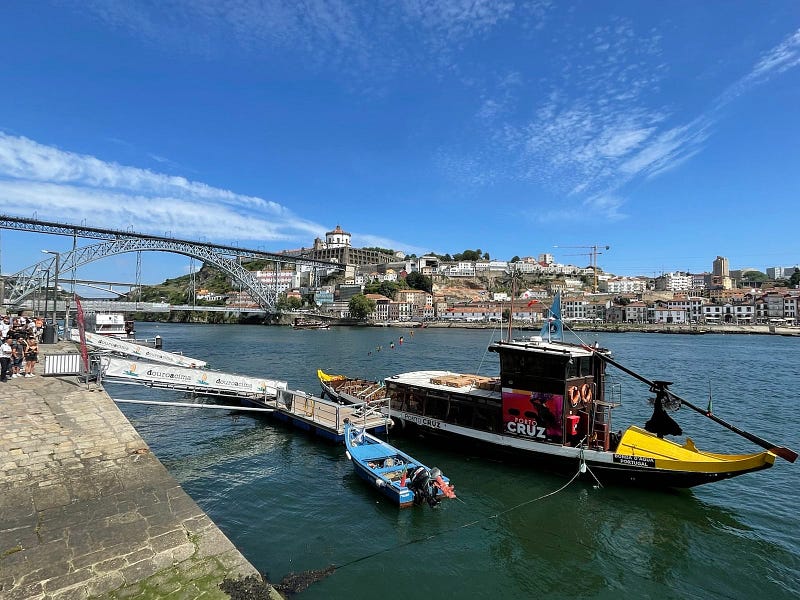
Porto. Photo by author.

Portugal is an increasingly attractive destination.

For elders looking for a warm, safe country to retire to. For digital nomads wanting a cheap place to spend some time. For non-Europeans looking for an entry point to Europe.

This country has something to offer everybody. It’s beautiful, it has nice weather, it’s not too expensive, and it welcomes foreigners with an open heart. This helps to explain the hype.

But being Portuguese, I’d like to debunk some of the most common misconceptions I hear about my country. I will also uncover some points that might end up being a pain while you’re here.

By all means, you should move here if you so wish to. But you should also be informed before taking the leap.

1. Bureaucracy is outrageous

Once I had a job interview with an international company that was setting up an office in Lisbon. The lady who interviewed me was Swedish and worked in the German office. At some point, she said:

“We knew Germans were complicated in regards to bureaucracy, but when in Portugal it’s a whole other level.”

Nothing is simple in this country.

Do you need to take care of an official document? Expect to be in the corresponding office queuing the whole day.

Do you want to build a house? Count on about a year just to get your project officially approved.

It’s not only slow, but it’s also random.

You might go to a place to take care of an issue one day and the lady there tells you it’s not possible to solve your problem. You try again the next day, there is a different person working there, and they fix you up in 10 minutes.

Briefly, you need a lot of patience and a lot of luck to make anything work in this country.

2. The weather is not always nice

Everyone seems to imagine Portugal as the land of perfect weather. The tagline 300 sunny days per year, used anytime you bring up this subject, certainly helps to shape that idea.

But it depends on where you are in the country.

For example, in my hometown, we have a microclimate due to the proximity to the ocean and to a mountain. During summer, temperatures are around 25ºC. It’s better than Denmark, but is it better than France? Not really.

The sun definitely helps in making days brighter. But sunlight doesn’t mean hot weather, especially in the winter… See the point below.

3. Houses don’t have heating

Weird as it may sound, houses and apartments in Portugal rarely have heating systems.

Even when they do, you should be cautious about turning them on. You might end up paying 250€/month only to keep the place at a decent temperature.

The other day, at a storytelling event in Lisbon, I heard a British guy tell a story about his job in the 70s. They organized holidays in southern Europe (including Portugal) for elderly Brits.

“What many of our clients didn’t realize”, he told, “is that staying in an unheated apartment in Portugal in winter is like staying in the fridge”.

As a consequence, some of these pensioners ended up dead from the cold. True story. Or, at least, the guy said so.

4. It’s better if you carry cash with you

This is not a 3rd world country, we have card payments in most places. Keyword being “most”.

When I visited Helsinki, Finland, I walked around the city for 2 hours until I found an ATM machine. In Copenhagen, Denmark, buskers display cardboards with their phone numbers, allowing everyone to tip them.

In Portugal, I always keep some cash on me. In places like farmer markets, cash is the only payment method available. And even in stores, sometimes you’ll have some cards denied because they don’t accept all types of cards.

So, be safe, and have some cash in your wallet.

5. Be prepared to eat a lot and keep up with our sweet tooth

While eating lunch, the Portuguese discuss what they will have for dinner. This nation is healthily obsessed with food, and if you live here you need to tag along to socialize with locals.

Meeting for drinks is quite rare. If you drink, you need to eat as well, it’s just the way it goes.

And we eat a lot of sweets.

Once a Hungarian told me she visited Lisbon and loved everything except the breakfast at the hotel, it was too sweet for her taste. It’s not uncommon for us to eat pastries in the morning.

I think my family takes things to a different level, but just to give you an idea, this is our dessert table at a picnic we did. There were about 20 of us and all these cakes:
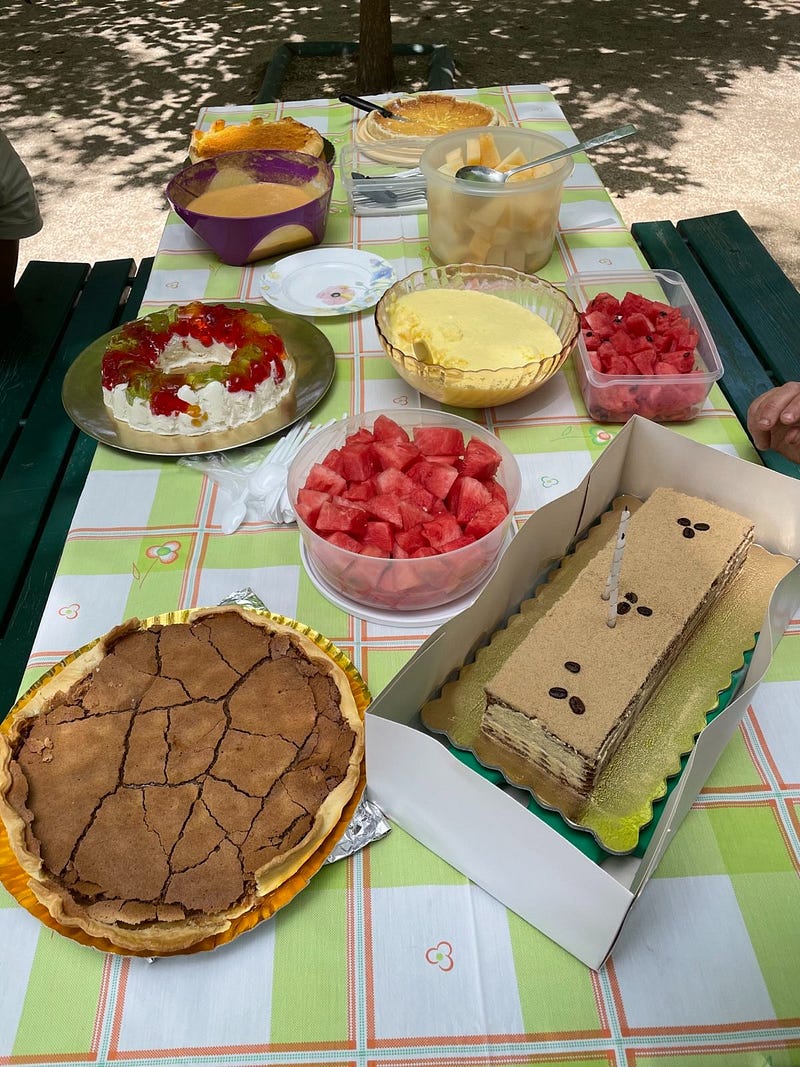
Picnic in Portugal. Photo by author.

6. Lisbon and Porto are not what they used to be…

They are better.

If you have visited Portugal earlier than in the past 10 years, expect some major changes. The 2008 financial crash and the subsequent economical crisis created a need for businesses to reinvent themselves.

The downtown of the two Portuguese major cities has been booming with specialty shops, cafes, and trendy restaurants.

A lot more places and activities cater to tourists, who have flooded the country in the past decade.

As a consequence, Lisbon and Porto are significantly more developed. But prices are also more expensive. Portugal is still cheaper than most countries in Western Europe. But if you haven’t visited in a while, you will be surprised by how much prices have climbed.

7. Immigrants are very welcome. But…

The Portuguese tend to welcome foreigners and are known for their great hospitality.

In a country of 10 million people, 770k are immigrants. Of those, 100k arrived in the last year. The largest community comes from Brazil (17%), followed by the African countries that speak Portuguese. Ukrainians represent 9% of the immigrants in Portugal.

There is also a growing digital nomad community and many retirees who come to enjoy the weather and “low” prices.

In general, everyone is welcome, but it’s not heaven. I have a Brazilian friend who lived in Lisbon. Tall and blonde, he felt everyone was nice to him until he started speaking and they realized he was Brazilian. At that point, the reactions were not always the best. He left eventually, tired of it.

There is also some underlying racism. Not as much in the big cities, but definitely in large parts of the countryside.

But, all in all, still a welcoming country towards foreigners.

Extra fact that shouldn’t be necessary but kinda is

Portugal is not Spain, and we don’t speak Spanish here.

More times than I can count, I’ve had answers like this when announcing I’m Portuguese:

“Hola! I learnt Spanish in high school.”

“I went to Barcelona last year.”

It’s like you telling me you’re from the US and me replying that I speak German or I’ve been to Vancouver. It is not the same country nor the same language.

Takeaway

While most facts on this list are not very positive, don’t let that put you off. The pros and cons of living in any country are highly subjective. For me, personally, there are reasons why Portugal is not so great…

… and reasons why it is:

Did you move here from abroad? I’d love to hear what surprised you the most when moving to Portugal!

If you want more travel stories, consider joining my monthly newsletter.

Travel
Europe
Portugal
Facts
Expat
Recommended from ReadMedium