
7 Eye-Opening Lessons About Health & Fitness I Wish I’d Known When I Was Younger
You don’t need to kill yourself in the gym or hop on extreme diets to achieve an athletic and “toned” physique

I sometimes wish I could travel back in time and slap some sense into my younger self.
Back then, I tried many approaches to achieve an athletic, “toned” physique: extreme calorie restriction, cutting out food groups, doing a thousand reps with one-pound dumbells… You get the point.
None of my strategies worked. Sure, sometimes I lost weight — but I always gained it back. And worse, I felt weaker, caught every virus out there, and my hair and nails were brittle.
Not to mention how hungry I was ALL THE TIME.
Funny how my “health” journey was making me sick.
Fast forward to today, not only do I have the physique I wanted, but I eat way more and am healthier than ever. My hair and nails are strong, I’m blissfully satiated, and I feel strong.
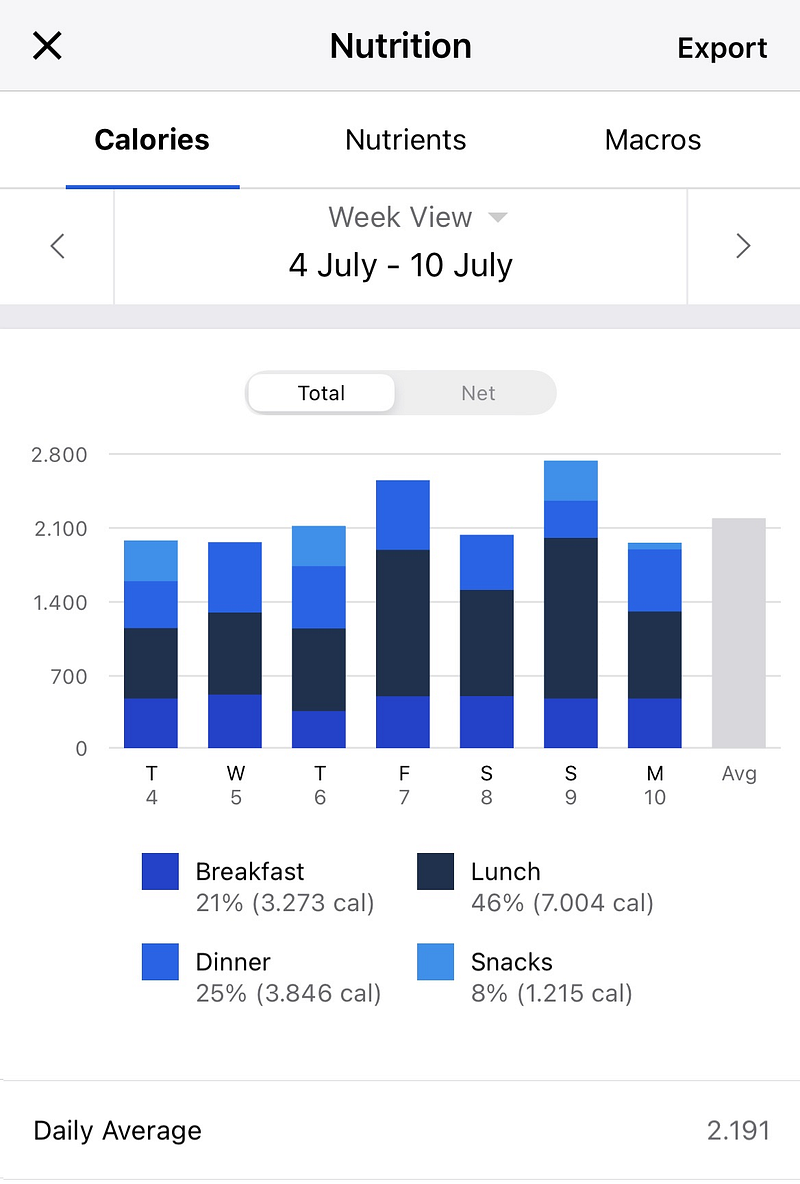
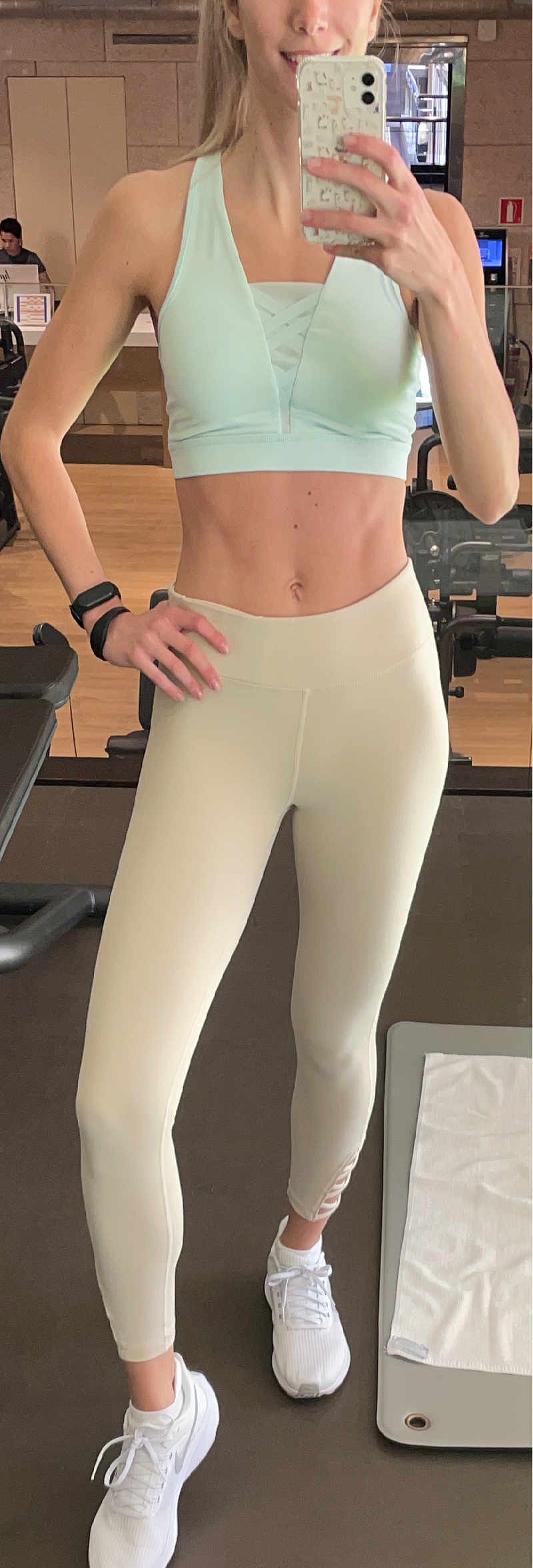
For four years, I’ve maintained this new status quo. But I’ll never forget how much I struggled to get here — how many mistakes I made. Mistakes most people make when trying to become stronger and lose fat.
Mistakes that make our fitness journeys impossible — and unhealthy.
If I could travel back in time, here are the lessons I’d share with my younger self:
#1. You Won’t Get the “Toned Look” Until You Start Lifting Like This
Though I hate this term, the best way to describe how I looked in the past is to say I was “skinny fat.” I was conventionally thin, but my fat-to-muscle ratio was off — at least to my taste.
Though many people would already consider my before as “body goals,” I wanted to get the “toned look.” I wanted to feel and look athletic. I wanted to increase my muscle mass while reducing my body-fat percentage — what experts call “body recomposition.”
With a clear goal, I did what I thought I should: cut calories and do long bouts of cardio.
When that didn’t work, I incorporated resistance training. At home, I would follow YouTube videos three to four days per week, prioritizing fun ones.
Now, if your goal is to be healthier, this is amazing. As long as you’re getting movement into your week, you’re giving your body what it needs.
However, I wanted to get toned, so although this approach did increase my muscle mass, it wasn’t enough to help me get the muscle-to-fat ratio I wanted. At one point, I lost a lot of weight, but instead of looking athletic, I looked like a living skeleton.
One key ingredient was missing: progressive overload.
In simple terms, this means that your resistance workouts get more difficult with time. By progressively challenging your muscles — adding weight, increasing repetitions, going slower — you get them to grow.
That, combined with a small calorie deficit (we’ll talk more about this later), gets you that “toned look.”
If I’d known this when I started, I would’ve achieved in 6–12 months what took me years.
#2. The “What” Is as Important as the “How”
One of the first things you learn when trying to lose weight is that you need to consume fewer calories than you burn. Basic thermodynamics.
Simple.
With this knowledge, I set out to create a calorie deficit. As I needed to cut down on what I was eating, I chose to reduce my whole food intake — eggs, meat, vegetables, legumes, fruits — while maintaining my sugary treats. All that mattered was that my daily calories saw a reduction, right?
Wrong.
Yes, I lost weight, but I looked and felt sickly.
Instead of toned, I resembled a skeleton. I could feel my ribcage when I wrapped my arms around myself.
As I’d significantly reduced my protein intake, most of the weight I’d lost was actually muscle loss. All the progress I’d made was gone. It took me many months to return to where I’d been before my crash diet.
And my health… Wow. The drastic reduction in vegetables, legumes, and fruits meant that constipation was at an all-time high, that a person could sneeze a mile away and I would get sick, and that my hair was a jumble of dull split ends that never grew.
I was tired all the time. Lethargic. Mental fog haunted my days.
That’s when I learned that what you eat is as important as how much you eat.
A calorie deficit won’t be sustainable, effective, or healthy if you don’t prioritize nutritious foods. Though a calorie is a calorie, every calorie affects your body differently.
If you’re in a calorie deficit while eating enough protein, fiber, and healthy fats, you’ll primarily lose fat instead of muscle and won’t see your health take a nosedive.
Remember: Though sugar is delicious, it offers nothing but energy and glucose spikes. Better to opt for nutritious and flavorful foods instead.
#3. Aggressive Approaches Will Only Hurt You
The first time I used MyFitnessPal to track calories, I made a terrible mistake.
As I was sedentary and wanted to lose weight fast, the app recommended I eat 1,200 calories daily. Yikes. That’s less than what a toddler needs.
But I did it anyway.
I did it until I couldn’t handle it anymore. I was constantly hangry (hungry and angry) and tired. Though I have no clue how many calories I ate before MyFitnessPal, I’m sure it was close to 1,800, which meant my calorie deficit was around 33%. Crazy high.
Then, because I still hadn’t understood that aggressive approaches never work, I decided to exercise more to increase my calorie intake.
From one day to the next, my daily activity skyrocketed. And though, according to MyFitnessPal, I could eat more (yay!), a few months of this equally-excessive strategy led to overtraining (not so yay).
In short, anything extreme will only hurt you. Crash diets are called like this for a reason; you’ll inevitably crash and burn.
Instead, opt for a more sustainable approach. Start walking daily and include resistance training 3 to 4 times per week. Try shooting for a calorie deficit of just 10% of your maintenance calories (what you need to maintain your current weight).
Slow and steady always wins the race.
#4. Having This Mindset Is the #1 Killer of Progress
If I needed to point out the one thing that most kept me from achieving my goal, it would be this: having an all-or-nothing mindset.
Why?
Because it kept me from being consistent, the most critical element of any successful health and fitness journey.
Though I knew what I needed to do to get the athletic physique I wanted, I would find myself quitting midweek whenever something didn’t go according to plan.
If I overate one day, I binged until the following Monday. If I missed one workout, I didn’t exercise until the following week.
I was either doing everything or nothing. No in-between.
No wonder I was stuck for years.
Everything changed when I adopted a healthier mindset: Anything is better than nothing.
I just took a short walk if I didn’t feel like working out. If I overate at lunch, I was mindful at dinner.
Some days I nailed everything; others… not so much. But every day, I did something that brought me closer to my goal.
Remember: The only way to make progress is to take a step every day, no matter how small.
Anything is better than nothing.
#5. Waking Up in the Middle of the Night Is a Sign You Need To Change Something
Though I’ve learned much about health and fitness in these past eight years, I still make mistakes. Undereating, overeating, and overexercising are still a part of my life.
But I’m not worried.
Our bodies are wise. They can tell us when we’re going overboard if we listen to them, from healthy to toxic.
In my case, I’ve learned that when I wake up in the middle of the night, my pulse racing, something’s off. This means I’m putting my body under much stress, prompting me to act.
Is it work stress? Have I been eating too little? Have I exercised too much?
I consider all the options, trying to find the root cause. The next day, I pamper my body and mind with whatever I believe it needs.
If I suspect work stress is disrupting my sleep, I’ll journal and spend some time in nature. If I’ve been undereating, I’ll gift myself a treat day. If overexercising is at fault, I’ll take it slow for the next few days.
Regardless of the cause, waking up in the middle of the night — or whatever pattern disruption you experience when you’re incredibly stressed — is a surefire sign that something’s off.
So listen.
#6. Your Goal Can’t Be To Return to Your Past Habits
“I’m going on a diet for a few weeks. Everything will return to normal once I’m done.”
Raise your hand if you’ve ever said that to someone when explaining why you’re suddenly changing how you eat. Most of us assume that whatever diet we’re on will be temporary and that we’ll return to our past eating and exercising habits once we’re done.
In Spain — where I live — this is true for many people. They call it “Operación Bikini,” something like “bikini project.”
In the months before summer, many Spaniards will subject themselves to grueling workouts and extreme diets to lose pounds before heading to the beautiful beaches. Once summer ends, they return to their past habits and regain all the lost weight — and then some.
Year after year, their weight cycles, frustration settling in. Why won’t the results stick long-term?
I’ll tell you why: If we want to maintain our results, we must adopt a new lifestyle.
Our health and fitness goal can’t be to eat like before and return to our couch potato life once we’ve lost X pounds.
If we want our changes to be lifelong, we need to adopt a new lifestyle, which is how I’ve maintained a low body fat percentage for four years:
- Before, I was so sedentary that I joked about how I only liked to exercise my thumbs (using my phone) and my jaw (talking). Now I walk at least 10k steps daily and go to the gym thrice weekly.
- Before, I would replace nutritious meals with sugary treats. Now I ensure I get protein, fiber, and healthy fats in all my meals and then have a sugary treat (way less quantity than before).
We need to fall in love with our new lifestyle to achieve long-lasting results. And even though at first it may seem impossible, it becomes easier once we start reaping benefits such as more energy or less illness.
It’s called a fitness journey for a reason. It’s supposed to be a marathon — not a sprint.
#7. Being Painfully Honest Is Necessary To Make Progress
“I don’t get why I’m not building muscle,” my husband said many months ago as he paced around our living room. He’d measured his progress using the gym’s scale, but very little had changed in two months.
“I’m eating enough protein and exercising regularly,” he went on. “I just don’t understand.”
I blinked, confused. Yes, he was eating enough protein, but he’d skipped the gym at least once or twice per week (out of three sessions) in those two months.
When I told him so, he stopped pacing and glared at me. “That’s not true. I’ve been going to the gym religiously.”
My stomach shot to my throat. In my husband, I saw my past self. I, too, once complained about my lack of results even though I was doing everything perfectly when — spoiler alert — I wasn’t.
It’s hard to admit you haven’t been doing things as you should. Hard to blame yourself.
But it’s necessary.
Until we’re painfully honest with ourselves, we can’t continue making progress on our fitness journey.
Now, I’m not saying that sometimes you may struggle to make a change because of something out of your control. Maybe hormonal or other health-related issues are at play.
I’m just saying that before we assume all is lost, we need to have an honest chat with ourselves because, in 99% of the cases, there’s something we can do to move forward. Even when a medical issue is affecting you, you can seek professional help to get you back on track.
“I’m not trying to call you a liar,” I finally told my husband, grabbing his hand so he would know my words came from a place of deep empathy. “I’m not trying to be right. I want you to be super objective with yourself so that you can get unstuck.”
My husband lowered his guard immediately. “Yeah. I guess I haven’t been training as consistently or as intensely as I should.”
And that was that.
Two months later, he was joyous because he’d built more muscle.
The Most Important Lesson: Fall Forward
We’ll all make mistakes in our health and fitness journeys. What matters is what we do next.
Some people quit because it’s too frustrating, too long, too impossible. Every mistake makes them step back and return to their comfort zone.
Others, though, fall forward.
To them, every mistake is an opportunity for growth and self-discovery.
This crash diet made me miserable? Let me try something else.
Training this way isn’t helping me build muscle? Let me try something else.
They improve how they approach their health, fitness, and every other aspect of life because they continue moving forward despite countless setbacks.
So, even though I would love to go back in time and slap some sense into my younger self, I would give her a giant hug because she refused to give up.
Bear-hug yourself and plow on ahead.


