
Animal Advocacy | Education
7 Easy Ways You Can Help Bees
Because they do good things for the planet… and you’re just nice like that.
Sign a petition
This is the quickest, easiest way to help. Wildlife and environmental groups always have petitions running, regularly triggering government debates about the banning of pesticides and better monitoring of bee populations. Just Google ‘bee petition’. Signing one will take less than a minute.
Plant wildflowers
Bees need flowers, and flowers need bees. Both rely on each other for survival. The world’s bee population is rapidly decreasing and one of the reasons is the loss of flower meadows to development.
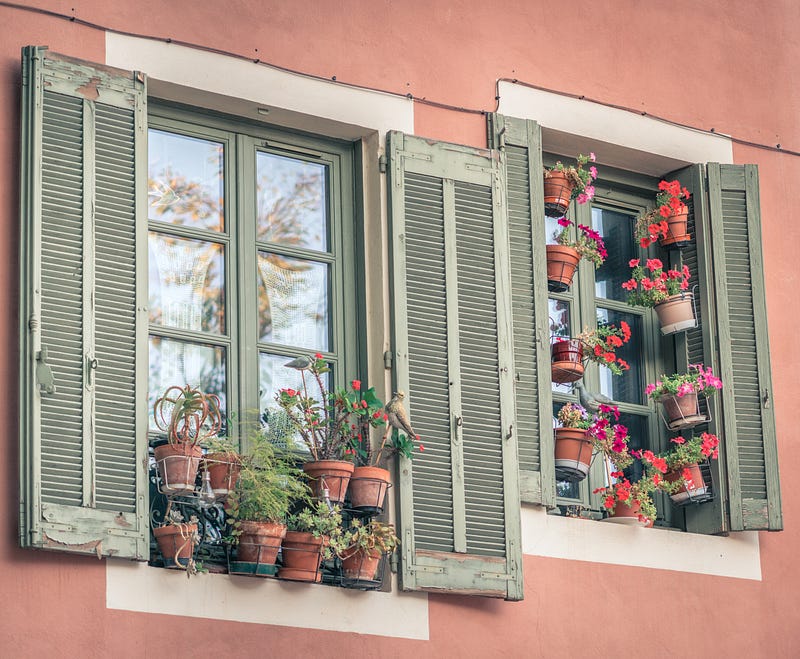
Planting a bed of bee-friendly wildflowers in your garden is an easy, low-maintenance way to give back to bees. If you live in a flat or apartment you can put a few pots on your balcony or add a window box. It’s just a nice thing to do for these fascinating fuzzy little creatures.
Run a bee hotel
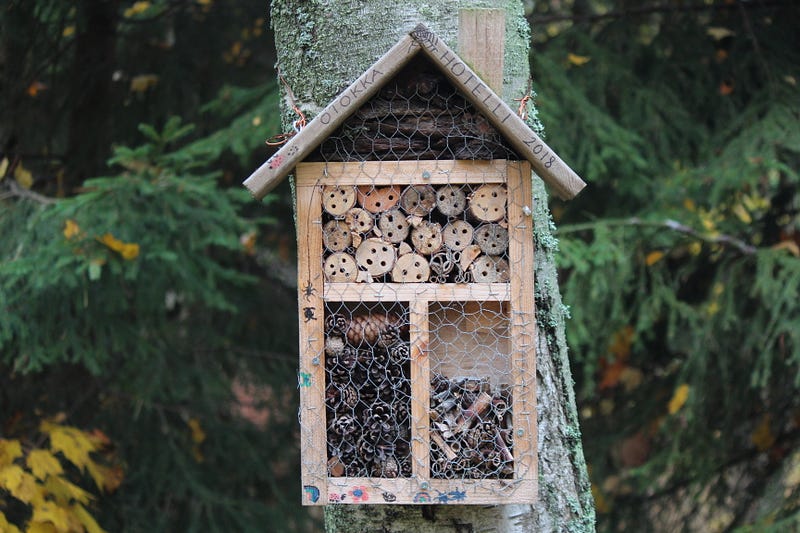
Easily provide a home for solitary bees with little effort or cost by getting a bee hotel. You don’t have to worry about swarms arriving in your garden as you’d only attract a handful of solitary bees at most, along with a few other insects such as ladybirds. Bees are under threat globally so you’d definitely be helping a few fuzzy dudes out — as well as the planet.
Help a knackered bee!
If you’ve ever seen a bee laying on the floor barely moving and thought it was dying, it was probably just knackered. Bees often fly miles from their hive but can tire suddenly. They drop wherever they are and act so lethargically they look nearly dead. Given a little recovery time, they’re fine but often fall foul of prey (or a foot) in that time. You can help a tired bee by mixing a teaspoon of water with a tiny amount of sugar on a small plate and put the bee next to it. The sugars will restore its energy within minutes. Look carefully and you may see them stick out their tongues and take a drink! Alternatively, cut a slice of apple and put the bee on it.
Something more elaborate is a ‘bee refreshment station’, a.k.a a bee bath — imagine a scaled-down version of a birdbath. Get a small dish about the size of a side plate, add some small rocks and twigs, a little water (perhaps sugar water), and maybe a slice of apple at times and voila! A hangout for bees to chill and get some refreshment in-between their travels.
Become a hobbyist beekeeper
Or you could go all-in and become a beekeeper. As I wrote here, even a hobbyist bee-keeper, like my osteopath, can easily house a staggering quarter-of-a-million bees in just an average-sized garden. He assures me it’s not at all difficult, more a labour of love. Your local beekeepers’ association is a good place to start if you’re an absolute beginner.
It’s worth noting beekeepers don’t own or control bees. They own the hives which the bees choose to live in as they provide a clean, dark shelter. It’s a totally consensual thing!
Bee Ethical
Bees have an incredible work ethic, and the pure industriousness of honey bees, in particular, leads to the creation of many luxury products from their excess honey. These range from jarred honey (often referred to as a superfood or ‘nectar of the gods’), royal jelly health supplements and beauty creams, beeswax candles, and many more. Should you ever look to buy such honey-based products, make the extra effort to ensure they are ethically-produced and not made from the honey of factory-farmed bees, where inhumane steps are used to maximise honey production. Visit PETA online if you wish to find out more about this.
Support your local beekeepers.
Thousands of amateur beekeepers all over the world play an essential role in the survival of honey bees, providing safe and suitable hives to house bees in exchange for their excess honey. They use this excess to create consumables which they sell to help support their hives. This is a great way to buy organic, ethically-produced bee-related products, knowing the money will be put to good use.
Your local beekeepers' association can give you a list of beekeepers in your area, and possibly a list of farmers’ markets or other events where they often ply their wares.
Take a minute to sign a petition or a few more to create a bee-friendly zone in your neighbourhood… because it’s nice to be nice to bees! :)