
7 Beauty Trends That Were Once Popular But Are Now Outdated
When beauty went wrong — Beauty trends we’re Glad are behind us.
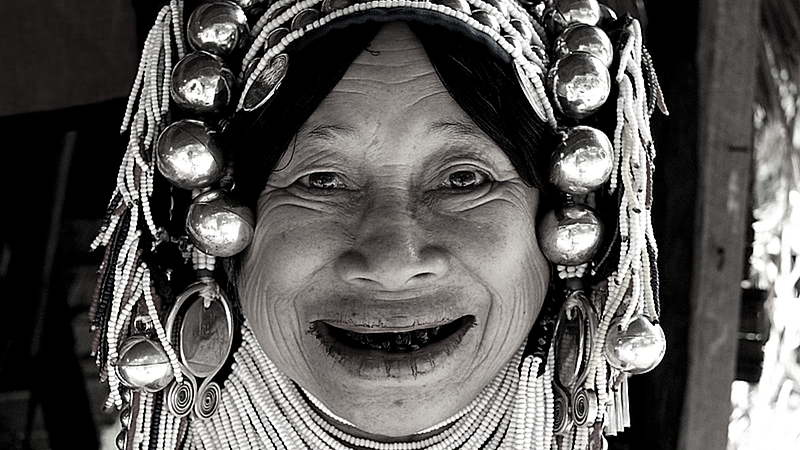

Do you ever look back on old photos of yourself and cringe at the fashion and beauty trends that you used to rock?
We’ve all been there, but believe it or not, some of the beauty trends that were popular in the past are even more outrageous than what’s in style today.
From forehead wigs to lip plumpers, some of these fashion and beauty trends from history will make you laugh — and even shake your head in disbelief. Read on to learn about 7 of the strangest, most dated beauty trends from history.
7- Erotic Piercings — A Look At Victorian-Era Trends
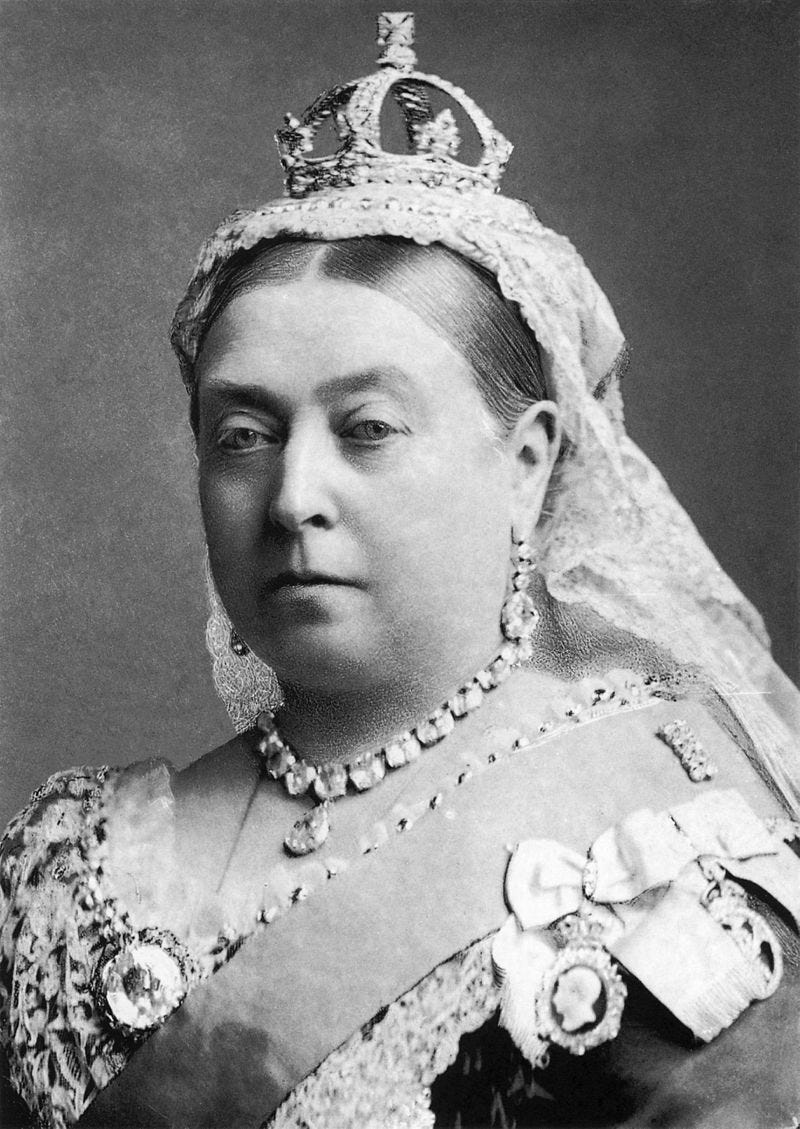

During the Victorian Era, one of the strangest beauty trends to emerge was the popularity of erotic piercings. These piercings were applied to a woman’s ears and lower lip, to create an erotic appearance.
The piercings were often made out of silver or gold, and they were usually placed in pairs or fours.
As strange as it may seem today, this trend was quite popular during the Victorian Era and was seen as a sign of sophistication and beauty.
It is believed that the trend began when women started wearing these piercings in the shape of a heart or butterfly, which symbolized their femininity.
The piercing trend was also popular among men and was seen as a way to express their masculinity. While the trend has certainly faded over time, it still serves as a reminder of just how strange some beauty trends can be.
6- Japanese Women Wanted Black Teeth
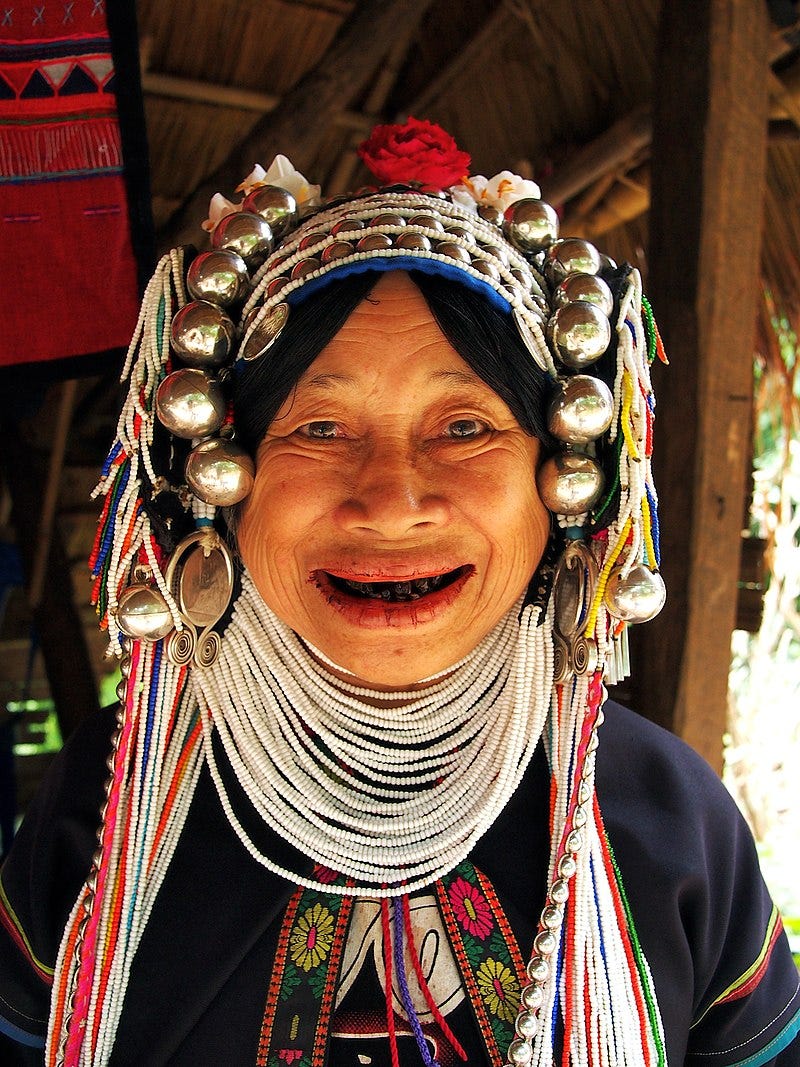
Believe it or not, Japanese women of the past wanted black teeth! During the Edo period in Japan (1603–1868), it was considered attractive to have blackened teeth, a trend is known as Ohaguro.
Women would paint their teeth black using natural products like iron or silver filings, or even dye made from tea. This was thought to be beautiful and was a symbol of high status and maturity, while white teeth were seen as childlike.
It wasn’t until after the Meiji period that this practice slowly became outdated, being replaced by western beauty standards.
Nowadays, Ohaguro is only practiced by traditional geishas and during festivals.
5- Good Unibrow — Greek Art And Fashion
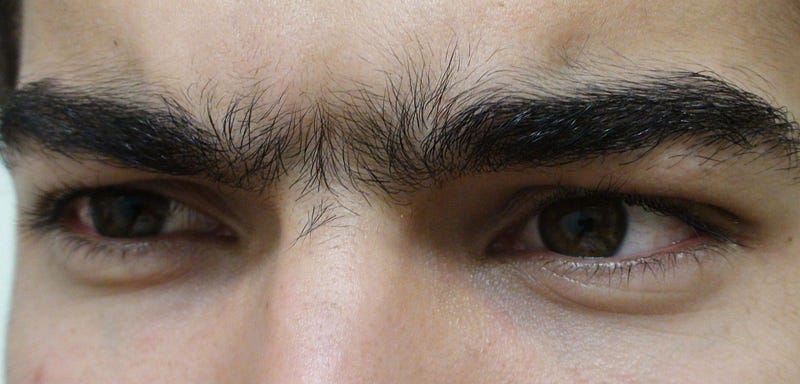

The Ancient Greeks had an interesting concept when it came to beauty — a single, thick eyebrow was the ultimate symbol of beauty.
We know this because their statues and paintings were all carved with one continuous, large eyebrow covering both eyes. This strange beauty trend was likely a status symbol, as the unibrow was considered a sign of intelligence, power, and fertility in Ancient Greece.
So much so that wealthy women would even try to enhance the look by darkening their eyebrows with coal or using a needle to draw on individual hairs.
While the unibrow might seem like a dated beauty trend now, it was once highly fashionable in Ancient Greece.
4- The Legacy Of Men’s Calves — Fashion And Fitness
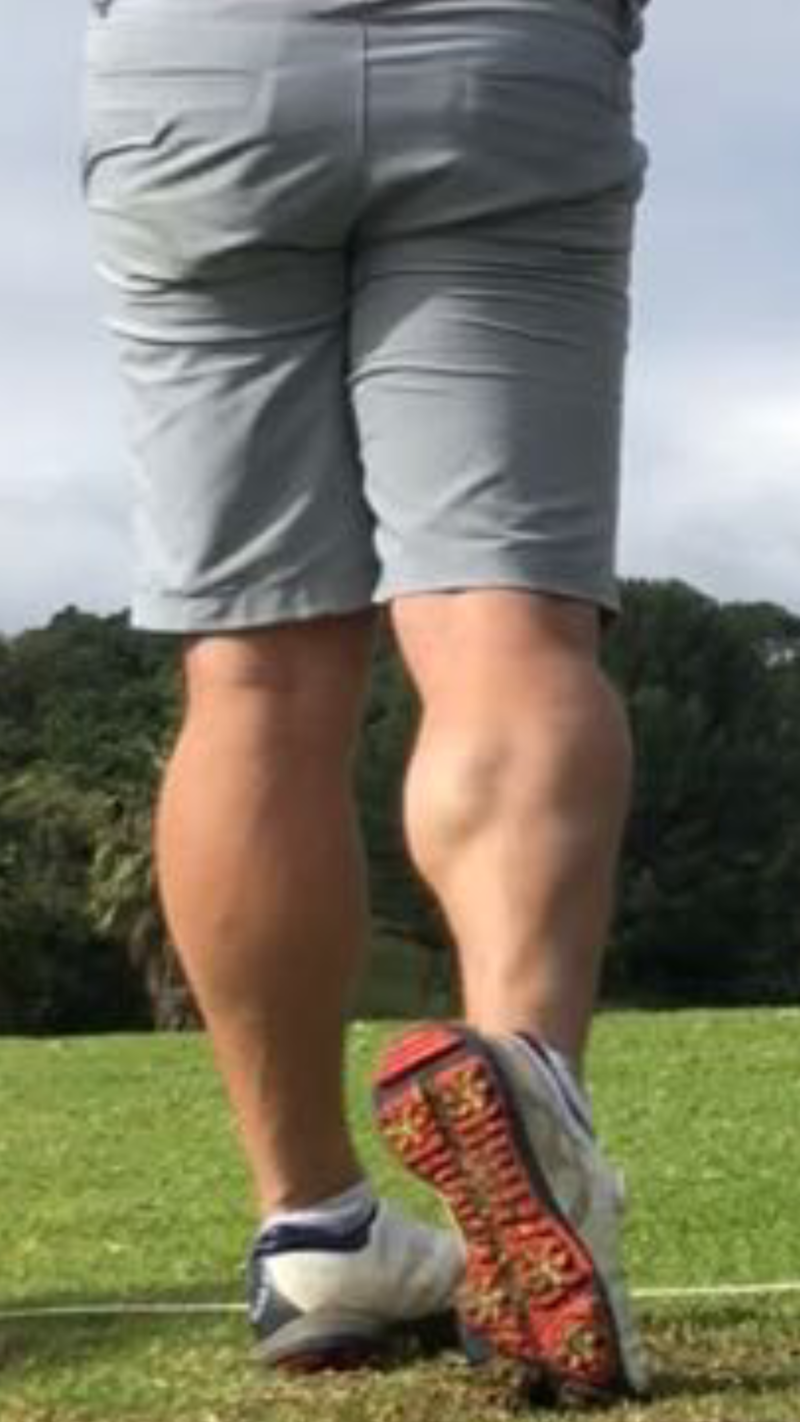

It’s safe to say that in modern society, abs are seen as the epitome of physical attractiveness. But this wasn’t always the case. During the Middle Ages, men were judged not by their six-packs, but by their calves.
Even the Renaissance artists of the era showed male figures with strong calf muscles, indicating that they were considered desirable body parts.
It was thought that having well-defined calves suggested that a man was strong and capable of physical labor and could also be an indicator of wealth since only those with the money to afford healthy meals and ample exercise time could afford to develop these muscles.
It’s also been theorized that since tight-fitting hose was fashionable at the time, a nicely muscled calf would have looked particularly attractive when displayed.
Whatever the reason, it’s clear that the male calves of the Middle Ages had a certain allure and admiration that can’t be found in many cultures today.
While abs may be popular now, it’s interesting to think about how different body parts have been attractive throughout history.
3- Short Teeth — Ideal Of Feminine Beauty
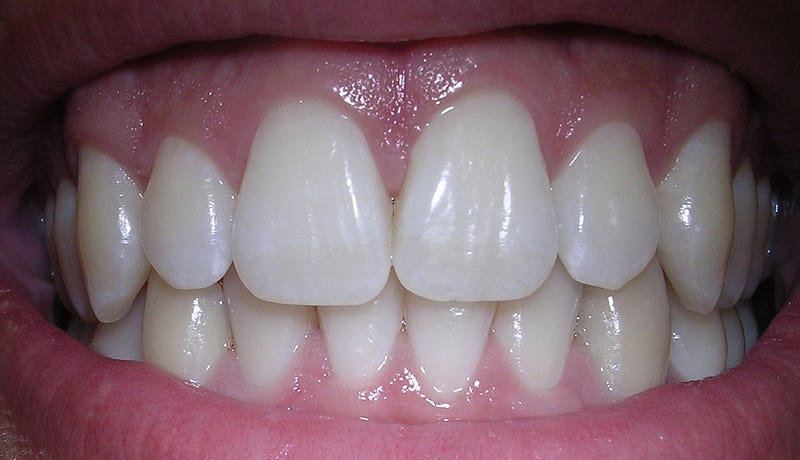

The Renaissance period was known for its focus on beauty, and one of the most striking aspects of this was the idealization of short teeth.
The trend was so popular that many people had their teeth filed down to match the desired look.
The idea was to have a small mouth and to keep the overall facial features in harmony with each other. To achieve this, the upper lip would be pulled down by dental forceps so that the gum line was visible.
People would then have their teeth filed down to create a uniform appearance. This was a very painful process and often resulted in permanent damage to the teeth.
While some may have been attracted to this look, it is clear that there was an element of conformity involved. Short teeth were seen as being essential to beauty during the Renaissance, making them a strange, but very dated trend.
2- The Global Fascination With Incredibly Small Feet — Myth Or Reality?
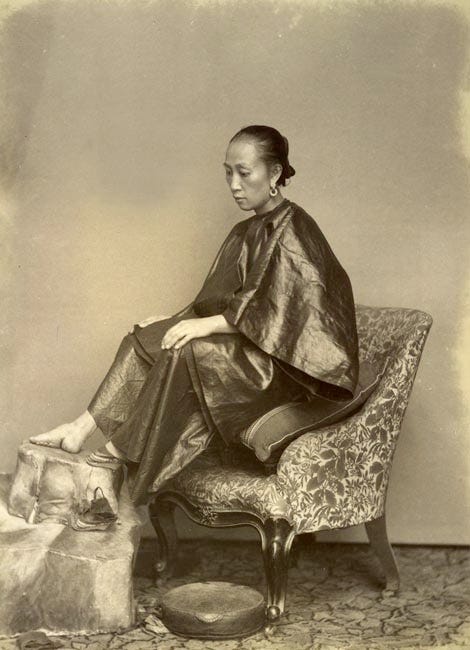

During the 10th century in China, small feet were incredibly popular and a symbol of beauty. This trend, known as foot binding, involved tightly wrapping the feet of young girls to restrict their growth.
The practice was believed to make feet look more delicate and dainty, and it was even considered a sign of wealth and social standing. This dangerous practice would cause extreme pain, infection, and sometimes even death.
Foot binding was outlawed in 1911 but the practice had been embedded in Chinese culture for centuries prior.
While the trend may seem bizarre now, it was widely accepted during its time and continues to remain an interesting part of Chinese history.
1- Skull Shaping — The Ancient Maya Concept Of Beauty
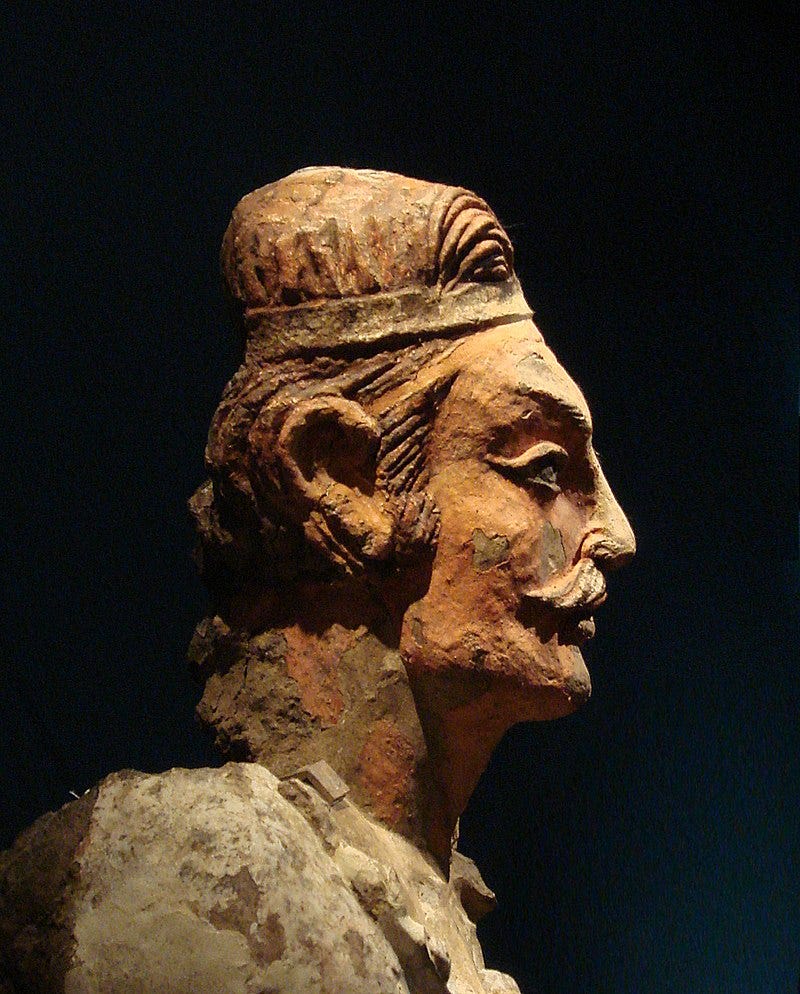

The Ancient Maya had a rather interesting approach to beauty. From 1000 to 1524 AD, Maya people practiced a tradition of skull shaping, which was used to alter the shape of their heads to appear more aesthetically pleasing.
This practice involved using pieces of wood, fabric, or leather to shape the head and flatten it from the forehead to the back. In some cases, bones were also used to change the shape of the skull, creating a conical shape.
This form of skull shaping was thought to be a status symbol among the Maya people. Those with shaped skulls were believed to be of higher social rank and often held positions of power within their communities.
Skull shaping was also seen as a sign of beauty and was desired by both men and women alike.
Although skull shaping is no longer a common practice, it’s still quite fascinating to learn about this ancient form of beauty.
It’s a reminder that what we consider attractive today is not necessarily what has always been considered attractive in the past.
Points To Ponder
It’s astonishing to think that these strange and outdated beauty trends were once popular.
We have certainly come a long way in terms of beauty standards over the years, but it’s important to remember that many of these strange trends were once seen as attractive.
The key takeaway is that beauty standards vary greatly depending on the culture and era, and what might be seen as attractive one day may not be seen as such another day.
Join Medium Today
More from the author: