
7 Bizarre Royal Sibling Rivalries That Will Intrigue You
A clear picture — The rivalry runs deep.
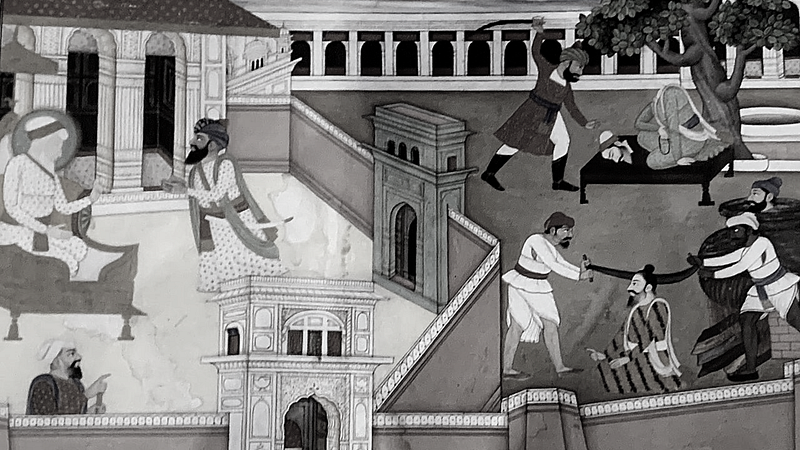
Royal siblings often have intense rivalries, as can be seen throughout history. From ancient Egypt to more recent European dynasties, royal family members have been known to fight with each other for power, money, and status.
In this article post, we will look at seven of the craziest royal sibling rivalries from history that you won’t believe.
From siblings plotting against each other to life-threatening feuds, these seven rivalries are some of the most intense royal battles that have ever taken place. Get ready to be amazed and shocked by the history of royal sibling rivalry!
7- The Bloody Reign Of Ottoman Ruler Mehmed III — A History Of Fratricide
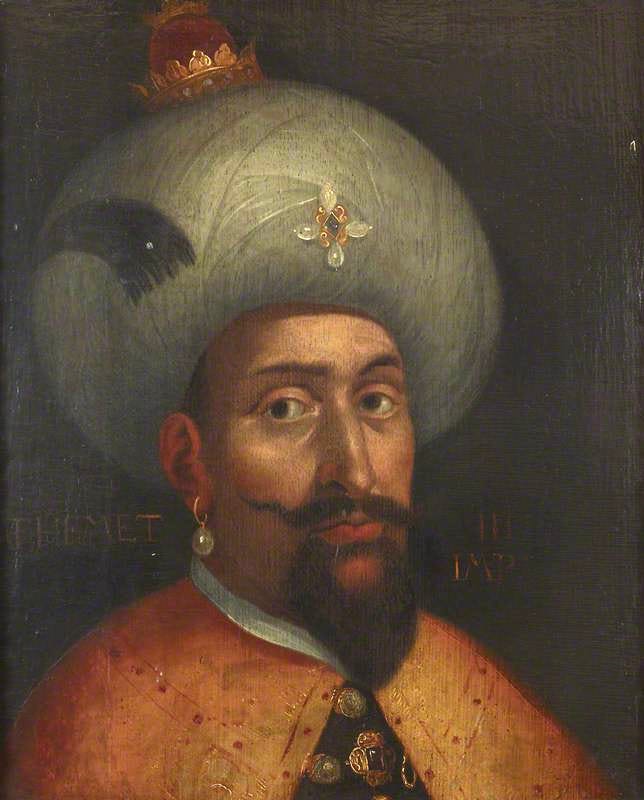
One of the most notorious royal sibling rivalries in history is that of Ottoman ruler Mehmed III and his brothers and stepbrothers.
After becoming sultan, Mehmed killed 19 of his siblings and stepbrothers, a shocking and savage act that was, surprisingly, legal under the Ottoman Empire’s law at the time.
The Sultan argued that any potential rivals had to be removed for the stability of the empire, and he had his victims buried in a single tomb to make a statement about the cost of treason.
He was said to have felt regret for his actions and cried at the burial site, but it was too late for the fallen brothers. This rivalry shows just how far some royals are willing to go to maintain their power.
6- The Brutality Of Aurangzeb’s Reign — Brotherly Betrayal
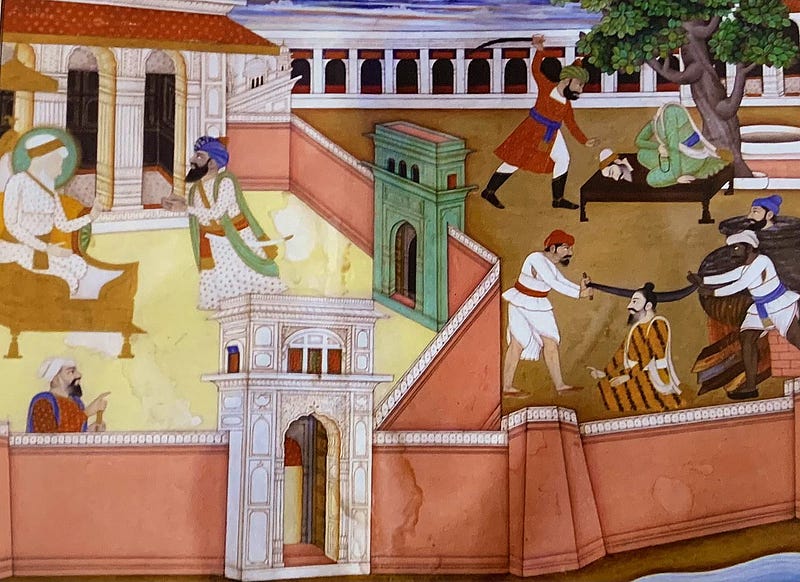
Aurangzeb, the sixth Mughal Emperor of India, was known for his cruelty and ruthlessness. In 1659, he ordered the execution of his younger brother Dara Shikoh, who had been a rival claimant to the throne.
To make matters worse, Aurangzeb then sent the decapitated head of his brother to their father, Shah Jahan. This was done to demonstrate his power and strength as a leader and to prove to his father that he had won the struggle for succession.
This grisly act of revenge has gone down in history as one of the most intense sibling rivalries in all of royal history.
The story serves as a reminder of how far people will go to exact vengeance on those they perceive to be their enemies.
5- Mary I And Elizabeth I — A Tale Of Royal Betrayal
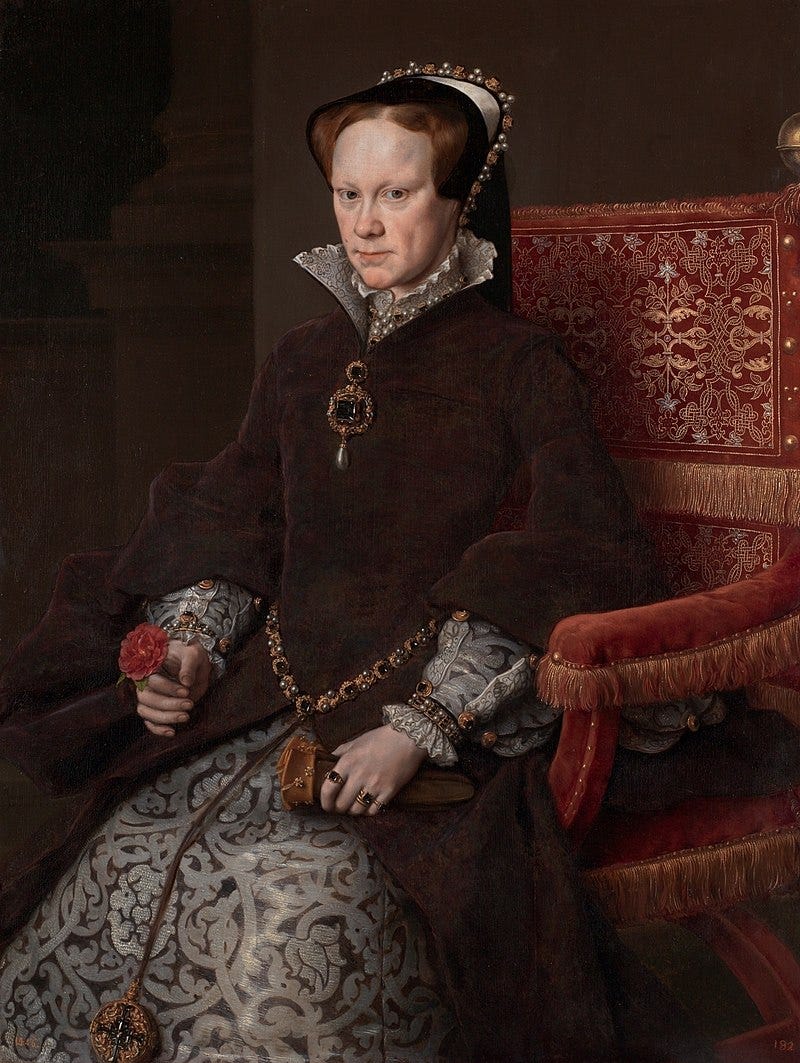
As one of the most famous sibling rivalries in history, Mary I, also known as ‘Bloody Mary’, threw her half-sister Elizabeth I into the Tower of London for her alleged involvement in a plot to overthrow her.
Mary was the daughter of Henry VIII and Catherine of Aragon, while Elizabeth was the daughter of Anne Boleyn. Mary was Queen of England from 1553 to 1558, while Elizabeth reigned from 1558 until she died in 1603.
Mary was a staunch Catholic while Elizabeth was a Protestant, and this caused further animosity between them. Elizabeth was imprisoned in the Tower of London for two months before being released, with no charges brought against her.
It was feared that if Elizabeth were executed, her supporters would revolt against Mary. Though the two eventually reconciled shortly before Mary’s death, their long rivalry remains one of the most dramatic events in English history.
4- The Murder Of Geta By Caracalla — The Tale Of Two Brothers
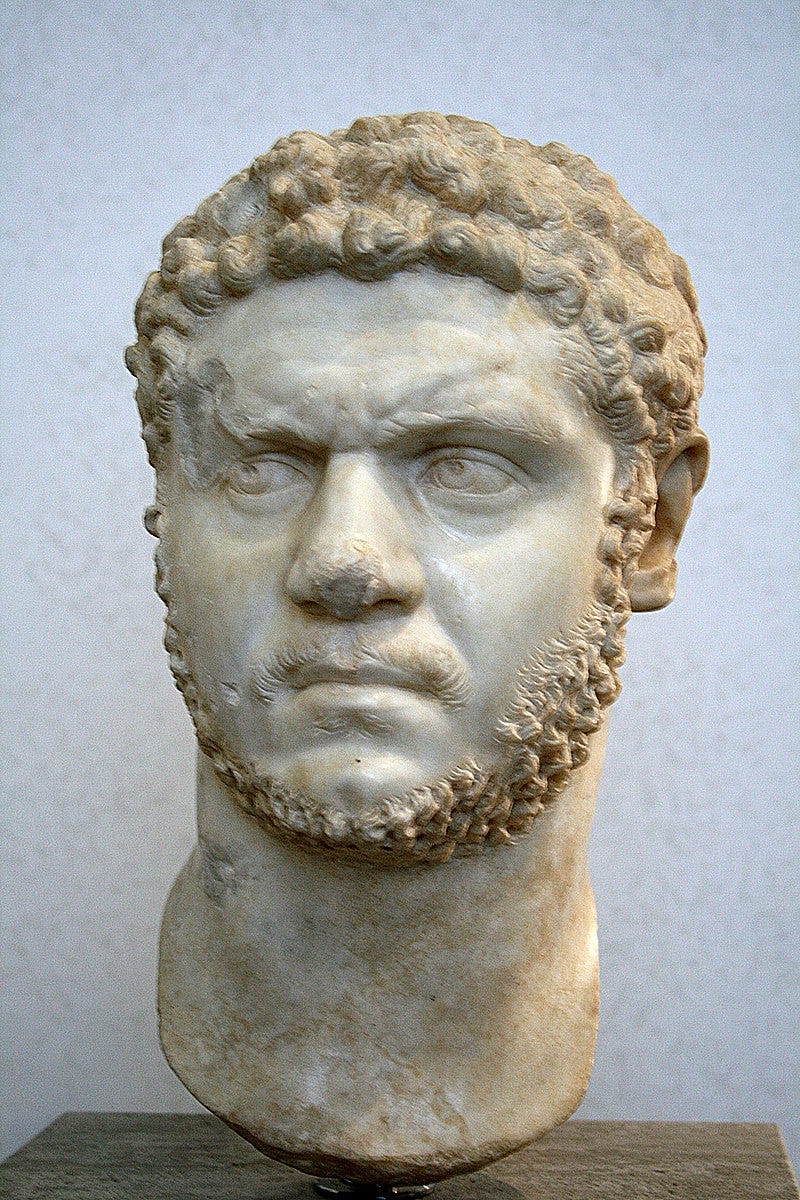
Caracalla, the second son of Roman Emperor Septimius Severus and his wife Julia Domna, ruled as joint emperor with his younger brother Geta until a bloody rivalry between the two erupted.
While staying at their mother’s residence in 211, Caracalla arranged to meet with Geta. However, when Geta arrived he was met by a group of armed soldiers who proceeded to stab him to death while their mother Julia Domna looked on in horror.
It is believed that Caracalla had ordered the killing of his brother while he was in their mother’s arms. After this gruesome murder, Caracalla continued to reign alone as the sole emperor of Rome until his assassination in 217.
This incident was one of the most brutal sibling rivalries ever witnessed in history and serves as a reminder of the consequences of unbridled ambition.
3- The Dark Side of Genghis Khan — The Brutal Murder Of His Brother
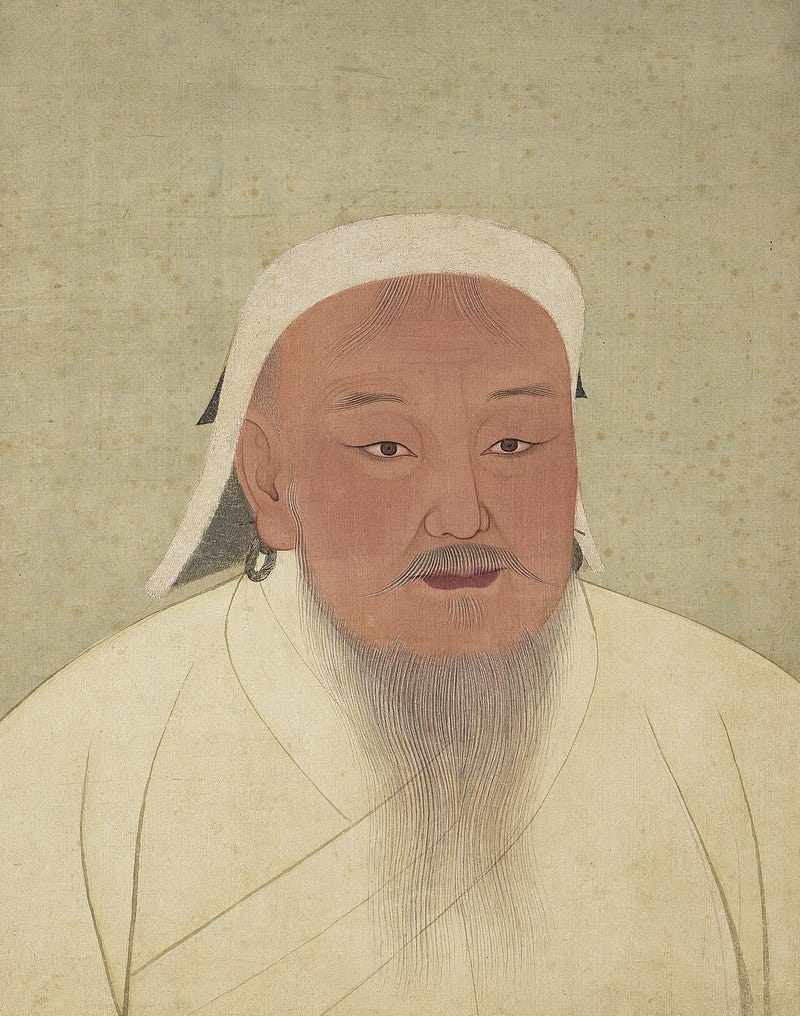
Genghis Khan, the great Mongolian conqueror, was known for being ruthless in battle and his personal life. One of the most extreme examples of this was when he killed one of his brothers for withholding fish from him.
According to legend, the younger brother had caught a large fish but refused to give it to Genghis Khan. This angered the Mongol ruler and so he ordered his men to kill the brother and bring the fish to him.
This incident illustrates the intensity of royal sibling rivalries that have occurred throughout history.
Genghis Khan’s example is a reminder that even the mightiest rulers could be prone to petty squabbles between siblings.
2- Lucien’s Exile — The Fallout Of His Brother’s Reign
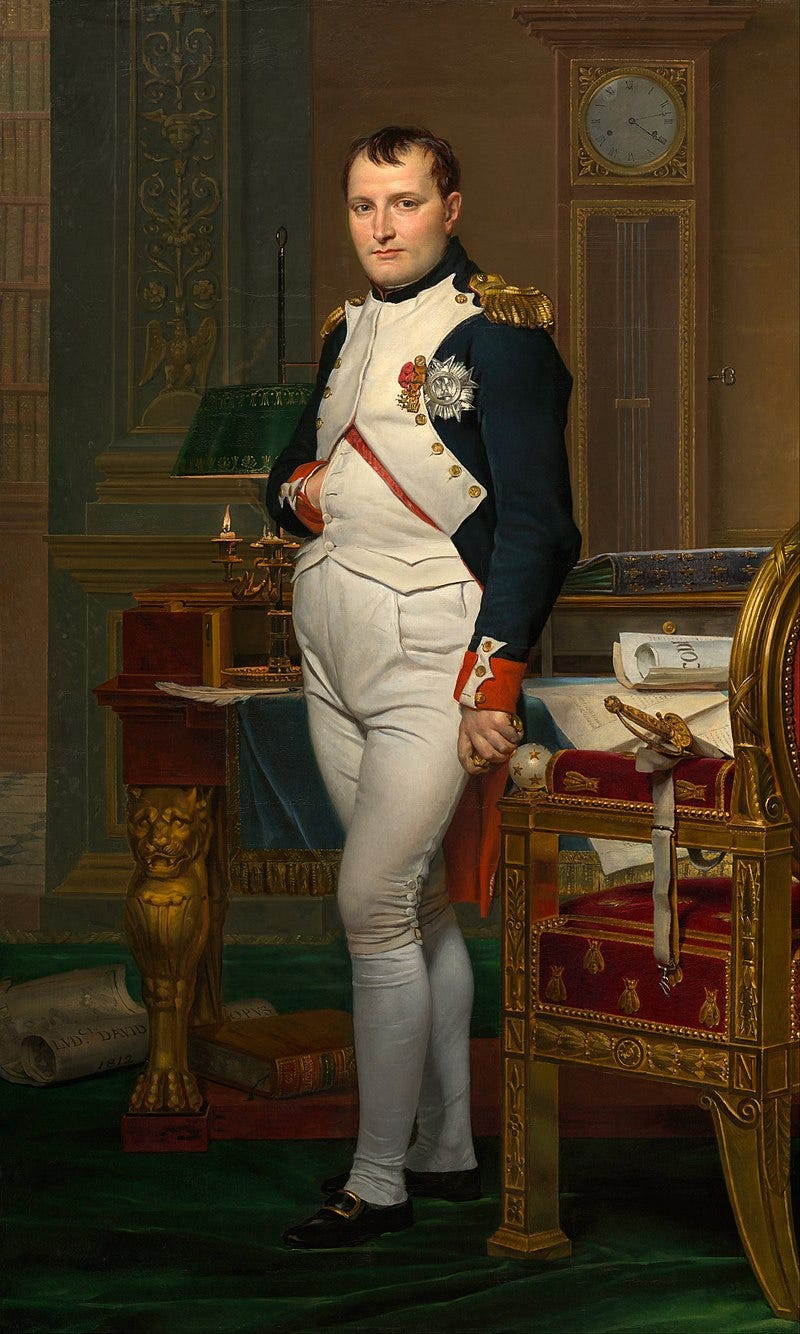
Napoleon Bonaparte and his younger brother Lucien had a tumultuous relationship throughout their lives. Though they were once close, their relationship deteriorated as Napoleon’s political career progressed.
Lucien was always envious of his older brother’s power and influence, and this often led to heated arguments between them.
Eventually, things got so bad that Lucien decided to leave France and go into self-imposed exile in the United States in 1810.
Lucien left France with the intention of never returning. He was bitter about Napoleon’s growing influence and felt that his ambitions were being ignored.
As Lucien left, he made a point of not saying goodbye to Napoleon and made sure to publicly criticize him for his actions. This deepened the rift between them and it was several years before they reconciled.
Though their relationship was rocky, it was clear that Lucien still had some love for his brother. Upon hearing of Napoleon’s exile and subsequent death on St Helena, Lucien wrote to his sister Eliza.
In the end, Lucien returned to France and continued to have a strained relationship with his brother until Napoleon’s death.
Though their relationship was far from perfect, it serves as an example of the intense rivalries that can exist between siblings even in the most powerful of families.
1- The Infamous Chamber Pot Incident — How Robert’s Brothers Crossed The Line
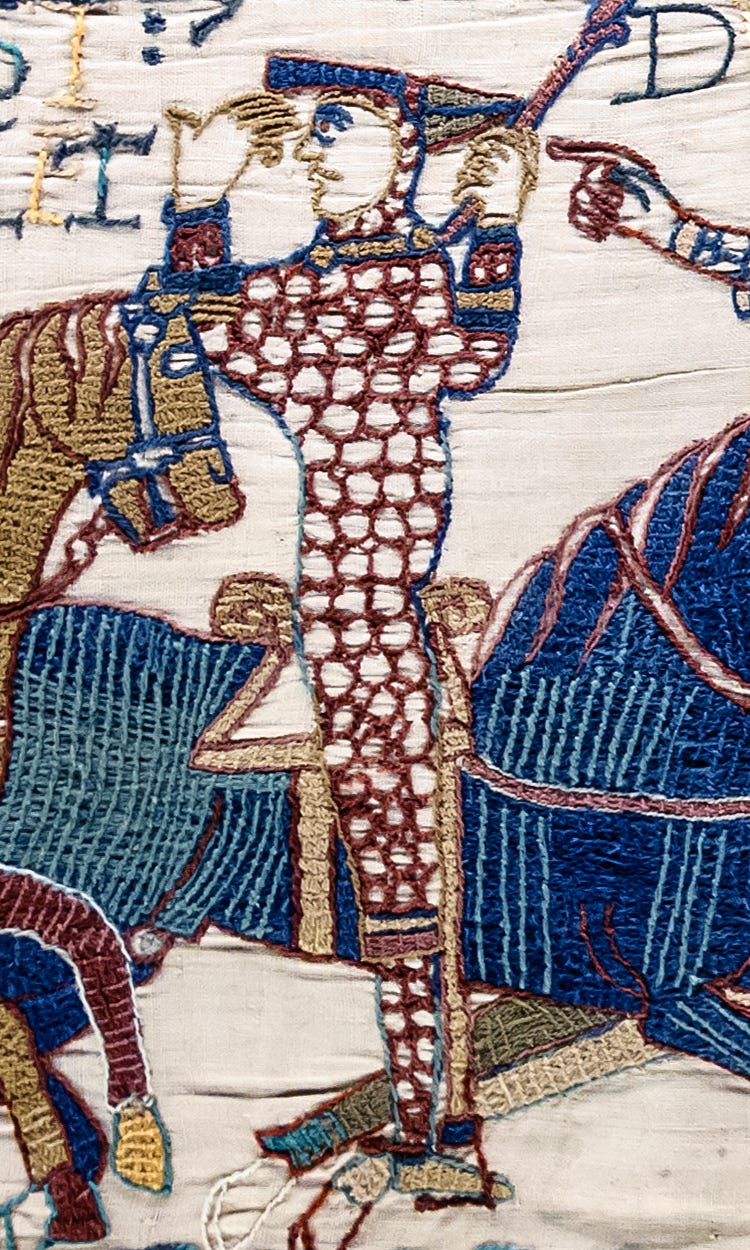
William the Conqueror’s son, Robert, was a figure of medieval history with a vengeful streak.
Legend has it that his younger brothers, William Rufus, and Henry, humiliated him by emptying a chamber pot over him during dinner. This caused Robert to never forgive his brothers and he vowed to take revenge.
The story is only a legend but it speaks volumes about the intensity of royal sibling rivalries in the past.
Robert had a strained relationship with his siblings throughout their lives, which eventually led him to make several attempts to overthrow William and Henry.
Unfortunately for Robert, these attempts were all unsuccessful and he spent much of his life in exile. Even when he was allowed to return home, he was never able to reconcile with his brothers.
As a result, the rivalry between them lasted until Robert’s death. This story serves as a reminder of how even members of royal families could experience intense rivalries. It also shows that many of these rivalries would outlast the lifetimes of those involved.
Points To Ponder
Royal sibling rivalries have existed for centuries, and can often be intense and even deadly.
While not all royal siblings have been contentious with one another, there have been many examples of extreme disputes between brothers and sisters throughout history.
From Ottoman Ruler Mehmed III killing 19 of his brothers and stepbrothers to William the Conqueror’s son Robert never forgiving his younger brothers for dumping a chamber pot on him, these stories prove that sibling rivalry knows no bounds, especially when it comes to royalty.
Thankfully, modern-day royal families tend to have more peaceful relationships than their ancestors, but it is still fascinating to look back and see just how far these feuds can go.
Join Medium Today
More from the author:


