
The Heart’s Gatekeeper I:
Defending the Inner Child
When we are painful to the people we love, they often mirror us by expressing their pain. There is nothing like a hurt person to transform us into another hurt person. (This is how we became hurtful to others.)
What happens when the person does not express pain but rather asks us to meet our needs by being vulnerable enough to share them? We become mysteriously offended. Becoming softer would only expose our fear. Suddenly we witness the function of our pain: to hide our vulnerability from others, and ourselves.
Don’t they know what our pain whispers to us? —
What would you do without me?
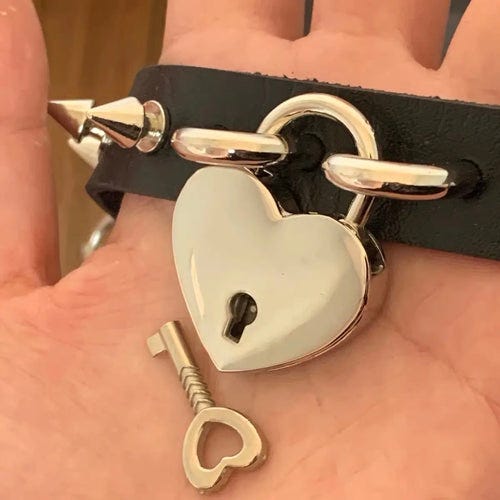
Pain is the reason for the gatekeeper who stands before the heart, guarding the entrance: keeping us alone, keeping us lonely. Better to suffer in the pain we create than to allow another to cause us pain: the pain of losing love: a love we fear we cannot keep. Better to keep pain out, even at the cost of letting love in. And so, our gatekeeper says:
We are all Cinderellas: pining for love, believing it would take a miracle to get it, and, having finally attained it, believing another miracle will take it away.
What if we confront our gatekeeper and ask:
How did you get here?
We should note his answer scrupulously and share it with our therapist, or if not, the therapist who lies within.
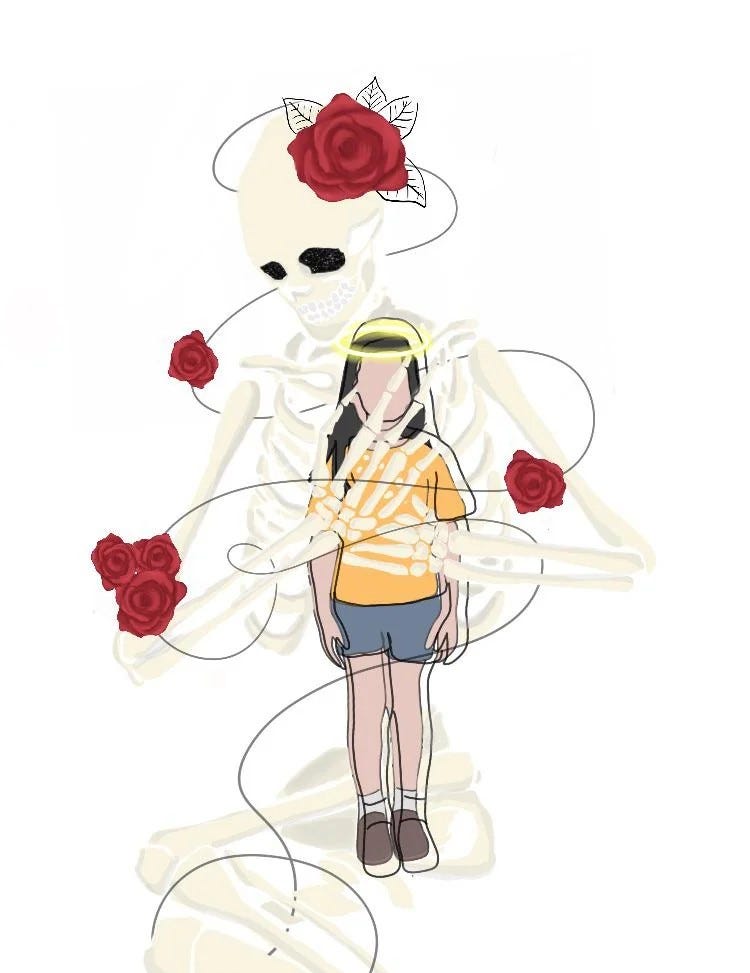
What if we tell our gatekeeper that we are not as wounded as we once were? That he is costing us love? That he is causing more pain than he is preventing? That love and pain enter through the same gate? That we need to employ him more consciously?
Talk to your own gatekeeper rather than yelling at the other person’s. Anger only convinces their gatekeeper (and yours) that he needs to stay. Nor can you use their gatekeeper as an excuse to activate yours — unless your intent is to push away more love by activating more pain.
Instead, consider asking whom the gatekeeper protects. If you approach sincerely and gently, you will find an inner child heretofore unseen hiding behind all that strength. The stronger the gatekeeper, the softer the child. The gatekeeper, then, is not failing in his task when you get triggered — he is convincing himself he needs to stay, convincing the child she is not safe, convincing others there is no one soft behind him.
The gatekeeper not only defends the inner child, he hides her — including from you. The great challenge is then to find the kindness that is not being shown. This means finding our own kindness even when we’re not being rewarded for it, finding the kindness in others even when they’re not giving it. If you want to connect with a part of a person, speak to it; speak it into waking; speak to it by recognizing it as the more authentic love that wants to live.
Gatekeepers exist insofar as the person housing them believes the pain they’re preventing is more real than the love they’re avoiding. To let go that pain, and the gatekeeper whose existence depends on it, find the only thing more real than pain: love.
To follow me: https://medium.com/@myartman
To subscribe: https://medium.com/@myartman/membership
Also read The Two Keys to Healing, Your Pain is a Parasite that Controls You and What We Do with Our Pain.