
6 Anti-Inflammatory Foods To Add to Your Daily Diet
Two types of inflammation: good(acute) and bad (chronic).
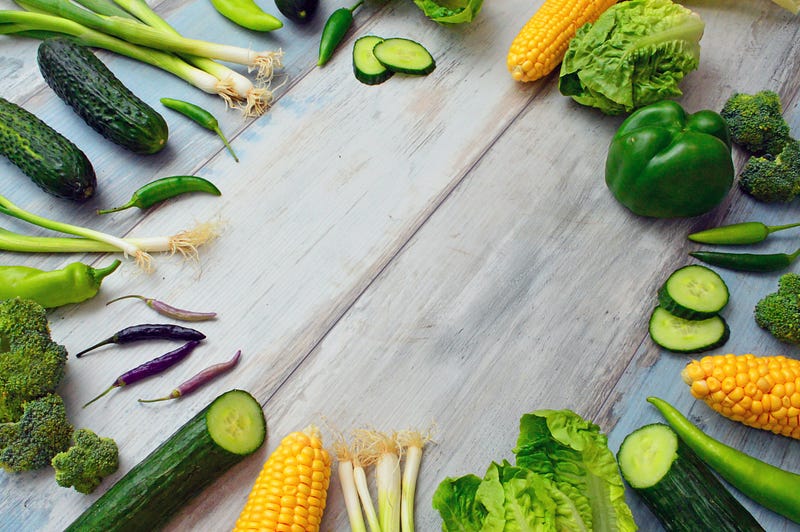
As I mentioned in the subtitle, not all inflammation is bad for your health. Good inflammation helps your body to defend itself from injury and infections. Chronic or bad inflammation is one of the main causes of many diseases.
What is inflammation?
It’s basically a body’s internal fighting mechanism system. The body starts to heal and protect itself. The acute immune response means the body is healing itself through swelling, also called good inflammation.
But when chronic inflammation or bad one means our immune system can damage healthy tissues, which can cause us to develop certain diseases: asthma, heart disease, cancer, chronic fatigue, dementia, obesity, depression, etc.
Inflammation is in the background of every single major illness.
— Julie Daniluk
Here are the top 6 foods I will suggest including in your daily diet to decrease inflammation.
1- Broccoli
Broccoli belongs to the cruciferous vegetable family. It’s rich in glucosinolates, which are phytochemicals. 3 Phytochemicals are antioxidants found in plants.
Broccoli is known as high in vitamin C, potassium, calcium, vitamin A and low in calories. Almost every dietician recommends adding broccoli to your daily diet.
Broccoli is easy to mix into your diet because it tastes great, both cooked and raw. Studies show that a diet high in cruciferous vegetables, such as Broccoli reduces the risk of some cancers.
2- Green tea
Fighting inflammation is as simple as drinking a cup of tea. Tea contains catechins, which are anti-inflammatory antioxidants. Green tea contains the most potent catechin, EGCG. Other teas have this effect as well, but green tea offers the greatest number of advantages.
If you would like to include the highest EGCG contained gree tea or matcha in your diet. This is the brand, Teavana Green Tea Gyokuro, I personally use. Its Amazon affiliate link.
3- Turmeric & Ginger
As I grow in South Asia, turmeric and ginger are the two main parts of almost every dish, especially at dinner/lunch. I am a huge fan of fresh ginger on steak. You should give it a try.
Curcumin, the bright-colored ingredient in turmeric, has substantial anti-inflammatory properties that might help reverse many stages of the heart disease process, relieve joint pain as well as ibuprofen, and even regenerate and repair damaged brain cells.
4- Chia seeds
Chia seeds or flax seeds are abundant with omega-3 fatty acids, which have been shown to reduce inflammation. A spoonful of flaxseeds or chia seeds can be added to cereal, oatmeal, yogurt, or smoothies.
I personally love to add in my smoothie or cereals, not a huge fan of the taste but I add it from a health perspective. If you don’t like chia seeds, you can consider flex seeds.
5- Berries
Anti-inflammatory substances like anthocyanins and ellagitannins are highly beneficial to your health, found easily in berries. Several minerals can be easily found in berries like vitamin C, potassium, vitamin E, and folate, which have antioxidant qualities that reduce harmful inflammation.
Blueberries, strawberries, blackberries, and even cranberries, have been demonstrated to help reduce cardiovascular disease risk factors, including inflammation and high blood pressure.
Try to include fresh berries in your diet to have a healthy life. And if the fresh berries are not available, you can easily buy frozen berries. I love to make smoothies with frozen blueberries.
6- Avocado
Avocados are commonly associated with healthy fats. Avocados are also high in monounsaturated known as healthy fats, which aid in lowering cholesterol and preventing joint inflammation. Avocados also include a lot of vitamin K, C, E, zinc, and manganese.
Research shows that avocados are also helpful to prevent neurological illnesses like Parkinson’s and Alzheimer’s.
Quick Fact: Avocados also have more potassium than bananas. A 3.5-ounce portion of avocado has 14 percent of the daily potassium intake, whereas a banana contains 10%.
Key takeaways
- Diabetes, heart disease, cancer, obesity, Alzheimer’s disease, and asthma are all caused by chronic inflammation
- Chronic inflammation does not have to be a part of your life! Changing your eating habits may be beneficial to get rid of bad inflammation
- Try to include these 6 foods in your diet to fight bad inflammation: blueberries, turmeric, Broccoli, turmeric, avocado, and seeds (chia or flex)
- Always eat healthy foods and if you have any kind of pre-existing condition, please refer to your doctor first.
Thank you for reading and let me know in the comments if you know of any anti-inflammatory food.
If you enjoy reading stories like these and want to support me as a writer, consider signing up to become a Medium member. It’s $5 a month, giving you unlimited access to stories on Medium. If you sign up using my link, I’ll earn a small commission.


