
6 Mistakes When Making Pesto And A Classic Recipe
Not every green sauce is a pesto
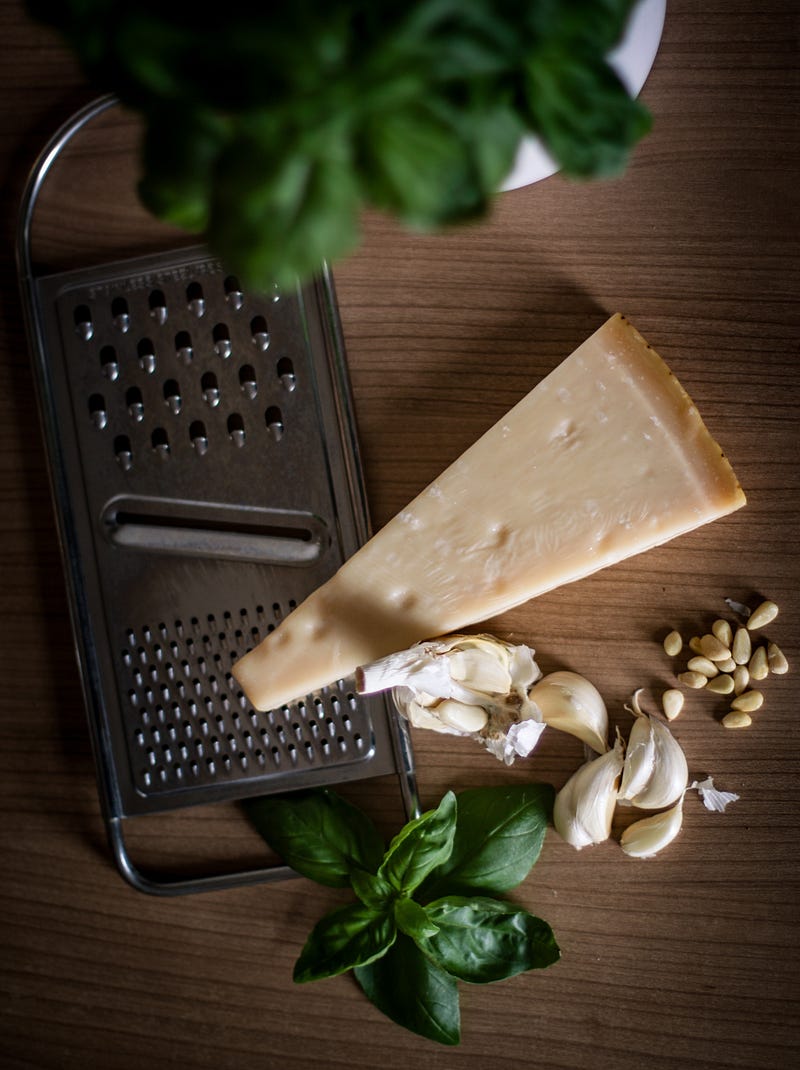
Everyone loves Italian food, but not everyone knows how strict are Italians with their recipes. One of the widely spared recipes is the pesto recipe. I need to mention there are different types of pesto, but the most famous is Pesto Alla Genovese (Pesto of Genoa). YouTube is full of this type of pesto-making videos that are quite different from the classic recipe and contain wrong and often additional ingredients. Honestly, if I was not living in Italy, I wouldn’t have paid attention and wouldn’t ever considered writing this article. However, seeing how Italians suffer from the wrong recipes, I feel I need to share the recipe. First, let’s see what’s wrong.
Pepper. Usually, black is used, but people are adding also a red pepper to pesto. Remember, there is no pepper in pesto. Don’t ask me “why”, that’s how pesto is made. Now, some of you may think. “Pepper is a spice; I can add it where I want”, and, 5 years earlier, I would have agreed with you but Italians are strict with their rules. If there is no pepper, then don’t add it.
Lemon juice (squeezed lemon) is a huge mistake. It is added sometimes to highlight the taste of pesto, sometimes to keep it fresh. You can never find an Italian squeezing a lemon on pesto. To keep it fresh Italians eat it fresh. That’s the secret :) However, if you made a lot of pesto and want to keep it for the future, keep it in a freezer or put pesto in a jar and add a bit of oil to it before closing the jar.
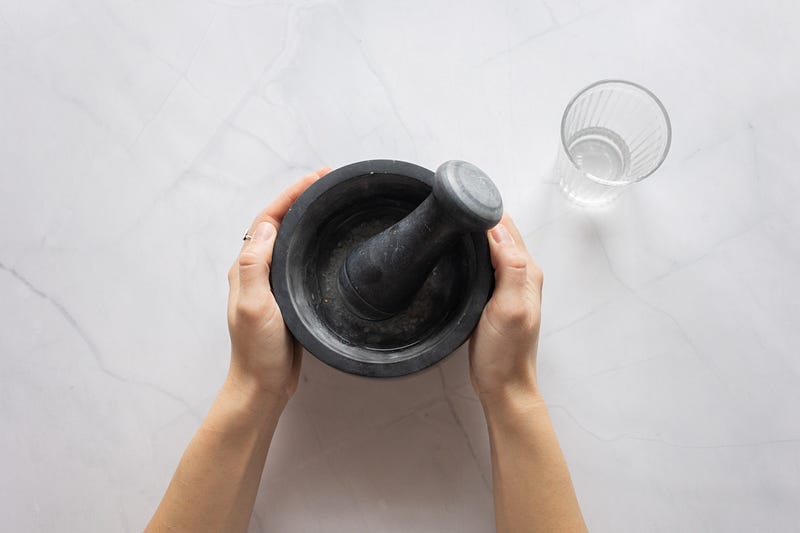
Garlic. Unlike lemon and pepper, garlic is an important ingredient in pesto. In other words, pesto without a clove of garlic is not pesto. The trick with garlic is to use it in the right proportion.
Walnut, hazelnut, and Cashew are not a part of the pesto recipe. Instead, pine nuts are used. That makes a difference, believe me.
Cheese type is also important. There are a lot of different types of cheese in Italy and each has its perfect place to be used. The right types of cheese, that are the best for classic pesto, are Pecorino and Parmigiano.
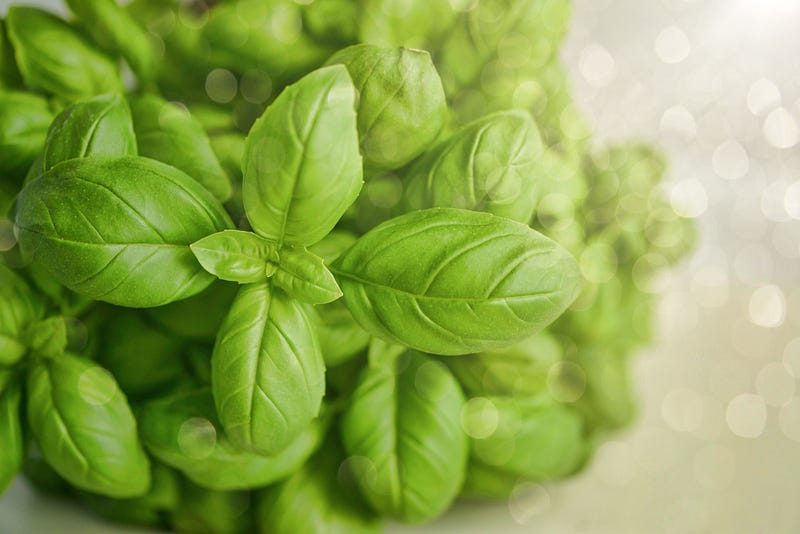
Order of mixing the ingredients. I bet you are not surprised! Yes, picky Italians pay attention not only to what is used to cook but also to the way and the order. In fact, pesto comes from the word “pestare” (in English mashing). So when you make pesto you need to mash it, not to use a blender(to blend) but to mash it in a marble mortar. The marble usually is cool, so it helps keep your basil fresh and green until pesto is ready. Also, to keep basil fresh, in traditional recipes, it is added at the end, but before cheese and oil.
The recipe. If you are still brave enough to try to make a pesto, here is what you need. Mash good sea salt and garlic (cut into small pieces) and slowly begin adding pine nuts. When the mixture looks well mashed, add fresh basil leaves (and only leaves) in small portions. Mash, mash, and mash. Add grated cheese and mash again. And only when it looks creamy enough add a bit of olive oil (preferably made in Liguria). For better performance, watch the video:
You can read more about Italy here. If you like reading my work, please subscribe to get an email notification about new articles.
If you liked my story, consider becoming a member and subscribe to Medium so you can read more articles by various authors, including my works.