
5 Ways Ocean Plastic Pollution Impacts you in Cities
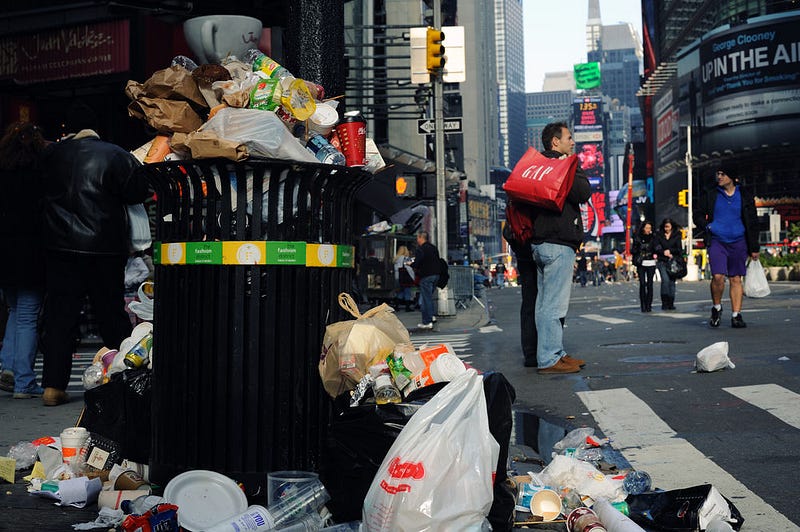
We’ve all been hearing about the plastic pollution problem one way or another. Groups working to ban single use plastic items — from the notorious bag to straws and cups. You hear people talking about how plastics end up in the ocean and think to yourself that you live in the middle of a concrete jigsaw puzzle hundreds of miles from the nearest beach. Who cares? “I don’t see the ocean, my own street is polluted, get used to it this is reality.” Or maybe you think, more dangerously, that hundreds of millions of others are doing the same thing why should you be the one to “care” first?
The truth is — even if you live in the middle of a continent or in the high peaks of a mountain or in the middle of a city that is miles away from the ocean, you are impacted by plastic pollution. Here are top ways how:
Ingesting Plastic
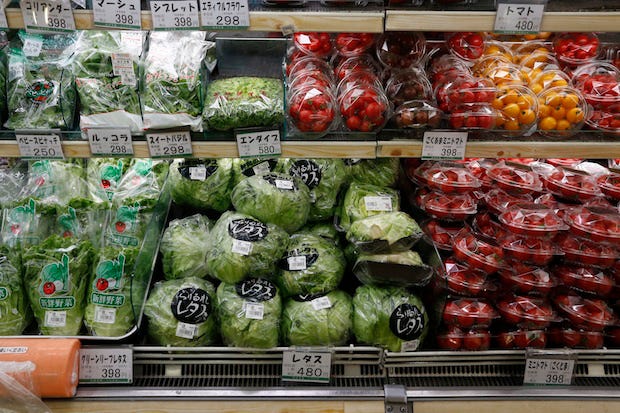
The main component of plastics is oil. It’s made using the left overs after refining the oil into petroleum — meaning it’s more toxic than petroleum because it’s been “refined” out of petrol. That leftover gunk is then processed with multiple types of chemicals — depending on the type (i.e durability) of plastic being produced. It then further gets processed for color and coated for use. Each of these steps include adding in chemicals. With such a complex chemical makeup — also known as phtalates — when plastic is exposed to varying heat conditions with various types of products, interactions occur and the chemicals get latched onto the foods or drinks we eat. We can’t see them, most of the time we can’t taste them. Sometimes when we can taste it it’s become accepted to get that “plastic taste” every now and then.
Every time we consume plastic — these toxins latch on and linger in our bodies for a long time. So much so that blood tests reveal toxins found in plastics in most of us now.
Once in our bodies phtalates reportedly damage nerves, DNA, cause thyroid issues leading to depression, increase likelihood for diabetes, impact memory function, linked to cause infertility and a whole host of other issues. This has been known since 2002 but not shared in the mainstream media.
Seafood
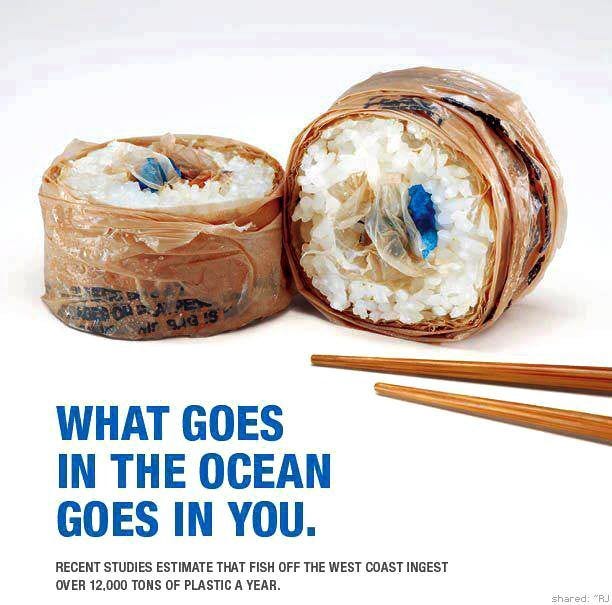
When you eat seafood you are ingesting plastic. 11,000 pieces every year to be exact. About 25–30% of all fish that we get have traceable amounts of plastic in their systems. While 100% of all sea mammals in the ocean have been impacted by plastic pollution in one way or the other. When you consume seafood, the higher in the food chain the more likely to be ingesting higher amounts of plastics. The plastic pollution in our oceans is so serious that all the big fish have been in contact with plastics. The micro-plastics — the little broken down pieces of plastics that are too small to even pick up by hand — are ingested by plankton — the smallest organisms in the ocean at the very bottom of the food chain. Plankton is food for small fish and some of the bigger fish even. The big fish eat the little fish, in turn ingesting the plastic that was in the smaller fish’s system. And then we eat them. To top it there are also the bottom feeders — like shrimp, scallops, clams, lobster etc. There’s debris from our old cars to refrigerators and Coke bottles in the deepest point on the ocean floor — in the Mariana Trench. So imagine the rest of the seafloor, it’s everywhere. It seems that we’ve let the mess grow so big, it’s out of control. Our food comes across the plastic pieces thinking it’s food they eat it, and then we end up ingesting it through eating them. See #1 Impact of Ingesting Plastic on your health.
City Waste and Wastewater Systems costing you in tax $$$
Another direct impact for cities — when plastics enter the old drainage systems they aren’t equipped to handle the volume, and since it’s so durable, plastics don’t breakdown, clogging entire cities’ drain systems. As the street water backs up, especially during heavy rains, cities get more and more susceptible to floods, a threat to multiple conditions including contaminating freshwater systems and closing down transportation in case of subways.
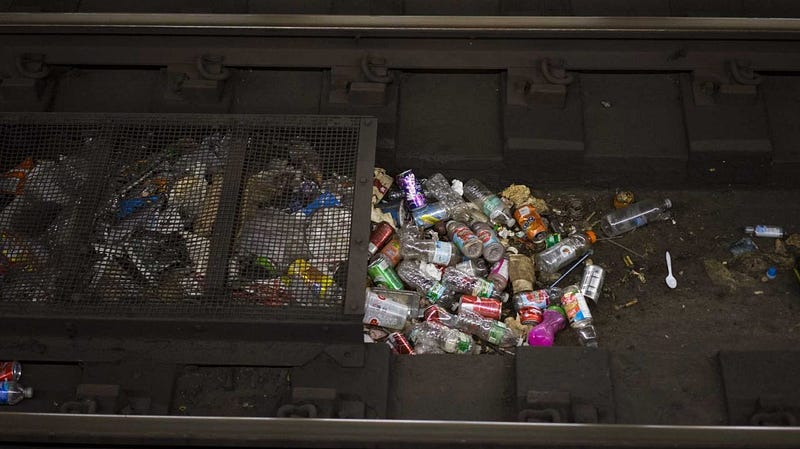
Unclogging costs millions of dollars in cities taken from your tax dollars — an avoidable cost, incurred every year. In fact, NY reported to spend about $10million a year to just transport single-use bags (paper and plastic) to out of state landfills in 2016. Nevermind the cost of unclogging sewer systems and expensive recycling equipment. Much of these problems could be prevented by just saying no to single use plastics as our grand-parents and parents once did. No need to wait for government to agree on it first. They should, for sure, but if they don’t there’s no reason for you to drink the kool-aid.
It’s also worthwhile to mention the impact on recycling equipment. Plastic bags can be recycled through some grocery stores — however, when these bags get caught up in recycling equipment that handle other types of plastics — they get clogged and need to get expensive repairs. Sometimes even halting the recycling for hours if not days at a time.
Drinking Water Quality
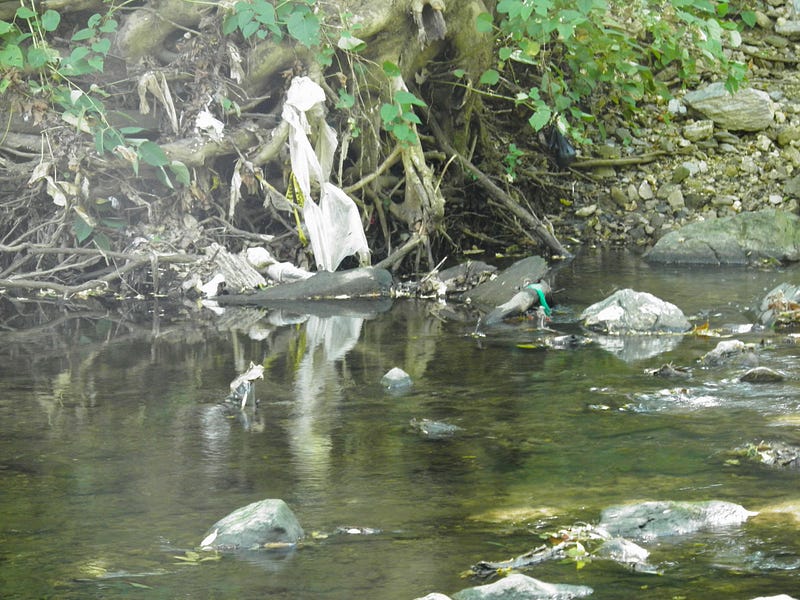
Related to the other items on this list — plastic is toxic. It might not break down to disappear but the chemical disposition starts dissolving in the water. Poisoning water systems and landfills. On landfills or anywhere it ends up buried in the land it starts dissolving into the soil, washing down to wells below. There is no water purification system that will remove plastic toxins from our drinking water. We end up drinking it. Who knows what the effects are from drinking those chemicals in the long-term? Even most naysayers point out that we don’t have any data about the biological impact on the human body to be conclusive. Though two facts we do have is that plastics are not natural to the human body and they are made of highly toxic petrochemicals.
BPA isn’t the only “bad boy” in plastics we need to worry about, it’s just pinned as the King of the culprits, but there is still an entire army of chemical substances that come out when plastic interacts with various elements — water, sun, salt, soil, heat — and gets rained on to trickle down to freshwater sources.
Beach Pollution
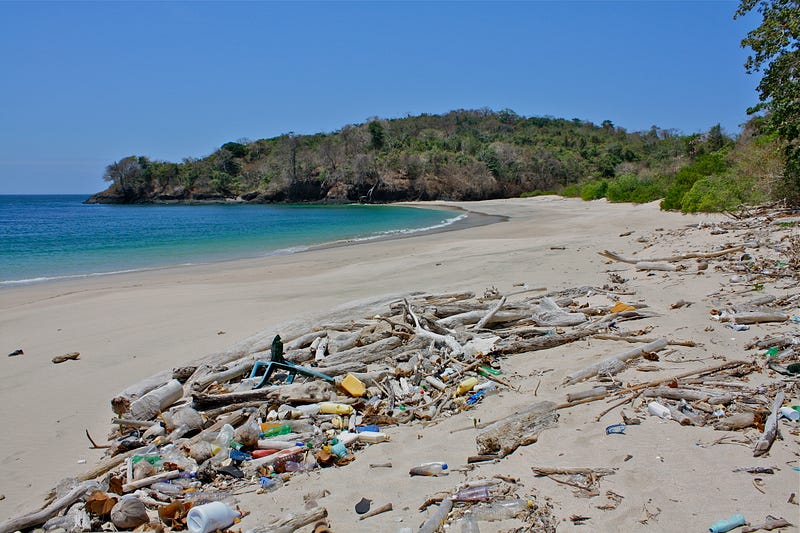
This one is getting more and more noticed lately, (un)fortunately. We are seeing more because there is so much trash in the oceans the vastness can no longer absorb them. Practically every wave brings a few pieces onto the beach. The oceans are begging us to literally take it out, by throwing-it up! There is no room left in the oceans. It’s all coming back to us now. When we travel to beach destinations it is now common sight to see washed up plastic cup lids, bottles, straws and bags. Most people just simply walk over them leaving there to be washed back into the ocean or taken by a bird.
Aside from being unsightly when we are trying to relax on the beach, they also threaten populations of seabirds, turtles and other wildlife — nevermind how they attract mosquitoes and other unwelcome bacteria spreading flies.
What are some other impacts of the growing plastic pollution problem for those of us who live in cities and don’t see the oceans and beaches directly on a daily basis?
If you have others add to the comments below or let me know directly and I’ll add it here.
Next in this series -
Ways to have an impact to reduce plastic pollution in your city life…
Did you like this article? If so, please share. If you have any comments please comment below. I appreciate your time and feedback! Thank you for reading.


