5 Unbelievable Things We Didn’t Know About Antarctica
From blood red water to time zones, there exist incredible mysteries.
Antarctica is the world’s southernmost continent, it doesn’t end there, and this white continent is also the highest, windiest, the coldest, and iciest. It tops the list of the most extreme places on planet Earth.
However, with all this extreme comes the lighter side of Antarctica. This white continent is a place known for its astounding glacial landscape and untouched magnificence. This white continent is undoubtedly one of its kind.
Below let’s dig a bit more about this icy continent and look at some facts that are not commonly known by the majority.
1. Blood Red Water Flowing From The Glacier
Antarctica is a place that never stops to amaze us, and in the early 1900s, a bizarre phenomenon was observed on a remote glacier in the Eastern part of Antarctica.
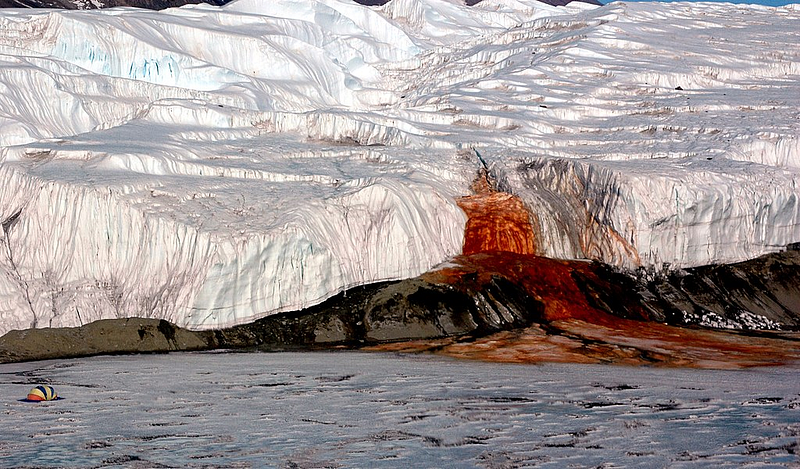
The pure white ice of Taylor Glacier was bad blood Red by the water flowing from deep within the glacier.
The source of the red-colored water remained a mystery for many years until the scientists made a breakthrough in 2017, finally announcing the answer to what was causing the color change.
The flowing water from the inside of the glacier was from a subglacial lake that has high levels of oxidized iron and salt. When this water contacts with oxygen, it rusts the iron present within it, giving it a distinctive red shade — thus its name, the Blood Fall.
2. Antarctica Was Warm Once
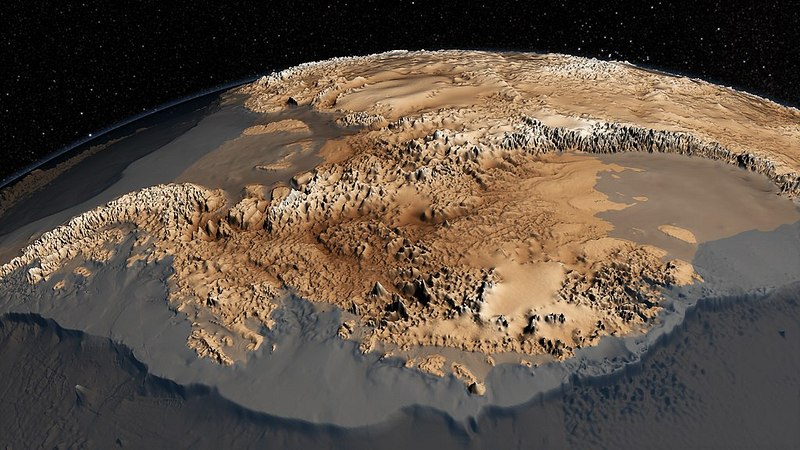
It wasn’t this cold always, even when the most unconscious ever temperature was recorded at this place which was -89°c. Isn’t it hard to imagine that this place was once a warm and gentle paradise?
Scientists believe that temperatures in Antarctica reached up to 17°C about 40 to 50 million years ago; if you compare it to today’s world, it means Antarctica was as warm as Melbourne.
Researchers have also found some fossils that show that Antarctica was once covered in lush green forests and was home to many dinosaurs to prove this theory. It is quite a change for a place surrounded and locked in a colossal ice sheet grip.
3. Antarctica Is Home To Numerous Volcanoes
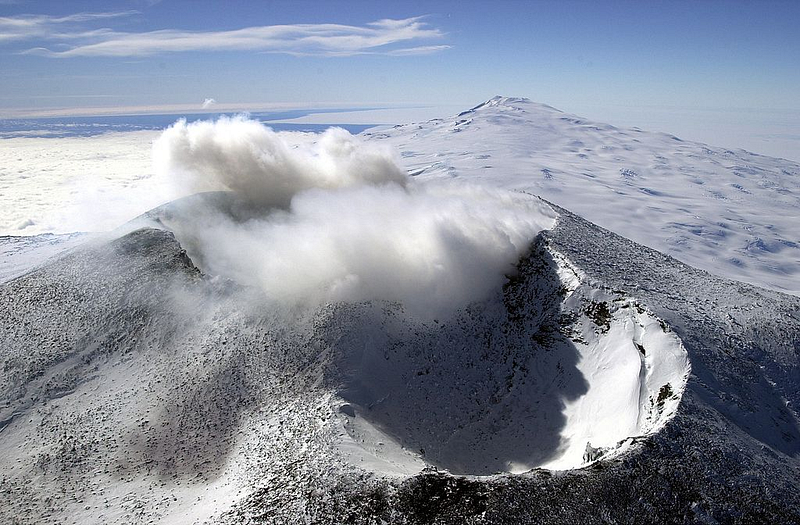
Antarctica has many volcanoes, and a couple of them are active — Mount Erebus is one of them.
Located on Ross Island, Mount Erebus is the second-highest volcano in Antarctica and most active one.
This frosted volcano has distinctive features like icy fumaroles and distorted ice statues formed around the seeping of gasses from the vents around the volcanic creator.
The first conquest of Mount Erebus was made in 1908 by Australian researchers. It took the team 5 days to reach the steaming crater.
Antarctica’s second active volcano is situated on Deception Island. This volcanic crater on the South Shetland Islands was once home to a successful whaling station and a scientific research station.
Still, it was meant to be abandoned sooner or later, and after the most recent eruption of 1969, the station was jilted.
As of now, it tops the chart of being one of the most captivating places for those on the Antarctic Peninsula voyage.
4. Diamond Dust Air
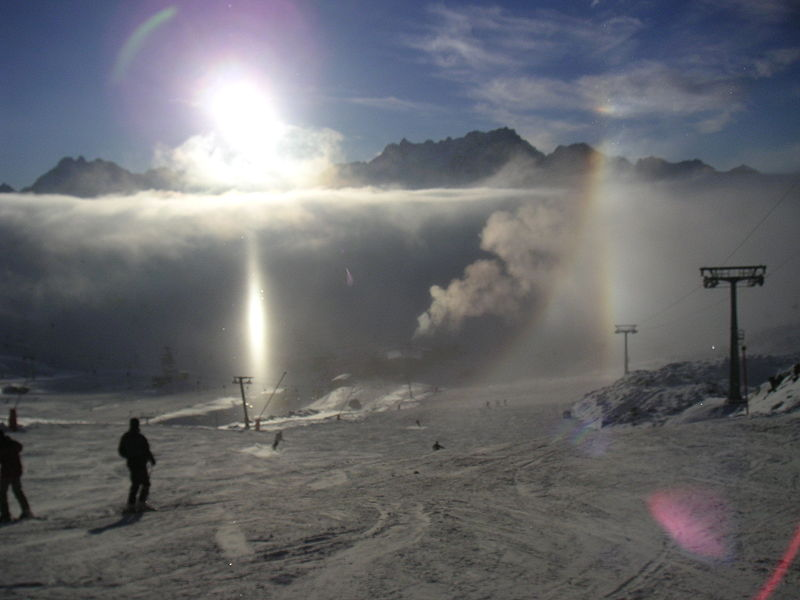
Being the driest place on the Earth, Antarctica displays a magnificent show of diamond glittering in the air. The precipitation levels on this white continent are very low.
The diamond dust comprises tiny ice particles precipitated out of humidity in the air near the Earth’s surface.
This diamond dust is somewhat like icy fog. As the ice crystals hang dangling in the air, sunlight causes them to sparkle, creating a shimmering effect that looks like billions of tiny suspended diamonds.
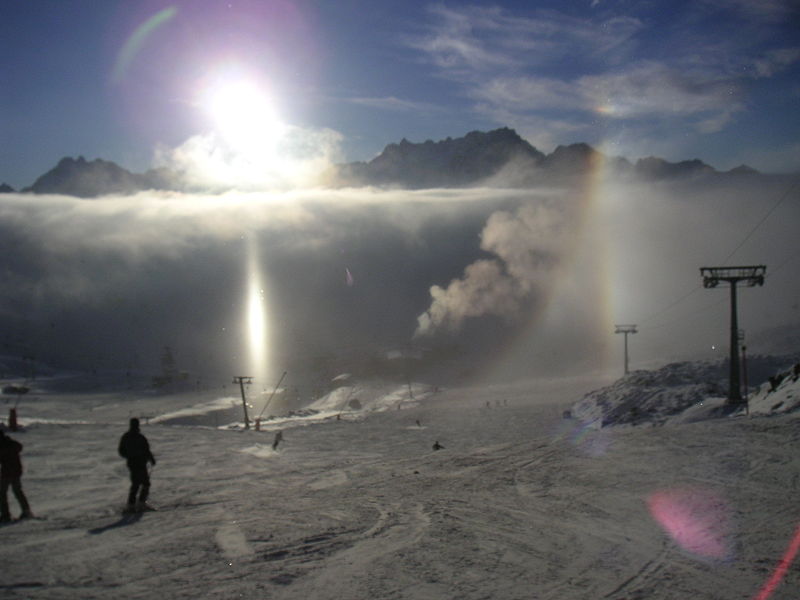
It doesn’t end here. This diamond-like fog is also responsible for stunning optical phenomena like light pillars, halos, and sun dogs.
5. Antarctica, A Place With No Time Zone
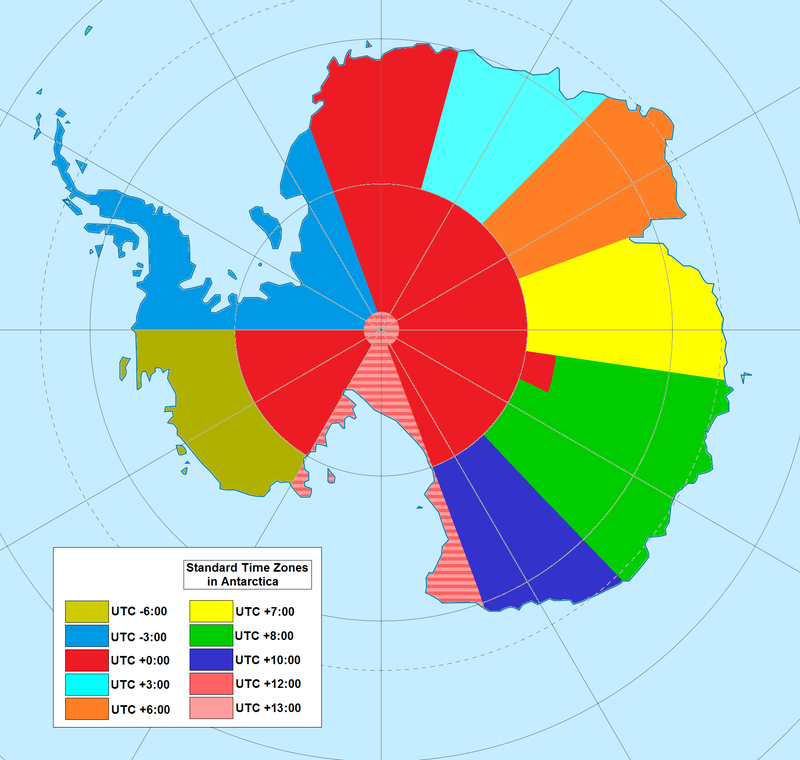
What time is it in Antarctica? It is a tricky question for anyone because on the South Pole, all the lines of longitude, which differentiate time zones around the world, meet at one point.
Furthermore, because most of the white continent experiences six months of continuous daylight in the summer season and six months of nights in the winters, the time feels slightly different from the typical day and night indicator.
As far as researchers working in Antarctica are concerned, they generally stay in the time zone of the country they came from, but this sometimes causes problems for scientists from other countries who are stationed and working there.
For example, in Antarctica, you find stations from China, the United Kingdom, Russia, Australia, and numerous other countries.
Now imagine all these time zones in one place, and if all these neighboring stations stay in their time zones, things will get confusing when trying to share data or resources. After all, nobody wants to wake their neighbors in the middle of the night.
Furthermore, the travelers on their Aurora expeditions usually stay in Ushuaia Time Zone but not if they are traveling further to South Georgia or the Falkland Islands. The time is adjusted to their local time as they travel.
Final Words
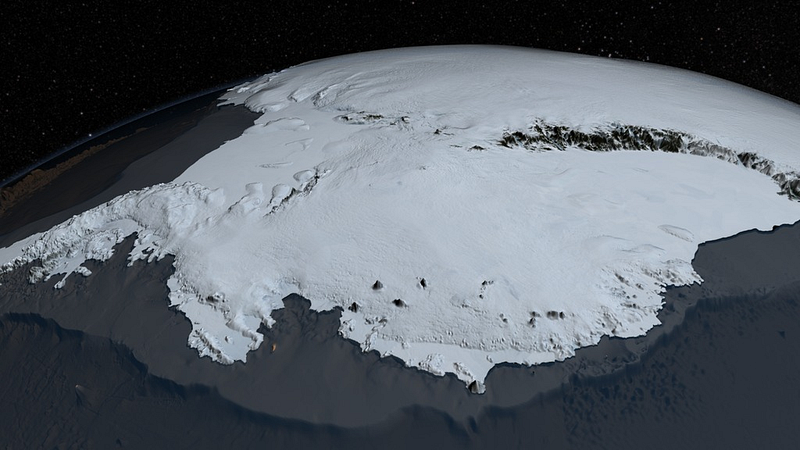
Antarctica is a land full of mysteries, where there is still so much to be discovered.
This untapped wilderness will always have something for our spirit of inquiry.
More from the author: