
5 Things You Should Do Before Planting Cool-Season Crops
And 1 Thing Never to Do
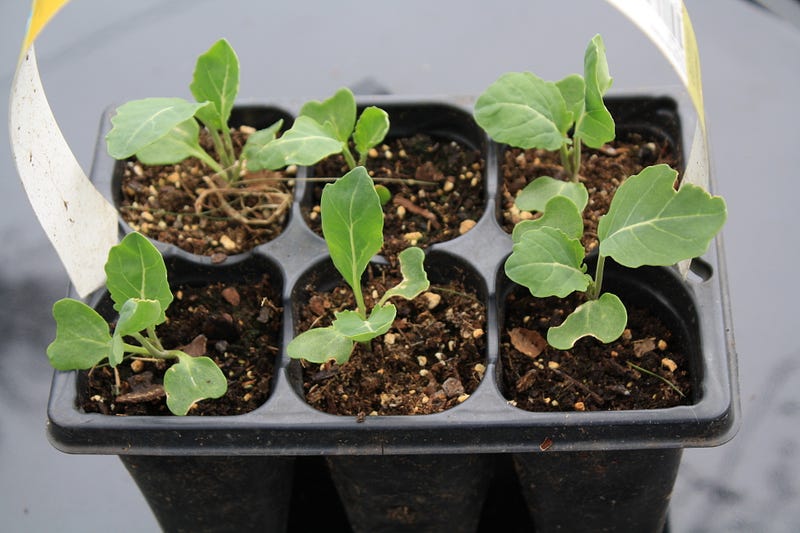
Whether you’ve had a summer of bumper crops or less than stellar results, it’s time to switch gears and shift from a warm-season edible garden to cool-season growing.
In some ways, cool-season crops are easier to manage. For one thing, you are likely to have less trouble with insect pests and diseases than you did with summer crops. The major challenge is the weather, but if you plan appropriately for your climate, your cool-season garden can be just as productive as your warm-season garden.
Remove dead and dying plants
To start, remove all the dead and dying plants from the area where you’ll be growing edibles. That includes raking up fallen leaves and flowers. While there are benefits to leaving fallen leaves on the ground around your ornamental plants, sanitation in the edible garden is especially important. Plant debris left on the ground can provide cover for insect pests to over-winter and disease pathogens to infect the soil. So clear everything from the planting area and be sure to toss any diseased plant material in the trash, not the compost.
Spread compost
Your soil has been working hard all summer it is very likely somewhat depleted of nutrients. This can be a good time to do a soil test to see exactly what your soil needs, but even without the test, your soil will benefit from spreading a three- to four-inch-thick layer of compost around and letting it sit for a few weeks before planting the next crops. You don’t need to dig it in; earthworms and insects will do their thing and incorporate the compost into the soil.
Clean pots and plant supports
To keep pests and diseases from persisting from one season to the next, be sure to wash out any containers you planted in, as well as plant supports (trellises, tomato cages, and stakes). A dilute bleach solution (one part bleach to nine parts water) will kill most pathogens.
Prepare for your winter climate
If you live in an area with substantial periods of frost or snow, be sure you’re ready to protect your crops. You can build simple cold frames or tunnels with PVC hoops and lightweight fabric to give them cover.
Rotate crops
Crop rotation isn’t just for farmers. While your garden was pumping out vegetables all summer it may have attracted particular insect pests or perhaps become a vector for plant-specific diseases. A crop rotation plan will help you break break pest and disease cycles, but to do that you need to consider not just individual plants but plant families.
By siting plants so that they don’t grow in the same spot where another member of the same plant family grew the previous season, pests and diseases that attack a particular plant family are less likely to lurk in the soil from one season to the next.
Refer to this list of plant families when mapping out your rotation plan:
• Amaranth family (Amaranthaceae): Beet, spinach, Swiss chard
• Onion family (Amaryllidaceae): Garlic, leek, onion, shallot
• Carrot family (Apiaceae): Carrot, celery, cilantro, dill, parsley, parsnip
• Cole family (Brassicaceae): Broccoli, cabbage, cauliflower, collard, kale, mustard, radish, turnip
• Sunflower family (Compositae): Artichoke, chickory, endive, lettuce
• Gourd family (Cucurbitaceae): Cucumber, melon, pumpkin, squash
• Legume family (Leguminosae): Bean, pea, soybean (edamame)
• Grass family (Poaceae): Corn, popcorn
• Nightshade family (Solanaceae): Eggplant, pepper, potato, tomatillo, tomato
So, for example, instead of planting broccoli in the same soil where you grew cauliflower, move it to where you grew beets; plant garlic where you grew cucumbers, not where you grew leeks; and so on.
Rotating crops means you’ll be less likely to have to battle with cabbage beetles, onion flies, and other pests that plague entire plant families.
And the one thing not to do: tilling
The good news is that I’m about to save you some back-breaking labor with these four words: Don’t till the soil.
People think they need to dig in and turn over the soil in order to refresh it and smother weeds. Nope. Tilling actually breaks down the structure of the soil and is more likely to spread weed seeds than smother weeds. So by skipping the tilling and just spreading compost (as mentioned above), you’re saving time and energy now and later on.
Follow these steps and your chances at a productive cool-season garden will increase considerably.
If you liked this article, check out these:
Become a member of Medium.com and you’ll get full access to every story on Medium while your membership fee directly supports Claire Splan and thousands of other writers creating fresh stories you’ll want to read.


