
5 Things I Wish I Knew Before Investing in my 20s… 📈
My amateur entry into investing in the stock market, and the 5 key lessons I learned so you don’t make the same mistakes.

Getting to know and understand the world of stock market investing can be daunting sometimes especially when it is your own hard earned money that is at stake. I am not a career investor by any means nor did I go to school for anything that resembles investing.
My key purpose of writing this is to give the average new investor some pointers and also help you learn from my mistakes…
1. Ensure all your Credit Card debts and bills are paid off & look for better banks. 🏦
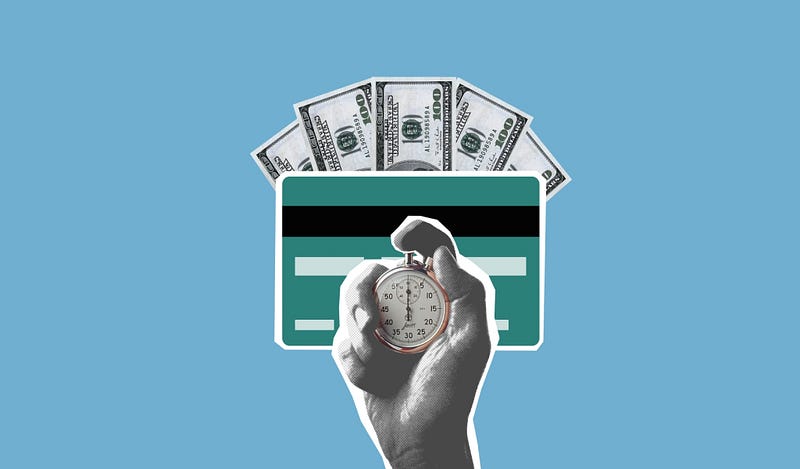
This might seem like a no-brainer, but credit card interest charges especially when it’s a big amount really hurts and can affect your investing goals. 💳
Interest charges on your credit card may initially seem like a small ding off your pocket at the time but over the span of 3 to 5 years it can add up to a significantly large amount which; of course, you could have saved and invested.
Research conducted by Joe Resendiz at ‘The Lending Tree’ highlights the median debt per American family to be $2,700, while the average debt stands at $6,270. The average balance for consumers is $5,315, although some of that debt may be held on joint cards and thus double-counted. Overall, Americans owe $807 billion across almost 506 million card accounts. 🔻
2. Do not buy into the hype/meme stocks! ❗️

Another no brainer but I hope this goes without saying- ‘do not look for stock recommendations on YouTube’. Do not look up videos on best stocks to buy and buy them because you will regret it down the road.
Remember what Andy Warhol said:
“In the future, everyone will be famous…for fifteen minutes.”
Of course, you should look at current market conditions and there is no harm in buying stocks that are cheap at a given point in time. Look up DIY’s instead. It’s best to learn from YouTube on HOW to invest rather than WHAT to invest in. My point is that internet trends don’t last and be wary about becoming overtly invested in stocks that won’t stand the test of time.
3. Go for mainstream ETFs like the DOW Jones, Russell 2000 and the S&P 500 instead of individual stocks

This might be a hard pill to swallow for investors who tend to take on a higher degree of risk for higher gains.
Unless you are a professional investor who does day-trading for a living or has financial certifications and years of experience; you will most likely lose money picking individual stocks. As an ordinary retail investor you are much better off buying ETFs (Exchange Traded Funds) of various categories for your portfolio. With ETFs and similar Index Funds you can get as creative as you like and there are ETFs for pretty much every category these days and don’t forget to diversify.
Warren Buffet once said: “If you can’t hold a stock for 10 years you shouldn’t be holding it for 10 minutes”
That’s the level of conviction you should have if you are going to invest in individual company stocks. 🏬
Pro Tip: TIME IN the market beats TIMING the market, AND dollar-cost-averaging into the market on a regular basis always beats buying in abruptly at opportunistic moments. The latter will cost you your sanity.
4. Pay attention to M.E.Rs (Management Expense Ratios)

MERs stand for Management Expense Ratio or shortly put the fees associated with “managing” your stock portfolio, MERs can widely wary for different platforms and the difference is even bigger if you go with a traditional bank versus an online brokerage. ETFs that are actively managed tend to have a slightly higher MER than ETFs that are passively managed. In the long run this adds up just like I mentioned with credit card interests. Although MERs are minuscule compared to the credit card interest rates.
Pro tip: Shop around for your local brokerage that offers competitive MERs and overall low management fees that fits your portfolio.
5. Finally, Tread very carefully with Cryptocurrencies
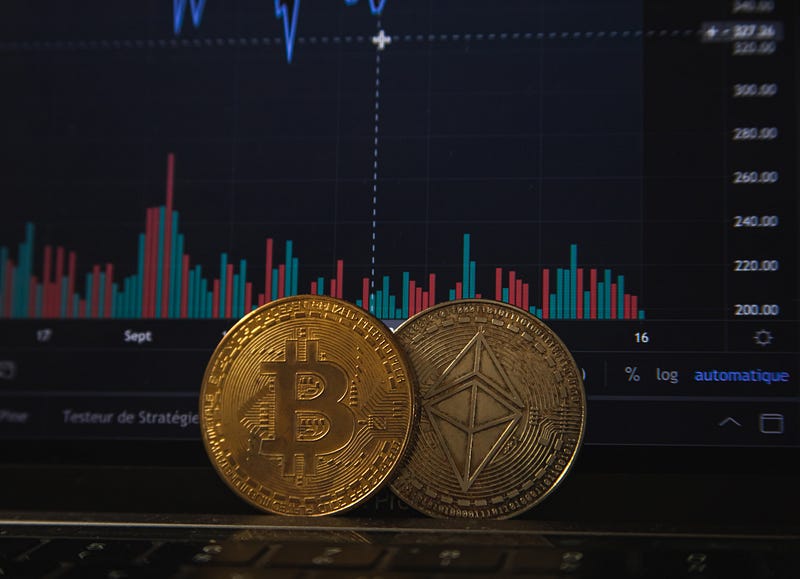
Cryptocurrencies would be the very last thing I would invest in but I still want to emphasize that it is still part of this list and very much a part of my own portfolio. 📃
Tread into the crypto world only if you still have some money left over and are willing to take a gamble with it. When it comes to crypto you can lose it all with no recourse. The blockchain industry is very much in its infancy; countries like the US and Canada are only starting to get around making legislations around digital assets.
Again, diversification is key which means going beyond Bitcoin and Ethereum. Do not hedge all your bets on one hyper-specific meme coin that you read about on the internet. Even if that coin does sky-rocket by the time YOU get around to finding out and selling it, it will already be too late and the coin would have come back down to its original value. 🔺That’s how volatile the cryptocurrency market is.
Pro Tip: Buy a little bit of all the top 5 to 10 mainstream cryptocurrencies, do your own research on real world usefulness and token utility and invest accordingly.
Thank You for Reading! 🌟
Read more stories like this by subscribing to The Side Hustle Club’s newsletter.