5 Stunning Holy Places From Around The World You Actually Missed
Jaw-dropping holy places that will leave you in awe.
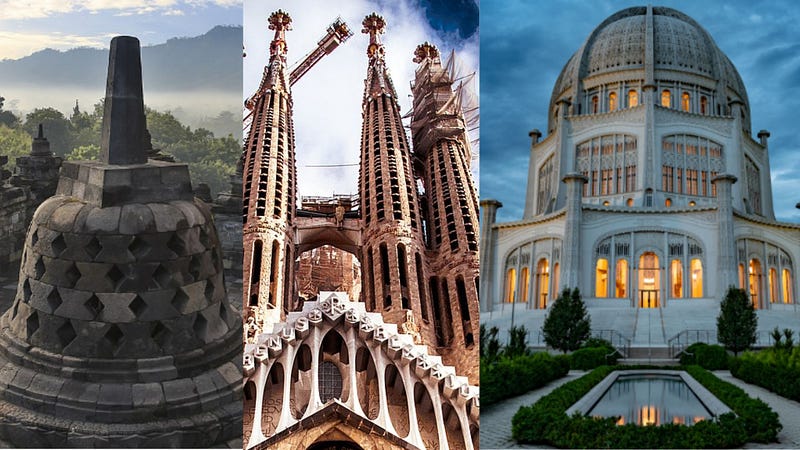
Religious places are often among the most breathtakingly beautiful places on Earth.
These sacred places, which vary from majestic cathedrals and synagogues to age-old temples and mosques, have a profound effect on people who visit them.
The majesty and magnificence of the architecture, the intricate details of the artworks and sculptures, and the spiritual significance of the location are all captured in photographs of these sacred sites.
With the ability to transport viewers to various time periods and places, these images offer a window into the rich cultural and religious heritage of different regions of the world.
They may also evoke awe and wonder in viewers, encouraging them to reach out to a higher power or pursue their own spirituality.
So whether it be a towering Buddhist temple in Thailand or a stunning mosque in Iran — photos of religious places provide a window into the rich and beautiful tapestry of human faith and belief.
1. The Adam’s Peak — Sri Lanka
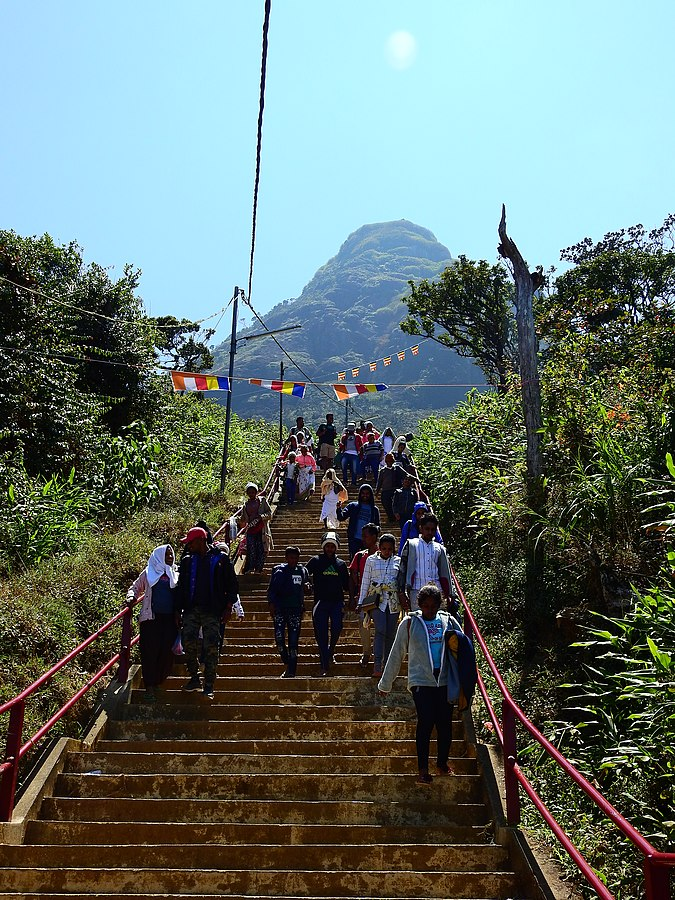
Adam’s Peak, also known as Sri Pada, is a prominent mountain peak in central Sri Lanka. It is religiously significant to Buddhists, Hindus, Christians, and Muslims, among others.
The Peak stands at an elevation of 7,359 feet or 2,243 meters and is famous for the “Sri Pada,” a footprint-shaped indentation on the summit.
The Buddhists believe that the footprint belongs to Buddha, while other religions attribute it to Adam, Shiva, or St. Thomas.
The trek to the summit is a popular pilgrimage site that typically begins in the early morning hours in order to reach the summit by sunrise.
The hike lasts about 4–5 hours and has over 5,000 steps. Pilgrims can visit several temples and shrines along the way and enjoy breathtaking views of the surrounding countryside.
Adam’s Peak is an important cultural and natural landmark in Sri Lanka, drawing visitors from all over the world to experience its unique blend of religious and natural beauty.
2. The Borobudur Temple — Indonesia
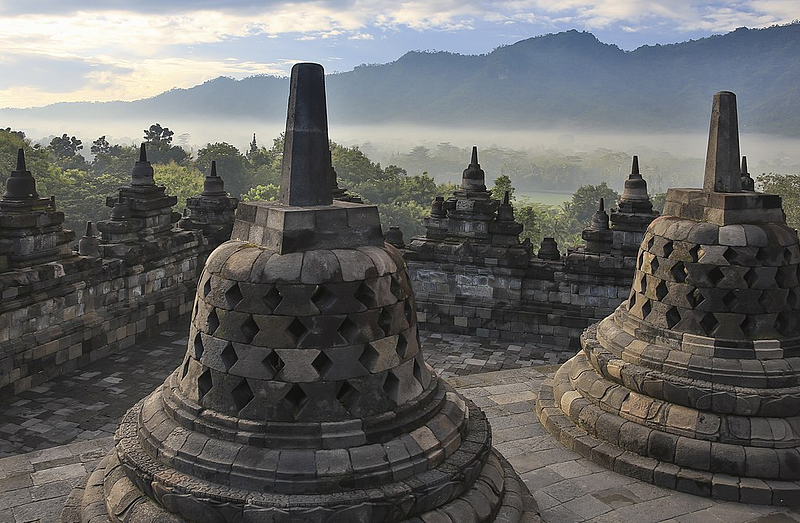
The Borobudur Temple is a famous ancient Buddhist temple located in Central Java, Indonesia.
The Holy Temple was built in the 9th century during the time of the Sailendra Dynasty, and it is regarded as one of the world’s greatest Buddhist monuments.
The temple is constructed in the shape of a massive mandala, with three tiers representing the realms of desire, form, and formlessness.
The structure features over 2,500 relief panels and 504 Buddha statues, with the largest central stupa — a mound-like or hemispherical structure containing relics, standing over 100 feet tall.
The temple was abandoned and forgotten for centuries until it was rediscovered by Sir Thomas Stamford Raffles, the British ruler of Java, in the early 19th century.
Today, the Borobudur Temple is a UNESCO World Heritage Site and a popular tourist destination in Indonesia, drawing visitors from around the world to admire its magnificent architecture and rich cultural history.
3. The Baha’i House Of Worship — The United States Of America
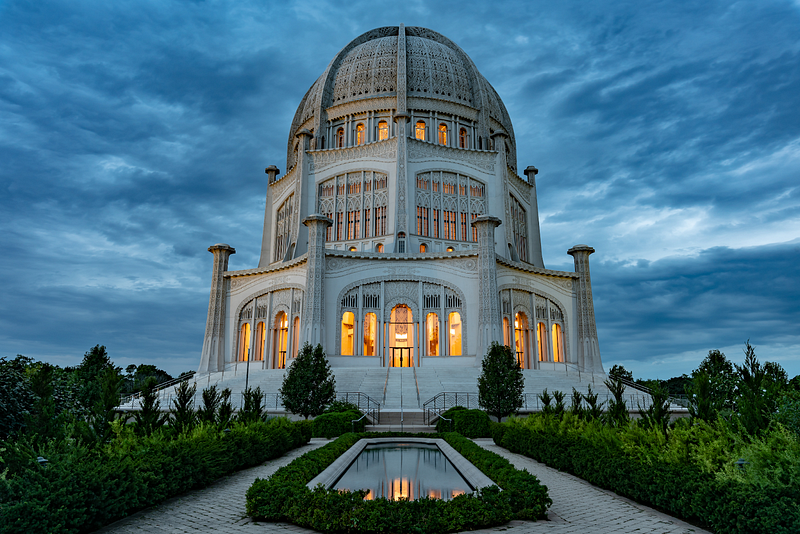
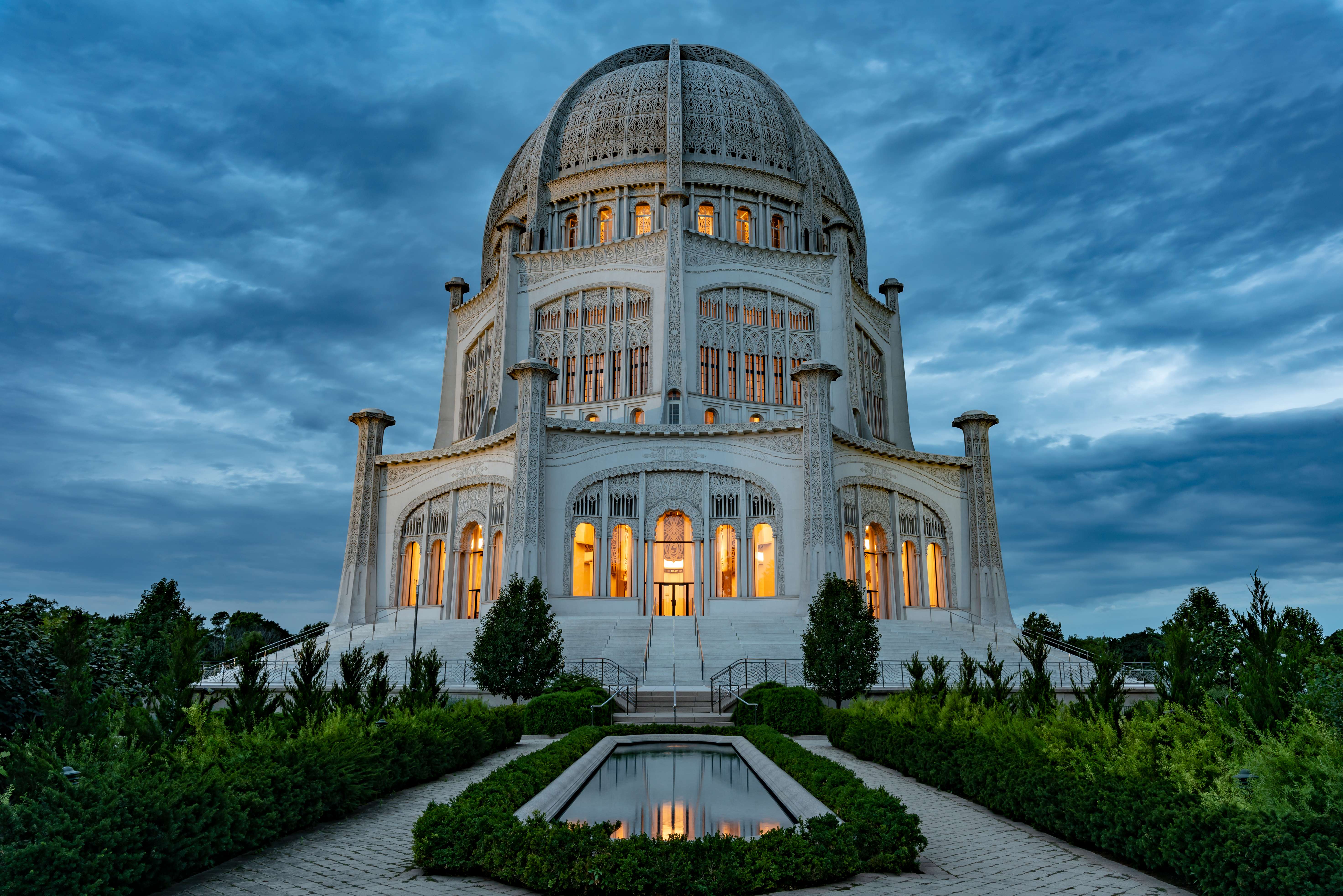
The Baha’i House of Worship in the United States is located in Wilmette, Illinois, just north of Chicago.
It is one of seven Baha’i temples in the world and serves as a spiritual center for Baha’is and a place of prayer and meditation for people of all religions.
The temple’s construction began in 1912 and took 40 years to complete. Its unique design features a dome and nine sides, with gardens and fountains surrounding the building.
The temple’s interior is open and airy, with a central space for prayer and reflecting upon oneself and several smaller rooms for private meditation and contemplation.
Like all Baha’i temples, the Baha’i House of Worship in the United States is open to people of all religions and has no religious prejudice or rituals.
Visitors are invited to participate in devotional gatherings, musical performances, and other events or simply to enjoy the tranquil and beautiful surroundings.
The temple is a popular destination for tourists and for locals similarly. The Baha’i House of Worship is considered a significant architectural and cultural landmark in the Chicago area.
4. Monasteries Of Meteora — Greece
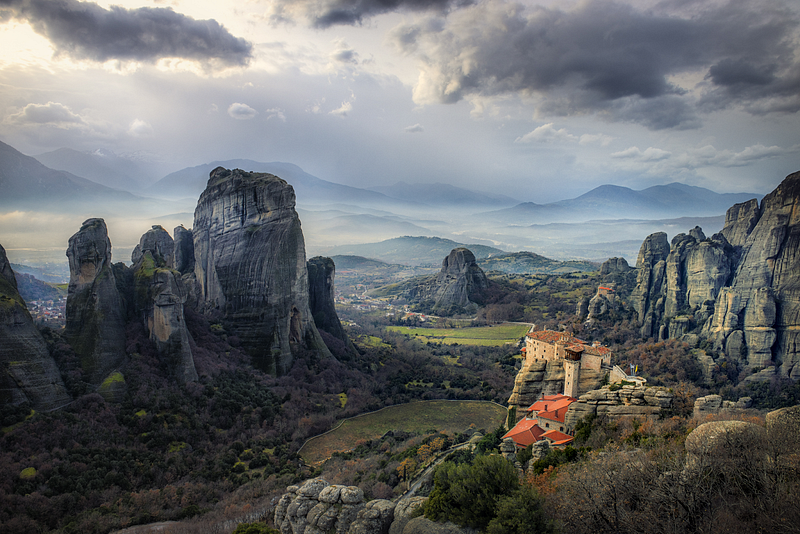
Meteora is a region in central Greece that is famous for its stunning monasteries perched on top of towering cliffs.
The name “Meteora” means “suspended in the air,” and it’s an apt description of the monasteries that seem to defy gravity.
The monasteries were built starting in the 14th century by monks seeking a place of refuge and isolation from the outside world.
The rugged terrain of the region made it an ideal location for the monasteries, which were built high up on the cliffs to deter invaders.
Originally, there were 24 monasteries in the area, but today only six remain, all of which are open to the public.
Each monastery is unique in its architecture and history, and visitors can explore the courtyards, chapels, and living quarters of the monks.
Visiting Meteora is a truly awe-inspiring experience, as the monasteries seem to merge with the rocky landscape, creating a sense of harmony and serenity.
It’s no wonder that this site has been designated a UNESCO World Heritage site and is a popular destination for travelers from around the world.
5. Sagrada Familia Cathedral — Spain
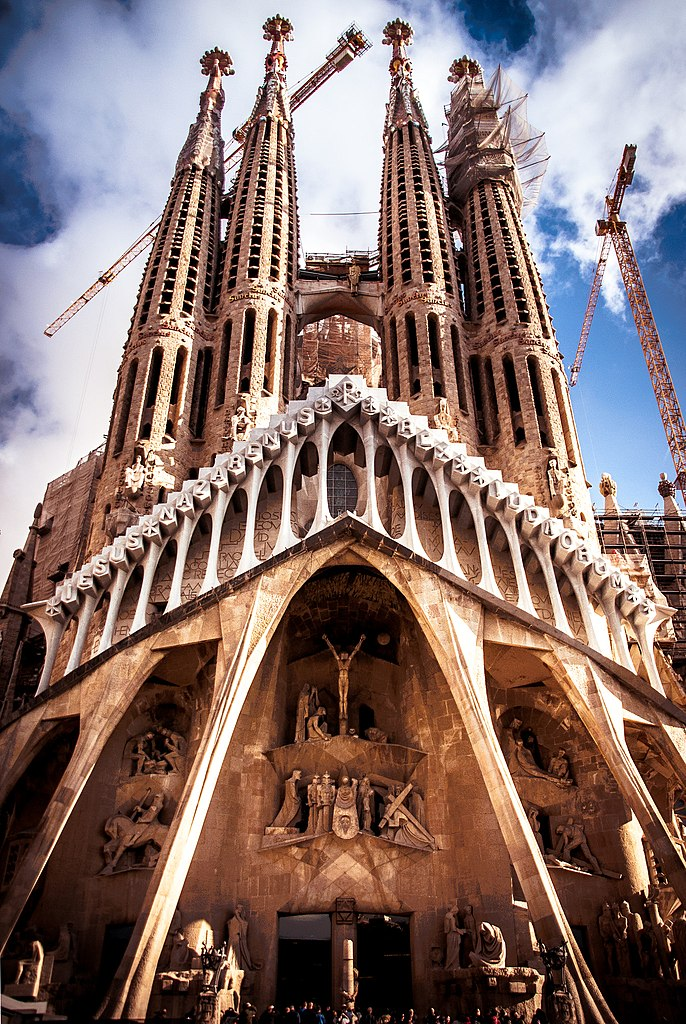
Sagrada Familia is a world-famous cathedral located in Barcelona, Spain. Designed by renowned architect Antoni Gaudi, the construction of the church began in 1882 and is still ongoing today.
Gaudi dedicated the last years of his life to the project, and his unique style is evident in the building’s elaborate design.
Sagrada Familia is known for its stunning facades, which feature intricate carvings and sculptures depicting scenes from the Bible.
The interior of the church is equally impressive, with colorful stained glass windows and soaring columns that seem to reach for the sky.
Visitors can explore the cathedral’s many chapels, climb to the top of its towers for stunning views of Barcelona, and learn more about its fascinating history and ongoing construction through exhibits and audio tours.
Despite its long construction history, Sagrada Familia remains one of Barcelona’s most popular tourist attractions and a must-see destination for anyone visiting the city.
Final Words
There are numerous religions around the globe, some of which are still practiced, while others have long disappeared.
Yet, one thing that we as people should do is respect all religions, whether they are ancient or modern because a world that is intolerable won’t bring about any good.
More from the author