
5 Scariest Days In The History Of America
You surely didn’t witness most of America’s worst moments.
The United States of America has a long history full of good and bad days. However, there were those days when the whole nation was worried and feared about their own future.
With what it has done for the world, The United States of America has often been a victim itself. Whether it be a war or a terrorist attack, the nation has been through a lot.
We have gathered some of these darkest days where every American citizen was worried about their well-being and safety.
1. Terrorist Attack On The World Trade Center, 11th September 2001
Before the incident of 9/11, most Americans believed terrorism was a problem which only existed in the Middle-East.
In some of its neighbouring countries, and never in a million years could they have thought that one day it would come to their shores.
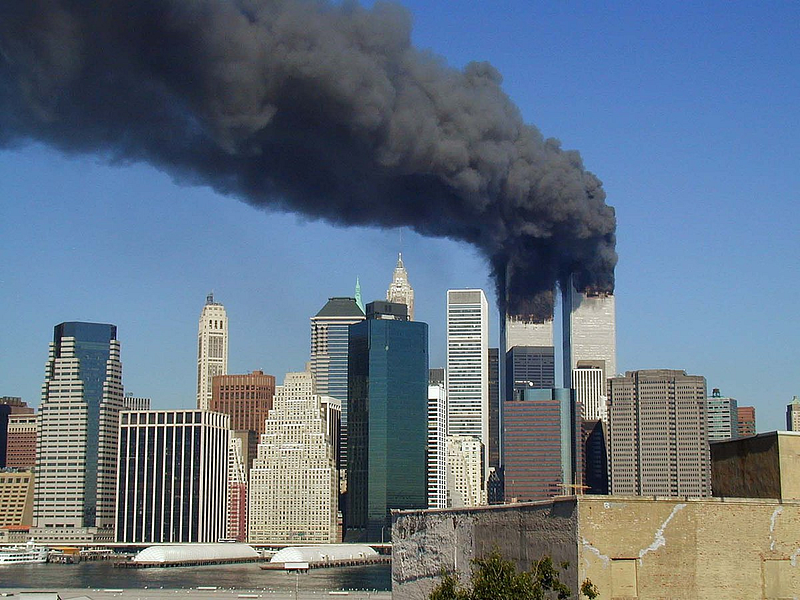
On the morning of 11th September 2001, the unthinkable happened when a terrorist group hijacked four commercial airliners and wreaked havoc on U.S. lands.
The first target that got hit was the tower of the World Trade Center — two planes flew into the twin towers, destroying them completely.
The third plane smote into the building of the pentagon; the fourth crashed long before hitting its target. The target of the fourth plane was the white house.
When the dust settled on one of the darkest days in the history of the USA, around 3,000 were killed, and more than 6,000 were injured. The damage to the property was estimated at over 10 billion USD.
On that day, every airline coming to the U.S. were banned until every possible security measure was taken.
The event left Americans traumatized for weeks — while the airspace over North America remained closed for several days.
2. Assassination Of John F. Kennedy, 22nd November 1963
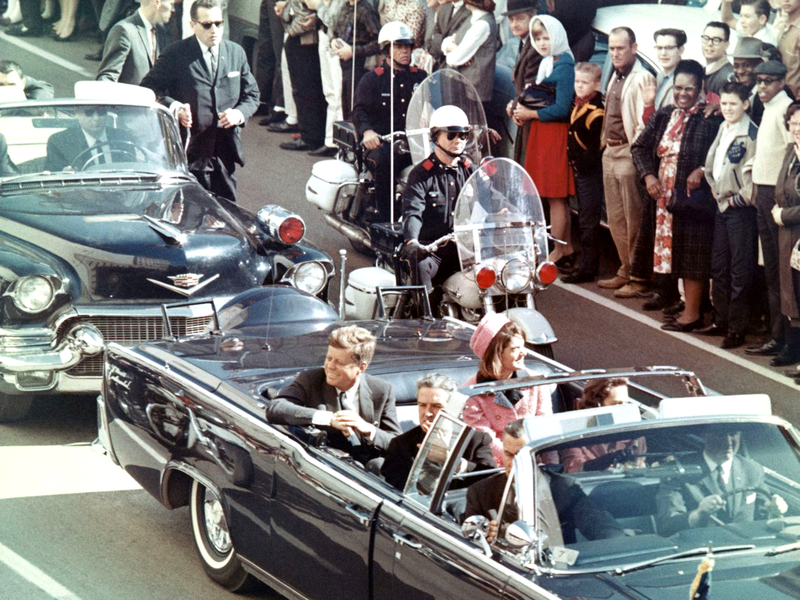
The 35th President of The United States of America was killed merely 13 months after resolving the Cuban Missile Crisis while he was riding through downtown Dallas, Texas, in his motorcade.
The death of the most popular president of the United States struck people with a huge shock — much happened because of the chaotic situation that developed just after.
Some fallacious that came soon after suggested that Vice-president Lyndon Johnson had also been shot — which only added to the fear and trauma the citizens were going through.
With Cold War tensions at their highest many thought Kennedy’s assassination was just a part of a full-on invasion that was to come.
The whole nation was gripped by fear until the assassin Lee Harvey Oswald was caught.
Lee was a former U.S Marine who renounced his citizenship in the U.S and tilted over the Soviet Union.
After all these years, Kennedy’s assassination still echoes today and people who lived those times still remember that day as one of the scariest and darkest of their lives.
3. Attack On Pearl Harbor, 7th December 1941
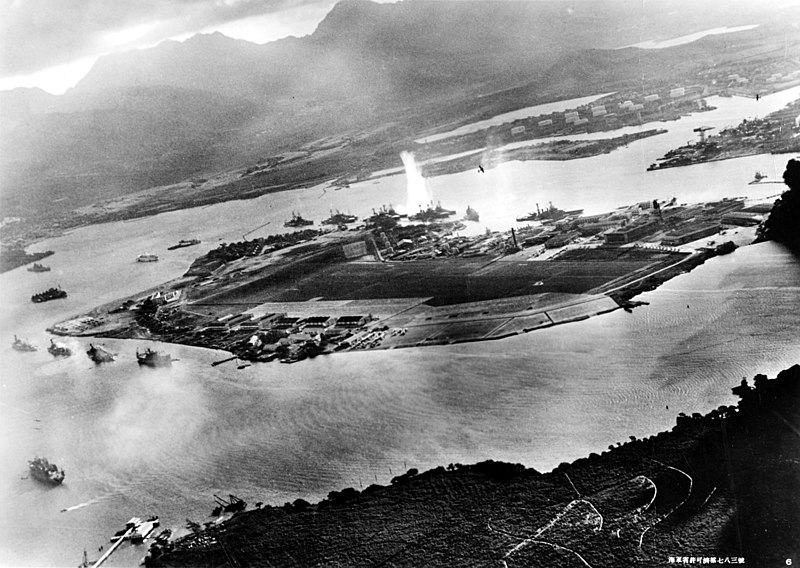
The attack on 7th December 1941 was a surprise attack by the Imperial Japanese Forces on Pearl Harbour.
American troops stationed at pearl harbour were looking forward to celebrating Christmas with their families, knowing their policies would not let them be forced into a war that was never theirs.
However, by the end of the 7th of December, they knew their belief was nothing but an illusion.
The bombing of the Pacific fleet began very early in the morning in a surprise attack by the Japanese Forces.
The attack was on a Navy fleet that was based at Pearl Harbour, Hawaii — by the time the long day came to its end, more than 2,345 U.S military personnel and 57 civilians were killed — while almost 1300 military and civilians were injured.
U.S Pacific fleet was decimated, with 20 of its ships and 180+ aircraft completely destroyed.
As the images reached the nation via newspapers, fear gripped everyone because Americans realized with the Pacific fleet gone, the Western border was open for a Japanese invasion.
The fear was such that President Roosevelt ordered the internment of the Japanese and all 117,000 of them — officially making the USA a part of World War II.
4. Black Tuesday The Beginning Of The Great Depression, 29th October 1929
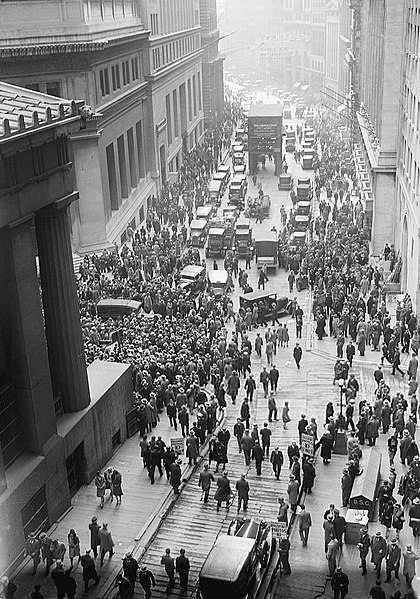
The 20th century brought challenge after challenge for humanity, and one of many challenges was The Great Depression.
World War I brought great economic prosperity for the U.S. and many other — times known as the roaring 20s.
While industrialization was brimming and American cities were growing at a rapid pace, the farmer, on the other hand, suffered because of the overproduction of crops.
Add in the unregulated stock market, and you have the recipe for one of the biggest financial disasters of all time.
On 29th October 1929, the good times for a booming economy halted — in fact, the economy went into an uncontrollable tailspin.
All the lies that were being fed to the investors came crashing down when the stock prices all over started to fall to an all-time lowest.
Because everything was based on false and inflated speculation, no one knew the real situation, and this led to everyone selling with no buyer; on the other hand, the stocks continued to free fall.
Banks closed across America, and people who considered themselves well off found themselves standing in bread lines. With no jobs whatsoever, more and more went into deep poverty.
Ultimately the crash of the stock market on Black Tuesday led to The Great Depression — a period of 12 years of extreme poverty and economic disaster.
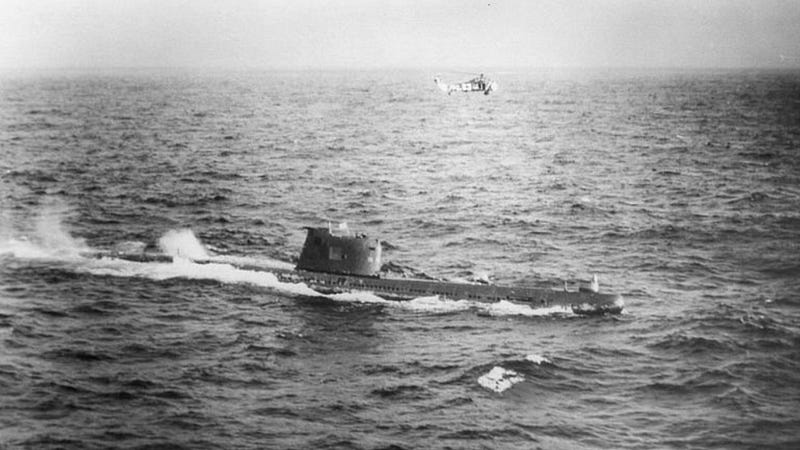
5. The Cuban Missile Crisis, 22nd October 1962
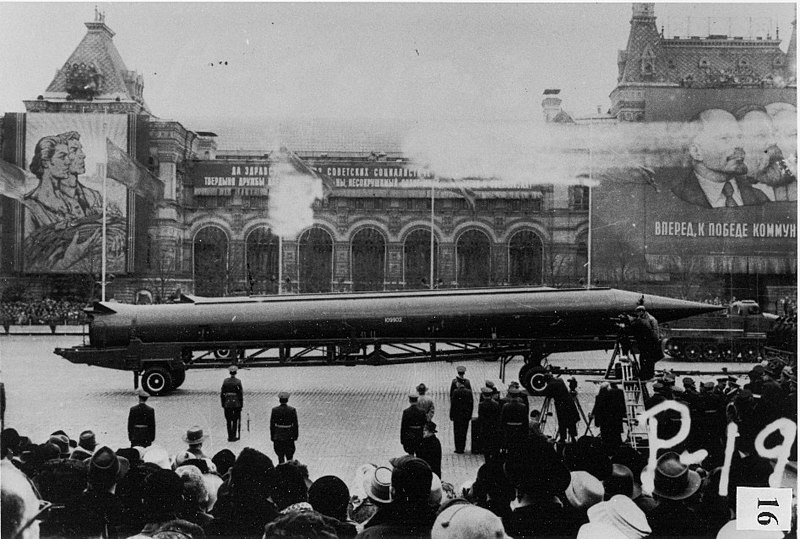
Things were already messed up for the world during the Cold War days; however, things got much worse when President John F. Kennedy came on T.V. and confirmed the suspicions of Russian Nuclear Ballistic Missiles in Cuba.
Soviet missiles were capable of hitting anywhere in the United States. Kennedy warned the Soviets about the consequences that would follow if any missile from Cuba was launched.
Things were worse than any war that ever took place because, this time, weapons of mass destruction were on both sides, and any amateur move would have cost the lives of billions.
Thankfully the atomic game ended with diplomacy, but still, the fear of a full-on nuclear war lingers deep down in every individual.
More from the author:


