5 Reasons Why You Should Ditch New Year’s Resolutions Now

Think back to the last time you set New Year’s resolutions. How long was it before they fell to the wayside? Did you know for most people, around 80%, it’s usually 17–22 days into the new year? Why? It’s not because of the novelty wearing off; it’s about discipline.
One in six people who stick to their resolutions lasts until mid-May. A further 9% last between six to nine months, whilst only 6% make it through the 12 months (Forbes Advisor).
Life Takes Place
For many settings, resolution usually happens when they’re off work for the festive season. However, you know as well as I do, that life returns to some normality after the festive break, the distractions set in, and all good intentions get waylaid. Days then turn into weeks, and weeks into months, and before you know it, six months have flown by.
I believe there are five reasons why you should ditch the resolutions:
- Resolutions Lack Sustainability Without Consistent Effort: Resolutions often start with a burst of enthusiasm but falter because they require ongoing dedication. It’s not just about making a promise at the start of the year; it’s about integrating it into your daily life. Consistency is key; without it, even the best resolutions become nothing more than wishful thinking.
- Pressure Leads to Faster Failure: People who feel compelled to set resolutions, perhaps due to societal expectations or peer pressure, are often the first to abandon them. Their resolutions are not rooted in personal conviction or a genuine desire to change. When motivation is external rather than internal, commitment tends to waver at the first sign of challenge.
- Unrealistic Goals Can Lead to Disappointment: Overambitious or vague resolutions can set you up for failure. When unrealistic goals become daunting and unattainable, leading to early discouragement. Setting achievable, specific targets that provide a clear path to success rather than lofty ideals that are out of reach is crucial.
- The Loneliness of Solo Resolutions: Pursuing resolutions can often be a solitary journey lacking communal support or encouragement. It’s easy to lose motivation without someone to share the struggles and successes. A support system, whether a friend, family member or an online community, can make a significant difference in maintaining commitment.
- Habit Change Requires Mindset Shift: Before successfully changing a habit, you need to change your mindset. This involves understanding and addressing the underlying reasons for your current habits. It’s about rewiring your thought patterns and attitudes towards your goals. Once your mindset aligns with your aspirations, changing habits becomes more manageable.
Goal Setting
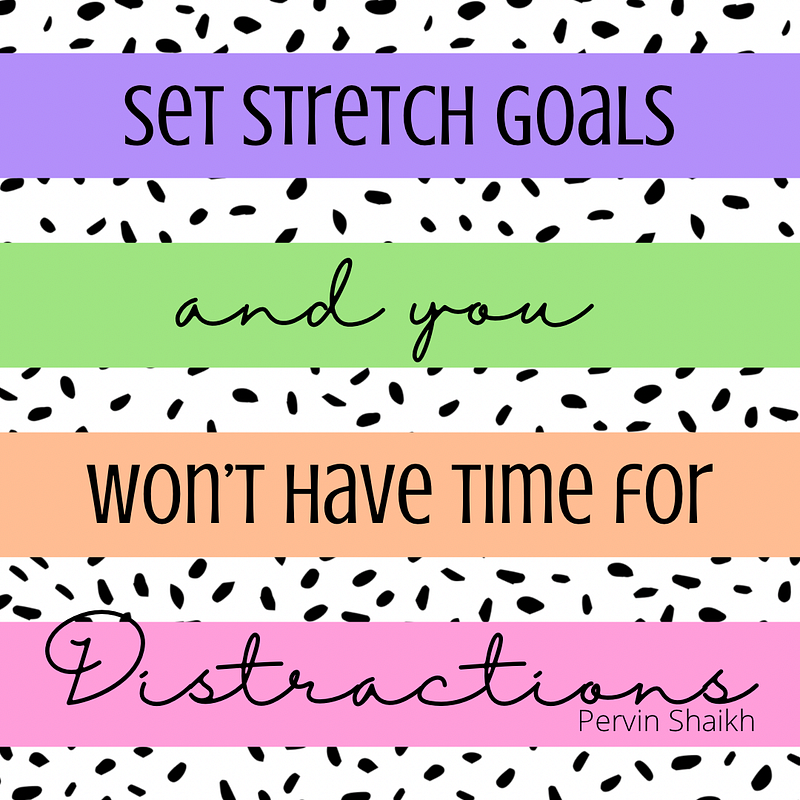
Instead, you could do yourself a huge favour and start thinking about your goals now. I’d invite you to create monthly/quarterly/annual goal setting. Once you’ve set your goals, get busy creating an action plan and turning those into a reality. Press Go Now. Don’t wait for the 1st of January to kickstart your dream goals. I believe there’s a better way to achieve your goals in 2024.
Remember, I mentioned why 80% of people who set resolutions give up within a month? It’s not because they don’t have the discipline to put the effort in, but because they’re uncomfortable with setbacks, failures or micro losses.
It’s Not All Plain Sailing
Getting caught up in pursuing success and victories is easy in our fast-paced world. We set our sights on big goals and eagerly await triumphant moments. However, focusing on just winning can sometimes close our eyes to the invaluable wisdom hidden within our losses, no matter how small they may seem.
Unlike their winning counterparts, micro losses are the minor, everyday disappointments we encounter — whether it’s a missed deadline, a rejection, a failed experiment, or even a minor disagreement. When viewed through the right lens, these seemingly insignificant events offer a treasure trove of learning opportunities.
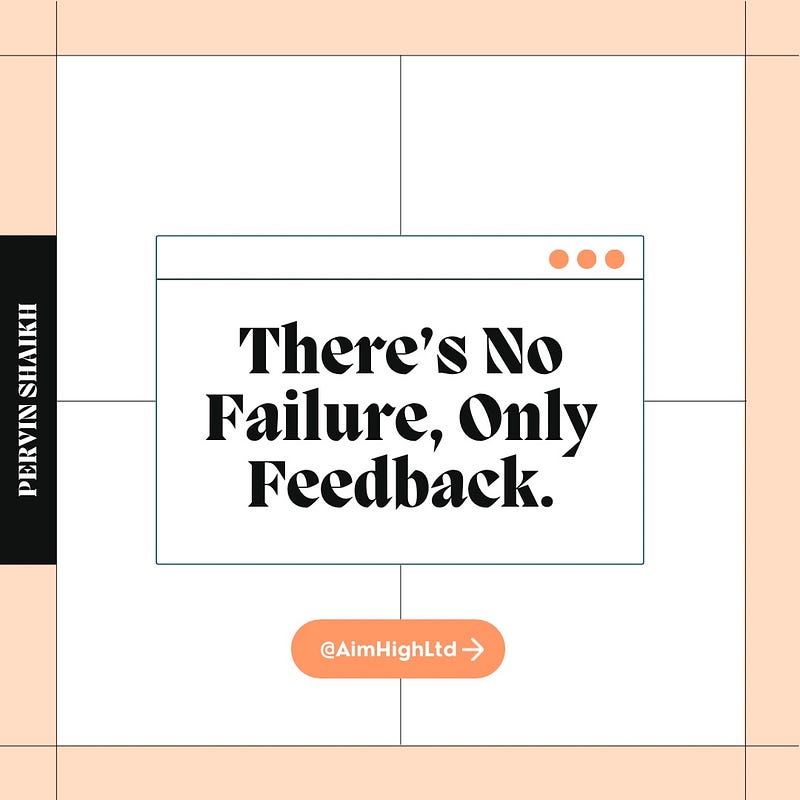
Acknowledging and learning from micro losses can positively impact your overall well-being. It reduces the fear of failure and fosters a sense of self-compassion. When you embrace these moments of setback as opportunities for growth, you become more adept at handling larger setbacks and adversities with grace and resilience.
The Lessons in Disguise
One of the most powerful aspects of micro losses is their ability to teach us resilience and adaptability. When we encounter setbacks, we must reassess our approach and pivot if necessary. In these moments of discomfort, we often discover innovative solutions, alternative routes, and untapped strengths within ourselves.
Think about the last time you faced a minor setback at work or in your personal life. Did you notice how it prompted you to reevaluate your strategy or mindset? Micro losses challenge us to question our assumptions, experiment with new ideas, and develop a growth mindset. They remind us that the path to success is rarely linear and that setbacks are integral to any journey.
Call to Action
Why wait for a new year to transform yourself? Begin today. Start by identifying just one small goal — something achievable yet meaningful.
It could be as simple as reading for 10 minutes daily, taking a short walk, or drinking more water. Commit to this goal and track your progress each day.
Remember, the journey of a thousand miles begins with a single step. Start this journey now, and let every step you take be a step towards a better you.
Thank you for your attention.
Follow me for more valuable tips.
Pervin
linktr.ee/AimHighLtd


