
5 Quotes That Will Change Your Life Forever
Words of wisdom from Marcus Aurelius.
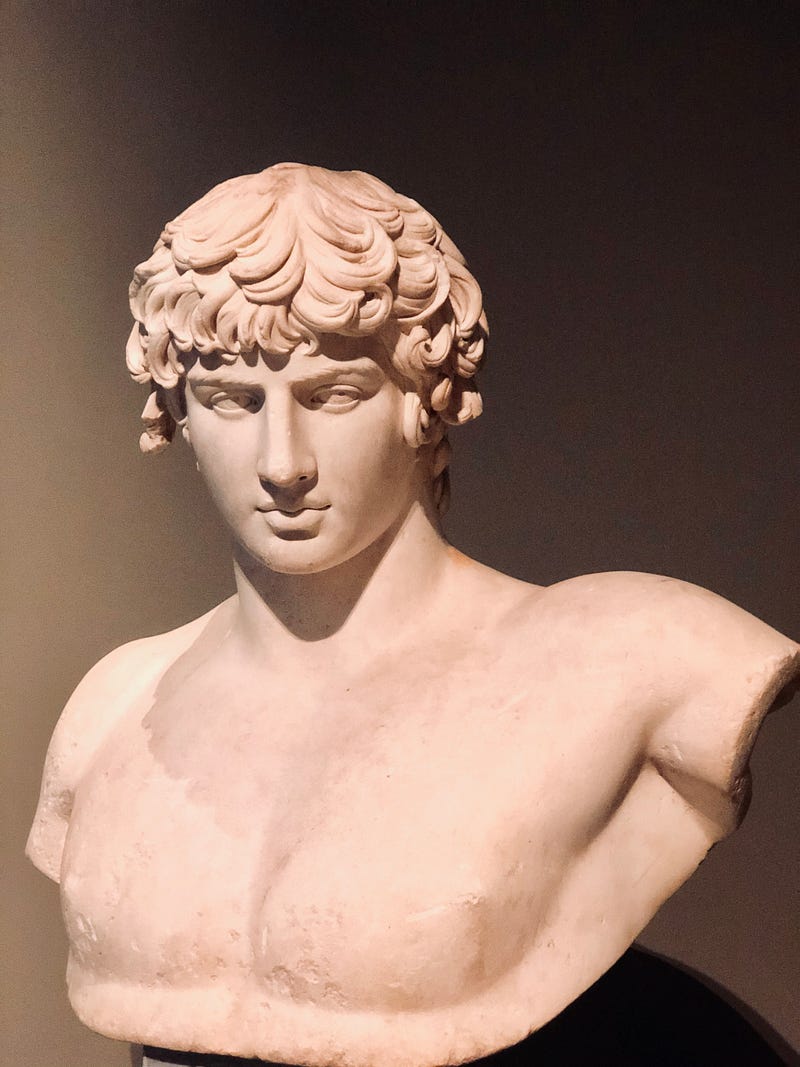
Marcus Aurelius was an emperor, writer, and Stoic philosopher who died in the year 180 — ages ago. Yet, he is famously known for his Meditations and thoughts on life that still sound accurate millenniums later. It seems Marcus Aurelius figured out how to live a good life (or at least a satisfying one), and his wisdom might resonate with you today.
“You have power over your mind — not outside events. Realize this, and you will find strength.”
This is my favorite quote, and I try to keep it in mind at all times. Recently, I realized that most of our unhappiness comes from the lack of control we have over outside events. Whenever my relatives or I go on and on about a problem that is making us miserable, it’s usually something outside of our control.
For example, I once rented a car to go on a trip with my friends. We used an app that I urge you to avoid: Zipcar. We were all excited and met where we were supposed to pick up our car. It was dirty — but whatever, nothing could undermine our excitement.
We drove a hundred meters before realizing that something was wrong, and we dropped the car at a service station. A guy told us that it was impossible to go anywhere with that engine, so we called the customer service and waited hours for someone to respond.
When someone finally picked up and we explained our problem, they told us they didn’t have other cars available and hung up. We were mad, but it didn’t help us. What helped us was accepting the situation and taking the next train to our destination.
What I’m trying to explain with this overly long story is that you don’t control external events, but you master your response to them. Your feelings and actions are entirely up to you. Will you get angry and make the situation worse, or will you accept the event as it is and move on?
I think this quote is incredibly empowering and encourages you to look inwards for answers.
“If you are distressed by anything external, the pain is not due to the thing itself, but to your estimate of it; and this you have the power to revoke at any moment.”
Stoic philosophers believed that all the suffering you experience in life is up to you, and you can revoke it at any moment. This has its limitations, of course, but I think it’s true to some extent.
Let’s say you are terrified of speaking in public, but you have to give a TedTalk in two months. For two months, you will kill yourself worrying over your talk, probably thinking stuff like “What if I make a fool of myself?” or “What if I forget my speech?” But the truth is, the pain you feel is not caused by the event itself but by your estimate of it.
Because you are scared, you are convinced that things will go wrong, that you will automatically be petrified in front of your audience. You are anticipating the worst-case scenario.
What if you tried to imagine the best-case scenario for once? By shifting your perspective, you could transform this terrifying experience into what it really is: an incredible opportunity.
“Never let the future disturb you. You will meet it, if you have to, with the same weapons of reason which today arm you against the present.”
Many of us worry over what the future will or will not bring — myself included. Will I have enough money tomorrow? Will my business venture be a success? Will I be healthy?
But look at yourself today. You have and had your struggles, your doubts, and hardships. Life is not supposed to be easy. You faced and overcame difficulties since the day you were born. Tomorrow, you can only be better equipped to face whatever comes your way.
“If someone is able to show me that what I think or do is not right, I will happily change, for I seek the truth, by which no one was ever truly harmed. It is the person who continues in his self-deception and ignorance who is harmed.”
If you tend to take criticism personally, think of it that way: whether it rings true and you can do better based on that feedback, or it doesn’t, you can let it slip away without considering it. Even if words can be really harsh, they are just words. Think of them as a way to improve, be it by using constructive criticism as a way to become a better person or by rising above it and proving to yourself that you’re better than this.
“How much more grievous are the consequences of anger than the causes of it.”
You had an argument with a loved one. They said something, and you got angry, replying with something nasty. And now you regret it.
This situation has happened to all of us, so you probably already know this: do not act upon your feelings when you are angry.
Like any feeling, it will probably pass in a few minutes — hours, at worst. But the pain you could cause by acting on your feelings could last way longer.
Process, think, and act.