
5 Myths about Bears That Can Put You in Danger
Stay safe in their territory
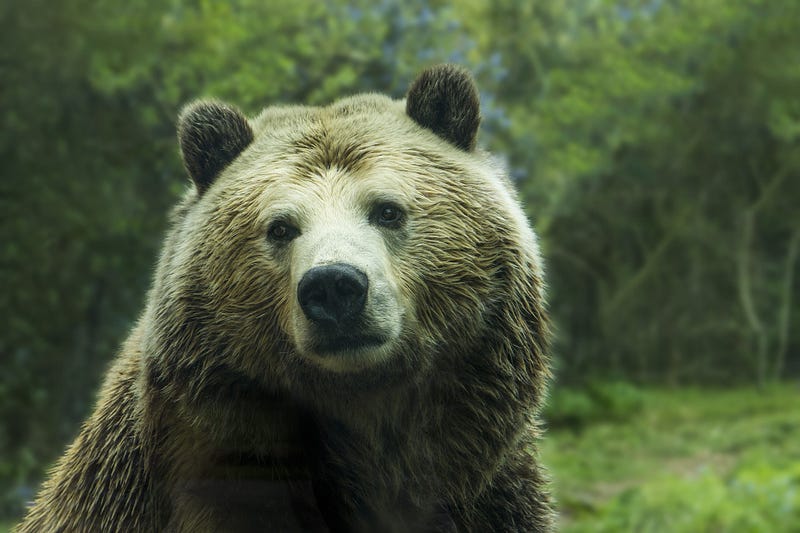
Do you ever venture out where bears hang out? then it’s a good idea to know a few things about them. I go hiking and running in their home territory, which led me to do quite a bit of research and preparation.
Bears aren’t the leading cause of injury in national parks. Vehicle accidents and drowning are the most common cause of deaths in those locations. Tripping and falling comes next. Animal attacks are right at the bottom of the list.
Even so, it pays to know exactly what you’re up against. Here are some common misconceptions about bears that could land you in trouble.
Myth #1 — A bear that rears up on its hind legs is about to attack
This isn’t necessarily the case. A bear stands up to see a little farther and to scope things out. But it’s very intimidating!
With the added height, bears can get more information from smell, sight and sound than when they are close to the ground. Based on their raised look at you, maybe they will conclude you are too much work to bother with. So if a bear rears up, don’t run! It might chase you.
Try to stay calm.
Wave your arms and talk to the bear in a clear voice as you slowly move away. Sideways movement is non threatening to bears, so that would be your best bet if possible.
Myth #2 — Bears can’t climb trees
Hiding in a tree is a terrible idea–and most trees are really hard to climb for us humans, anyway. But bears can climb like champs! Be prepared to climb right to the top as they come up after you.
Once a bear grows so big that the tree can’t hold them up anymore, they might just knock the tree down or shake it until you fall out.
I don’t want to find myself treed for hours while a bear stands around at the bottom either. Imagine the arm strength that would require to hold on!
Myth #3— Guns are better than Pepper Spray
Statistics show that your chance of injury doubles if you shoot at a bear with bullets instead of using pepper spray.
That’s right, your gun will probably get you killed.
Imagine a bear who is running at you. You shoot him right in the face with a concentrated pepper mixture that’s like hot sauce on steroids. It gets in his eyes and nose. He can’t breath or see or smell anything.
Do you think he’s going to be trying to hard to kill you, or he more interested in escape?
Now imagine a bear that was only wounded by a bullet. He’s looking for revenge, and my money is on the bear.
Myth #4 — Bears can’t run downhill
Who knows where this ridiculous idea came from. You can’t run down a hill to escape a bear. They can run at about 60 kilometers per hour in every direction, uphill, downhill and sideways.
Good luck outrunning a bear. You’ll need it.
If you have pepper spray, stand your ground and use it instead. If the bear isn’t charging then slowly back away and leave the area without running. And the bear is extremely unlikely to charge unless you pissed it off by appearing to be a threat to its babies.
Myth # 5— If you are attacked by a bear, play dead
I plan on shooting that attacking bear in the face with pepper spray. Lying on the ground playing dead isn’t in my playbook at all.
Playing dead might work if a mother grizzly bear is defending her cubs. It sounds like a really dumb idea the rest of the time.
If a bear is seriously after you, you need to fight like a cornered badger! Punch, kick, yell, head butt, whatever you have in you! This is life or death. Are you just going to lie there while it makes you lunch, or are you going down fighting?
Blatant truth — food attracts bears
Bears can smell human food. And they would really like to have it. One of the easiest ways to attract bears and increase your danger level in the wilderness is to improperly store food or dispose of garbage.
Learn good cooking and storage habits for when you’re camping. Use the provided bear proof garbage receptacles when you can. Don’t attract bears and get them used to human food. Someone could seriously injured or killed because of carelessness on this point. And not only that, but the bear might get removed from the location or put down because of your carelessness too.
Don’t feed bears!
If you do, they hang around like deadbeat relatives looking for handouts. Except instead of sleeping on your couch, drinking all your beer or asking to borrow your car, they might just reach out and try to take any remaining food you have. You don’t want a bear going into your pack for himself.
Got any good bear stories? I would love to hear them!
Sign up for my email and stay in touch! Tim’s Mindful Living Toolbox


