
5 Innovative Attributes to Add to Your Midjourney Prompts for Captivating Results #3
Welcome to the third installment of this series! The first two installments can be found here (#1) and here (#2).
The first two installments have been popular amongst Medium readers, so I’ll keep publishing more of them!
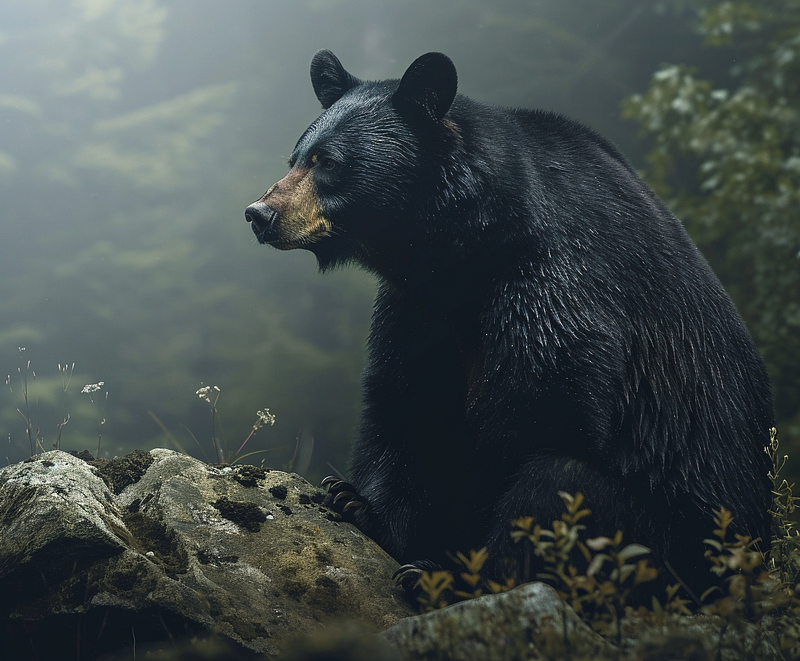
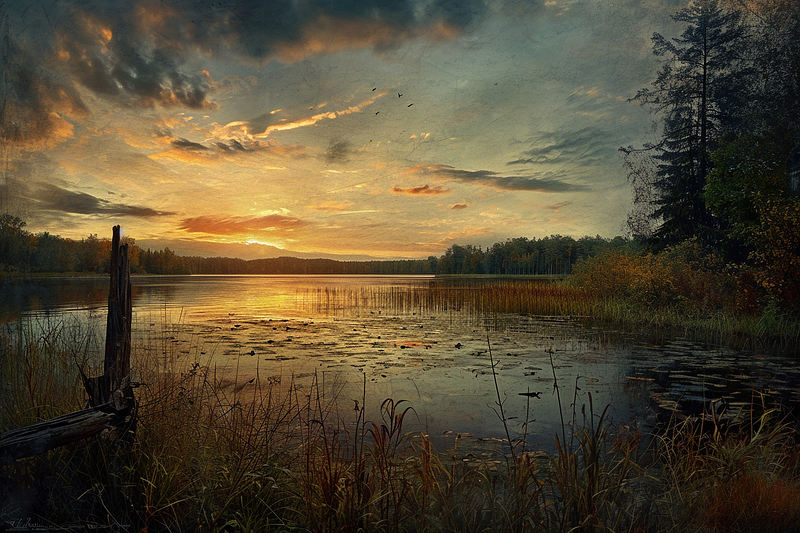
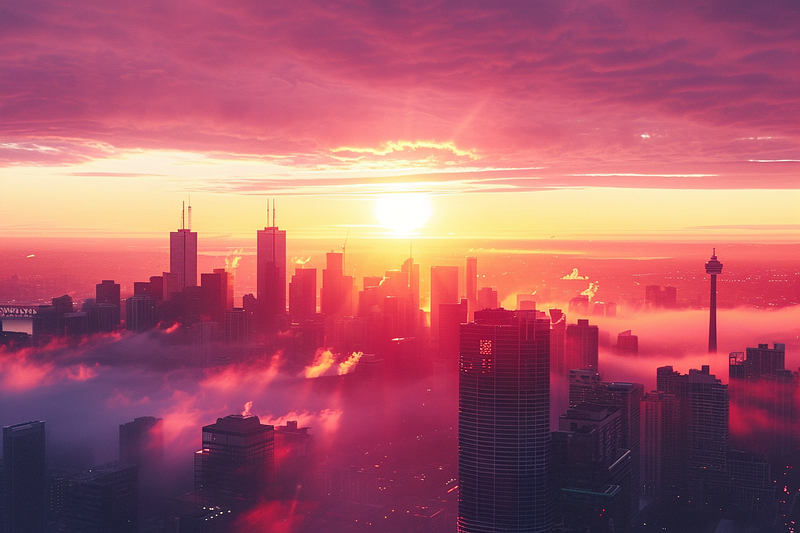
Today’s attributes are almost entirely focused on realistic photography, but can be used with other mediums as well, as you’ll see in some of the example images.
Let’s hop right in!
#1. “Abrasive Authenticity”
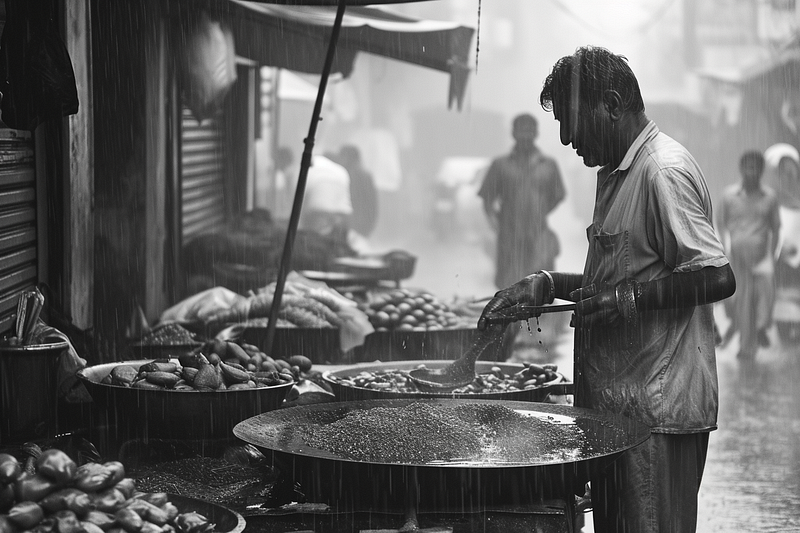
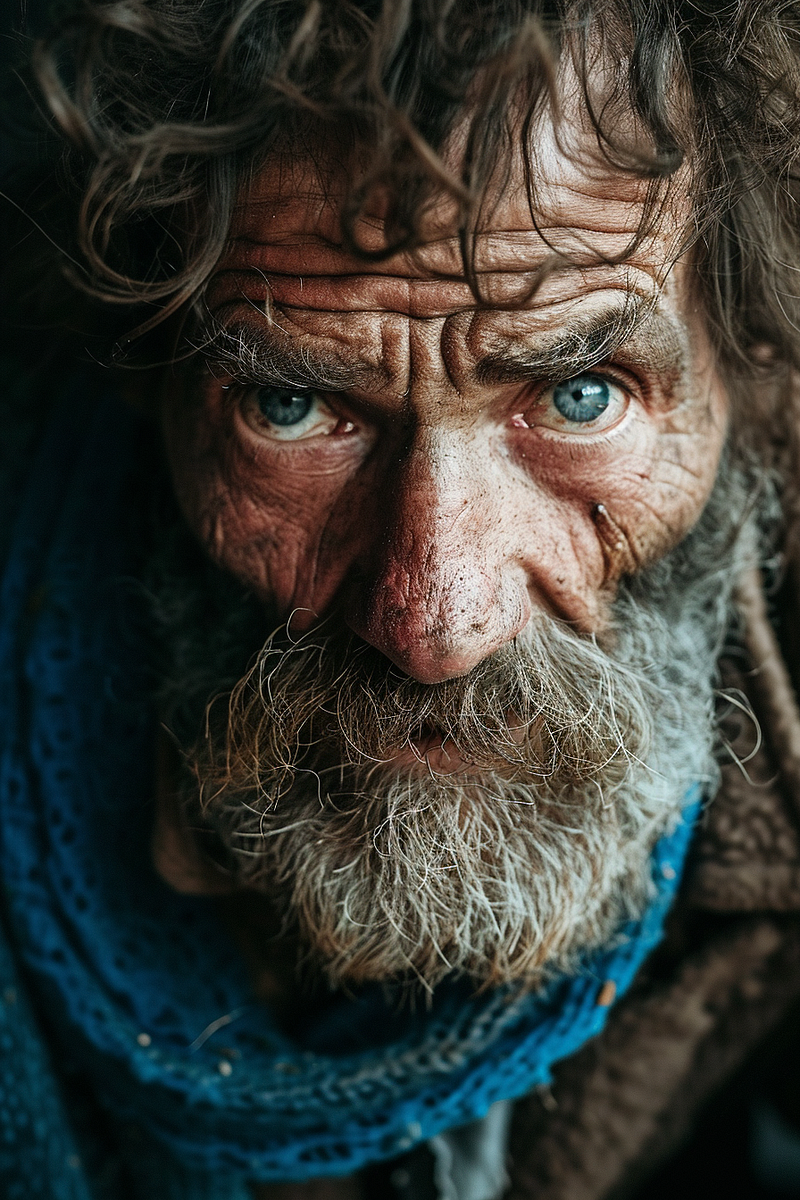
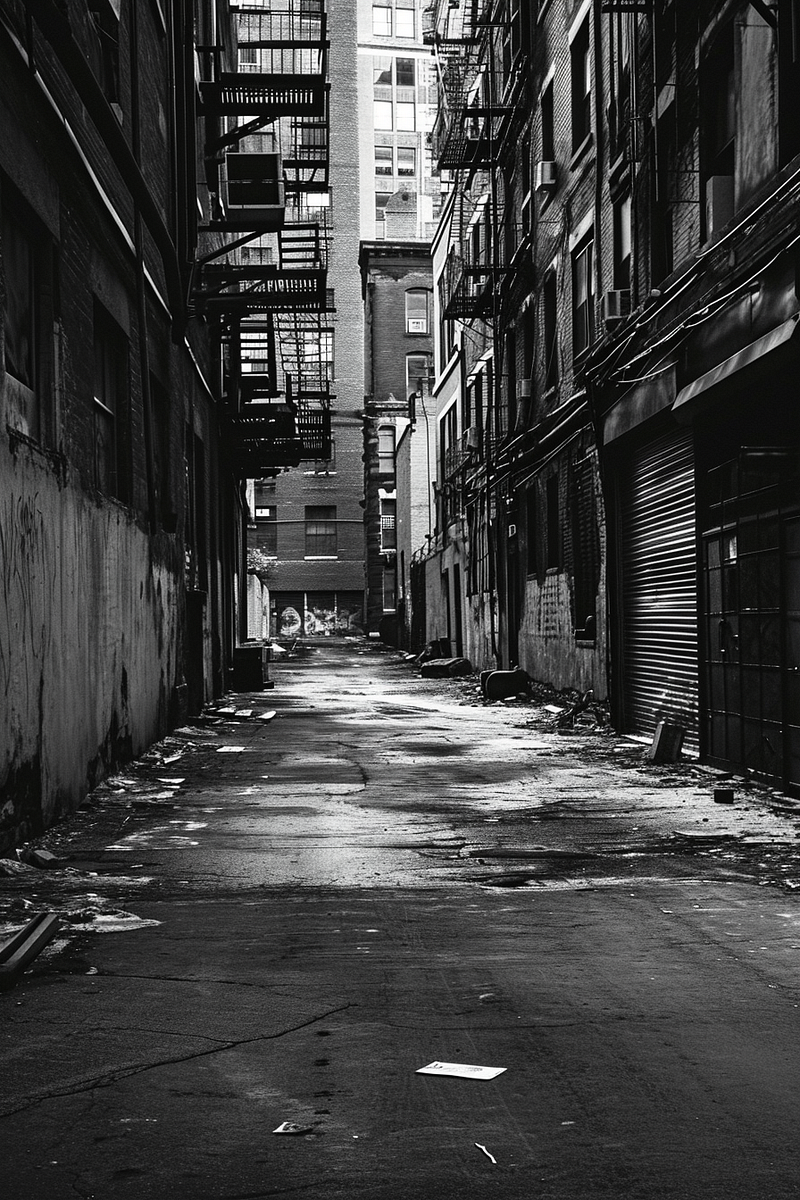
In the context of generative AI and image creation, “abrasive authenticity” is a unique attribute that guides the AI to produce images with a raw, unpolished aesthetic that embraces imperfections and ruggedness. This attribute contrasts with the often idealized or overly refined visuals commonly seen in digital art. When “abrasive authenticity” is included in an image prompt, it encourages the AI to focus on elements that convey a sense of grittiness and realism. This might involve textures that are coarse or irregular, scenes with a stark, unembellished appearance, or compositions that feel spontaneous and unfiltered.
The intention behind this attribute is to capture the essence of the subject in a manner that feels genuine and unvarnished, often evoking a sense of emotional honesty and visceral impact. “Abrasive authenticity” can be particularly effective in creating artwork that resonates with viewers on a more profound, human level, as it reflects the imperfect and often messy reality of life. This approach is especially appealing in genres like street photography, documentary-style imagery, or any artistic endeavor where the goal is to portray subjects with an unadulterated, candid perspective.
#2. “Lucid Reflections”
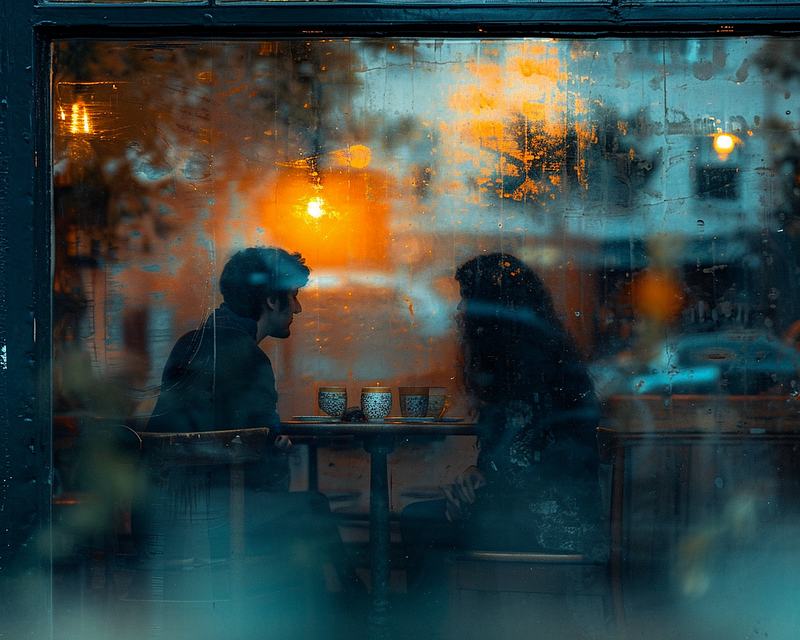
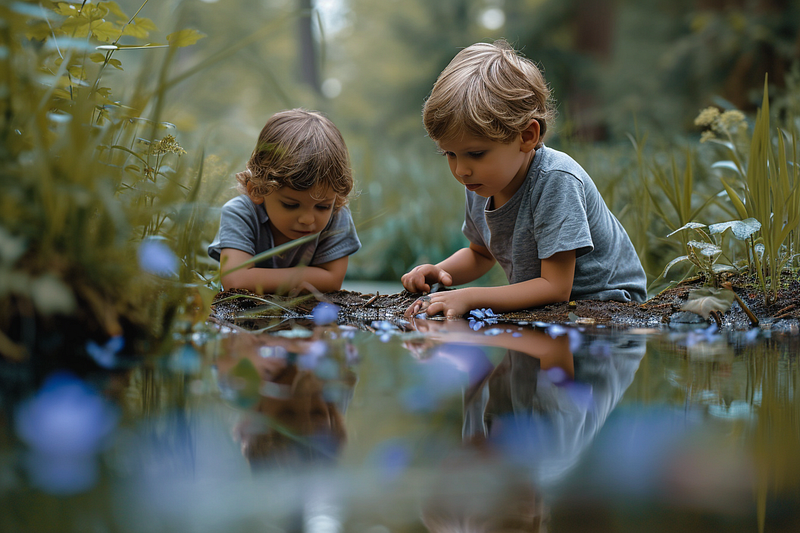
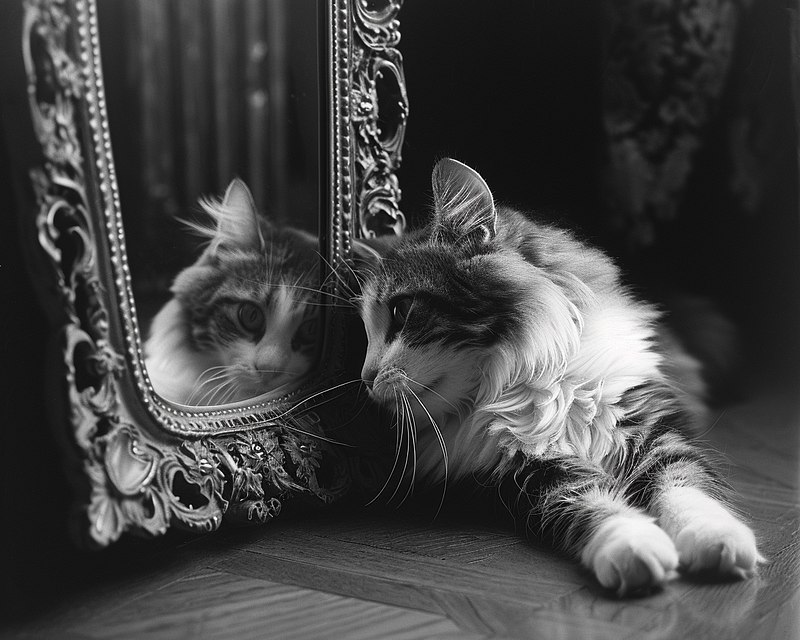
“Lucid reflections” is an attribute that focuses on creating images with clear, sharp, and detailed reflections, enhancing the overall realism and depth of the visual composition. When this attribute is incorporated into an image prompt, it directs the AI to pay special attention to surfaces that can reflect light and images, like water, glass, or polished metal, and render these reflections with exceptional clarity and precision.
The term “lucid” in this context emphasizes the clarity and vividness of the reflections, ensuring they are as impactful and defined as the primary subjects in the image. This attribute can add a layer of complexity and visual interest to an image, playing with the concepts of symmetry, perspective, and reality. It’s particularly effective in scenes where water bodies mirror the sky, cityscapes reflected in glass facades, or intricate light patterns reflected on shiny surfaces.
Lucid reflections can transform a straightforward image into a more dynamic and intriguing composition. They invite viewers to look deeper, discovering the subtle interplay between the real and the reflected. This attribute is invaluable for creating images that are not just visually striking but also evoke a sense of serenity, depth, and contemplation.
#3. “Suburban Gothic”
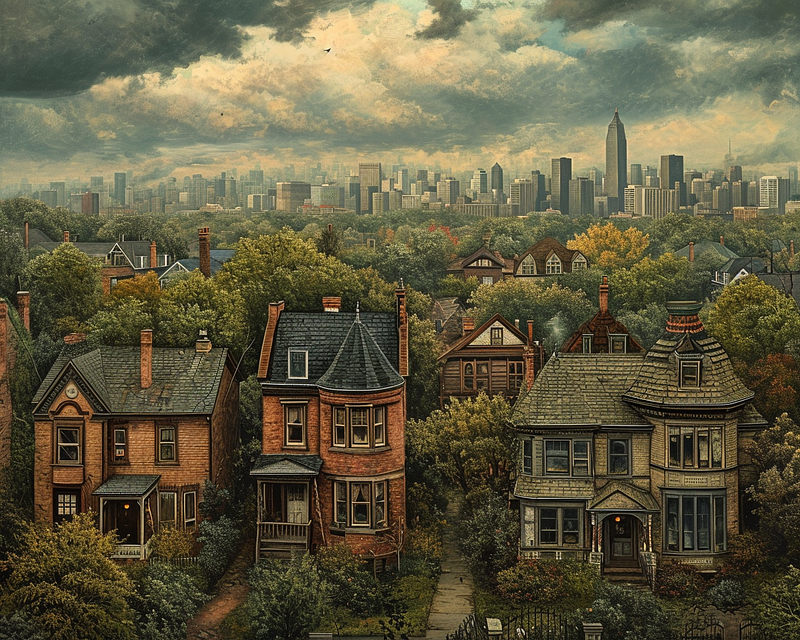
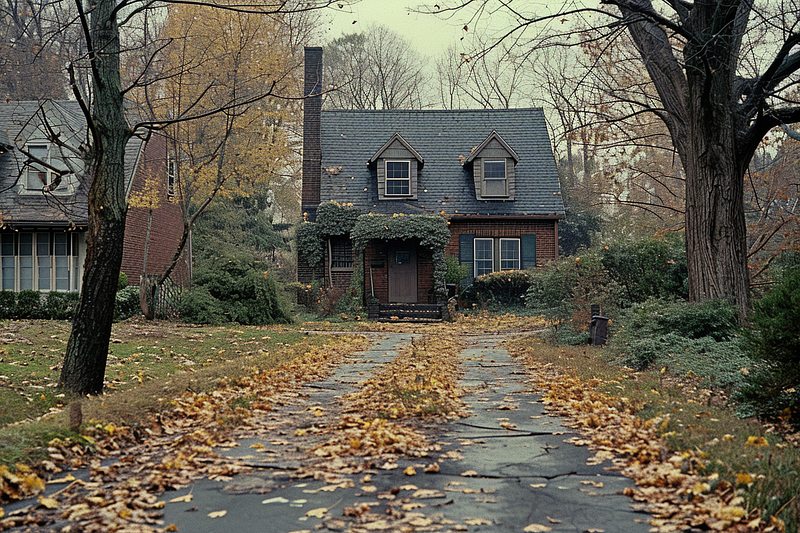
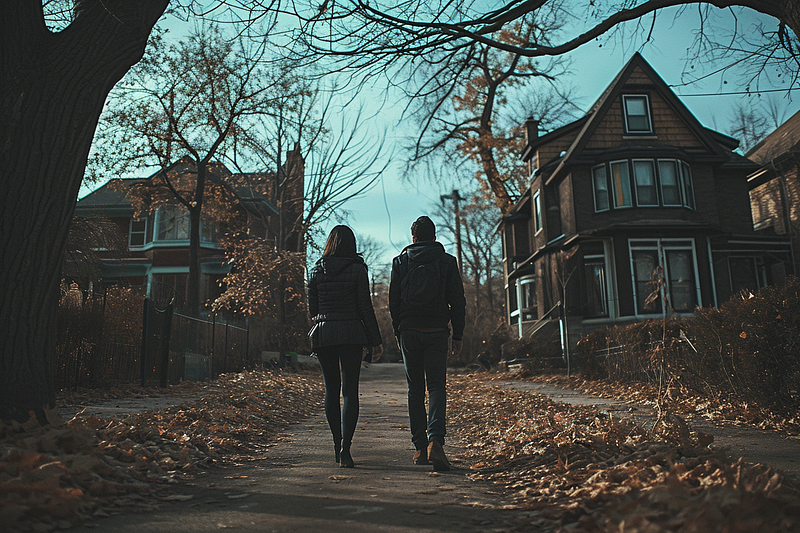
“Suburban Gothic” is a stylistic attribute in generative AI image creation that blends elements of the Gothic genre with suburban settings. This unique combination creates a contrast between the mundane aspects of suburban life and the eerie, mysterious undertones often found in Gothic literature and art.
In this context, “Gothic” refers to themes and aesthetics that include elements of the macabre, the supernatural, and the psychologically haunting. These might manifest through dark, moody atmospheres, an emphasis on decay or the uncanny, and a general sense of unease or foreboding. When juxtaposed with “suburban” settings, which are typically associated with normality, safety, and the everyday life of middle-class society, it creates a compelling contrast that can be both unsettling and intriguing.
Incorporating “suburban Gothic” into an AI image prompt encourages the generation of images that capture this dichotomy. You might see perfectly manicured lawns with a sinister, underlying mystery; ordinary houses with a hint of something ghostly or otherworldly lurking beneath the surface; or scenes of suburban tranquility disturbed by elements of darkness or fear.
This attribute is particularly effective in creating narratives and visuals that explore themes of alienation, the hidden darkness behind facades of normality, and the contrast between the seemingly mundane and the extraordinary. “Suburban Gothic” appeals to viewers by presenting a familiar setting disrupted by the uncanny, creating a unique and compelling visual experience.
#4. “Rustic Figurative”
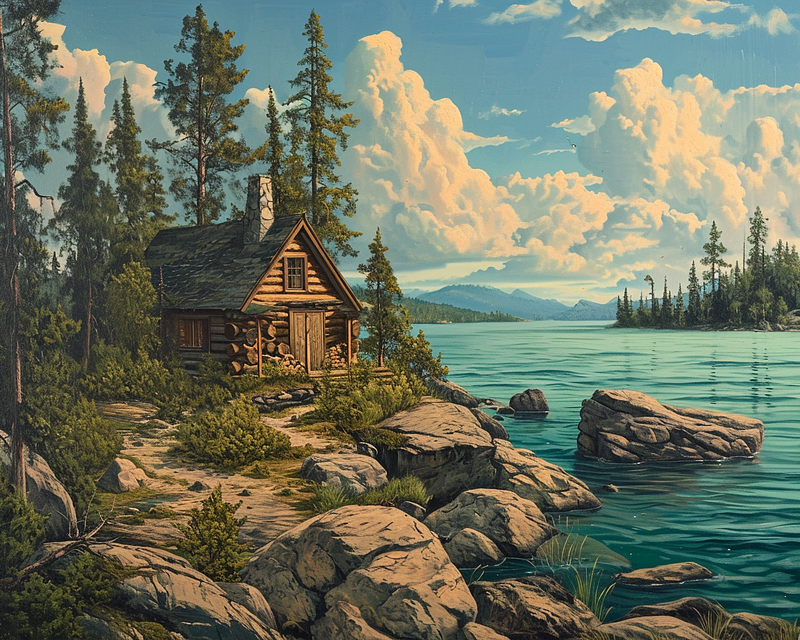
The attribute “rustic figurative” refers to a style that combines elements of rustic aesthetics with figurative art. When this attribute is used in an image prompt, it guides the AI to create images that embody the simplicity, roughness, and natural beauty typical of rustic themes, while focusing on the human figure or form.
“Rustic” in this sense conveys a sense of earthiness and a connection to nature and traditional life. It often involves textures that are raw and unrefined, such as wood grain, stone, or aged materials, and settings that are pastoral or reminiscent of rural life. The “figurative” aspect refers to the representation of human forms or figures, which are rendered with an emphasis on their natural, unidealized state.
This combination results in images that have a warm, grounded quality, often evoking feelings of nostalgia or a connection to simpler, more fundamental aspects of human experience. The figures in such images are typically portrayed in a way that feels authentic and genuine, often engaged in everyday activities or posed in a manner that reflects their natural demeanor.
“Rustic figurative” imagery is particularly effective for creating scenes that feel both personal and universal, capturing the essence of human life in a way that resonates with viewers on an emotional level. It’s a style well-suited for narratives that seek to explore human stories within the context of nature, tradition, and the unvarnished truth of the human condition.
#5. “Atmospheric Interpretation”
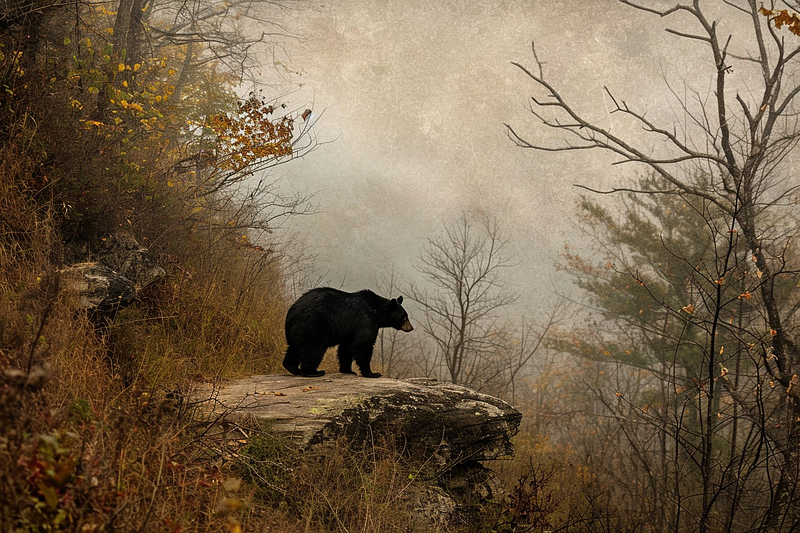
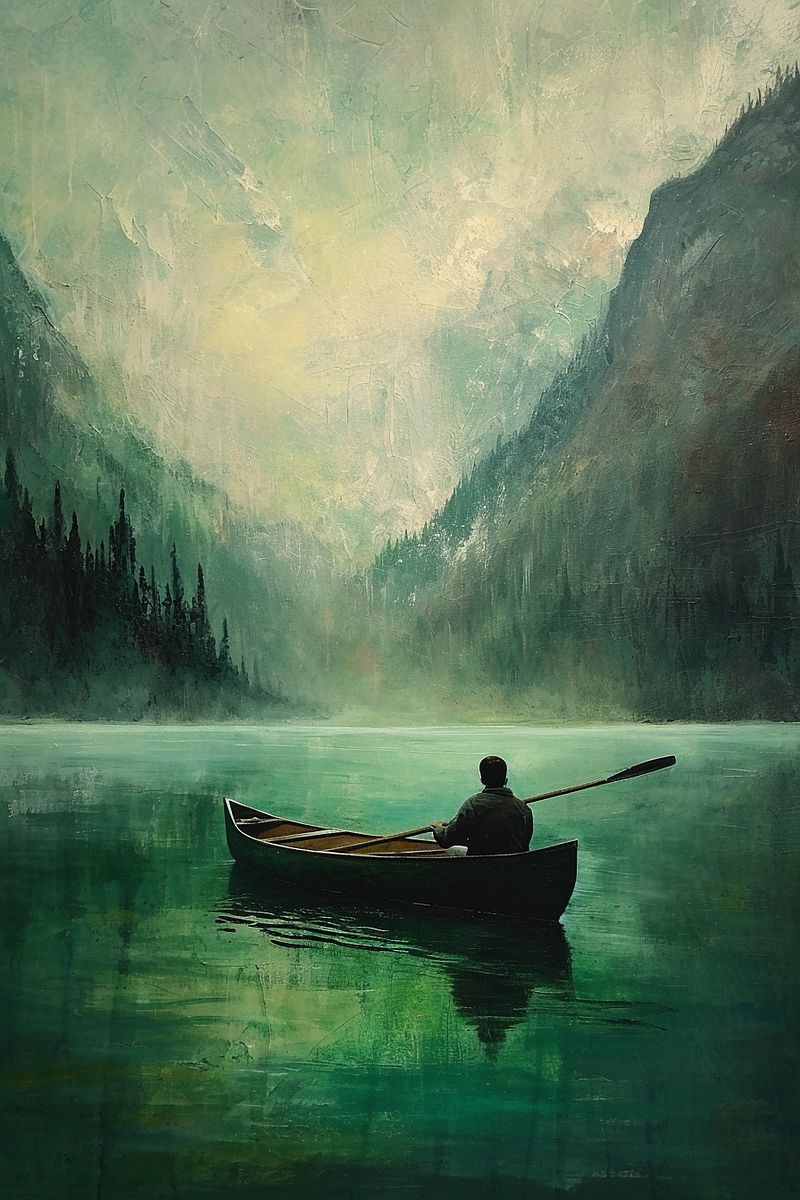
“Atmospheric interpretation” in the context of generative AI image creation is an attribute that focuses on capturing and enhancing the mood, tone, and overall ambience of a scene through visual elements. This attribute instructs the AI to pay special attention to the way light, shadow, color, and texture interact to create a specific atmosphere within the image.
When using “atmospheric interpretation,” the AI is encouraged to go beyond mere representation of a subject, instead focusing on evoking a particular feeling or mood. This could involve playing with soft, diffused lighting to create a dreamy, serene atmosphere; employing stark contrasts and harsh shadows for a more dramatic, intense effect; or using muted colors and subtle gradations to evoke nostalgia or melancholy.
This attribute is especially effective in creating images where the emotional response of the viewer is as important as the subject matter itself. It’s about using visual cues to convey a sense of place, time, and emotion, making the image resonate on a deeper level. “Atmospheric interpretation” can be applied to a wide range of subjects, from landscapes and cityscapes to portraits and abstract compositions, each time ensuring that the atmosphere plays a key role in the overall impact of the image. This approach is invaluable for creating art that is not just seen but also felt, offering a more immersive and emotionally engaging experience.
As always, thanks for reading! Please help me out by clapping +50 and following for more great content!
Also, check out some of my other recent stories below!
100 FREE Midjourney T-Shirt Prompts for Print-on-Demand or Personal Use
Patterned Frogs and Midjourney — Exciting Patterns for Abstract Animals
What happens when Midjourney v6 chooses all the details of an image?
Have a great day!


