
5 More Innovative Attributes to Add to Your Midjourney v6 Prompts for Captivating Images (#2)
The first post (found here) that I made with a similar title was very popular, so here I am with the second edition! The post provided 5 keyword attributes to use in Midjourney to get specific creative results.
Today I’d like to share 5 more keyword attributes that will give your Midjourney images an extra touch of flair, and help you achieve just what you’re going for.
I’ve been making a lot of pictures of dogs for my kids recently, so this post is going to have a lot of cute pupper inspiration. Sorry, not sorry.
Also, please leave comments describing your experience using these keyword attributes! If you’d like, drop the media links for some of the images you create in the comment section! I’ll be sure to check out all of the comments!
Let’s get right to it!
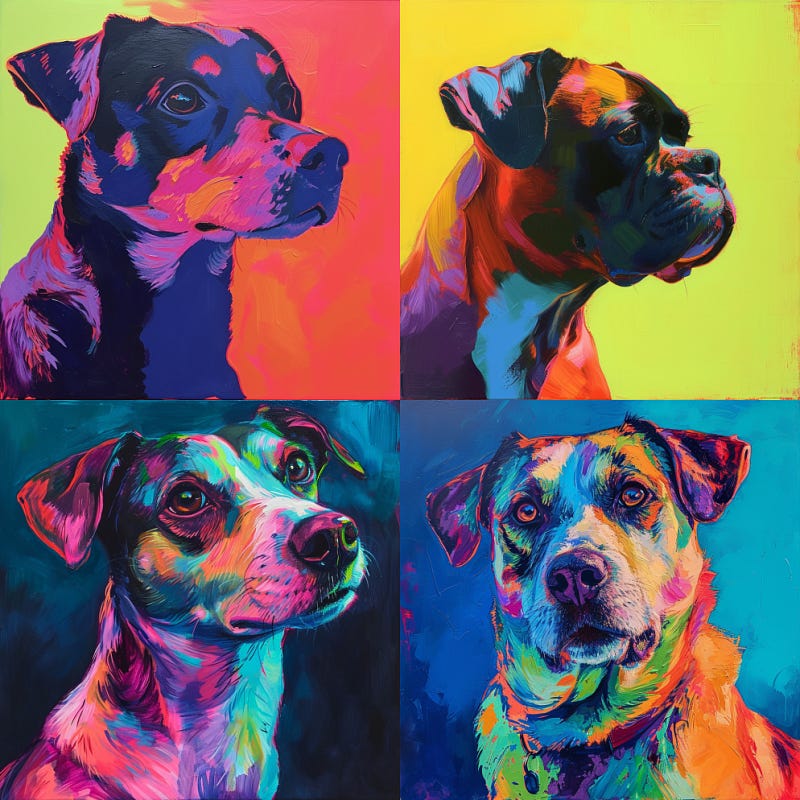
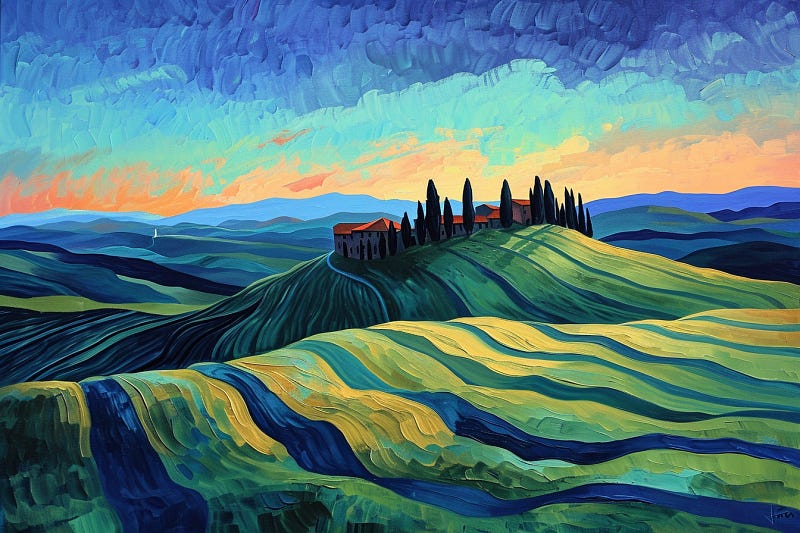
- “Bold Chromaticity”
“Chromaticity” refers to the attribute that focuses on the purity, intensity, and vividness of colors within an image. When this term is used in an image prompt, it directs the AI to pay special attention to the use of color, not just in terms of hue but also in its saturation and brightness. Chromaticity can bring an image to life by making colors more vibrant and striking, or it can be used to convey specific moods and atmospheres through the careful manipulation of color tones. This attribute is particularly useful in creating images that are visually dynamic and emotionally resonant, as colors can significantly impact the viewer’s perception and emotional response. In essence, chromaticity in AI-generated images is about harnessing the power of color to add depth, mood, and impact, transforming the visual experience into something more vivid and engaging.
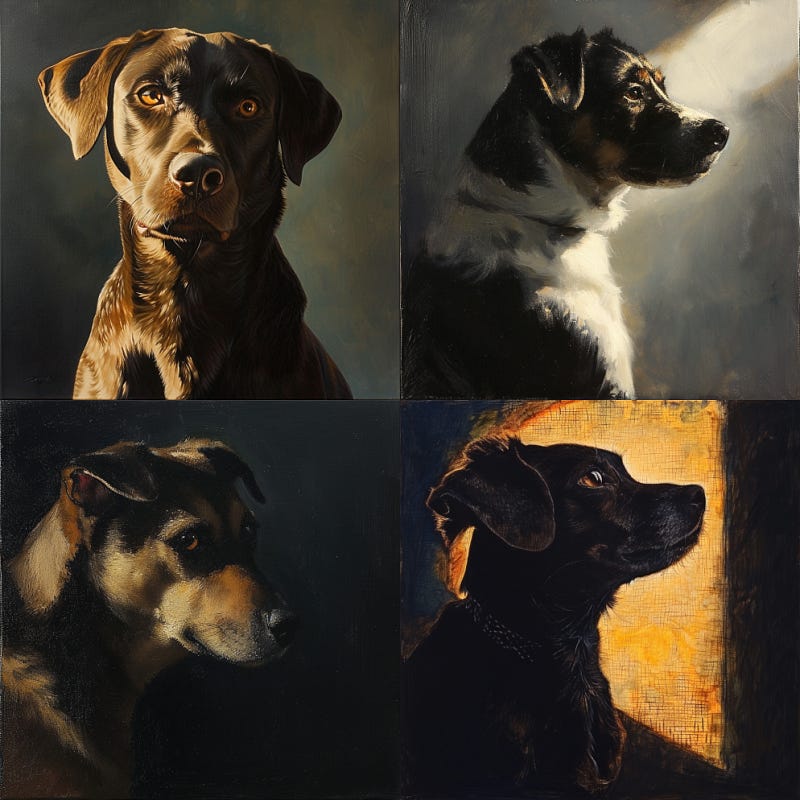
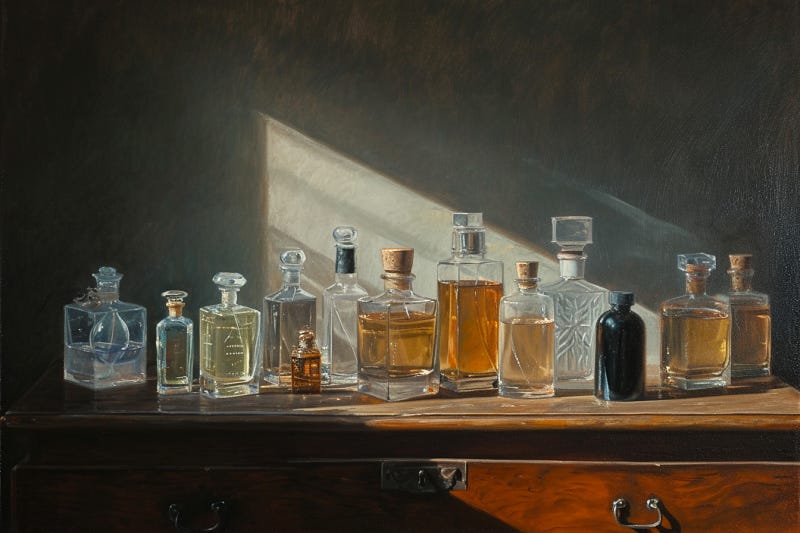
2. “Luminous Shadows”
In the sphere of generative AI image creation, the term “luminous shadows” refers to an attribute that focuses on the interplay of light and shadow in a way that gives the shadows a luminous, almost ethereal quality. When this attribute is incorporated into an image prompt, it guides the AI to create shadows that are not merely areas of darkness, but are infused with subtle light, adding a sense of depth and dimensionality to the image. This technique can create a mood of softness and mystery, as the shadows gently reveal details rather than obscure them. Luminous shadows can be particularly effective in adding a realistic or magical quality to an image, as they mimic the complex ways light diffuses in natural environments, often seen during moments like the golden hour. This attribute is invaluable in crafting scenes with a nuanced lighting atmosphere, where shadows contribute to the overall aesthetic and mood of the image, rather than simply representing the absence of light.
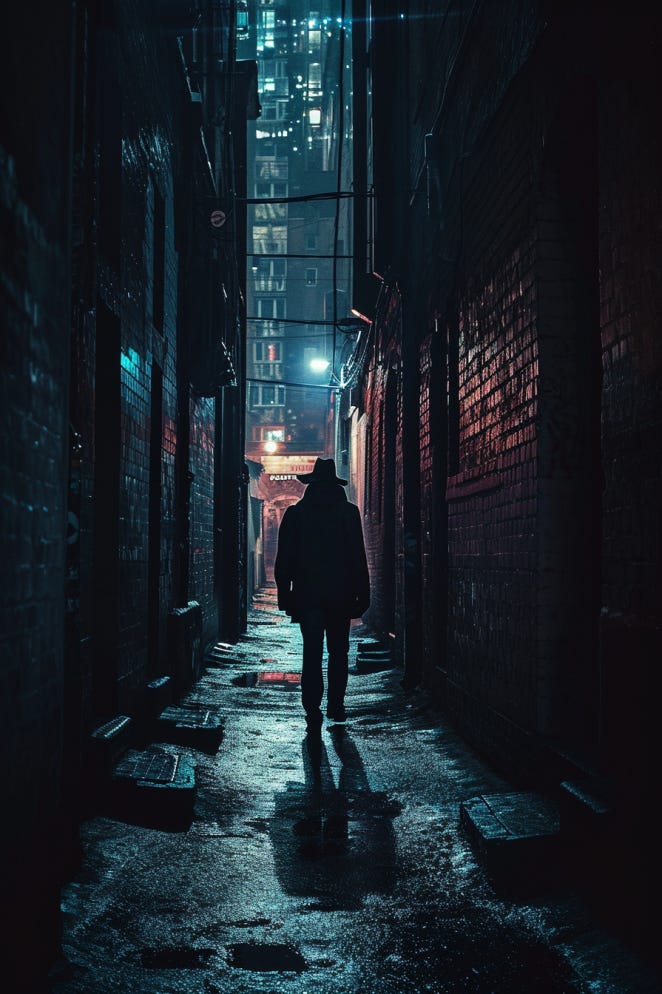
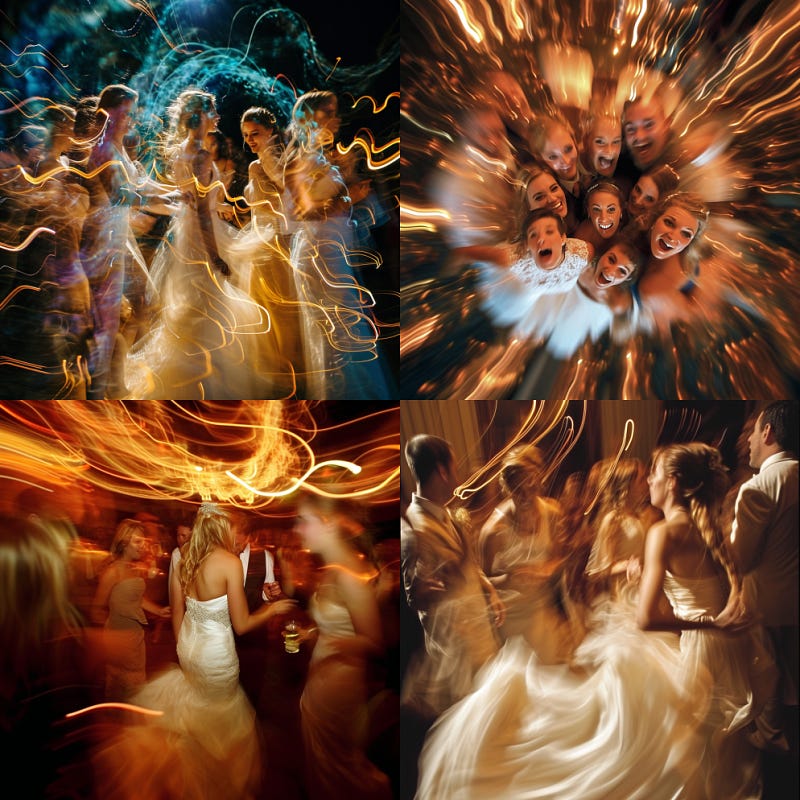
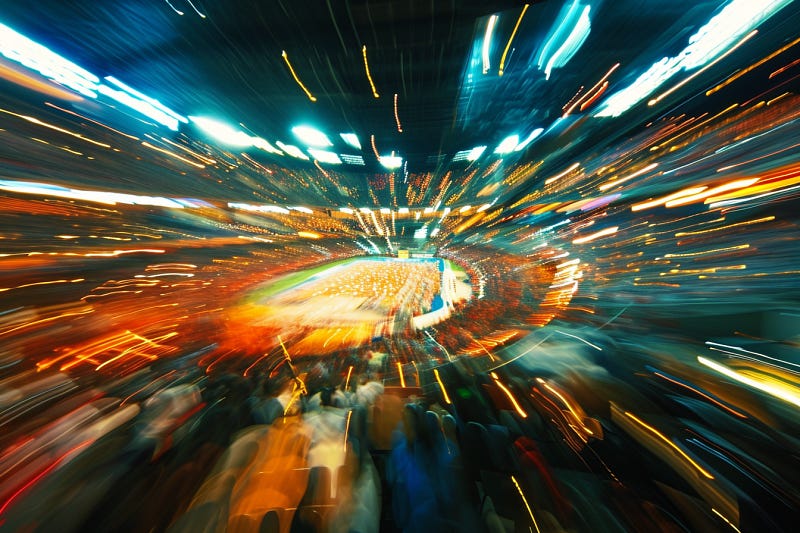
3. “Camera Toss”
The attribute “camera toss” refers to a technique that mimics the effect of physically tossing a camera during exposure, a method originally used in experimental photography. When this attribute is applied to an AI image prompt, it instructs the AI to emulate the unique, dynamic blur and abstract patterns typically produced by the unpredictable movement of a camera in motion. The resulting images often display a blend of smeared colors, streaked lights, and a sense of kinetic energy, capturing a moment of controlled chaos. This technique is particularly effective for creating visuals that convey motion, energy, and a certain degree of unpredictability. “Camera toss” images are characterized by their fluidity and abstract aesthetic, making them ideal for projects that require a sense of dynamism or an avant-garde approach to traditional photography. By incorporating this attribute, AI-generated images can achieve a striking, surreal quality that challenges conventional perspectives of composition and focus.
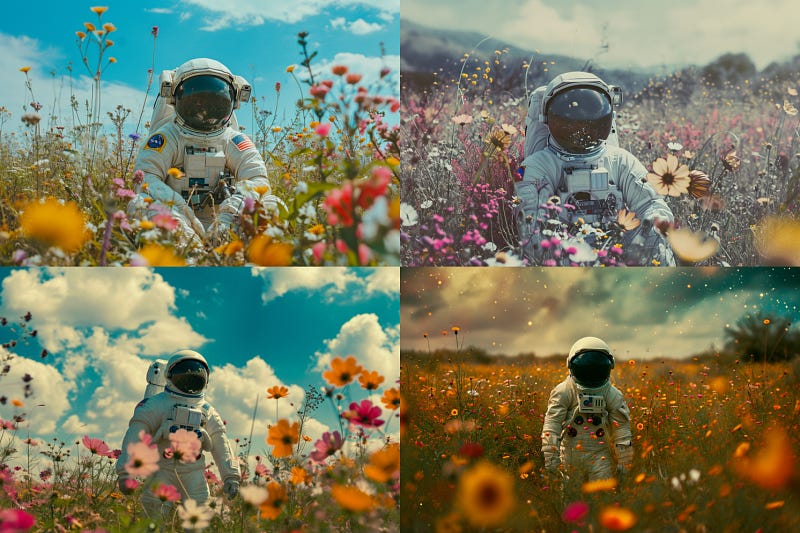
4. “Dye Transfer Process”
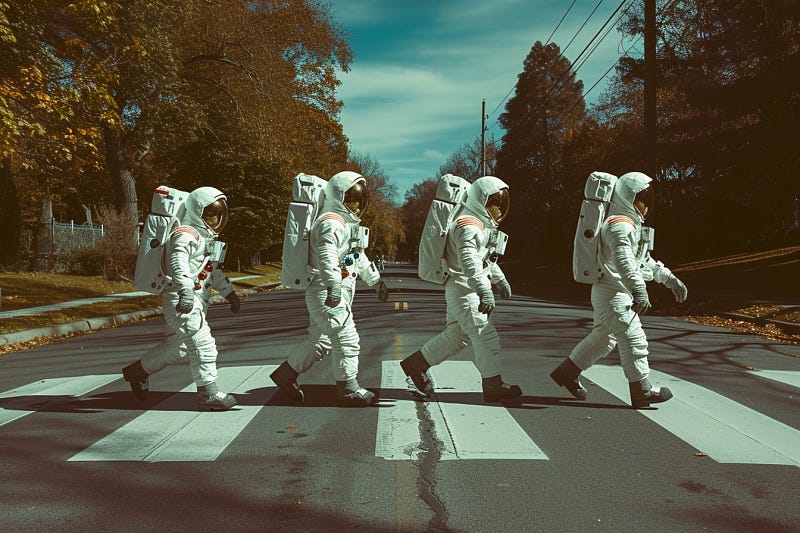
The attribute “dye transfer process” refers to a technique inspired by a traditional color photographic printing process. When included in an image prompt, it directs the AI to replicate the rich, vibrant colors and the high fidelity of the classic dye transfer process. This method was known for its exceptional color saturation, stability, and control over hues, allowing for the production of images with deep blacks and intense, pure colors. By applying this attribute, the AI aims to mimic these characteristics, creating images with a color depth and richness reminiscent of the dye transfer look. This is particularly effective for images where color plays a pivotal role in the composition or mood. The “dye transfer process” attribute in AI-generated images can bring a sense of vintage elegance and artistry, echoing the aesthetic of an era when this method was widely celebrated for its unparalleled color reproduction and durability in photographic art.
5. Quadratura
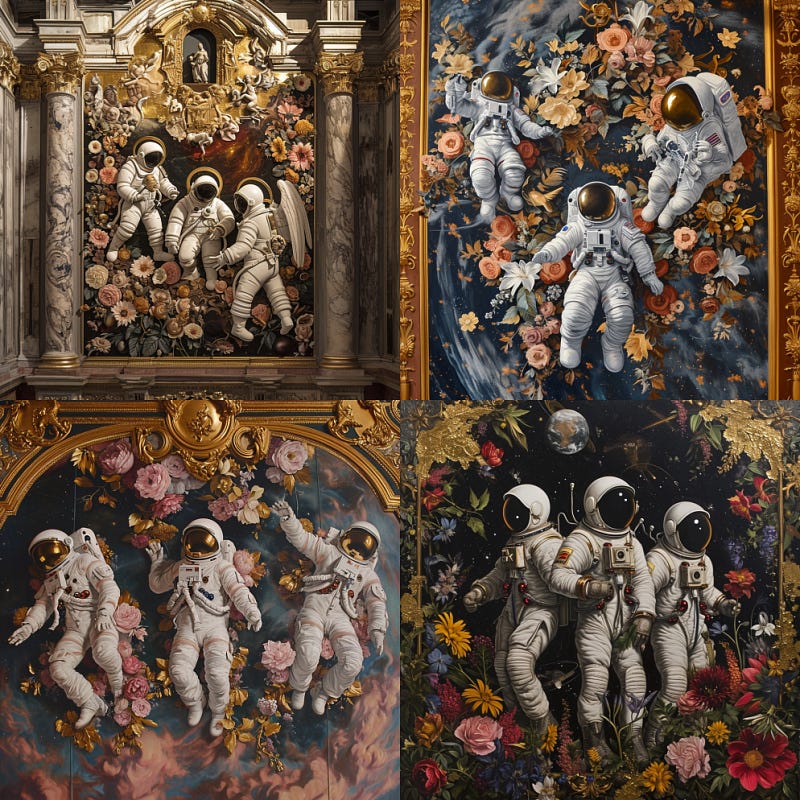
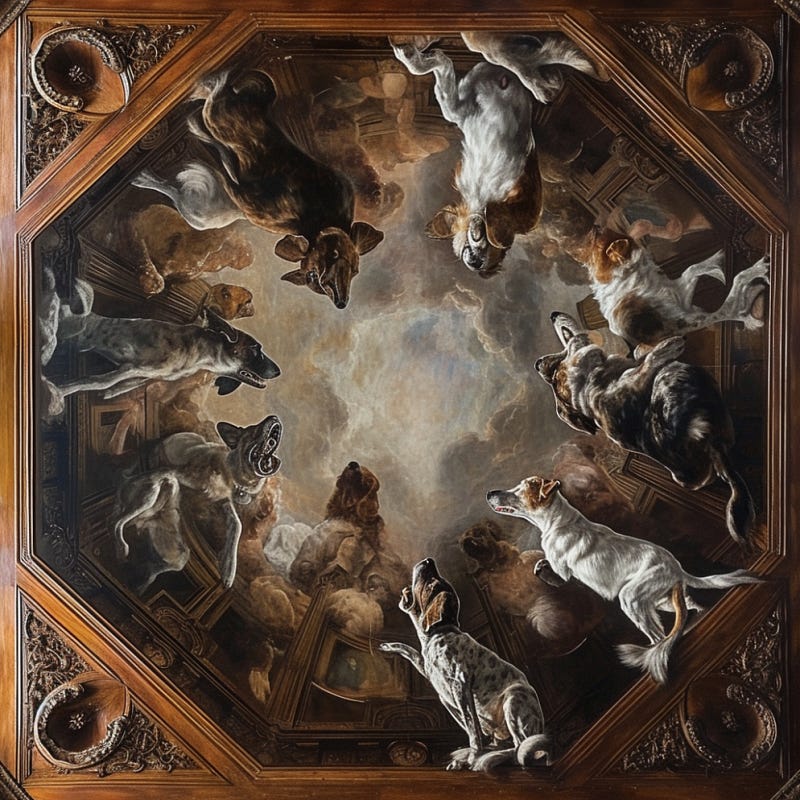
“Quadratura” refers to an attribute inspired by a baroque painting technique used to extend architecture through optical illusion. When used in an AI image prompt, it directs the AI to create visuals that play with perspective and depth, often giving the illusion that the image extends beyond its physical boundaries. Quadratura traditionally involved painting ceilings or walls in a way that, from the viewer’s standpoint, appeared to open up into the sky or a grander space, using skillfully rendered perspective. By incorporating this attribute, the AI is encouraged to simulate this effect, creating images that have a sense of expanded space and depth, often blurring the line between the real and the imagined. This technique is particularly effective in crafting images that evoke a sense of grandeur and awe, reminiscent of the way baroque artists transformed ordinary spaces into breathtaking vistas. In AI-generated imagery, quadratura can add a dramatic and immersive quality, drawing viewers into a seemingly boundless visual experience.
And there we have it! 5 awesome keyword attributes that produces stellar results! I hope you enjoy these attributes and let your imagination run wild with them.
Make sure to clap for this post and give me a follow for more great content!

This story is published on Generative AI. Connect with us on LinkedIn and follow Zeniteq to stay in the loop with the latest AI stories. Let’s shape the future of AI together!



