avatarMirco Pasqualini

Free AI web copilot to create summaries, insights and extended knowledge, download it at here

1420

Abstract

ng through a major transformation right now, moving from a traditional healing approach to a preventative approach.</p><p id="bcab">Technology such as data processing, cognitive research, machine learning, IoT, wearable devices and many others have created the conditions for creating a digital / physical health system and today industry is confronted with an audience that judges and compares not only the drugs, the type of therapy or hospital capacity, but also the experience around this.</p><p id="27af">Today healthcare must provide not only products and technologies, but solutions for experiences as a patient, as a client and as a user, all at the same time, where there is no distinction between prescribing a drug, a therapy or an app.</p><h1 id="27e7">The 5 Design Conclusion I want to mention are:</h1><figure id="7684"><img src="https://cdn-images-1.readmedium.com/v2/resize:fit:800/0*PlKFQQzWLttuxn0D."><figcaption></figcaption></figure><p id="bf8d"><b>Design — Design is a roundtrip journey </b>“Design is not only about solving the problem, but framing the problem.”</p><figure id="a916"><img src="https://cdn-images-1.readmedium.com/v2/resize:fit:800/0*KvuaCfTRS5XQkAFL."><figcaption></figcaption></figure><p id="ffa1"><b>Design — Not an experience but for an experience. </b>“We cannot design an experience, experience is subjective. What we can do is design for an experience. Design helps to create

Options

the condition that causes that experience to happen.”</p><figure id="18c7"><img src="https://cdn-images-1.readmedium.com/v2/resize:fit:800/0*9aRkAlqQuWmwc-qa."><figcaption></figcaption></figure><p id="cd89"><b>Design — For a actor role journey… </b>“In the experience context, to be a patient is a transitional status, not a static condition.”</p><figure id="45ff"><img src="https://cdn-images-1.readmedium.com/v2/resize:fit:800/0*K2MHFY54boCvKE0i."><figcaption></figcaption></figure><p id="3e9c"><b>Design — To frame and to act </b>“Empowered patients. Empowered comes with awareness, education, easy access to the information and contextualization to help to define what is the action to take.”</p><figure id="0dbd"><img src="https://cdn-images-1.readmedium.com/v2/resize:fit:800/0*nE6S3vMTx2tG-PHX."><figcaption></figcaption></figure><p id="d22a"><b>Design — Engagement as side effect </b>“The level and consistency of the experience, raises the level of the engagement.”</p><figure id="3638"><img src="https://cdn-images-1.readmedium.com/v2/resize:fit:800/1*0_kifGPjHN01RhVpJi8NKQ.jpeg"><figcaption>Roberto Veronese (Helix) , Mirco Pasqualini (Ogilvy), Kate Cronin (Ogilvy), Renata Florio (Ogilvy), Kristen Cromer (Ogilvy)</figcaption></figure><p id="ee4a"><b>Previous Ogilvy DD</b>: <a href="https://readmedium.com/5-design-conclusions-from-the-ogilvy-dd1-aee4909b4289">Design & Business</a></p></article></body>

Design Deconstructed Program / Ogilvy

5 Design Conclusion from the Ogilvy DD2: Design & Healthcare

In February, Ogilvy New York presented the Design Deconstructed Program (DD): a series of events hosted inside Ogilvy Theater, where Executive and C-level & Executive Designers shared their points of view on what Design is today and above all, what its role is in modern business.

It was a constructive and forward-looking initiative for a historic agency like Ogilvy, with the aim of opening a useful and profound conversation with brands on how Design must be moved to a wider role not only in the products and services businesses, but also in terms of strategy, business, leadership, marketing, and more.

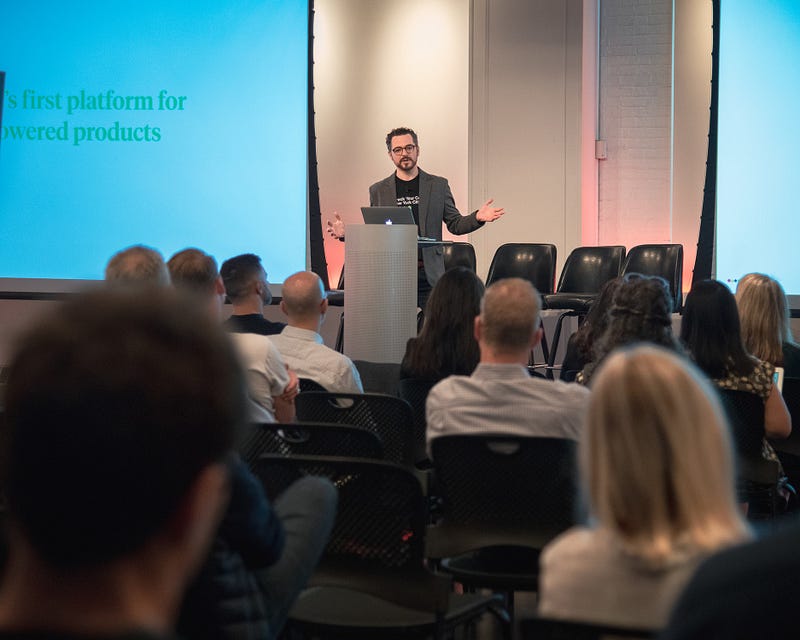
The second event (DD2) was kicked off by Roberto Veronese, VP of Product Design of Helix, a genomics company from San Francisco, and focused on the role of Design playing in the Healthcare business.
Healthcare is going through a major transformation right now, moving from a traditional healing approach to a preventative approach.

Technology such as data processing, cognitive research, machine learning, IoT, wearable devices and many others have created the conditions for creating a digital / physical health system and today industry is confronted with an audience that judges and compares not only the drugs, the type of therapy or hospital capacity, but also the experience around this.

Today healthcare must provide not only products and technologies, but solutions for experiences as a patient, as a client and as a user, all at the same time, where there is no distinction between prescribing a drug, a therapy or an app.

The 5 Design Conclusion I want to mention are:

Design — Design is a roundtrip journey “Design is not only about solving the problem, but framing the problem.”

Design — Not an experience but for an experience. “We cannot design an experience, experience is subjective. What we can do is design for an experience. Design helps to create the condition that causes that experience to happen.”

Design — For a actor role journey… “In the experience context, to be a patient is a transitional status, not a static condition.”

Design — To frame and to act “Empowered patients. Empowered comes with awareness, education, easy access to the information and contextualization to help to define what is the action to take.”

Design — Engagement as side effect “The level and consistency of the experience, raises the level of the engagement.”

Roberto Veronese (Helix) , Mirco Pasqualini (Ogilvy), Kate Cronin (Ogilvy), Renata Florio (Ogilvy), Kristen Cromer (Ogilvy)

Previous Ogilvy DD: Design & Business

Design
Healthcare
Experience
Tech
Design Thinking
Recommended from ReadMedium