
avatarMirco Pasqualini

Free AI web copilot to create summaries, insights and extended knowledge, download it at here

1381

Abstract

operating in the complex context of the transformation of cities into smart cities, where the use of technologies, data, new public transport models, and drones, is rapidly changing skylines and the expectations or needs of citizens.</p><figure id="c126"><img src="https://cdn-images-1.readmedium.com/v2/resize:fit:800/1*dAz7oDlVSQcqr7JBYB1Mdg.jpeg"><figcaption></figcaption></figure><p id="0531">It was a journey through the present and imminent fascinating future, understanding how Design at Intersection has a strategic role in the solution of complex problems, business and relationships with customers. A future made possible by autonomous transport solutions, to Drone-ways, AI and much more.</p><h1 id="2bee">The 5 Design Conclusion I want to mention are:</h1><figure id="d1bc"><img src="https://cdn-images-1.readmedium.com/v2/resize:fit:800/1*P8fFxW5xQxRRhMEue2YmXA.png"><figcaption></figcaption></figure><p id="3c30"><b>Design — to “unstick” complex project situations through design assumptions. </b><i>“Let stakeholders talk with the final user/customer to help them build the confidence to make the next decision.”</i></p><figure id="48a0"><img src="https://cdn-images-1.readmedium.com/v2/resize:fit:800/1*sfw0KKfY2rqL4ykSx_Mtog.jpeg"><figcaption></figcaption></figure><p id="63a2"><b>Design — to frame a problem as a problem or a manifestation of other problems? </b

Options

<i>“The future generation of designers will help people to reframe a problem, or manifestation of that problem and let them discover different solutions.”</i></p><figure id="368f"><img src="https://cdn-images-1.readmedium.com/v2/resize:fit:800/1*sUVWmteFi-hqyqWVtYzj_g.jpeg"><figcaption></figcaption></figure><p id="444e"><b>Design — to be inclusive and resilient </b><i>“What works for one person now might not work in the future or for someone else. Context impacts the solution we shape.”</i></p><figure id="bf69"><img src="https://cdn-images-1.readmedium.com/v2/resize:fit:800/1*FvIZj322gEdF5xU1cI__jQ.jpeg"><figcaption></figcaption></figure><p id="2df6"><b>Design — as a human not only a customer </b><i>“Human centered, not only customer centered. Listen to the voice of every person or part of the system to help identify better opportunities and make every experience more inclusive.</i></p><figure id="b044"><img src="https://cdn-images-1.readmedium.com/v2/resize:fit:800/1*b2NSZGJTABZ4mFiLyM-pbA.jpeg"><figcaption></figcaption></figure><p id="d4c7"><b>Design — for many, not for a persona </b><i>“We are in an age where we often shift from design for specific personas to design solutions for many.”</i></p><figure id="199a"><img src="https://cdn-images-1.readmedium.com/v2/resize:fit:800/1*8OPfkrtdzsGscXBFBWjZPw.png"><figcaption></figcaption></figure></article></body>

Design Deconstructed Program / Ogilvy

5 Design Conclusions from the Ogilvy DD1: Design & Business

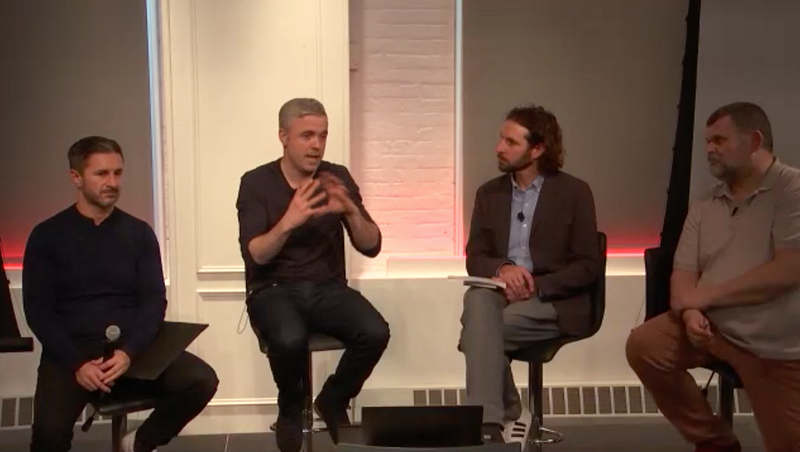
In February, Ogilvy New York presented the Design Deconstructed Program (DD): a series of events hosted inside Ogilvy Theater, where Executive and C-level & ExecutiveDesigners shared their points of view on what Design is today and above all, what its role is in modern business.

It was a constructive and forward-looking initiative for a historic agency like Ogilvy, with the aim of opening a useful and profound conversation with brands on how Design must be moved to a wider role not only in the products and services businesses, but also in terms of strategy, business, leadership, marketing, and more.

The first event (DD1) was kicked off by Paul McConnell, Head of Design of Intersection, a subsidiary of Sidewalk Labs (a company in the sphere of Alphabet), and focused on companies operating in the complex context of the transformation of cities into smart cities, where the use of technologies, data, new public transport models, and drones, is rapidly changing skylines and the expectations or needs of citizens.
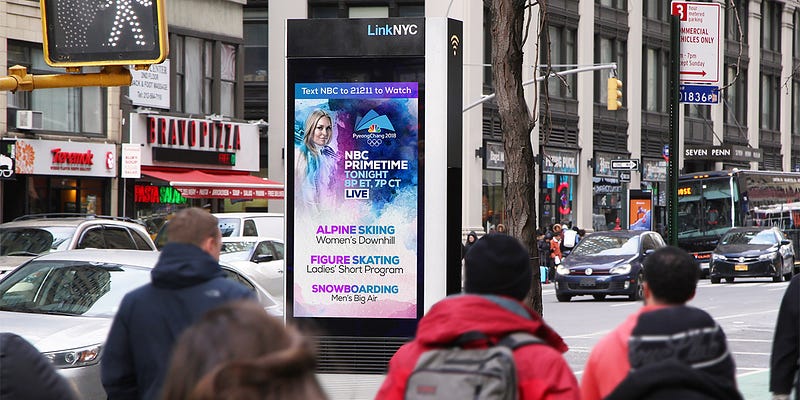
It was a journey through the present and imminent fascinating future, understanding how Design at Intersection has a strategic role in the solution of complex problems, business and relationships with customers. A future made possible by autonomous transport solutions, to Drone-ways, AI and much more.

The 5 Design Conclusion I want to mention are:

Design — to “unstick” complex project situations through design assumptions. “Let stakeholders talk with the final user/customer to help them build the confidence to make the next decision.”

Design — to frame a problem as a problem or a manifestation of other problems? “The future generation of designers will help people to reframe a problem, or manifestation of that problem and let them discover different solutions.”

Design — to be inclusive and resilient “What works for one person now might not work in the future or for someone else. Context impacts the solution we shape.”

Design — as a human not only a customer “Human centered, not only customer centered. Listen to the voice of every person or part of the system to help identify better opportunities and make every experience more inclusive.

Design — for many, not for a persona “We are in an age where we often shift from design for specific personas to design solutions for many.”
Design
Ogilvy
Thinking
Recommended from ReadMedium
