5 Countries Where It Is Literally Illegal To Naturally Die
What happens if one breaks the law?
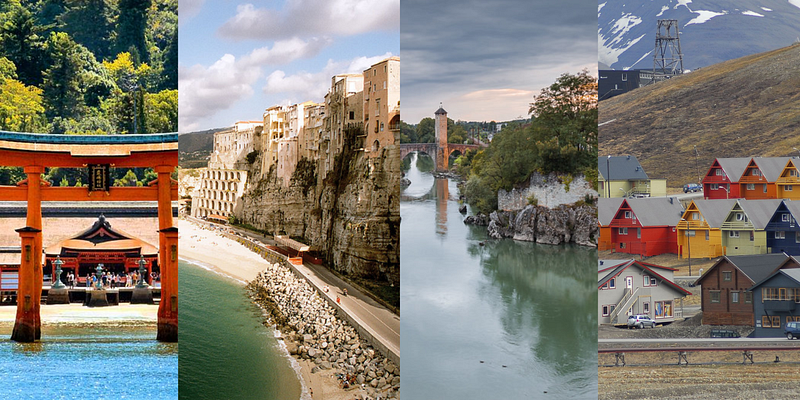
Who could have thought that being dead could be illegal? Yup, you read that right! Some places around the world it is simply against the law to die.
There are five places where dying is illegal, whether it be because of cold, lack of space, or religion. Let’s dive:
Itsukushima, Japan
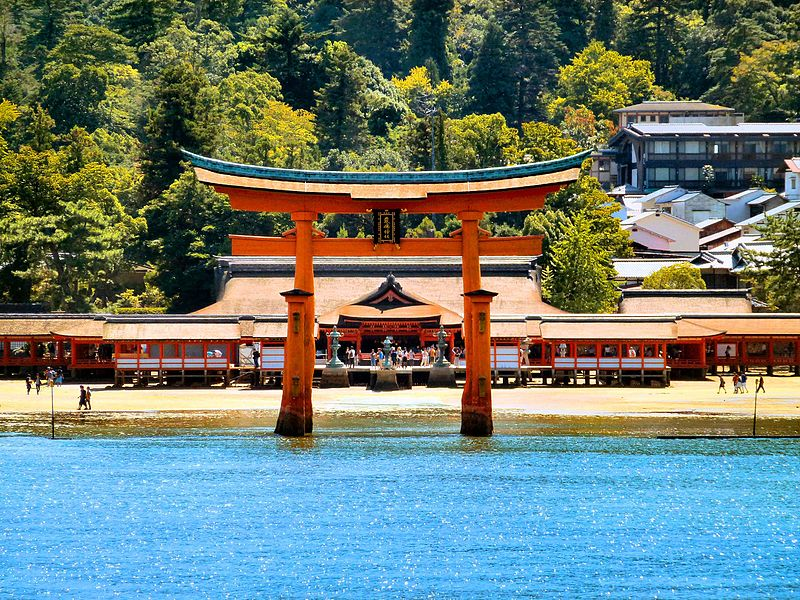
Itsukushima is an island out in the Hiroshima bay of Japan. In the 8th century, a sanctuary dedicated to the three Shinto divinities was built on this coast, making this a sacred place.
Access to the island has been forbidden for centuries, and no one is allowed to step foot on this divine island. This is why it was decided to build this sacred sanctuary suspended on the water and not directly on the land to allow the arrival of the pilgrims.
The entrance door of the complex has been built on the water for the same reason, and now about 1,800 people live on this sacred island.
Furthermore, to preserve the purity of the sanctuary, it is forbidden to bury the dead or give birth. It is also prohibited to die on the island.
Therefore, according to 1878 law, anyone who is ill or pregnant woman must leave the island until the illness is over or until the pregnant woman’s baby has been delivered.
Longyearbyen, Norway
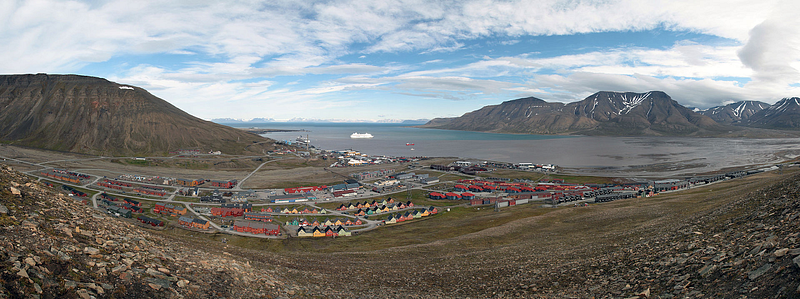
Longyearbyen is a small town in Norway. It is so far north that the sun doesn’t rise for four months in the winter, staying above the horizon for four months in the summer.
The place has an average winter temperature of minus 17 degrees celsius, and the soil of this town has the characteristics known as permafrost, which means permanently frozen.
With a natural underground chiller, everything that is buried here freezes and remains frozen; therefore, along with the buried bodies in the cemetery, so are the preserved viruses that killed them.
In this case, we are talking about the 11 people who died because of 1918 Spanish influenza.
Scientists still don’t know why that pandemic has been so deadly and unusually aggressive, killing more than 5 percent of the global population.
There may exist clues in those bodies that can prevent a future global epidemic, the reason scientists are studying the 11 victims.
But in the meantime, to prevent other viruses from being preserved along with the bodies, dying has been banned here since 1950.
In case you were wondering how people die nowadays, well, anyone nearing the death is often taken to the mainland and other parts of Norway where this law seize to exist.
Sellia, Italy
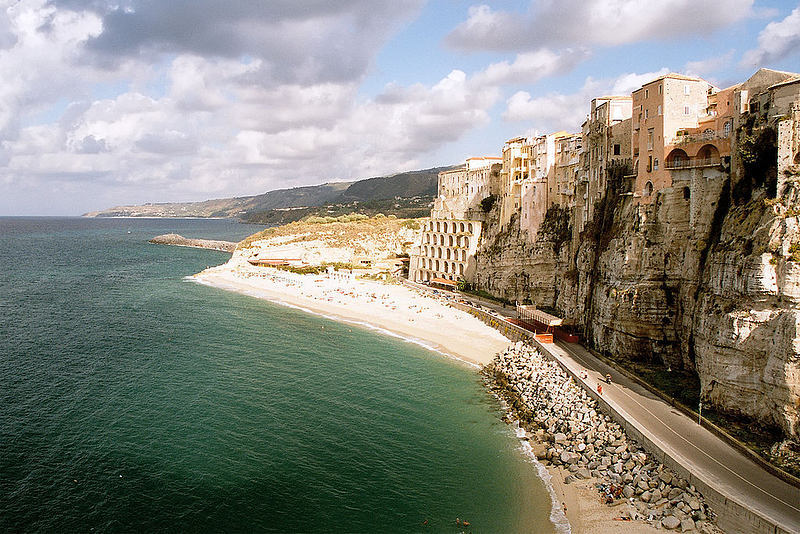
Sellia is a village located in the Calabria region of Southern Italy, with a population of just 560 residents, and 65 percent of this population is over the age of 65. I hope you get the picture here.
In this small medieval town in Southern Italy, in response to the demographic crisis, the mayor signed a resolution in 2015.
With it, he imposed periodic health checks, prohibited falling sick, and made dying forbidden. And those who did not abide by this law and didn’t undergo health check-ups regularly were fined and their taxes raised.
Sarpourenx, France
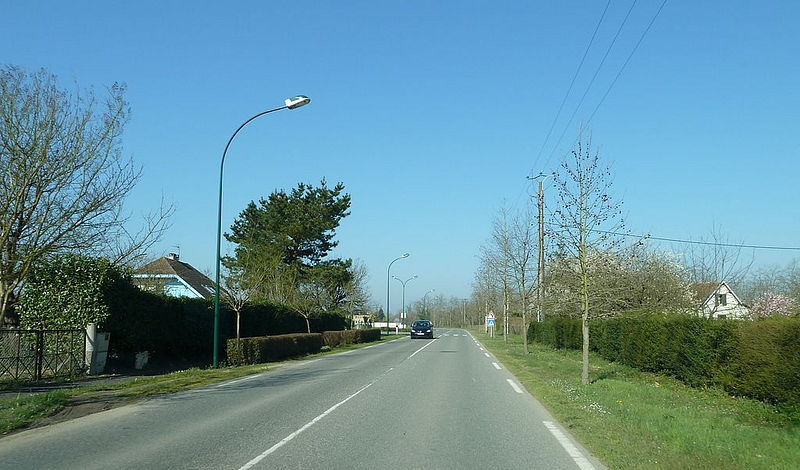
Sarpourenx is a town situated in the Southern region of France. The problem with this small town of Sarpourenx was its tiny cemetery.
To tackle this problem, in 2008, the mayor of Sarpourenx signed a decree in which he prohibited dying in his municipality.
The only way anyone could die here was if the individual had a spot booked in an already full cemetery.
However, the French court didn’t allow the mayor to expand the local cemetery, and they also ruled against this decree. This not only made the mayor angry but the people too, and somehow, the people of Sarpourenx were still with the mayor.
After many symbolic protests by the mayor and the people of Sarpourenx, there were still no results, and to date, dying in this tiny town is still forbidden.
Sarpourenx is not the only place in France with problems with its cemeteries. Le Lavandou is another one in France.
This commune is in the Provence region of France, famously known as the French Riviera, a place known for its beaches and unique landscape.
Still, this small community also faces the same problem with their cemetery, also passing the same law in in the year 2,000 that prohibited people from dying.
Other cities around the world facing the same problem and have banned people from dying are Spain, Greece and Italy.
Biritiba Mirim, Brazil
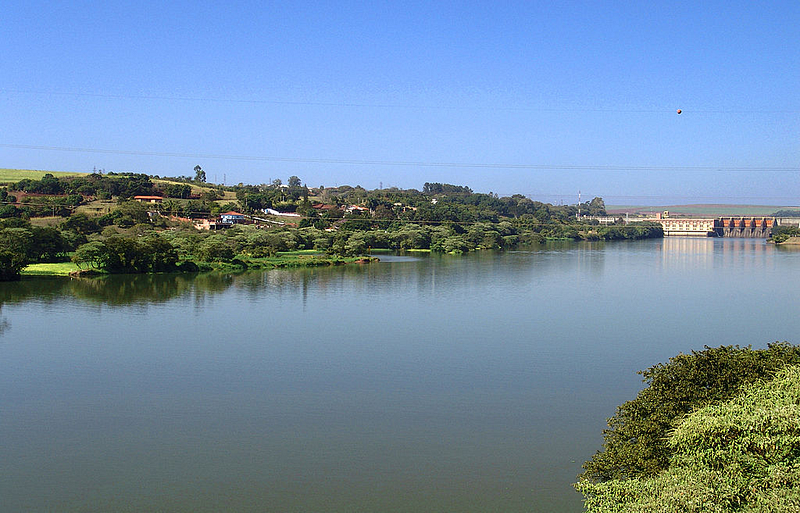
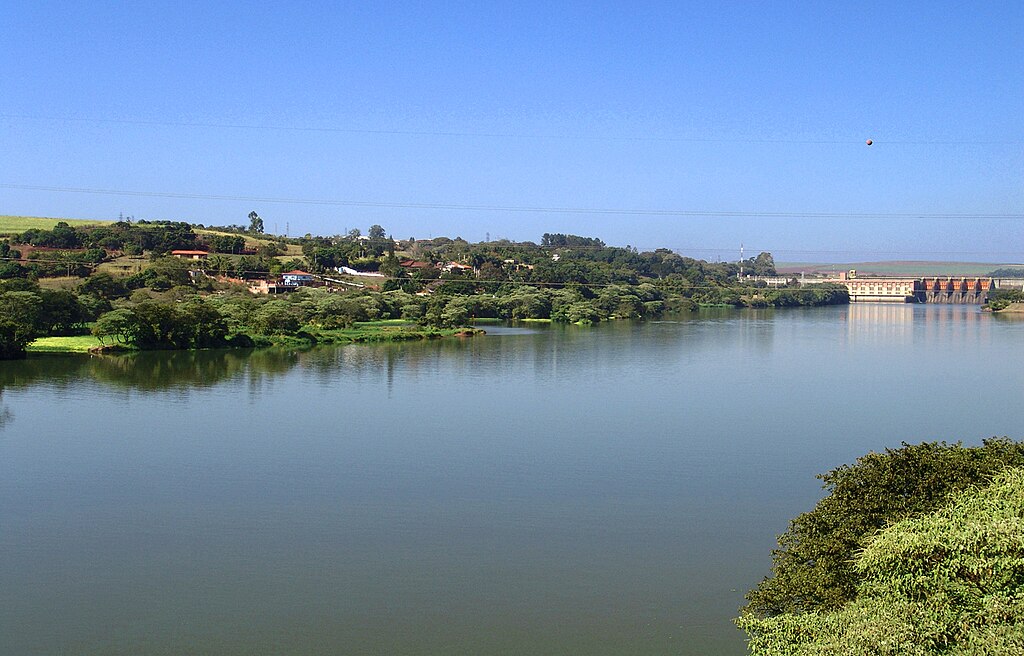
This one is a bit different but has the same cemetery problem. The city is Biritiba Mirim, located in the state of Sao Paulo, has a population of around 33,000 and a cemetery with a capacity of 50,000.
Still, when the mayor saw the cemetery was getting overcrowded with crypts, the mayor was forced to take this extreme, and in 2005 he made sure that the bill that prohibited dying was passed.
The law which was passed stated that anyone who passes away in Biritiba Mirim, the relatives of the deceased, will be the one who will pay the fine or even be sentenced to jail time.
Final Words
The laws that ban people from dying in their cities are often made with a heavy heart.
Some serious reasons exist forcing the authorities to take such extreme measures — so, the potential problems can be resolved with timely planning.
Hopefully, the problems with these cities, towns and villages soon get resolved, so the residents will have the freedom to die — at least.
More from the author: