avatarHailey

Free AI web copilot to create summaries, insights and extended knowledge, download it at here

3525

Abstract

"fe09">While she may have been considered above average for her family, contemporary reports suggest that her beauty wasn’t anything out of the ordinary.</p><p id="d92f">In fact, some historians have described her as “majestic” or even “butch and hook-nosed” based on the images on her coins.</p><p id="e00b">So, what would Cleopatra have scored on an ancient version of “Hot or Not”? Probably a solid 6, maybe a seven if she’d had a few too many jugs of strong Roman wine.</p><p id="462c">It’s certainly true that Cleopatra had a certain allure that captivated men like Julius Caesar and Mark Antony.</p><p id="22cf">However, one thing which seems a bit too exaggerated is the fact that Mark Antony was willing to go against Rome for her love.</p><p id="94f3">With all that said, it is important to remember that there was much more to her than meets the eye — she was a trained politician, and at a time, she was the sole ruler of Egypt.</p><p id="9972">Whether or not Cleopatra was a knockout, she certainly made an impact on history that goes far beyond her appearance.</p><h1 id="2192">3. Fat Or Thin Buddha</h1><figure id="3839"><img src="https://cdn-images-1.readmedium.com/v2/resize:fit:800/1*1QmfGJ7HMXZrMYaYFVFEvQ.png"><figcaption>Image Source — <a href="https://www.flickr.com/photos/dbooster/5397136286">Flickr</a></figcaption></figure><p id="3359">Most of us have seen a happy, plump statue gazing at us in a Chinese restaurant.</p><p id="a073">That is not the Buddha, but rather a happy monk named Budai, who is a symbol of happiness and abundance in China. It’s common to confuse Budai and Buddha, even if they’re not the same person.</p><p id="fc7b">The real name of Buddha, the founder of Buddhism, is Siddartha Gautama — and many claims that he didn’t live an impoverished life</p><p id="c007">Rather, he enjoyed both a time full of riches and a time when there was nothing to eat for days.</p><p id="c70a">Buddha drew lessons from his experiences and taught us the concept of the “Middle Way,” or finding an appropriate balance between two extremes.</p><p id="263e">While statues of a thin Buddha are popular in Asia, the real Buddha is unlikely to want them to — represent him.</p><p id="78af">So, next time you see a plump statue at a Chinese restaurant, remember that it’s not the Buddha but a different happy monk.</p><p id="289e">And if you’re looking for a more accurate representation of the historical Buddha, someone like Will Ferrell might be closer to the mark than a thin or chubby statue.</p><h1 id="d982">4. Braveheart — William Wallace An Armored Knight</h1><figure id="edcf"><img src="https://cdn-images-1.readmedium.com/v2/resize:fit:800/0*UEDSBIW4wuPG-6X-.jpg"><figcaption>Image Source — <a href="https://upload.wikimedia.org/wikipedia/commons/2/26/Wallace_Monument_20080505_Stained_glass_William_Wallace.jpg">Wiki</a></figcaption></figure><p id="2e57">William Wallace — the Scottish national hero who has captured our imaginations for centuries.</p><p id="4dfa">However, as we all know, Hollywood often takes liberties with historical accuracy.</p><p id="d0aa">So, what did the real William Wallace look like?</p><p id="4ab3">You know, the one where Mel Gibson plays an overly passionate blue-faced highlander who runs around half-naked with a thirst for revenge.</p><p id="155c">Now one thing we all know is the fact that Hollywood has a tendency to take things a bit further.</p><p id="593d">Contrary to what the movie portrays, Wallace wasn’t just an ordinary farmer in a kilt covered

Options

in filth.</p><p id="6c9d">He was actually a knight from a well-to-do family and wore expensive armor. Another thing worth noting is the fact that kilt didn’t even exist until 400 years after Wallace’s death.</p><p id="8192">Instead, his battle attire would have included gauntlets, a helmet, and custom-made plate armor.</p><p id="66be">And, as the appointed “Guardian of Scotland,” the Scottish head of state, you can be sure he would have been looking sharp and clean-cut.</p><p id="0595">The Wallace, a poem written by Blind Harry over 170 years after Wallace’s death, is where most of Braveheart’s take on Wallace actually comes from.</p><p id="e6dd">But, as we all know, poetry can be romanticized and made up.</p><p id="076e">In reality, Wallace was known for being an impulsive and hot-headed knight, with a wild look and a giant beard.</p><p id="731d">Not quite the clean-shaven and level-headed hero we saw on the big screen.</p><h1 id="320a">Final Words</h1><p id="d1a2">Finding out how much our mental representations of historical figures can vary from their actual appearance is fascinating.</p><p id="144d">Living in a world where science and technology are super advanced we can understand these figures from our past and even better know how they really looked.</p><p id="f990">Finally, by portraying historical figures more accurately, we may better understand their humanity and the nuanced legacy they left behind.</p><p id="15d9">More from the author:</p><div id="6209" class="link-block"> <a href="https://readmedium.com/5-hidden-horrors-of-columbus-who-brutally-butchered-humanity-503a26656773"> <div> <div> <h2>5 Hidden Horrors of Columbus Who Brutally Butchered Humanity</h2> <div><h3>He was a monster & history books don’t want you to know it.</h3></div> <div><p>medium.com</p></div> </div> <div> <div style="background-image: url(https://miro.readmedium.com/v2/resize:fit:320/1*HwRr1hLmNY9QPIiiX3ki_Q.png)"></div> </div> </div> </a> </div><div id="a542" class="link-block"> <a href="https://readmedium.com/15-unseen-images-from-the-holocaust-era-that-will-leave-you-in-tears-d65e3d0c56ea"> <div> <div> <h2>15 Unseen Images from the Holocaust Era That Will Leave You in Tears</h2> <div><h3>Heart-wrenching photos & their moving stories you never knew.</h3></div> <div><p>medium.com</p></div> </div> <div> <div style="background-image: url(https://miro.readmedium.com/v2/resize:fit:320/1*qW7zhpA9l0yL-wpg4IZZ6A.png)"></div> </div> </div> </a> </div><div id="e1bd" class="link-block"> <a href="https://readmedium.com/14-strange-photographs-from-victorian-era-that-will-make-you-question-reality-4e1bcc9be323"> <div> <div> <h2>14 Strange Photographs From Victorian Era That Will Make You Question Reality</h2> <div><h3>Bizarre images that will leave you perplexed.</h3></div> <div><p>medium.com</p></div> </div> <div> <div style="background-image: url(https://miro.readmedium.com/v2/resize:fit:320/1*i3O6gKwlUItLlf5ZbjVrdw.png)"></div> </div> </div> </a> </div></article></body>

4 Shocking Historical Figures You Have Got Completely Wrong

Picture of history you thought you knew.
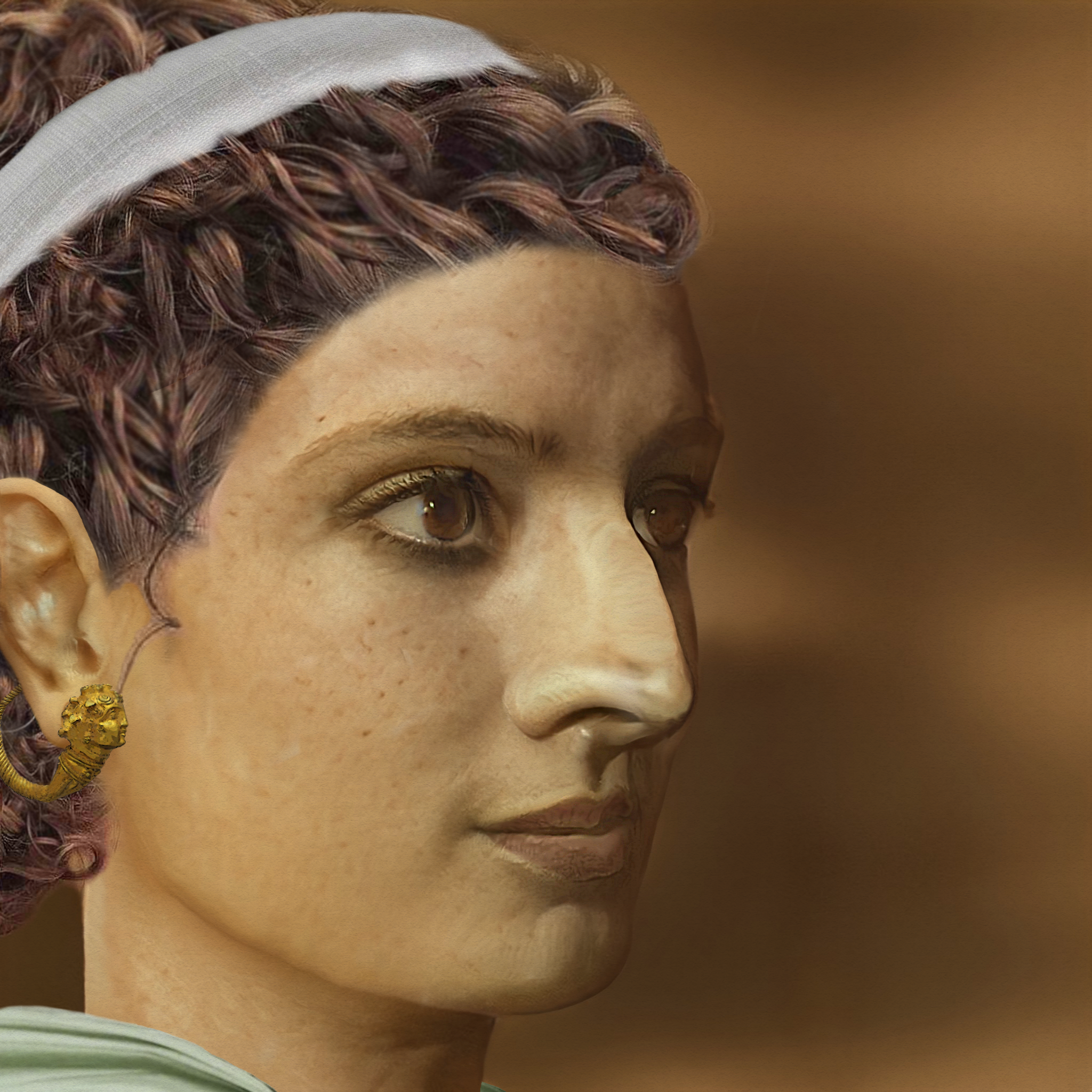
Source: Image by author

For millennia, people have been attracted by the true appearances of famous historical personalities.

People have long been intrigued about what renowned persons looked like, from ancient kings to well known artists and warriors from modern history.

However, because many of these people lived before the invention of photography — this is why their exact physical appearance has been cloaked in mystery and debate.

Recent technological and scientific developments and plain old research from renowned researchers have cast new light on this issue, exposing shocking realities regarding the true appearances of some of history’s most significant characters.

In the article below, we will try to dig a little deeper into history and try to find out more about these historical figures and their genuine looks.

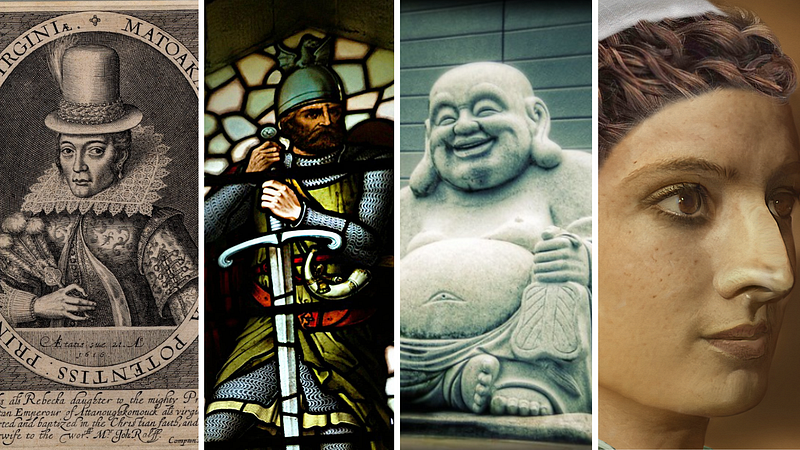
1. The Misunderstood Pocahontas
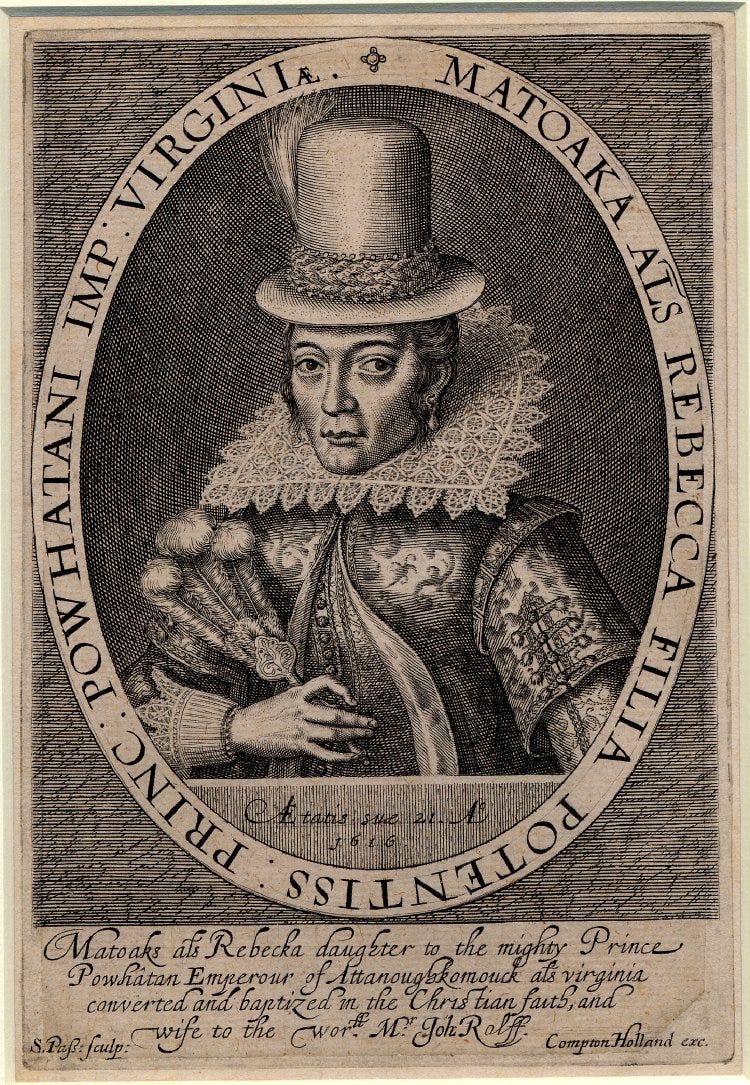
Image Source — Wiki

Pocahontas is perhaps one of the most misunderstood figures out there — and we have Disney to thank somewhere for this.

So, Pocahontas was actually born in 1596 with the name Ammonite, but she also went by the name Matoaka.

“Pocahontas” was nothing more than just a nickname that was given to her. When the European settlers arrived to colonize Powhatan land, Pocahontas didn’t just ditch her family to join the European crusade.

She did, however, occasionally bring food to the settlers to help ease tensions between the two groups.

The misfortune which befell Pocahontas was that she was later imprisoned by the very people she left her family for — another thing she was forced to do was — convert her faith to Christianity.

Despite what the movies might lead you to believe, Pocahontas did not marry John Smith.

Nope, she actually tied the knot with a tobacco farmer named John Rolfe.

Before passing away in 1617 due to an illness, however, there should be no doubt in believing that Pocahontas played a pivotal role in trying to make peace between her people and the Europeans — and that is the real Pocahontas for you.

2. Symbol Of Sex And Beauty Cleopatra
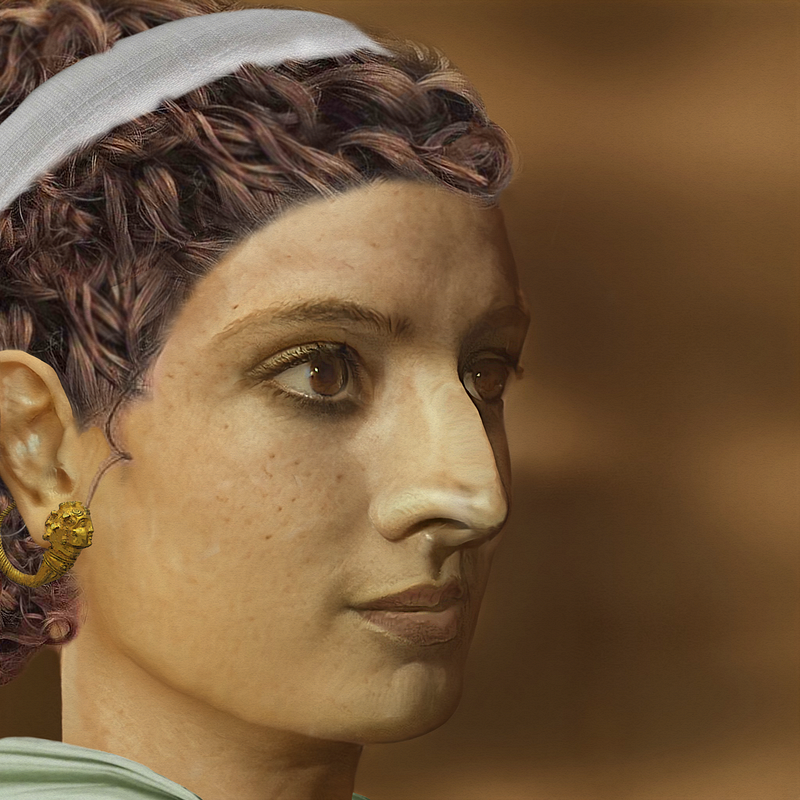
Image Source — World History

The age-old question of Cleopetra’s beauty. It seems that even after two millennia, people still can’t get enough of talking about it.

Cleopatra, perhaps the sexiest ruler of all time — a lady often referred to as the most gorgeous woman to have ever lived. So is that really the case?

Cleopatra came from a long line of inbred rulers, which wasn’t exactly a recipe for genetic perfection.

While she may have been considered above average for her family, contemporary reports suggest that her beauty wasn’t anything out of the ordinary.

In fact, some historians have described her as “majestic” or even “butch and hook-nosed” based on the images on her coins.

So, what would Cleopatra have scored on an ancient version of “Hot or Not”? Probably a solid 6, maybe a seven if she’d had a few too many jugs of strong Roman wine.

It’s certainly true that Cleopatra had a certain allure that captivated men like Julius Caesar and Mark Antony.

However, one thing which seems a bit too exaggerated is the fact that Mark Antony was willing to go against Rome for her love.

With all that said, it is important to remember that there was much more to her than meets the eye — she was a trained politician, and at a time, she was the sole ruler of Egypt.

Whether or not Cleopatra was a knockout, she certainly made an impact on history that goes far beyond her appearance.

3. Fat Or Thin Buddha
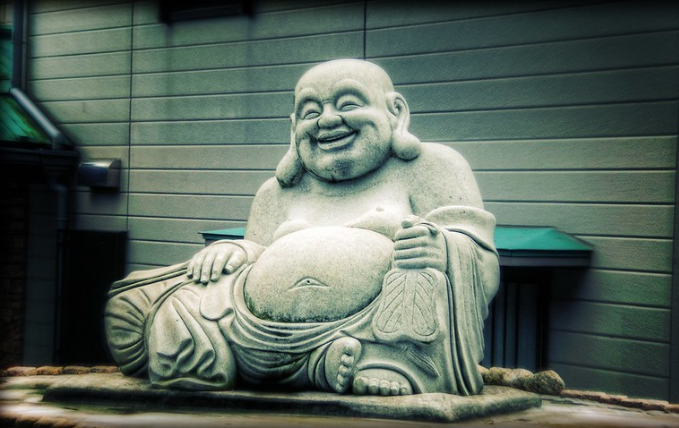
Image Source — Flickr

Most of us have seen a happy, plump statue gazing at us in a Chinese restaurant.

That is not the Buddha, but rather a happy monk named Budai, who is a symbol of happiness and abundance in China. It’s common to confuse Budai and Buddha, even if they’re not the same person.

The real name of Buddha, the founder of Buddhism, is Siddartha Gautama — and many claims that he didn’t live an impoverished life

Rather, he enjoyed both a time full of riches and a time when there was nothing to eat for days.

Buddha drew lessons from his experiences and taught us the concept of the “Middle Way,” or finding an appropriate balance between two extremes.

While statues of a thin Buddha are popular in Asia, the real Buddha is unlikely to want them to — represent him.

So, next time you see a plump statue at a Chinese restaurant, remember that it’s not the Buddha but a different happy monk.

And if you’re looking for a more accurate representation of the historical Buddha, someone like Will Ferrell might be closer to the mark than a thin or chubby statue.

4. Braveheart — William Wallace An Armored Knight
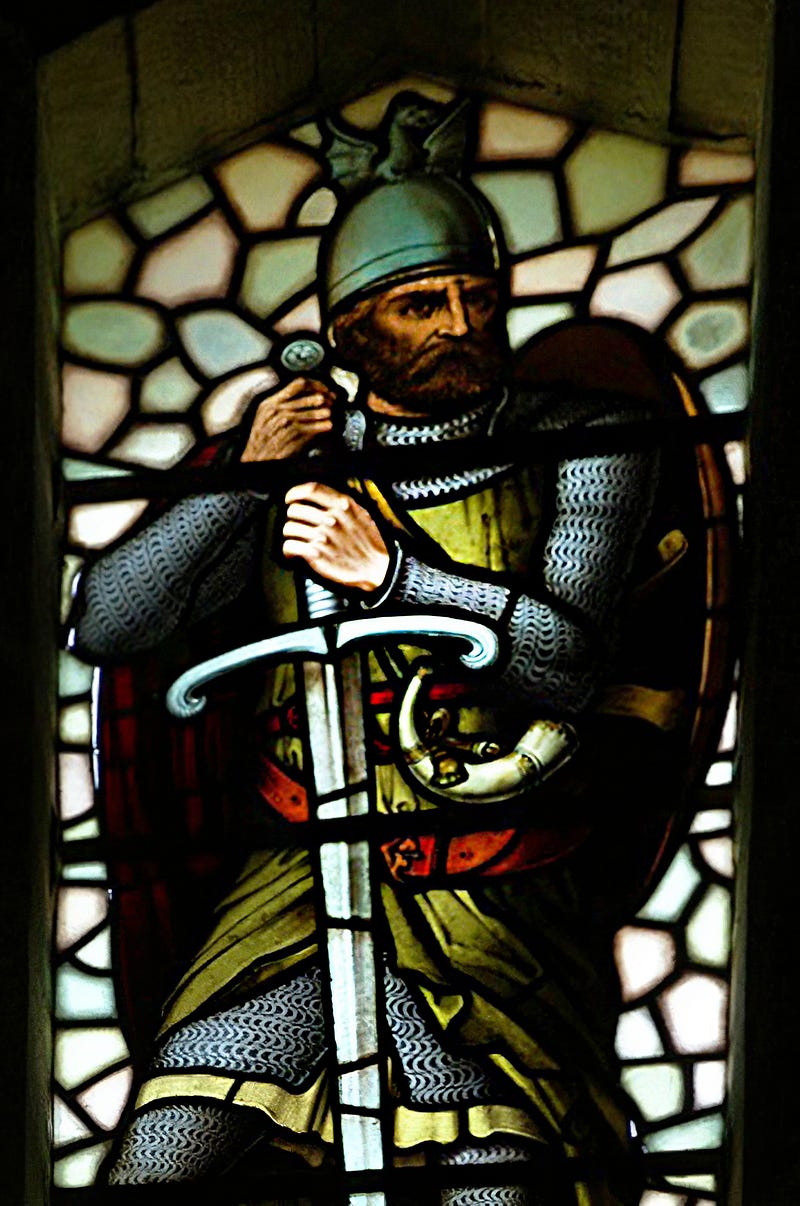
Image Source — Wiki

William Wallace — the Scottish national hero who has captured our imaginations for centuries.

However, as we all know, Hollywood often takes liberties with historical accuracy.

So, what did the real William Wallace look like?

You know, the one where Mel Gibson plays an overly passionate blue-faced highlander who runs around half-naked with a thirst for revenge.

Now one thing we all know is the fact that Hollywood has a tendency to take things a bit further.

Contrary to what the movie portrays, Wallace wasn’t just an ordinary farmer in a kilt covered in filth.

He was actually a knight from a well-to-do family and wore expensive armor. Another thing worth noting is the fact that kilt didn’t even exist until 400 years after Wallace’s death.

Instead, his battle attire would have included gauntlets, a helmet, and custom-made plate armor.

And, as the appointed “Guardian of Scotland,” the Scottish head of state, you can be sure he would have been looking sharp and clean-cut.

The Wallace, a poem written by Blind Harry over 170 years after Wallace’s death, is where most of Braveheart’s take on Wallace actually comes from.

But, as we all know, poetry can be romanticized and made up.

In reality, Wallace was known for being an impulsive and hot-headed knight, with a wild look and a giant beard.

Not quite the clean-shaven and level-headed hero we saw on the big screen.

Final Words

Finding out how much our mental representations of historical figures can vary from their actual appearance is fascinating.

Living in a world where science and technology are super advanced we can understand these figures from our past and even better know how they really looked.

Finally, by portraying historical figures more accurately, we may better understand their humanity and the nuanced legacy they left behind.

More from the author:

History
Culture
Photography
Politics
Education
Recommended from ReadMedium