
15 Unseen Images from the Holocaust Era That Will Leave You in Tears
Heart-wrenching photos & their moving stories you never knew.
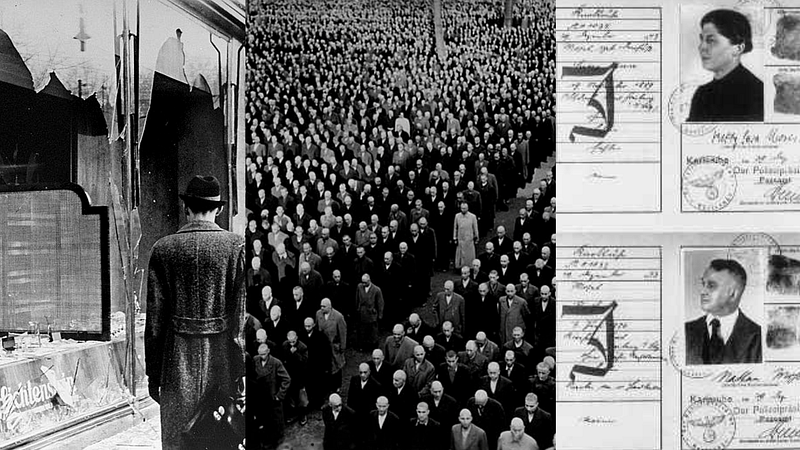
It all began with a slight whisper, a call to arms against anyone who was from a different faith or looked different.
“Don’t buy from them” was the call and it didn’t take long after that — for the Jews to be blamed for everything wrong with the country and every loss the country had faced.
A decade of struggle had led to a resentful rise in power, and in the winter of ’93, the mission to exterminate European Jews was launched.
The Jews of Germany were a mere one percent, but to Hitler and his followers, that was one percent too many.
They were even blamed for losing the First World War — despite all their sacrifices during it.
Laws and decrees came crashing down, stripping them of their rights, their freedoms, and their very identity.
They were no longer Germans who were Jewish, but instead, they were simply “the enemy.”
Their children were ripped from schools, their service to their country was no longer allowed, and even something as simple as sharing a bench in a park was forbidden. Their citizenship was revoked, and their futures were plunged into darkness.
The winds of hatred blew fiercely, and the flames of fear spread like wildfire.
The Jews of Germany were trapped, caught in a storm that would soon engulf them all.
They were left with nothing but shattered dreams, broken hearts, and a future filled with unspeakable horrors.
The concentration camps loomed in the distance, a monstrous creation of evil and despair.
The gas chambers awaited them, a cruel and final act of genocide. There was no way for the German Jews to flee the terror that awaited them.
Their story is a tragedy beyond measure, a tale of innocence lost, and lives destroyed. May we never forget the price they paid, and may we always honor their memory.
1. From Boycott To Deportations
The mere thought of the Jewish people’s journey through history is enough to evoke profound emotions.
Their suffering began with forced deportation to extermination camps and a pervasive boycott of their communities.
However, the true horrors of the Holocaust began when the Nazi party started a systematic implementation of policies that led to the death of millions — and the only reason for this deep-rooted tree to grow so much was that it was watered by Jewish dehumanization.
Following the boycott, Jewish communities were ruthlessly subjected to a multitude of laws that dehumanized them and deprived them of their fundamental rights.
Their homes were inhumanly seized, and they were forced into ghettos, where they were subjected to unimaginable acts of barbarity — and were forced to live without even the most basic necessities, such as food, water, and medical care.
However, ghettos were nothing when compared to what was to come — the suffering and nightmares of ghettos were overshadowed by the concentration camps.
This unspeakable fate was worse than death itself — living through these times was heartbreaking and depressing because the level of killing was unfathomable by anyone.
The concentration camps embodied the very essence of human malice, an unspeakable manifestation of cruelty beyond imagination.
The Jewish people were subjected to unimaginable pain and suffering at the hands of their oppressors, including gas chambers, starvation, torture, and death camps, with each passing day bringing more unspeakable horrors.
All this happened to someone — only if he/she managed to survive the journey to ghettos or concentration camps.
Because most of these deported people were killed while on their way to these parts of hell itself.
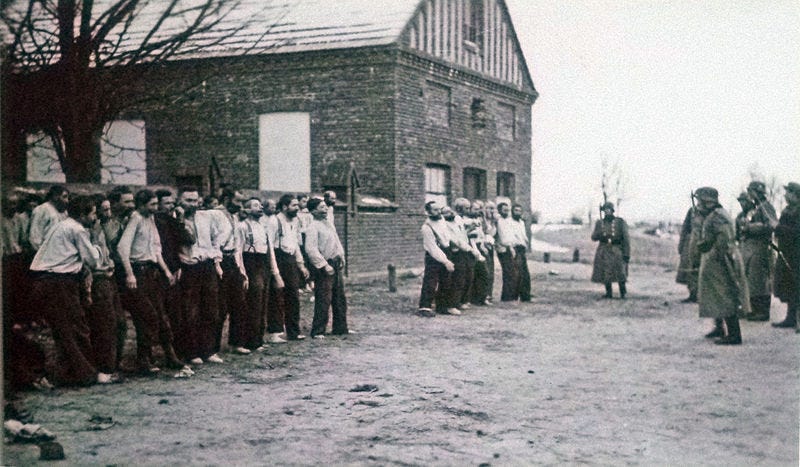
2. Nazi Police arresting and humiliating Polish Jews before sending them to the nearest Ghetto.
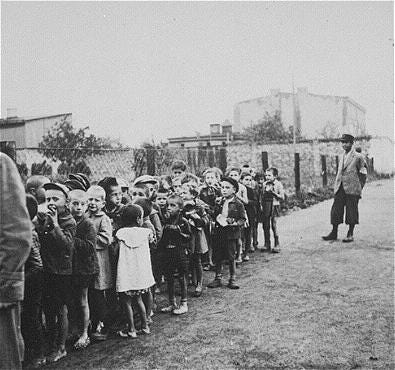
3. Children being rounded up in a Ghetto and sent to the concentration camp to be gassed.
4. The Heartbreaking Night Of Broken GlassS
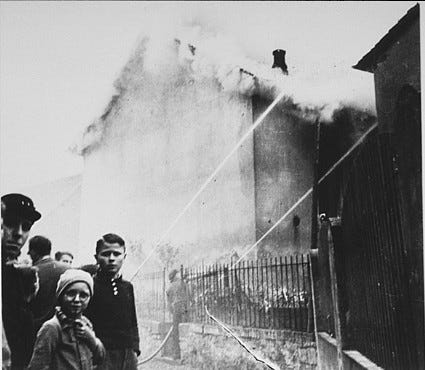
Kristallnacht or The Night of Broken Glass as we commonly know it — is another heart-breaking event which took place during the Holocaust.
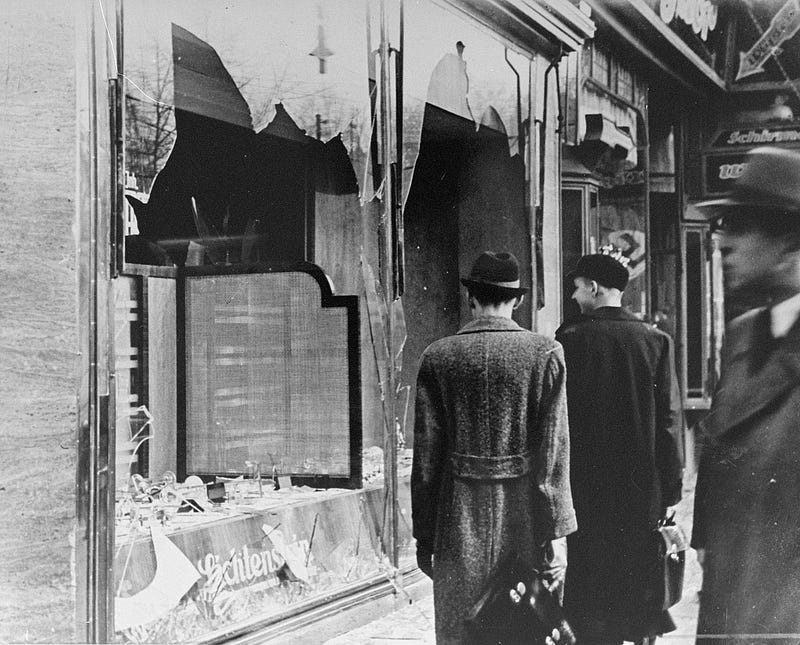
The sound of shattering glass wood shattering echoed throughout the streets as the Nazis smashed windows of Jewish properties — leaving behind nothing but ruins and dross.
The air was thick with foul-smelling smoke from all the burning buildings, the night sky was filled with the cries of all those whose loved ones were being taken away, and.
The Jewish community was rendered helpless and severely traumatized by the Nazis’ campaign of terror and horror.
These two days were some of the heaviest weighing for the Jews — more than 250 Synagogues were raised to dust, along with Jew-owned homes, businesses, and schools.
Every Jew was hunted — and once found, he/she was killed or beaten up and sent to concentration camps.
The loss which Jewish people suffered during these two days was overwhelming and left them devastated.
The attacks, which occurred in November 1938, targeted Jews and other minorities’ very existence as well as their property.
People were left to pick up the pieces of their shattered lives and rebuild them from the ashes after “The Night of Broken Glass.”
The memories of those terrible times would linger in the minds of the survivors and their descendants for many years.
5. Germans pass by the broken shop window of a Jewish-owned business that was destroyed during Kristallnacht.
6. Massive Extermination Campaign Against Jews
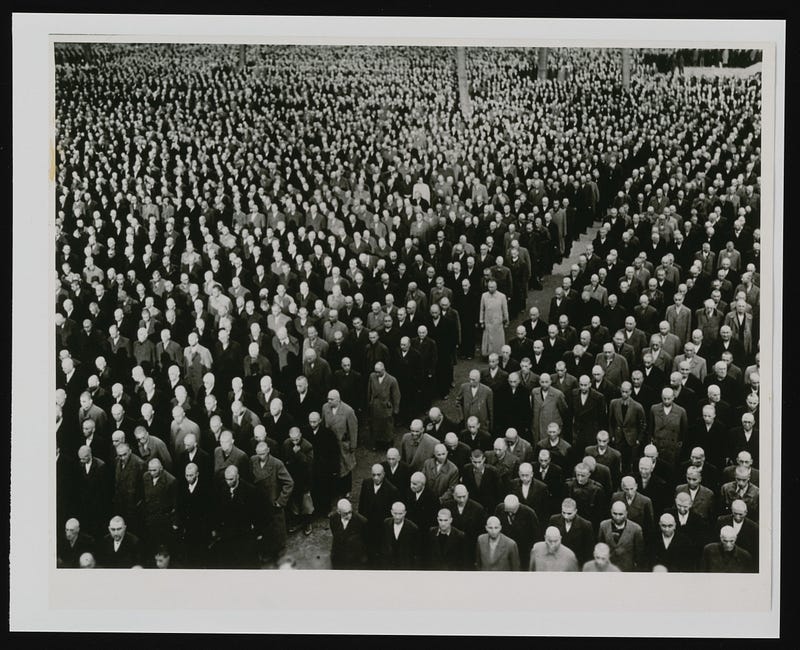
Newly arrived prisoners, with shaven-heads, stand at attention in their civilian clothes during a roll call in the Buchenwald concentration camp.
The darkest time during the Holocaust was certainly the time when the atrocious regime implemented its heinous plan to ethnically cleanse the country from Jewish people.
To support this atrocious cause, the regime put into effect some unfathomable laws.
Under the guise of these laws, the regime carried out the mass killing of Jews.
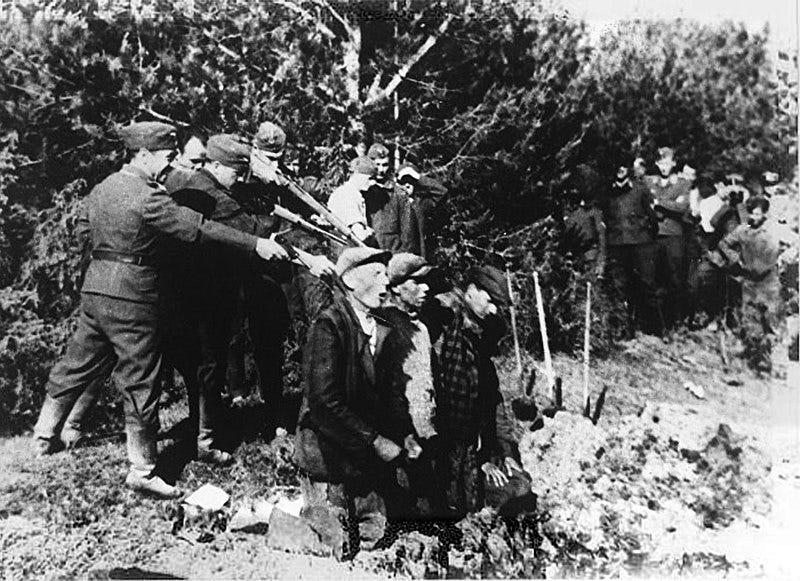
In the initial stages, the regime resorted to shooting Jews as a means of extermination.
However, this procedure was both time-consuming and expensive, which prompted the regime to look for a quicker and more cost-effective way to carry out their nefarious plan.
The regime’s decision to use Zyklon B gas in the notorious gas chambers of Germany was made during this search.
The genocide of the Jews changed course as a result of this choice.
Zyklon B gas could kill a lot of people more quickly, more effectively, and with far less mess than other methods of mass murder.
The gas chambers came to represent the terrible atrocities the fascist regime committed against the Jewish people.
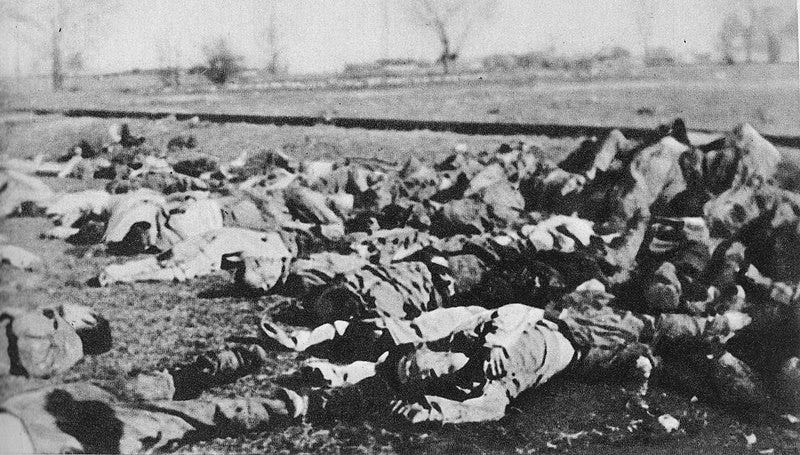
7. Mass murder by Einsatzkommando was common during the days of Holocaust.
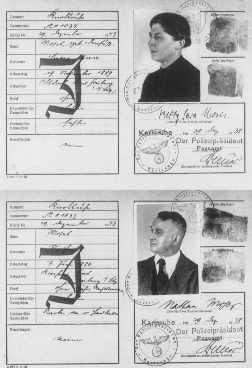
8. Passports issued to a German Jewish Couple — Passports issued to a German Jewish couple, with “J” for Jude (the German word for Jew) stamped on the cards.
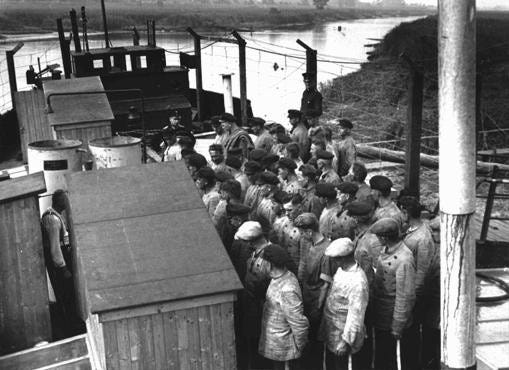
9. Rare Photo of a Ship From The Holocaust Era
An early concentration camp — Many of the early concentration camps were improvised.
Here, roll call is held for political prisoners aboard a ship used as a floating concentration camp.
10. GERMANS GUARD SOVIET PRISONERS OF WAR
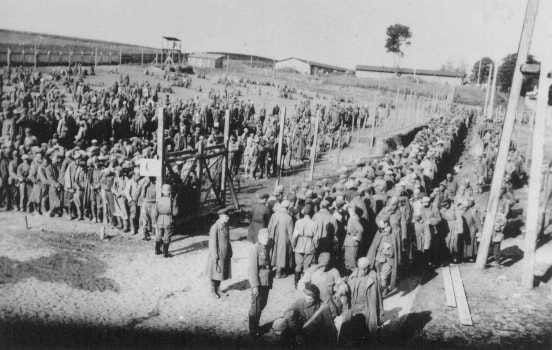
Germans guard prisoners in the Rovno camp for Soviet prisoners of war.
Rovno, Poland, after June 22, 1941 — Second only to the Jews, Soviet prisoners of war were the largest group of victims of Nazi racial policy.
11. MEDICAL EXPERIMENT AT DACHAU
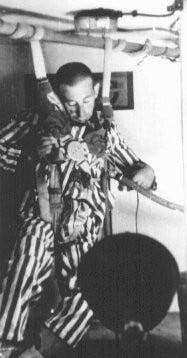
A prisoner in a compression chamber loses consciousness before dying during a medical experiment simulating high altitudes.
12. German civilians are forced to view bodies of victims of a death march.
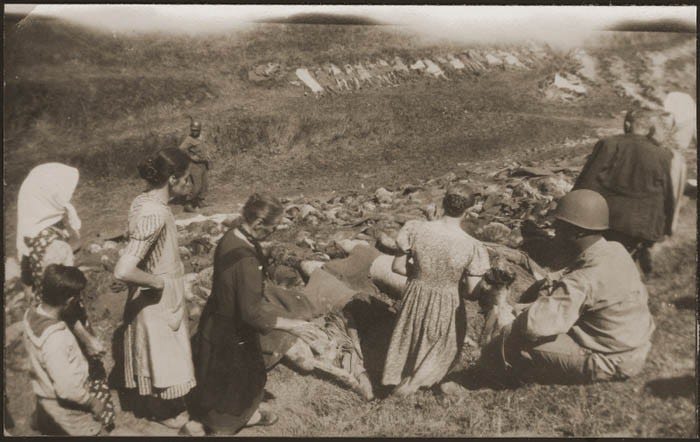
13. Mass Killing
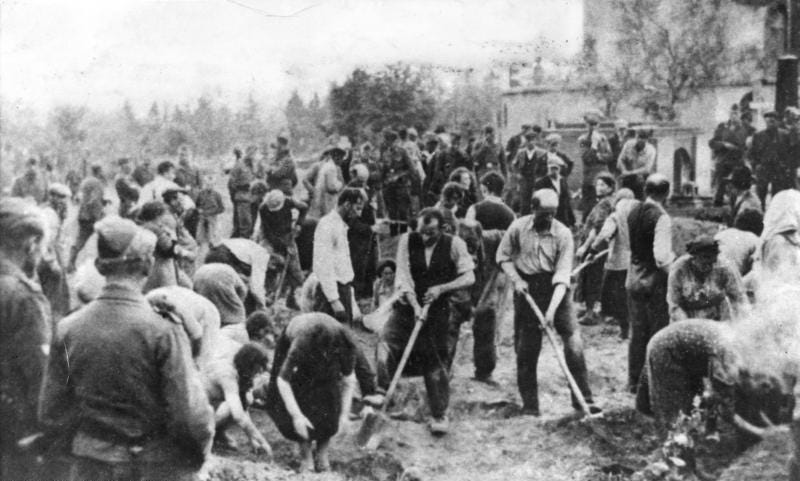
So much killing took place during such a short time that Nazis didn’t have the means to dig enough graves so they forced the victims to dig their own graves.
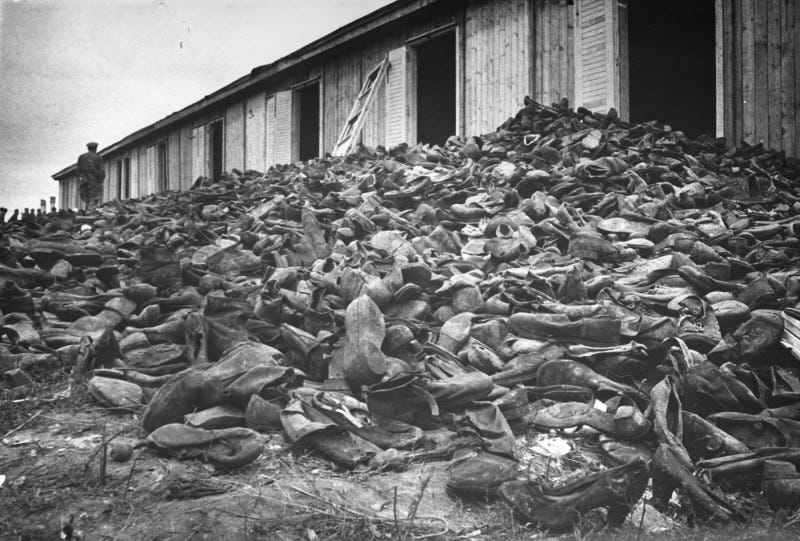
14. VICTIMS’ SHOES AT MAJDANEK
A Soviet soldier walks through a mound of victims’ shoes piled outside a warehouse in Majdanek soon after the liberation.
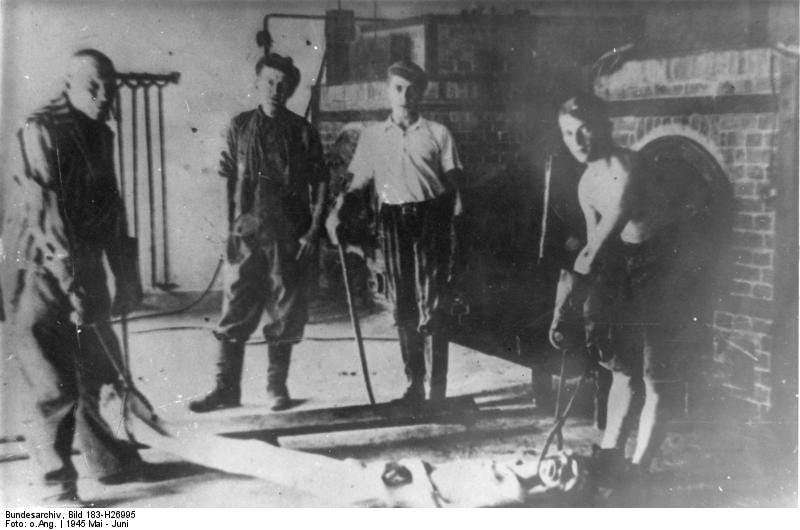
15. When Graves wasn’t feasible Nazis opted for incineration.
A Hard Conclusion
The Holocaust is undoubtedly one of the most horrific chapters in modern history — the unfathomable killing which took place during this time cannot be described in some words.
More than six million Jews were killed by the atrocious Nazi regime, along with millions of others from different faiths or, basically, anyone deemed undesirable by the Nazis.
It is impossible to overstate the magnitude of this atrocity’s effects on families, communities, and humanity at large.
The Holocaust’s atrocities have permanently scarred humankind.
It is a call to action to never forget the crimes that were committed, as well as a reminder of the dangers of discrimination, prejudice, and xenophobia.
It is crucial to remember the lives lost, the families that were split apart, and the countless towns that were devastated as the globe looks back on this awful time.
However, the fact that we haven’t learned much from the Holocaust is nothing less than a shame for us — because still, humanity is suffering basically the same atrocities, more or less.
The most recent example of it is the Rohingya Muslims.
Even though the Holocaust was the worst tragedy ever, it still taught humanity a lot.
One lesson it unquestionably imparted was the importance of peace — which is still lacking in the world today.
More from the author:


