4 Monstrous Rarely Seen Cars of Hitler With Controversial Past
Hitler’s cars: a disturbing window into the mind of a tyrant.
Adolf Hitler is undoubtedly one of the most controversial and infamous figures in history.
He was a man with many obsessions, and one of his most enduring was a love of automobiles.
This can be seen by the sizable car collection which he amassed throughout his life.
Hitler’s early years were spent as a street artist in the Italian city of Venice. The rise to power, however, was so incredible that it is impossible to compare it to his early difficult days.
When Hitlers was financially strong enough to afford luxuries, one thing which he took very seriously was his cars. These cars were an important part of his image and public persona.
He owned a large collection of cars — large because, in those days, it was impossible to even afford one car even for the rich, and for Hitler, he owned a collection that was full of luxury sedans and obviously some crazy military vehicles.
For him, cars were not only a means of transportation, but it was a symbol of power, wealth, and influence.
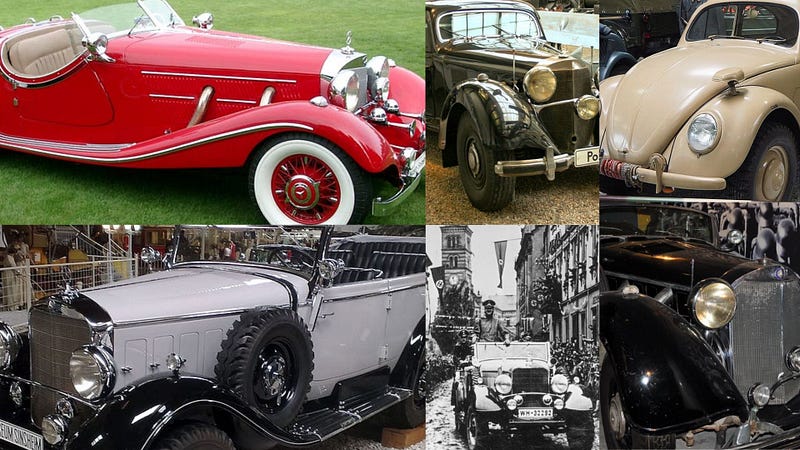
Below we will try to look into some of Hitler’s most notable cars in his collections and their significance.
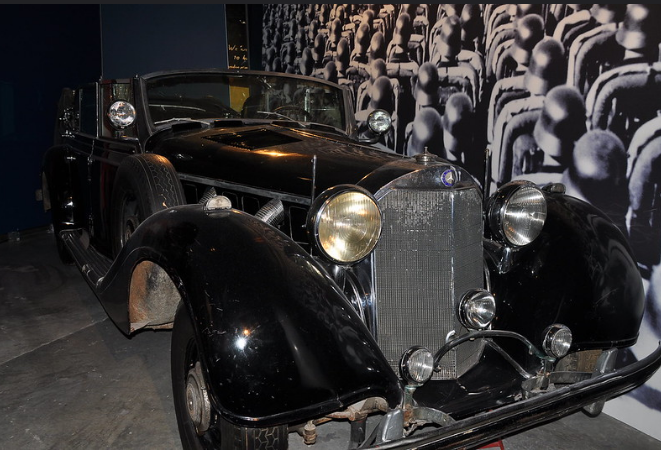
1. Mercedes-Benz 770K
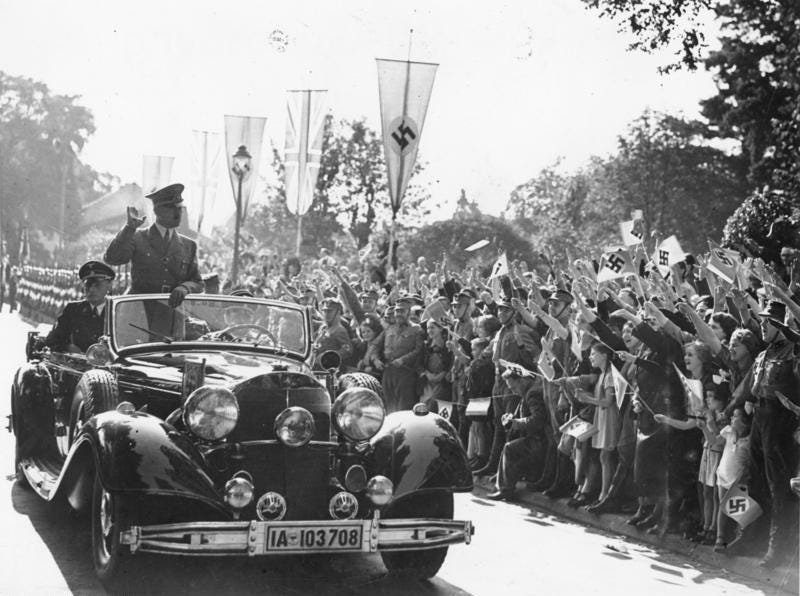
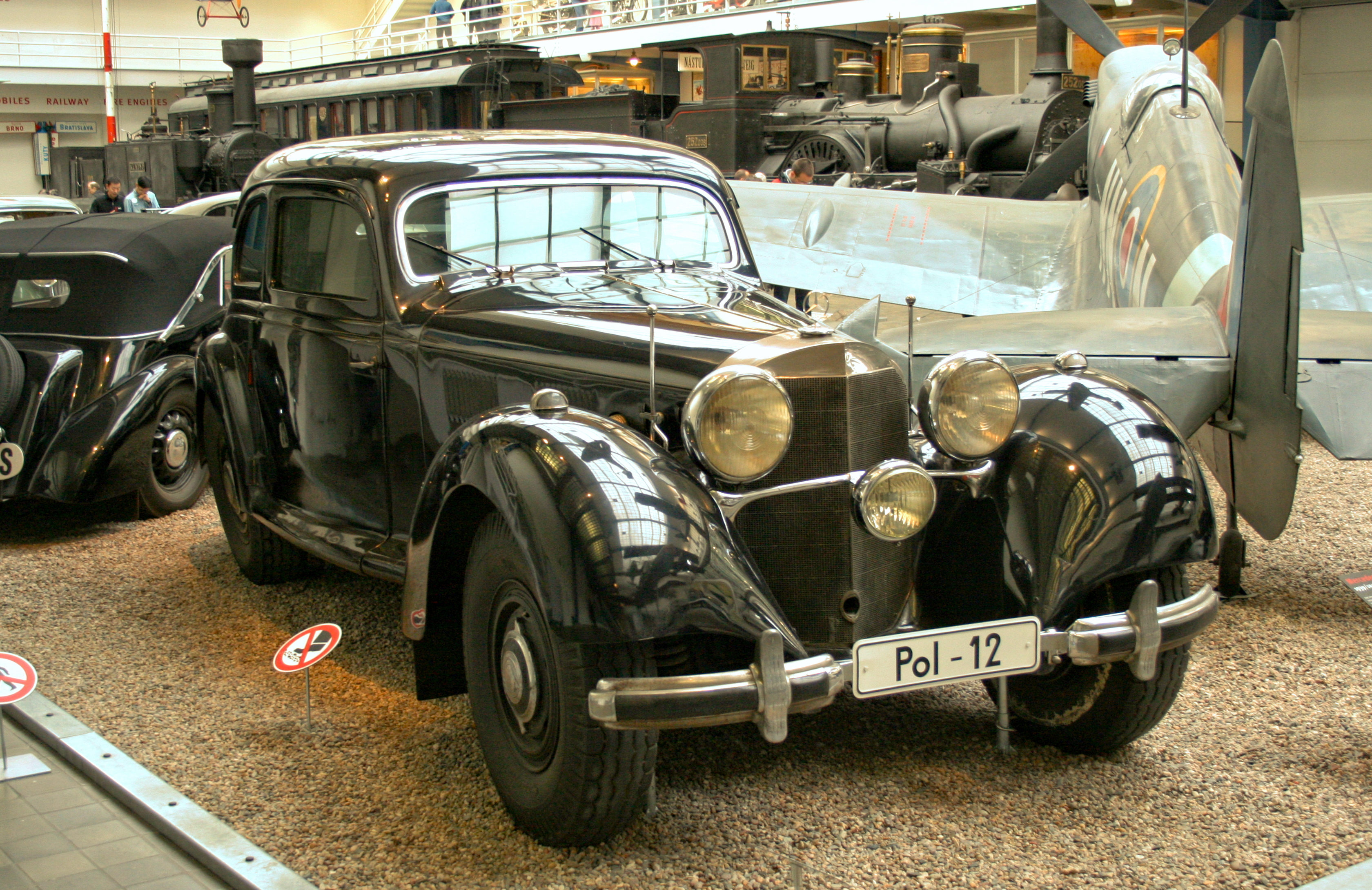
The 770K car made by Mercedes-Benz was perhaps the most famous car of Hitler. This famous car was used by him in most of his public appearances and even parades.
The 770K by Mercedes-Benz was one of the most luxurious and expensive vehicles of its time.
Many historians believe 770K was one of Hitler’s most trusted cars for big occasions and even day-to-day travel.
The car on its own had an immense presence; however, when used by Hitler, it was adorned with Nazi flags and symbols.
The car was also seen as a symbol of power and authority by those who supported the atrocious regime.
Mercedes-Benz 770K is one of the most sought-after collector’s items in today’s world — because of its past.
Recent photo of the Mercedes-Benz 770k Grosser which is the actual car used by Adolf Hitler.
2. The Famous Military Beetle

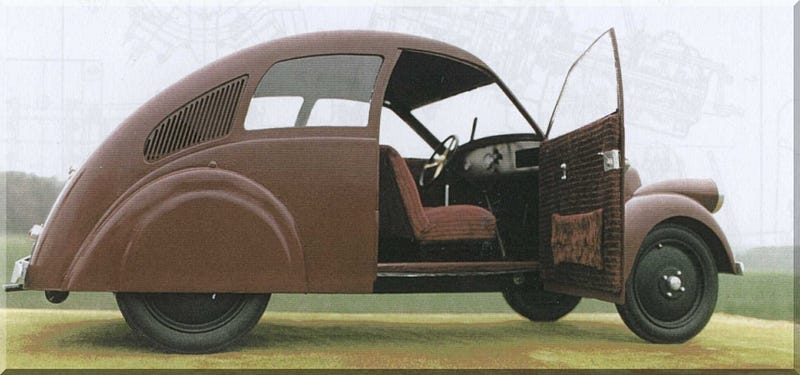
Adolf Hitler did everything in his power to justify his atrocious regime, and one of his plans was to build a car that was very cheap and affordable for most of the German people.
He believed that this would help him build a positive image of the Third Reich.
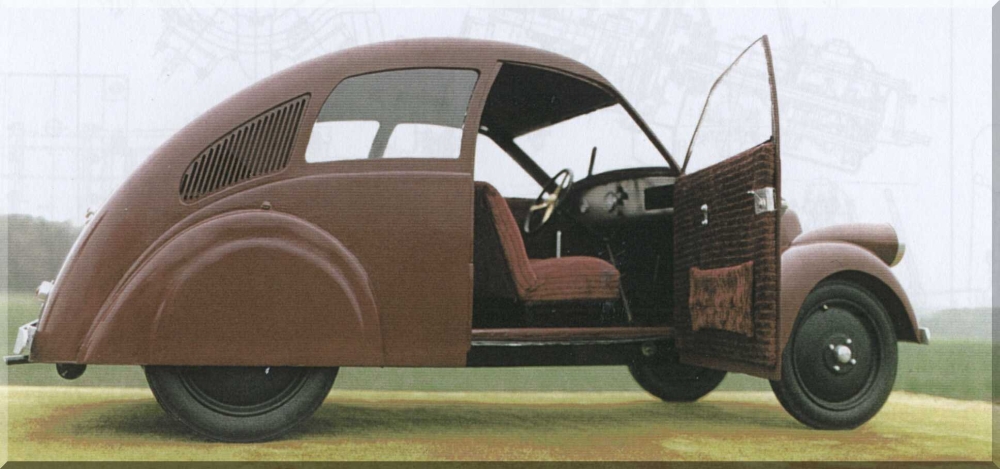
Hitler commissioned the development of the famous Volkswagen Beetle to achieve this goal. The car was designed in the most basic form possible in order to make mass production easier and less expensive.
The car was not only made for the general public but also for military use because the design was so rugged and versatile that the car was even made for military use.
The Volkswagen Beetle was never anticipated to become one of the most popular cars of its era — by anyone before it was built.
The iconic car not only revolutionized the automotive industry but also helped Nazis a lot with all the financial support that they needed.
Hitler saw the Beetle as a means of promoting his own political objectives and tightening the grip of the Nazi Party over Germany — and in a way, he kind of succeeded in doing so.
3. Hitler’s Favorite: The Mercedes-Benz 540K

Hitler was really into German cars because they were at the top when it came to innovation and the thing which mattered the most — reliability. Mercedes-Benz 540K is another car that Hitler owned and is considered Hitler’s favorite.
The car was one of the best of its time — it had a bit of everything one could ask for — be it looks or speed, it had it all.
The 540K was the vehicle of choice when he needed to travel alone or on a quick personal trip.
Mercedes 540K is known for its speed, comfort, and looks; it is one of the most luxurious cars of its time.
However, it was the convertible version of the car that was Hitler’s favorite, and he used this, especially when he was making a trip around the countryside to enjoy the scenic beauty.
Despite all its beauty and performance, this beautiful piece of engineering has become a controversial piece of automotive history because of its association with the horrors of the Nazi regime.

4. The Famous Tri-axle Mercedes-Benz G4

One thing you must have noticed if you are still reading this article is that Hitler truly adored Mercedes-Benz.
Hitler’s car collection was not only about luxurious vehicles, but he also owned some of the craziest multi-functional vehicles of his time. One example of this is his monstrous G4, another car made by Mercedes-Benz.
The car was able to carry eight passengers, and its key feature was its tri-axle, on which it had six wheels.
Hitler often used this massive vehicle to travel to military events along with other high-ranking officers.
It was another car that Hitler owned that had a massive impact on those who admired the Nazi regime. The humongous G4 by Mercedes-Benz is an extremely valuable and rare piece of automotive history.
It is very popular among classic car enthusiasts and especially among collectors who can afford to buy one of these.
The G4 was used to transport Hitler and other high-ranking officials to military events, and it became a symbol of Nazi power and military might.
The G4 is now a valuable piece of automotive history and a popular collector’s item among enthusiasts.

Final Words
We can learn more about one of history’s most infamous characters by looking at their personal vehicles.
Even though the cars themselves are significant historically, it’s important to keep in mind that Hitler’s atrocities had nothing to do with them.
The only purpose of the cars was to carry a man who had unimaginable power and caused unfathomable suffering.
It is crucial to keep in mind that historical figures are judged by their deeds, not their belongings.
More from the author: