
4 Kinds of Love That Are Definitely Not Love
A powerful universal force that shapes our lives, but is not always what it appears to be.
Love is that universal force that shapes our lives and moves mountains. It can take on a multitude of forms and expressions, but not all of them are what they claim or appear to be.
Many have often found themselves caught in webs of emotions that they labeled as love, only to realize later that it was something entirely different. They are not alone because even though throughout the ages, love has been the theme of countless songs, books, and movies, it can be mysterious still.
If we make an effort to peel back the layers so as to shine a light on the shadows that sometimes masquerade as love, will we be equipped better to tell apart the real thing from its imitations?
1. Infatuation (the illusion of love)
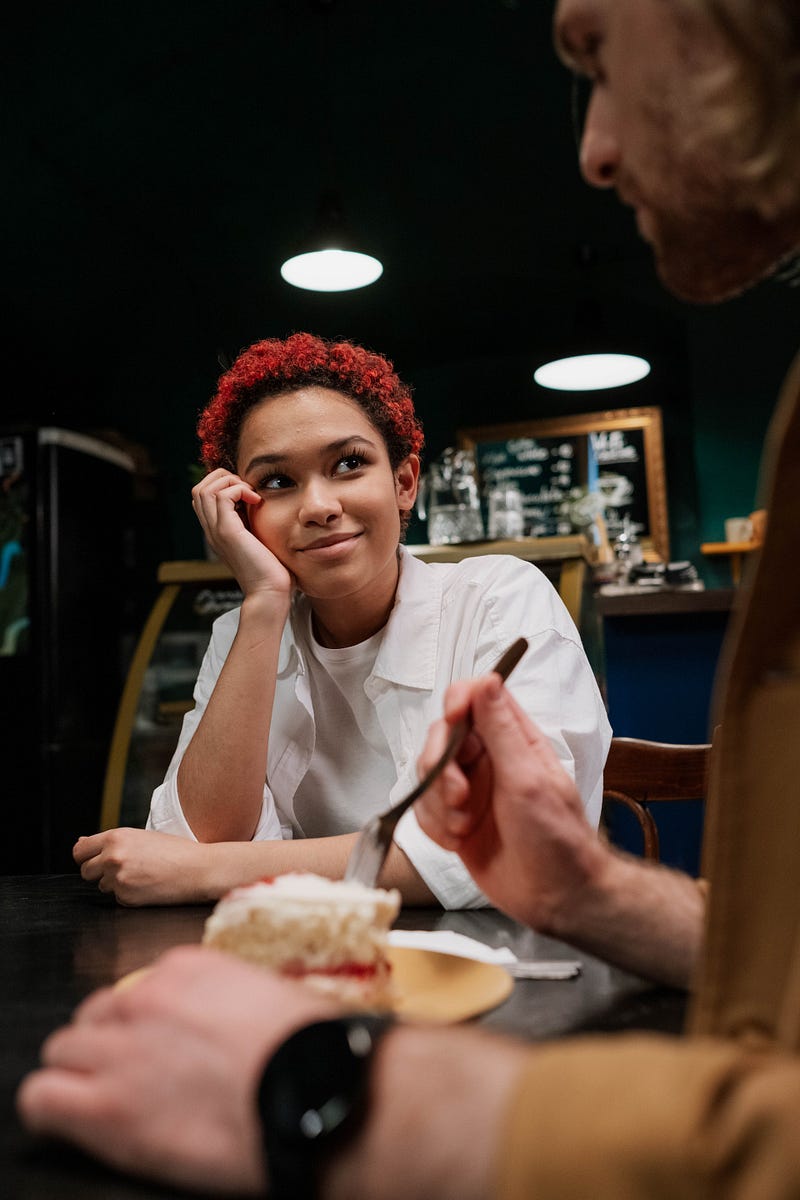
Scenario: You meet someone new, and almost immediately your heart begins to race, your palms get sweaty, and you can’t stop thinking about them. It is an exhilarating experience that leaves you convinced that you have fallen head over heels in love.
Have you really, or is it something else? Infatuation is a powerful emotion that can mimic the sensations of love. It is that whirlwind romance where the sparks fly from the moment you first meet someone. Infatuation can be so intense that even when it is merely about physical attraction rather than deep genuine feelings, it can blind partners to their fundamental incompatibilities. Incompatibilities which, unfortunately, they will eventually have to contend with.
Therein lies the danger of mistaking infatuation for love: it tends to fade as quickly as it appeared, leaving you wondering what went wrong. So, while it can be a thrilling experience, we must recognize that it’s not love but something fleeting, based on idealized images and projections and not on a deep understanding of the other person.
Love is patient, enduring, and built on a foundation of genuine care and understanding. It withstands the test of time and doesn’t waver with changing circumstances. To avoid the pitfalls of infatuation, we have to take the time to truly get to know the person we are attracted to. Take the time to explore their values, interests, and character before jumping to conclusions.
2. Possession and control (a toxic dynamic)
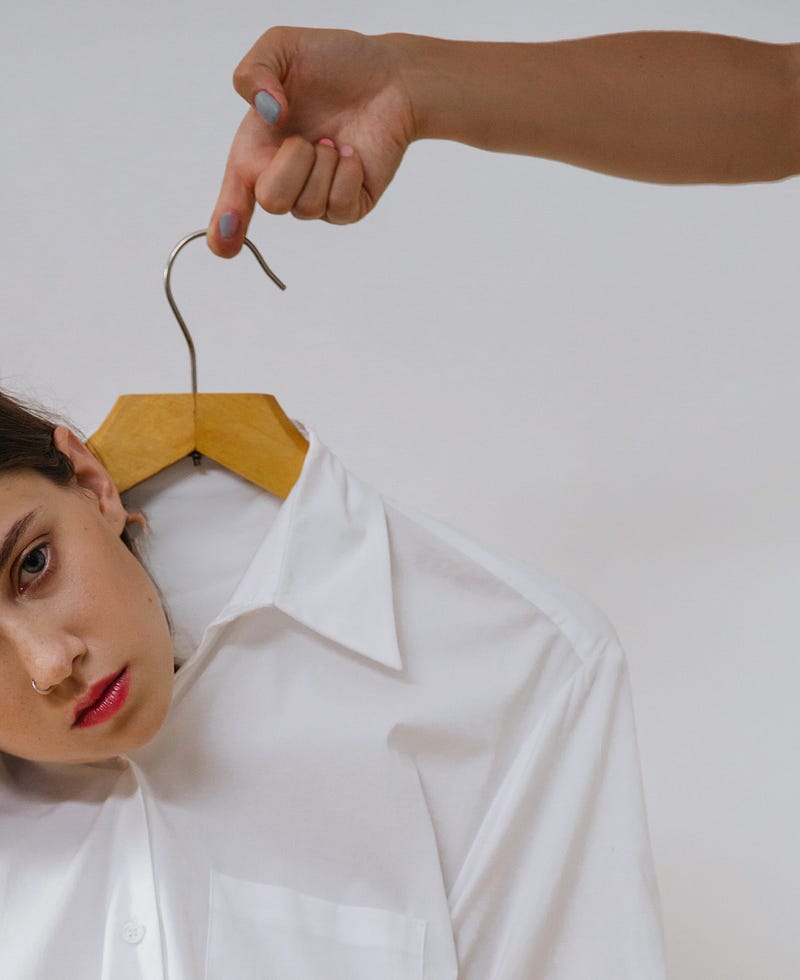
Scenario: When you look at Chris and Michele, at first they appear like a couple deeply in love. Chris is charming, successful, and charismatic, and Michele seems drawn to him like a moth to a flame. However, over time, Chris’ need for control becomes increasingly evident because he tries to dictate every aspect of Michele’s life, from her career choices to her friendships. So what may have initially felt like love to Michele is, in reality, a suffocating possessiveness that now leaves her feeling trapped.
Love, in its purest form, is a beautiful union of hearts that respects and values each other’s individuality. Unfortunately, not all romantic relationships you see embody this ideal. Some are tainted by the dynamics of possession and control. This casts a dark shadow over the appearance of the “love” that exists within them.
In its crudest form, possession manifests as a desire to own the other person. It’s the belief by one partner that the other is an extension of themselves, and so the possessed partner’s actions must align with their wishes and expectations. Control is of course the one way the possessor can ensure this. So control goes hand in hand with possession because it involves manipulating or coercing one partner to conform to the other’s desires.
“In its crudest form, possession manifests as a desire to own the other person.”
Real love is never about ownership but mutual respect, support, and the freedom to be one’s self. Partners can thrive independently while still cherishing their togetherness. The possessive and controlling dynamic, on the other hand, seeks to take away this freedom by eroding individual autonomy. It stifles personal growth, it leads to emotional harm, and eventually results in resentment and unhappiness.
When a partner finds themselves in a relationship where possession and control are prevalent, it means some crucial issues need to be addressed. Breaking free from such toxic patterns may be challenging but it is necessary. It can be achieved first, through open and honest communication or with professional help if necessary.
3. Dependency (love or neediness?)

Scenario: You see a couple that appears to be deeply in love, spending every moment together but constantly reassuring each other of their affection. What you may not see is that, below the surface, their relationship is plagued by insecurities and anxieties. They can’t bear the thought of spending time apart and often will sacrifice individual goals and interests to maintain that togetherness.
In this scenario what the couple perceives as love is, in fact, a form of emotional neediness that only leaves partners feeling trapped and unfulfilled. Of course, in romantic relationships, there’s an undeniable interdependence that naturally occurs where partners rely on each other for emotional support, companionship, and shared experiences, but there is a line between that healthy dependency and emotional neediness.
Failing to recognize this distinction can lead to confusion about what love truly entails: dependency, when healthy, is a natural part of love. There is comfort in knowing that you have someone who will be there for you in both good times and bad.
Emotional neediness on the other hand is different. Here, there is an excessive reliance by one partner on the other to meet all emotional needs, often to the detriment of the other’s own well-being.
People who mistake emotional neediness for love often fear being alone and believe that their partner is the sole source of their happiness. However, when it is real love, your partner enhances your happiness but is not the sole source of it. Real love allows you the freedom to nurture your own sense of self and maintain individual interests, goals, and friendships outside of the relationship.
“People who mistake emotional neediness for love often fear being alone and believe that their partner is the sole source of their happiness.”
4. Superficiality (love based on appearances)

Scenario: You come across an incredibly attractive couple who get the admiration and envy of those around them as they are involved in a relationship filled with passionate moments. After a while, they come to realize that their connection is superficial because they actually have little in common. Their relationship lacks depth and substance. What they initially took for love is merely a byproduct of their physical chemistry.
As we live in a world where physical appearance is emphasized and celebrated, it comes as no surprise that many romantic relationships will initially revolve around physical attraction. However, while physical chemistry is undoubtedly an essential component of romantic love, mistaking it for the entirety of love can lead to having relationships built on shaky foundations.
“However, when it is real love, your partner enhances your happiness but is not the sole source of it.”
Superficiality as love is when the basis for the relationship is the physical appearance of one or both partners. It is the belief that beauty equates to love and that a glamorous facade is all that’s needed for a fulfilling romantic connection. Such a belief naturally neglects the emotional and intellectual components of real love.
Physical attraction is indeed important, but lasting and fulfilling relationships require more than just external beauty. Real love requires shared values, common interests, emotional intimacy, and in-depth knowledge of a person’s inner qualities, not just their outward appearance.
By necessity, partners must take time to get to know one another on a deeper level away from the deceptive path of superficiality that only leads to disillusionment once the physical allure fades.
What then is real love?
First, the foundation upon which all love is built: self-love! This is an often-overlooked aspect of love but it is what shapes how we perceive and experience love in any of its forms.
Self-love is the practice of valuing and caring for yourself, emotionally and physically. It’s about recognizing your self-worth, setting healthy boundaries, and prioritizing your well-being. Without this, your ability to engage in loving, healthy relationships can be compromised.
People spend years seeking love and validation from others. They find themselves jumping from one relationship to another, hoping that the next partner will fill their void. However, it is only when they self-love that they realize it is the missing ingredient in their quest for love. It is what will keep us from getting lost in infatuation, the suffocating grip of possession, the pitfalls of dependency, and the shallowness of superficiality. When you love yourself, you will be less likely to settle for relationships that don’t align with your true values and needs.
“When you love yourself, you will be less likely to settle for relationships that don’t align with your true values and needs.”
Real love in romantic relationships is, therefore, that deep and enduring connection built on mutual respect, understanding, and emotional intimacy. It will naturally transcend the superficiality, infatuation, and dependency that is often mistaken for it. When partners are experiencing real love they genuinely care for each other’s well-being but they will allow each other the freedom and support to be themselves and will be committed to each other’s growth and individuality while still cherishing their togetherness.
“It is what will keep us from getting lost in infatuation, the suffocating grip of possession, the pitfalls of dependency, and the shallowness of superficiality.”


