avatarHailey

Free AI web copilot to create summaries, insights and extended knowledge, download it at here

3866

Abstract

ral and artistic accomplishments, as well as rich and intricate mythological and religious traditions.</p><p id="5d88">In just three years, the combined strength of the Spanish and their native allies forces brought an abrupt end to their rule.</p><p id="7698">Their quick and devastating defeat serves as a shocking reminder of the fragility of empires and the rapidity with which history can change.</p><p id="b9c5">Meanwhile, as one of the world’s oldest universities, Oxford University in England has endured through the centuries.</p><p id="898f">The University is so old that the exact founding date of it is still unknown — however, there is evidence out there that suggests that the classes were being held at the famous University somewhere in 1096.</p><p id="c64d">This makes it the second oldest English-speaking University that still exists. The University wasn’t as famous as it is until 1167 when English students were denied from attending the University of Paris by the King of England at the time Henry II.</p><p id="5f53">Now roughly 922 years old, the University is one of the most famous Universities around the world and is home to some of the brightest academic minds.</p><p id="b027">These two major historical facts, which are separated by only a few centuries, demonstrate how quickly time can pass in the context of history.</p><p id="371e">Empires can rise and fall quickly, but organizations like Oxford University can withstand the test of time and last for centuries.</p><p id="b1e7">It serves as a reminder that time is relative and that both the past and the present will always be influenced by it.</p><h1 id="d064">3. The Time It Took To Accept Continental Drift.</h1><figure id="52d2"><img src="https://cdn-images-1.readmedium.com/v2/resize:fit:800/0*RPQZwZ13vT2pEL9S"><figcaption>Image Source Wiki <a href="https://upload.wikimedia.org/wikipedia/commons/thumb/8/8a/Plates_tect2_en.svg/1280px-Plates_tect2_en.svg.png">I</a></figcaption></figure><figure id="7d65"><img src="https://cdn-images-1.readmedium.com/v2/resize:fit:800/0*lpHBhQc4cZdkeY9H"><figcaption>Image Source / Wiki <a href="https://upload.wikimedia.org/wikipedia/commons/1/16/Apollo_11_Launch_-_GPN-2000-000630.jpg">II</a></figcaption></figure><p id="44f6">It was in 1912, that Alfred Wegener proposed the theory of continental drift; however, it was not widely accepted by the geological community at the time.</p><p id="e3c1">Many geologists dismissed his ideas because they couldn’t see how continental rock could push through the much denser rock of the oceanic crust.</p><p id="9fd5">Wegener was unable to explain the force driving continental drift, and it wasn’t until after his death in 1930 that his theory started to gain recognition.</p><p id="4ef4">However, it wasn’t until 1967 that the geologist and scientist community from all around the world fully embraced the theory of tectonics plates.</p><p id="918e">These geoscientists took so long that by that time they were done accepting Wegener’s theory of continental drift — NASA and the Soviet Union had already made significant progress, and both were launching rockets into space and getting ready to set foot on the moon.</p><p id="2094">These historical facts show us how long it can take for scientific ideas to be fully accepted and how quickly technology can advance in the same period.</p><h1 id="7d63">4. 1889 The Year Both Adolf Hitler And Charlie Chaplin Were Born</h1><figure id="e30a"><img src="https://cdn-images-1.readmedium.com/v2/resize:fit:800/0*zX1CyuLMjHYITAoa"><figcaption>Image Source — <a href="https://www.flickr.com/photos/jenoscolor/16227955056/in/photolist-qJ1vEy-6FtW2r-fVGZQW-7T7bRC-gHYAYq-Ghs943-6WKXvD-8FdXqf-8dGp8a-7T47DP-BVvRDp-7PzkGe-8JgApu-7T4sTg-PAXKqf-dghvHb-2nWeDpS-dghtAt-L6y27f-29Z5jAy-gXbwiw-9uDbH4-9uGcjW-9uGbWE-9uDbtX-9uDbKp-9uDbxc-9uGbZG-BX9A8H-2gbkK9S-2gbjz

Options

Ey-2gbkXLe-2gbjsGJ-2gbjSis-2gbjfdm-2gbjMpu-2gbjCgW-2gbjP8R-2gbjhon-7T7YZb-2dC4Hb-9bNRbx-2o9ARjM-zhUL7-ZQjPUc-2gbiYGf-7xDMxW-7xDMCu-HBnNSY-8d98h3">Flickr</a></figcaption></figure><figure id="63b3"><img src="https://cdn-images-1.readmedium.com/v2/resize:fit:800/0*rAE2YVz-sGahOkaa"><figcaption>Image Source — / <a href="https://upload.wikimedia.org/wikipedia/commons/f/f1/Dictator_charlie2.jpg">Wiki</a></figcaption></figure><p id="43bc">One historical fact that will surely alter your perception of time is the release of “The Great Dictator” in 1940.</p><p id="48b6">When Charlie Chaplin, a British comedian, wrote, directed, produced, and starred in this American political satire comedy-drama movie, the country was still formally at peace with Nazi Germany.</p><p id="2e9f">In this film, Chaplin takes on two leading roles, that of a ruthless fascist dictator and that of a persecuted Jewish barber.</p><p id="0d3d">The timing of the release — just before the United States entered World War II and long before the true horrors of the Holocaust came to light — makes this fact truly astonishing.</p><p id="a085">Even more remarkable is the fact that Chaplin and Adolf Hitler, who he criticized in the movie, were both born in the same year,1889.</p><h1 id="6105">Conclusion</h1><p id="b3f9">Historical record has the ability to influence our understanding of time and to remind us of how dynamic and relative history really is.</p><p id="8138">These facts demonstrate how swiftly time passes, how it might require decades for scientific theories to gain general acceptance, and how close we are to some of history’s most significant events.</p><p id="b1df">By getting our history right and knowing the intricate connections between historical events and their multifaceted nature — we may better appreciate the importance of the past and its influence on the world.</p><p id="84c7">More from the author:</p><div id="2e7e" class="link-block"> <a href="https://readmedium.com/6-unseen-horrors-of-the-ukraine-war-you-didnt-know-about-c274e788a3f2"> <div> <div> <h2>6 Unseen Horrors of the Ukraine War You Didn’t Know About</h2> <div><h3>Heartbreaking human cost and painful realities you missed.</h3></div> <div><p>medium.com</p></div> </div> <div> <div style="background-image: url(https://miro.readmedium.com/v2/resize:fit:320/1*Ct8lnq7ZdyN0tMPugtbQRA.png)"></div> </div> </div> </a> </div><div id="c080" class="link-block"> <a href="https://readmedium.com/4-greatest-infamous-liars-in-history-a618fe30a35b"> <div> <div> <h2>4 Greatest Infamous Liars In History</h2> <div><h3>Lies, Lies, Lies — the notorious liars who fooled the world.</h3></div> <div><p>medium.com</p></div> </div> <div> <div style="background-image: url(https://miro.readmedium.com/v2/resize:fit:320/1*qdBBWwOKjwlirHFylkjfRw.jpeg)"></div> </div> </div> </a> </div><div id="2419" class="link-block"> <a href="https://readmedium.com/5-biggest-conspiracy-theories-that-were-actually-proven-true-3e1b43136303"> <div> <div> <h2>5 Biggest Conspiracy Theories That Were Actually Proven True</h2> <div><h3>5 times the truth was stranger than fiction, evidences confirmed.</h3></div> <div><p>medium.com</p></div> </div> <div> <div style="background-image: url(https://miro.readmedium.com/v2/resize:fit:320/1*NWFHffuC_qO3ai_ErqehKA.jpeg)"></div> </div> </div> </a> </div></article></body>

4 Historical Connections That Will Change How You See The World

The mind-blowing & surprising links between historical events.
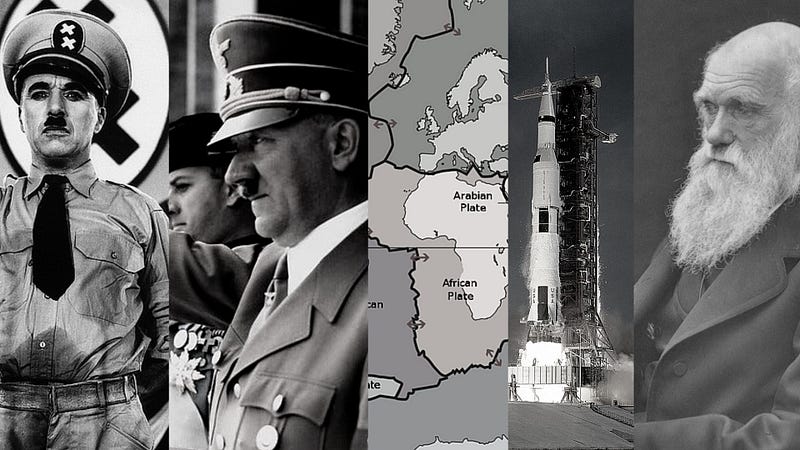
Source: Image by author

We often oversimplify historical context by categorizing historical events into “olden times” and “modern era.”

This is because most of us do not live long enough to fully understand what “a hundred years ago” really means and because our brains have struggled with time perception.

However, there are times when things that we think are current turn out to be much older and vice versa.

These unexpected facts force us to reevaluate our understanding of time and shake us out of our oversimplified categorizations, which is ultimately beneficial.

These interesting historical events all occurred more or less at the same time — resulting in some of the most surprising coincidences and challenging our preconceived perceptions of the past.

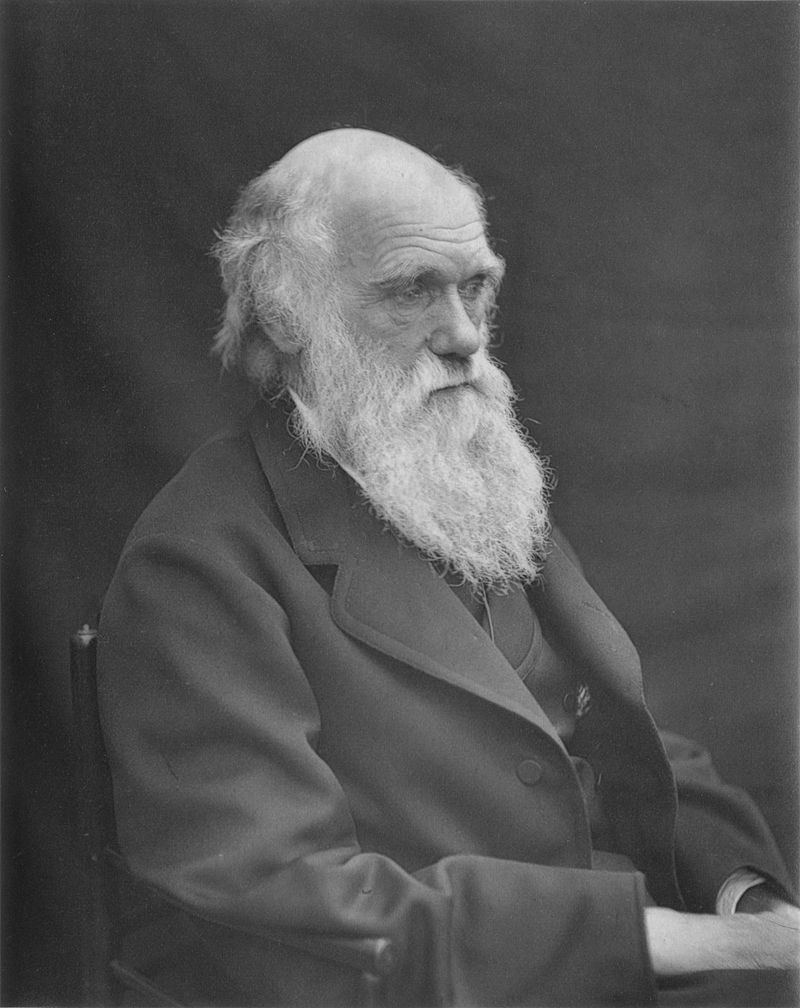
1. Harriet The Tortoise — A Journey From Charles Darwin To Steve Irwin
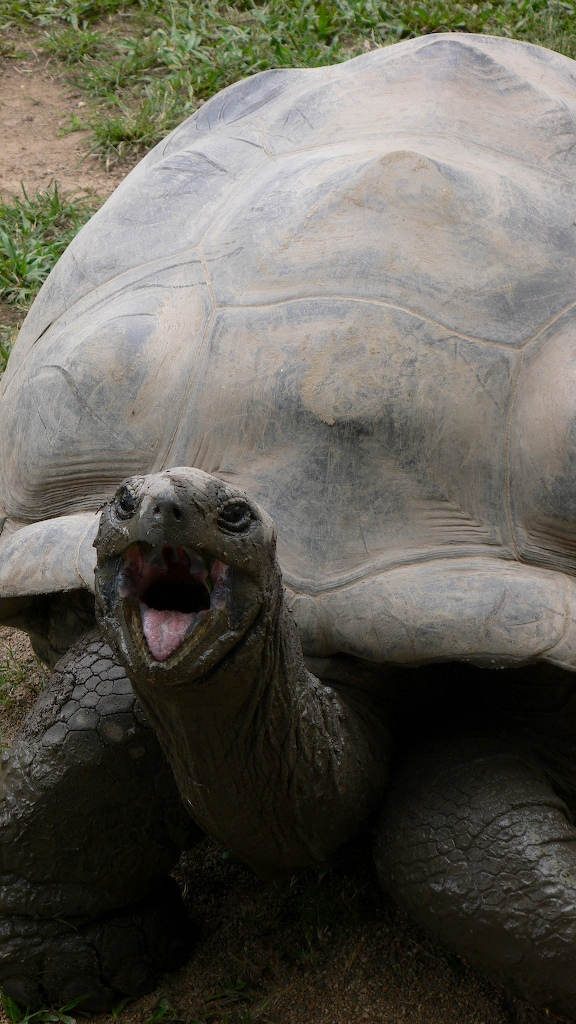
Image Source — Wiki I
Image Source — Wiki / II

Harriet, the tortoise, was undoubtedly a living relic of history and certainly had a story that challenges our perception of time.

Harriet is believed to have been collected by Charles Darwin during his historic 1835 visit to the Galápagos Islands as part of his round-the-world survey expedition.

Harriet was then transported to England before being transported to her final home in Australia.

Nonetheless, there has been quite a bit of disagreement concerning the story of Harriet’s origin.

Some have questioned Darwin’s claim that he collected her because he never visited the island from which Harriet originally came.

Despite this, Harriet’s estimated age of 175 at the time of her death in Steve Irwin’s zoo in 2006 makes her one of the oldest living creatures ever recorded.

Harriet lived through some of history’s most significant events, including the rise and fall of many major empires, both World Wars, and the invention of technology that has dramatically altered the way we live today.

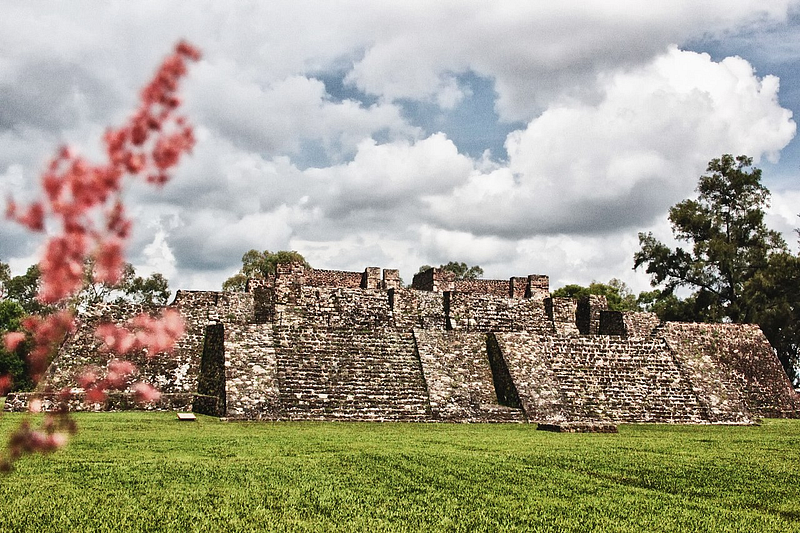
2. Oxford University Older Than The Aztec Empire
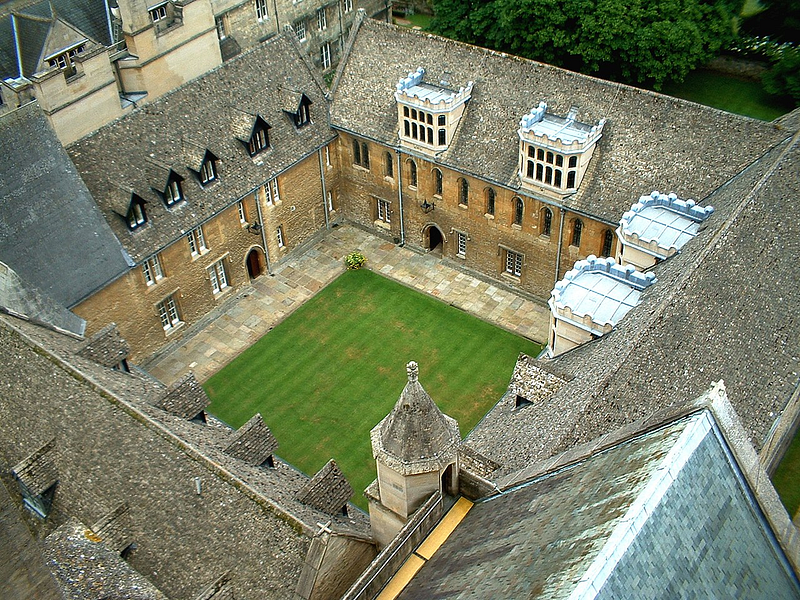
Image Source — Wiki I
Image Source — / II

The Aztec Empire, which began as a union of three Nahua altepetl city-states, ruled the area in and around the Valley of Mexico from 1428 until the arrival of the Spanish conquistadors in 1521.

The Aztecs created a highly developed and strong civilization in just around a century that was characterized by impressive architectural and artistic accomplishments, as well as rich and intricate mythological and religious traditions.

In just three years, the combined strength of the Spanish and their native allies forces brought an abrupt end to their rule.

Their quick and devastating defeat serves as a shocking reminder of the fragility of empires and the rapidity with which history can change.

Meanwhile, as one of the world’s oldest universities, Oxford University in England has endured through the centuries.

The University is so old that the exact founding date of it is still unknown — however, there is evidence out there that suggests that the classes were being held at the famous University somewhere in 1096.

This makes it the second oldest English-speaking University that still exists. The University wasn’t as famous as it is until 1167 when English students were denied from attending the University of Paris by the King of England at the time Henry II.

Now roughly 922 years old, the University is one of the most famous Universities around the world and is home to some of the brightest academic minds.

These two major historical facts, which are separated by only a few centuries, demonstrate how quickly time can pass in the context of history.

Empires can rise and fall quickly, but organizations like Oxford University can withstand the test of time and last for centuries.

It serves as a reminder that time is relative and that both the past and the present will always be influenced by it.

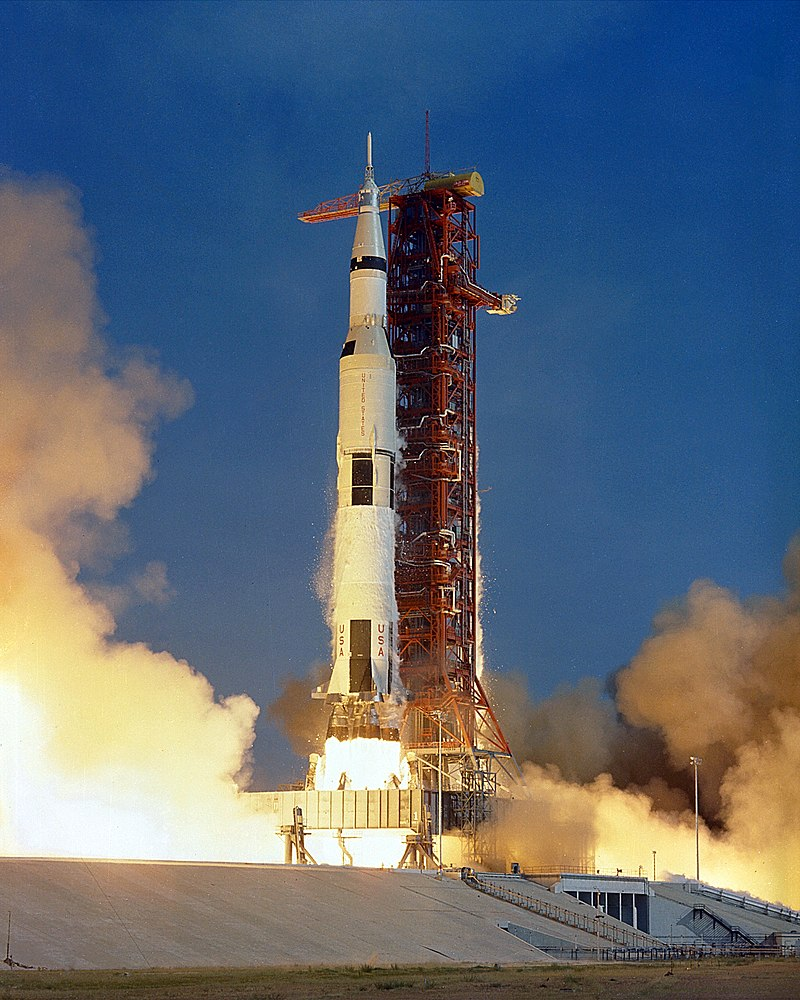
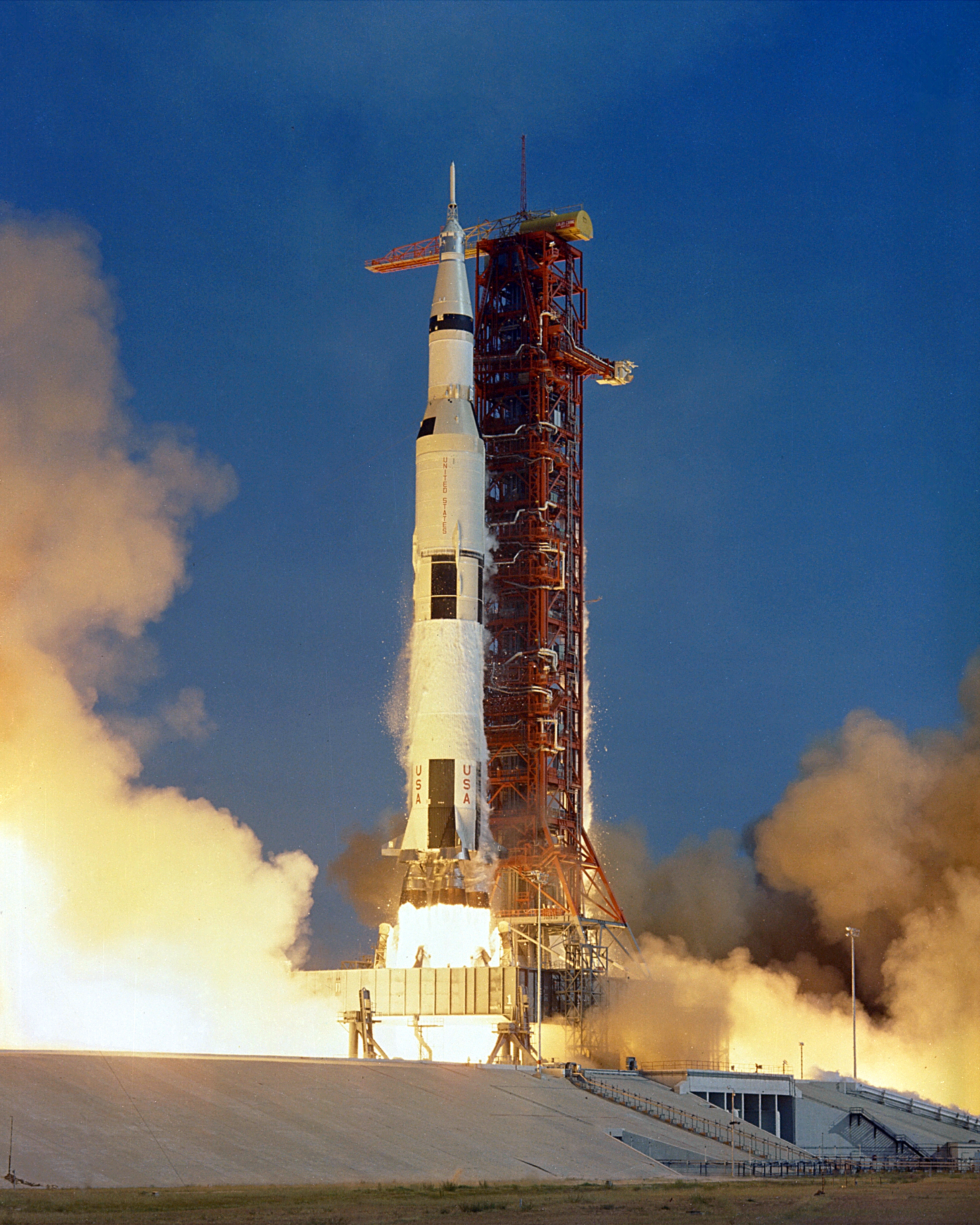
3. The Time It Took To Accept Continental Drift.
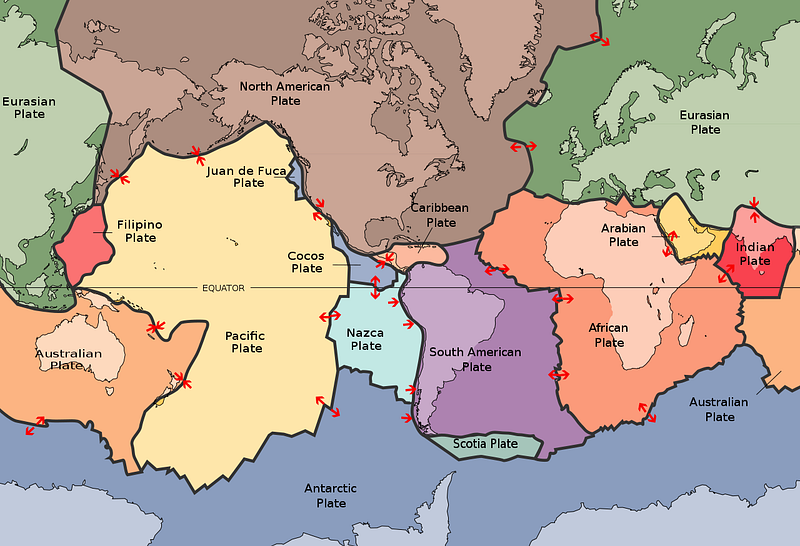
Image Source Wiki I
Image Source / Wiki II

It was in 1912, that Alfred Wegener proposed the theory of continental drift; however, it was not widely accepted by the geological community at the time.

Many geologists dismissed his ideas because they couldn’t see how continental rock could push through the much denser rock of the oceanic crust.

Wegener was unable to explain the force driving continental drift, and it wasn’t until after his death in 1930 that his theory started to gain recognition.

However, it wasn’t until 1967 that the geologist and scientist community from all around the world fully embraced the theory of tectonics plates.

These geoscientists took so long that by that time they were done accepting Wegener’s theory of continental drift — NASA and the Soviet Union had already made significant progress, and both were launching rockets into space and getting ready to set foot on the moon.

These historical facts show us how long it can take for scientific ideas to be fully accepted and how quickly technology can advance in the same period.

4. 1889 The Year Both Adolf Hitler And Charlie Chaplin Were Born

Image Source — Flickr
Image Source — / Wiki

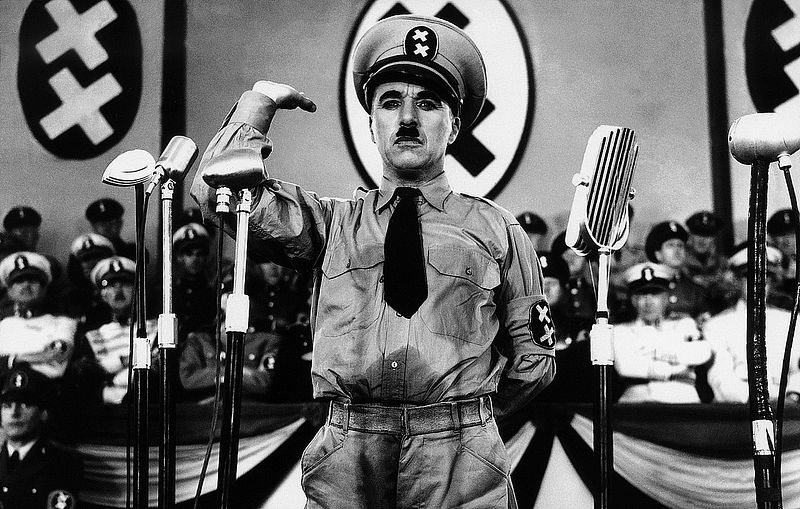
One historical fact that will surely alter your perception of time is the release of “The Great Dictator” in 1940.

When Charlie Chaplin, a British comedian, wrote, directed, produced, and starred in this American political satire comedy-drama movie, the country was still formally at peace with Nazi Germany.

In this film, Chaplin takes on two leading roles, that of a ruthless fascist dictator and that of a persecuted Jewish barber.

The timing of the release — just before the United States entered World War II and long before the true horrors of the Holocaust came to light — makes this fact truly astonishing.

Even more remarkable is the fact that Chaplin and Adolf Hitler, who he criticized in the movie, were both born in the same year,1889.

Conclusion

Historical record has the ability to influence our understanding of time and to remind us of how dynamic and relative history really is.

These facts demonstrate how swiftly time passes, how it might require decades for scientific theories to gain general acceptance, and how close we are to some of history’s most significant events.

By getting our history right and knowing the intricate connections between historical events and their multifaceted nature — we may better appreciate the importance of the past and its influence on the world.

More from the author:

History
Culture
Education
Life
Politics
Recommended from ReadMedium